Bookbot

Gilles Quispel

    Leidse Historische Studiën - 2: Dienaar en bruut
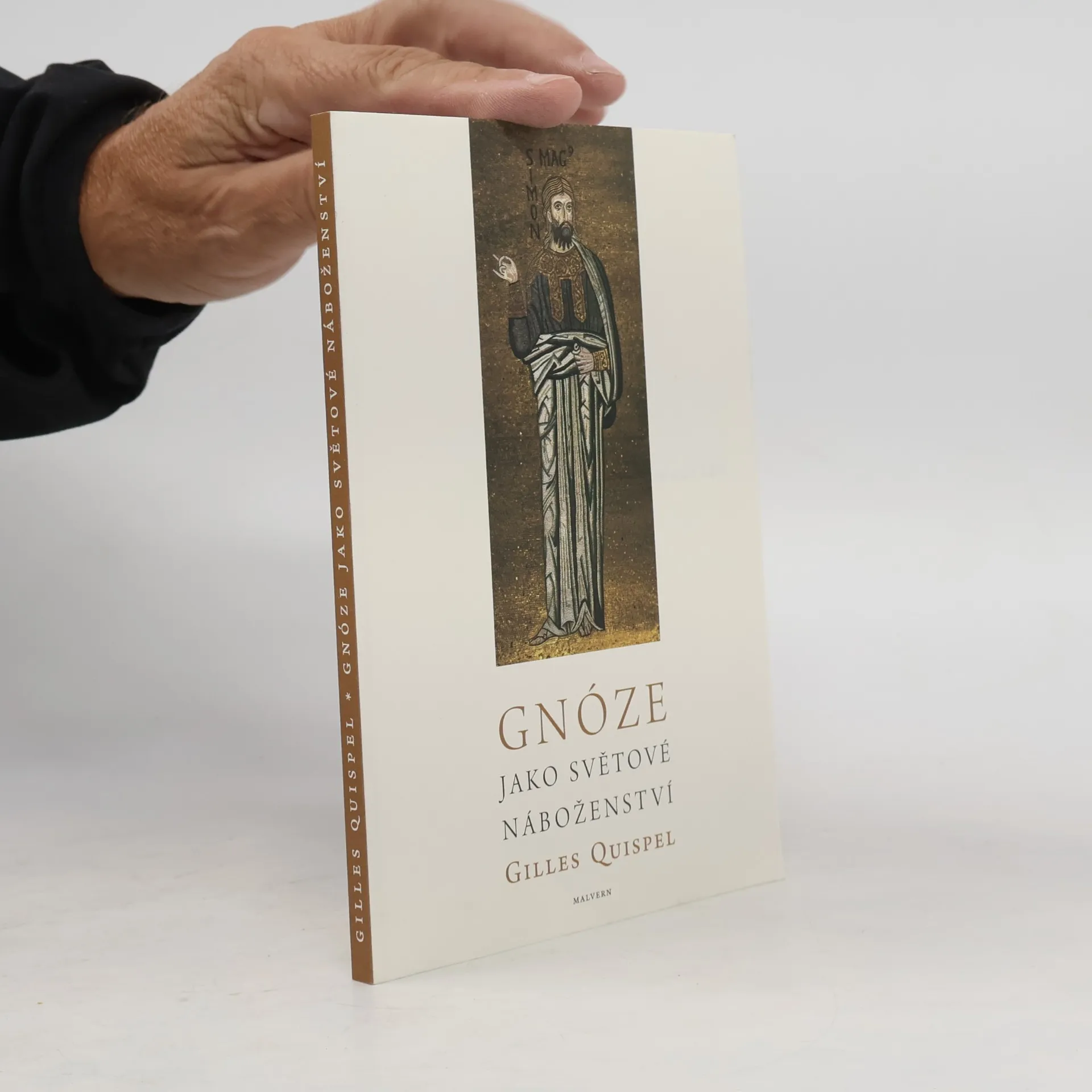
    Gnóze jako světové náboženství
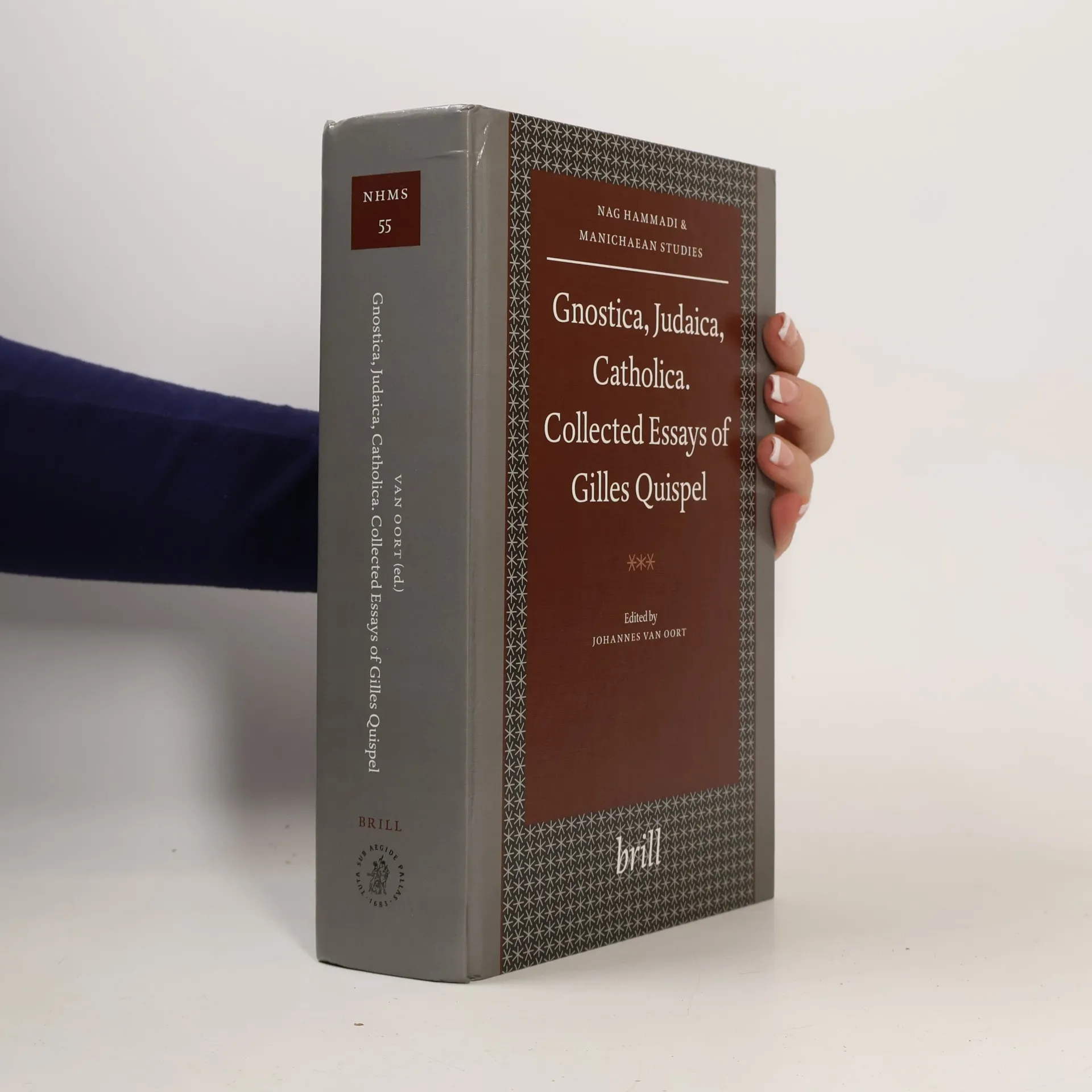
    Nag Hammadi and Manichaean Studies - 55: Gnostica, Judaica, Catholica
    Corpus Hermeticum
    • Corpus Hermeticum

      • 209 stron
      • 8 godzin czytania

      De zeventien Griekse geschriften van het Corpus Hermeticum zijn rond het begin van onze jaartelling ontstaan in esoterische kringen in Alexandrië. Ze verkondigen een kosmische religie gebaseerd op persoonlijke ervaring, met opvallende overeenkomsten met de brieven van de apostel Paulus, maar zonder christelijke invloed. Tijdens de renaissance werden deze traktaten herontdekt en inspireerden ze denkers zoals Giordano Bruno, Newton en Goethe. De opkomst van het mechanische wereldbeeld en de Verlichting leidde tot een verdringing van hun holistische natuurvisie, die vervolgens een toevlucht vond bij de vrijmetselarij en andere geheime genootschappen. Sinds de ontdekking van nieuwe hermetische teksten in 1945 in Egypte is de belangstelling in wetenschappelijke kringen herleefd. De mysteriën die Hermes Trismegistus (de Egyptische god van de wijsheid Thoth) onthult, getuigen van een heidense gnosis, die moet worden onderscheiden van redelijke wijsbegeerte of geloof op gezag. Deze gnosis is nauw verwant aan de joodse en christelijke gnosis, die ook in Alexandrië ontstonden. Samen vormen ze een belangrijke component van de Europese cultuurtraditie, waarbij de leer van Hermes Trismegistus de oudste is. Deze vertaling is gemaakt door twee deskundigen, die in hun commentaar de vele parallellen met de gnostische boeken van Nag Hammadi benadrukken.

      Corpus Hermeticum
      4,5
    • Nag Hammadi and Manichaean Studies - 55: Gnostica, Judaica, Catholica

      Collected Essays of Gilles Quispel

      • 869 stron
      • 31 godzin czytania

      This volume brings together a rich & varied collection of essays by Gilles Quispel (1916-2006), Professor of the History of the Early Church at Utrecht University from 1951 until retirement in 1983. During his illustrious career, Quispel was also visiting Professor at Harvard University in 1964/5, & visiting Professor at the Catholic University of Leuven from 1969 until 1974. The 50 essays collected in this volume testify to most of the prominent themes from Professor Quispel's scholarly career: the writings of the Nag Hammadi library in general & the Gospel of Thomas in particular; Tatian's Diatessaron & its influences; the Hermetica; Mani & Manichaeism; the Jewish origins of Gnosticism; & Gnosis & the future of Christianity. This volume also makes a number of his less known earlier publications (mainly presented under the heading 'Catholica') available to the international community. Until shortly before he died, Quispel remained active in his study of the Gospel of Thomas. He had been one of the 1st to acquire the Coptic text of the Gospel of Thomas, of which he published the 1st translation in 1959 & his final translation in 2005. He was also active in researching the Diatessaron, & Valentinus the Gnostic. One of his most recent essays--published here for the 1st time--is on 'the Muslim Jesus.'

      Nag Hammadi and Manichaean Studies - 55: Gnostica, Judaica, Catholica
    • Gnóze jako světové náboženství

      • 100 stron
      • 4 godziny czytania

      Gilles Quispel (1916–2006), profesor dějin raného křesťanství v Utrechtu, historik náboženství a jeden z předních znalců starověkého gnosticismu, napsal tuto knihu krátce po přelomovém objevu gnostických rukopisů v Nag Hammádí. Na jejich zpřístupnění veřejnosti se ostatně nemalou měrou sám podílel. Kniha je rozšířenou verzí čtyř přednášek, jež autor pronesl v roce 1951 na Institutu C. G. Junga v Curychu. Představuje přístupný úvod do základních idejí gnóze, přehledného průvodce pro cestu labyrintem jejích mýtů a textů. Autor načrtává dějiny gnóze od počátků až po útlum na sklonku antiky, její znovuobjevování se ve středověku a novověku a poodkrývá její fenomenologický obraz. V první řadě čerpá z nově nalezených koptsky psaných pramenů. Texty jako Tajná kniha Janova jsou mu klíčem k pochopení původní, snad ještě předkřesťanské podoby gnóze. V dalších kapitolách ukazuje paralely i hluboké rozdíly mezi gnózí, raným křesťanstvím a novoplatonismem. Přesvědčivě dokládá ústřední tezi knihy, že „gnóze je mytickou projekcí sebezkušenosti“, tedy nejniternější duchovní zkušenosti člověka. Jak sám shrnuje: „Ve všech možných gnostických mýtech a hymnech se znovu a znovu zdůrazňuje, že spása spočívá v tom, že se člověk rozpomene na svůj původ a uvědomí si božství svého temnotou zastřeného ,Já‘.

      Gnóze jako světové náboženství