The Second Edition of Basic Counselling Skills: A Helper's Manual is written as a straightforward, step-by-step guide to support the training and practice of all those people who use counseling skills as part of their role. Short and accessible chapters discuss base principles of the helping relationship, then follow through universal counseling skills drawing upon a range of experiential activities from across the helping profession.
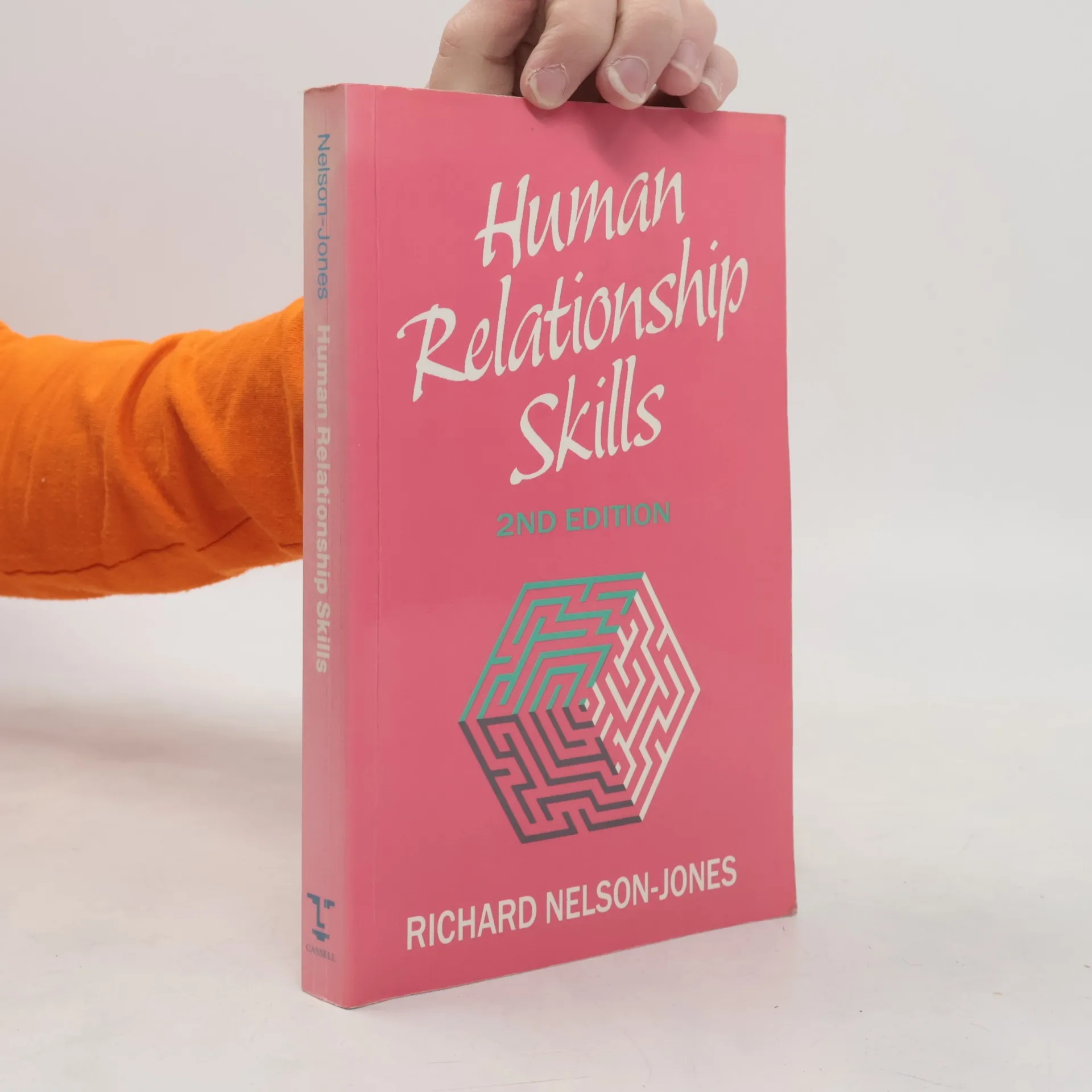
Paperback (trifle scratched) by Richard Nelson-Jones-no Cassell 2nd ed 1988-presents 290 pages..Focusing on feelings & life-training skills-book tight clean copy.#6
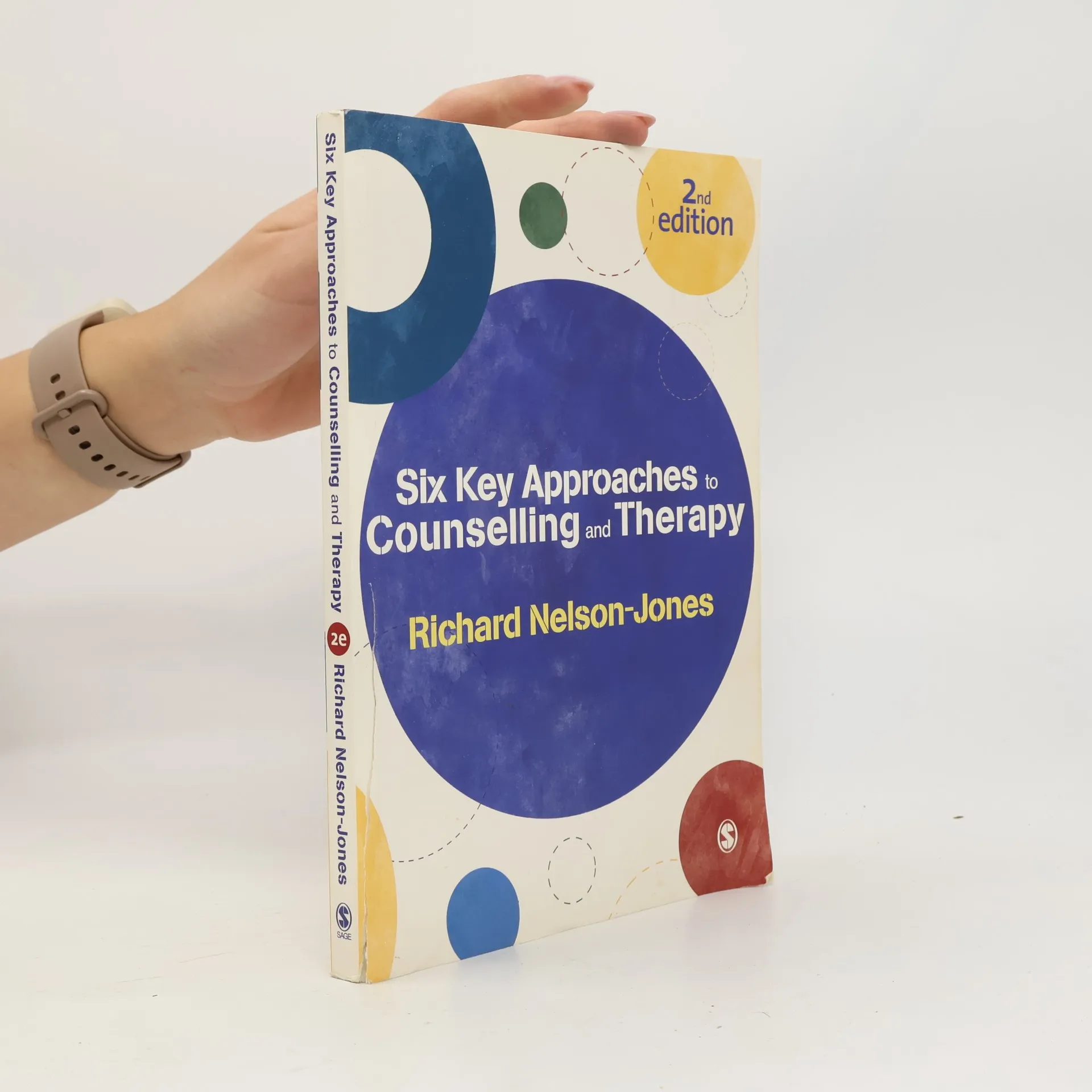
This updated and revised new edition of Six Key Approaches to Counselling and Therapy provides an accessible introduction to the theory and practice of six of the most popular contemporary therapeutic approaches from the three main schools of therapy practice: cognitive therapy and solution-focused therapy from the cognitive-behavioral schoolperson-centerd and Gestalt therapy from the humanistic schoolFreud's psychoanalysis and Jung's analytical therapy from the psychodynamic school. Following a clearly-defined structure, each chapter describes the origin of the therapeutic approach, a biography of its originator, its theory and practice, discusses case material and further developments, and suggests further reading. Richard Nelson-Jones goes on to review and evaluate all the approaches in his concluding chapter. This excellent textbook is a vital resource for students in introductory courses and those who are starting out in professional training.
Human Relationship Skills: Coaching and Self-Coaching offers a practical guide to enhancing and repairing relationship skills. The updated 4th edition reflects the growing interest in coaching and its application to daily life. Richard Nelson-Jones employs a cognitive-behavioral approach, presenting relationship skills as sequences of choices that can be made positively or negatively. The book begins with foundational questions about relationship and coaching skills, then explores various essential skills, including: listening and understanding, managing shyness, intimacy and companionship, assertiveness, managing anger, and addressing relationship problems. It concludes with strategies for self-coaching to maintain and improve these skills. Written in an accessible style and featuring engaging activities, this resource is ideal for those involved in life coaching, counseling, and therapy. It serves as essential reading for lecturers, coaches, trainers, students, and anyone looking to enhance their relationship skills.