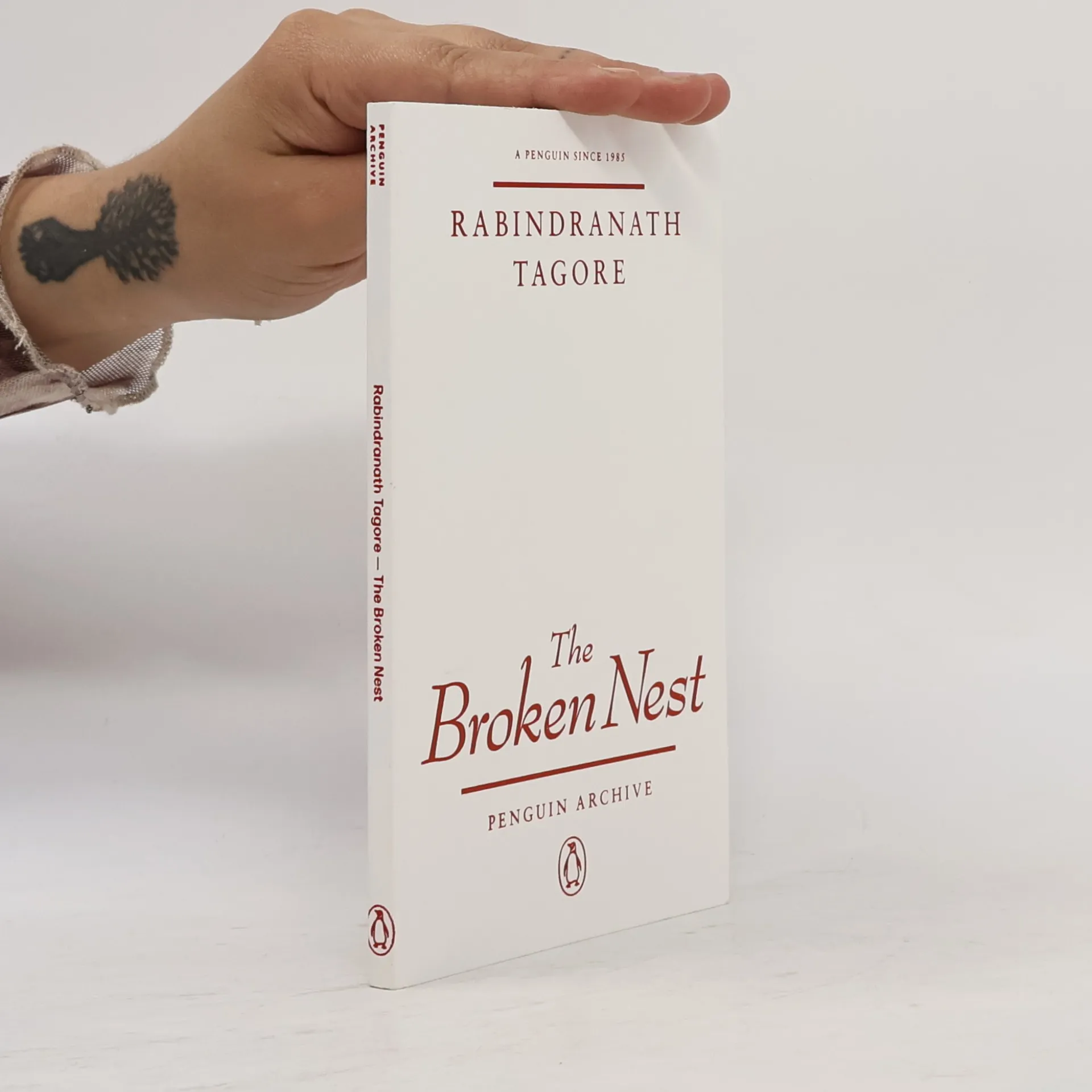
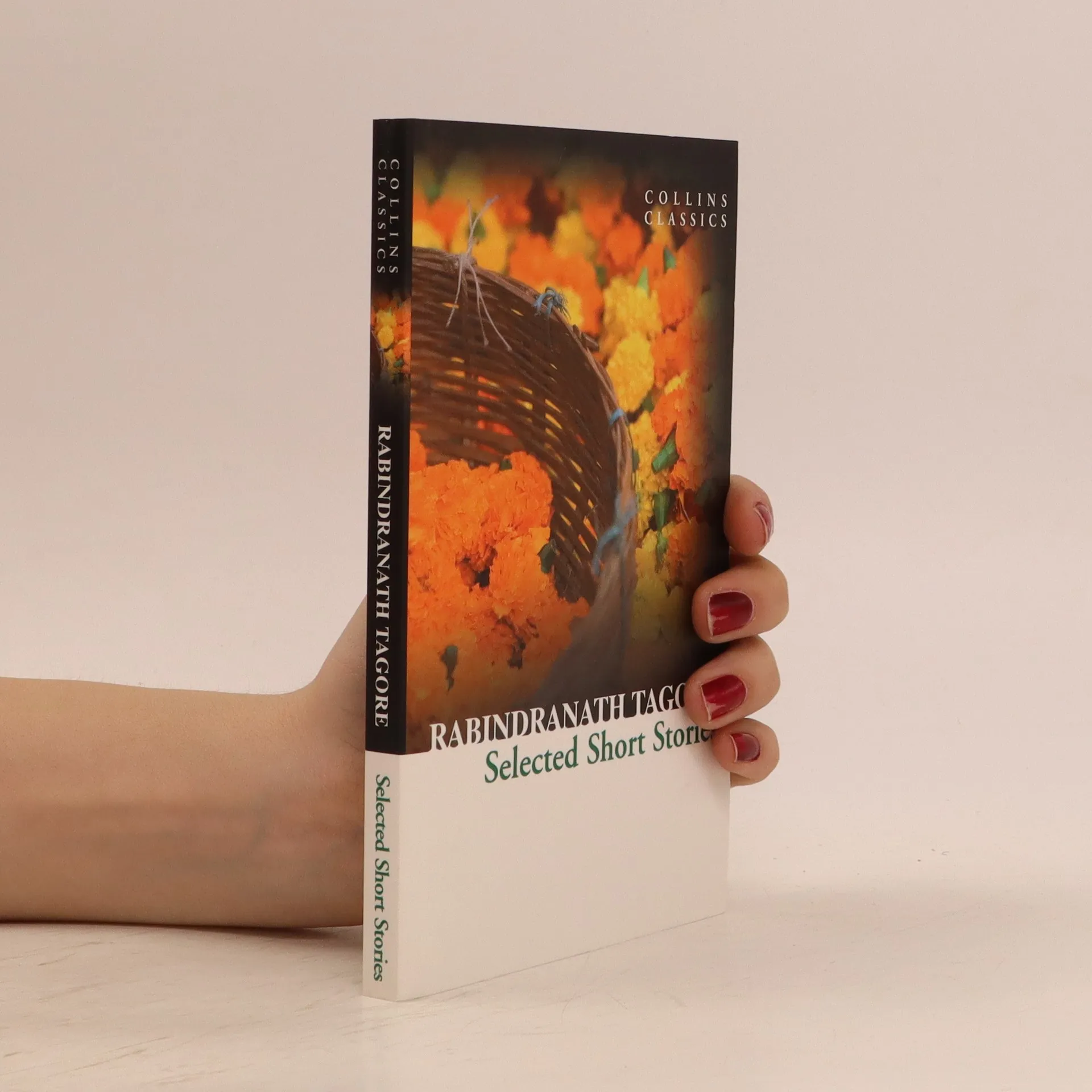
90 classic titles celebrating 90 years of Penguin Books Rabindranath Tagore was one of the greatest authors of his generation. In these two short stories - 'The Broken Nest' and 'Dead or Alive' - he is at his devastating best, charting the slow, then fast, implosion of two perfect Bengali households. No-one understands each other; everything is misconstrued; all is lost.
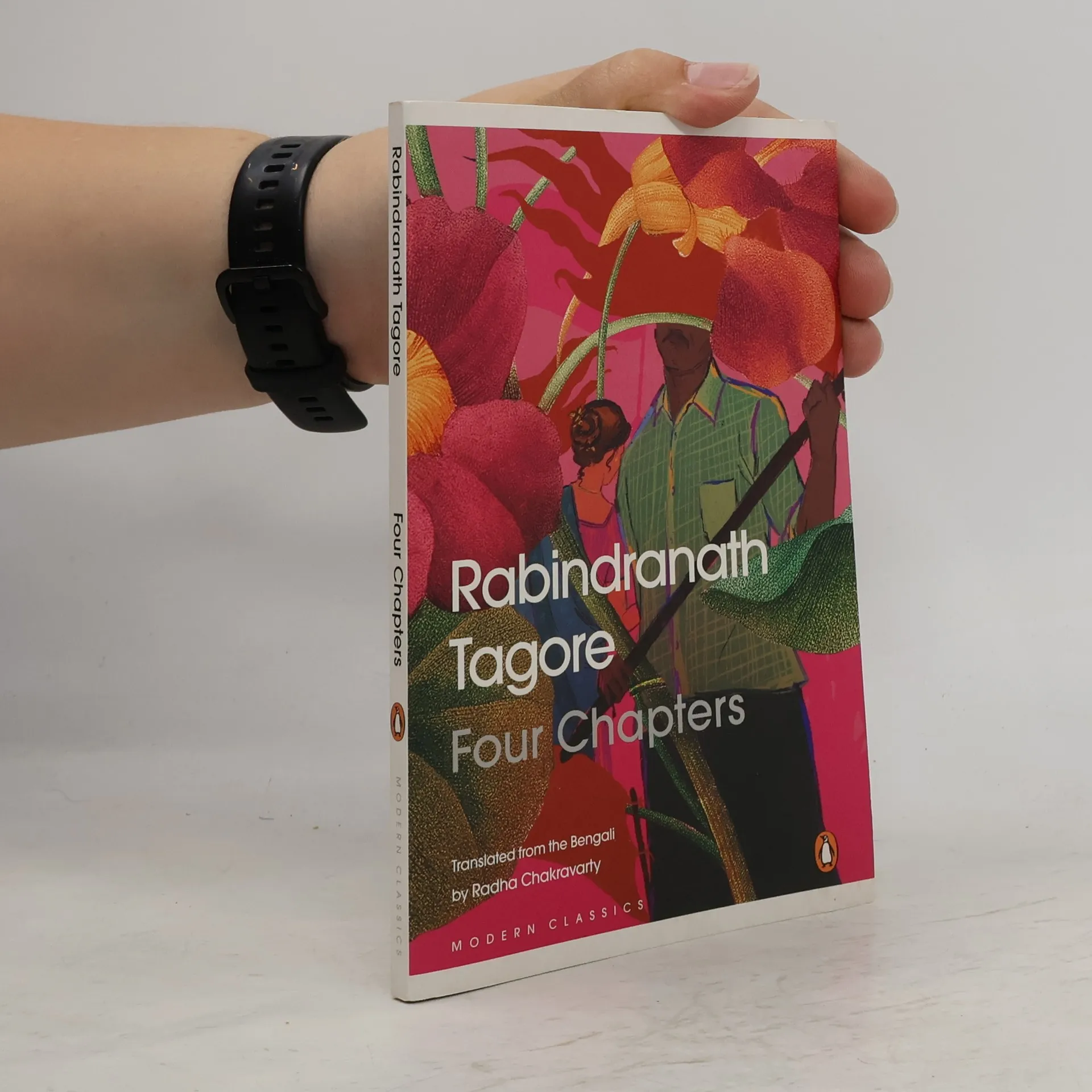
Passion and politics intertwine in Char Adhyay (1934), Rabindranath Tagore's last and perhaps most controversial novel, set in the context of the freedom struggle in pre-Independent India. Ela, a young working woman, comes under the spell of Indranath, a charismatic political activist who advocates the path of terror. She joins his band of underground rebels, vowing never to marry, and to devote her life to the nation's cause. But through her relationship with Atindra, a poet and romantic who grows disenchanted after joining the group, Ela realizes the hollowness of Indranath's machinations. The lovers now face a terrible choice. This new translation of Char Adhyay brings Tagore's text to life in contemporary idiom, while evoking the charged atmosphere of the story's historical setting.
A few days ago I said to a distinguished Bengali doctor of medicine, `I know no German, yet if a translation of a German poet had moved me, I would go to the British Museum and find books in English that would tell me something of his life, and of the history of his thought. But though these prose translations from Rabindranath Tagore have stirred my blood as nothing has for years, I shall not know anything of his life, and of the movements of thought that have made them possible, if some Indian traveller will not tell me.' It seemed to him natural that I should be moved, for he said, `I read Rabindranath every day, to read one line of his is to forget all the troubles of the world.' I said, `An Englishman living in London in the reign of Richard the Second had he been shown translations from Petrarch or from Dante, would have found no books to answer his questions, but would have questioned some Florentine banker or Lombard merchant as I question you. For all I know, so abundant and simple is this poetry, the new renaissance has been born in your country and I shall never know of it except by hearsay.' He answered, `We have other poets, but none that are his equal; we call this the epoch of Rabindranath. No poet seems to me as famous in Europe as he is among us. He is as great in music as in poetry, and his songs are sung from the west of India into Burma wherever Bengali is spoken. He was already famous at nineteen when he wrote his first novel; and plays when he was but little older, are still played in Calcutta. I so much admire the completeness of his life; when he was very young he wrote much of natural objects, he would sit all day in his garden; from his twenty-fifth year or so to his thirty-fifth perhaps, when he had a great sorrow, he wrote the most beautiful love poetry in our language'; and then he said with deep emotion, `words can never express what I owed at seventeen to his love poetry. After that his art grew deeper, it became religious and philosophical; all the inspiration of mankind are in his hymns. He is the first among our saints who has not refused to live, but has spoken out of Life itself, and that is why we give him our love.' I may have changed his well-chosen words in my memory but not his thought. `A little while ago he was to read divine service in one of our churches---we of the Brahma Samaj use your word `church' in English---it was the largest in Calcutta and not only was it crowded, but the streets were all but impassable because of the people.'
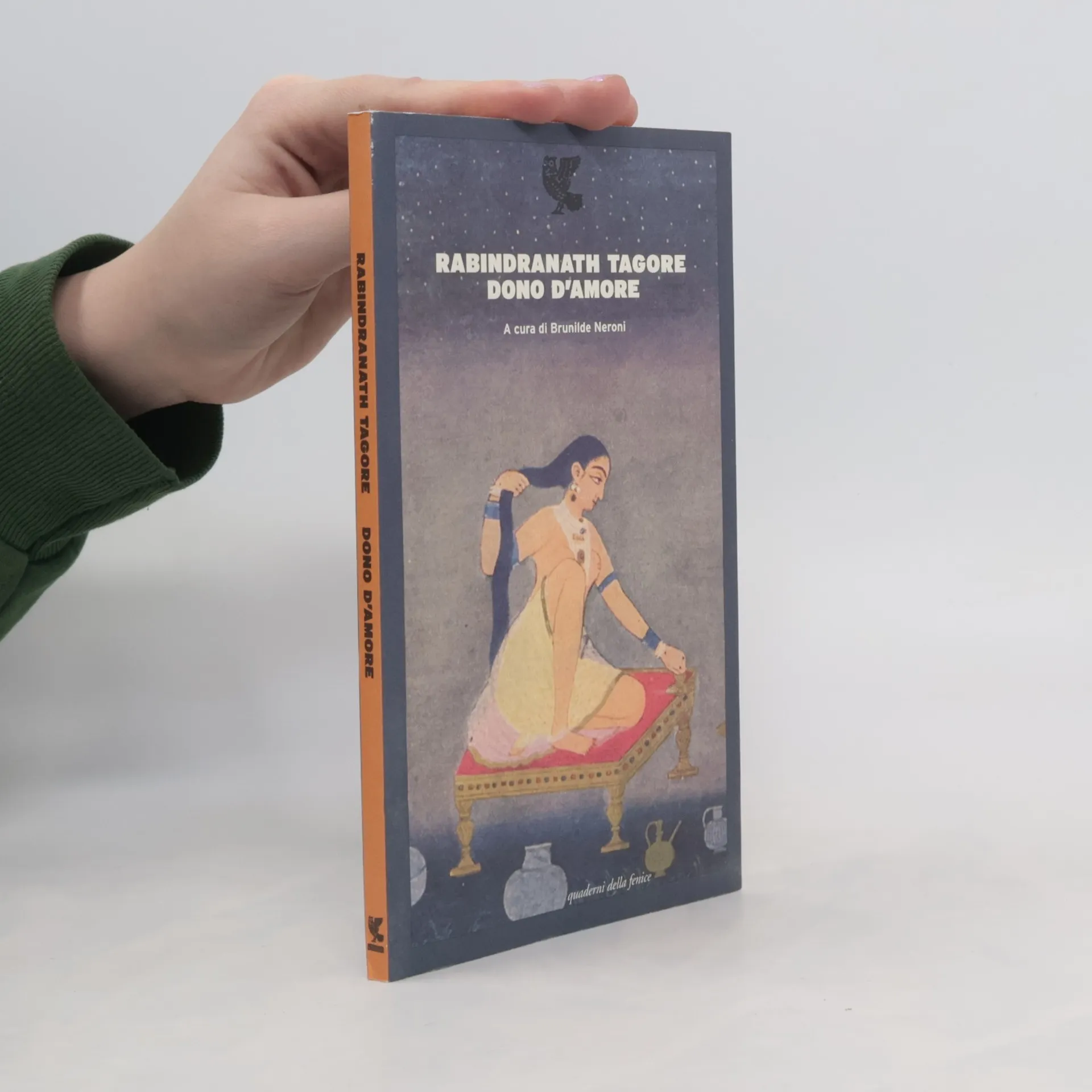
"Pubblicato nel 1917, Dono d’amore (Palataka) è una raccolta di sessanta poesie che completa il percorso iniziato da Rabindranath Tagore con Petali sulle ceneri (Pushpanjali). Scritte e continuamente rimaneggiate in un lungo periodo tra il 1885 e il 1915, in ricordo dei grandi affetti perduti ma che sopravvivono nella vita del poeta, queste liriche contengono, accanto ai temi ricorrenti di tutta la sua opera – l’amore, il dolore, la solitudine, la natura, l’incontro con Dio, il significato della vita e della morte –, un messaggio che oltrepassa il tempo: ogni aspetto della vita è dono, bisognerebbe goderne finché lo si riceve, senza mai perdere di vista la sua gratuità e la gioia che se ne ricava. Proprio perché gratuito e impetuoso, questo «dono d’amore » arriva come una visita notturna, conosce l’impazienza, i segreti, lo scrosciare del monsone, il desiderio e l’emozione del ritrovarsi. Si alternano, nei vari componimenti, indimenticabili paesaggi sul Gange, spiagge sabbiose su cui le tartarughe prendono il sole, rive alberate e ombrose per i boschetti di bambù, stanchi pomeriggi afosi in cui, alla ricerca dell’amata, si arriva alla convinzione che sia fuggita via «nel silenzio e nelle parole», irrimediabilmente perduta." Brunilde Neroni
Excerpt from Glimpses of Bengal: Selected From the Letters of Sir Rabindranath Tagore, 1885 to 1895:It so happened that selected extracts from a large number of such letters found their way back to me years after they had been written. It had been rightly conjectured that they would delight me by bringing to mind the memory of days when, under the shelter of obscurity, I enjoyed the greatest freedom my life has ever known.
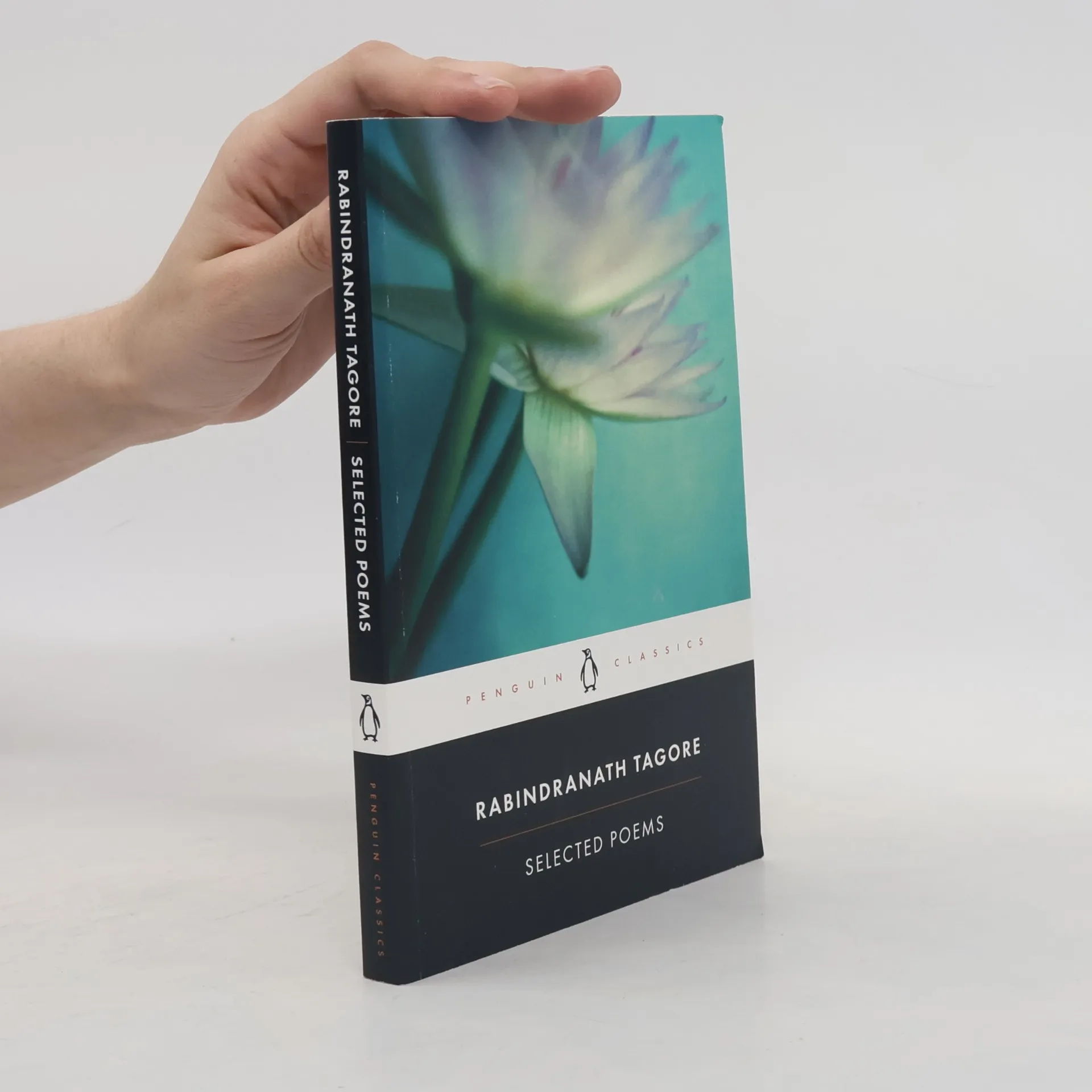
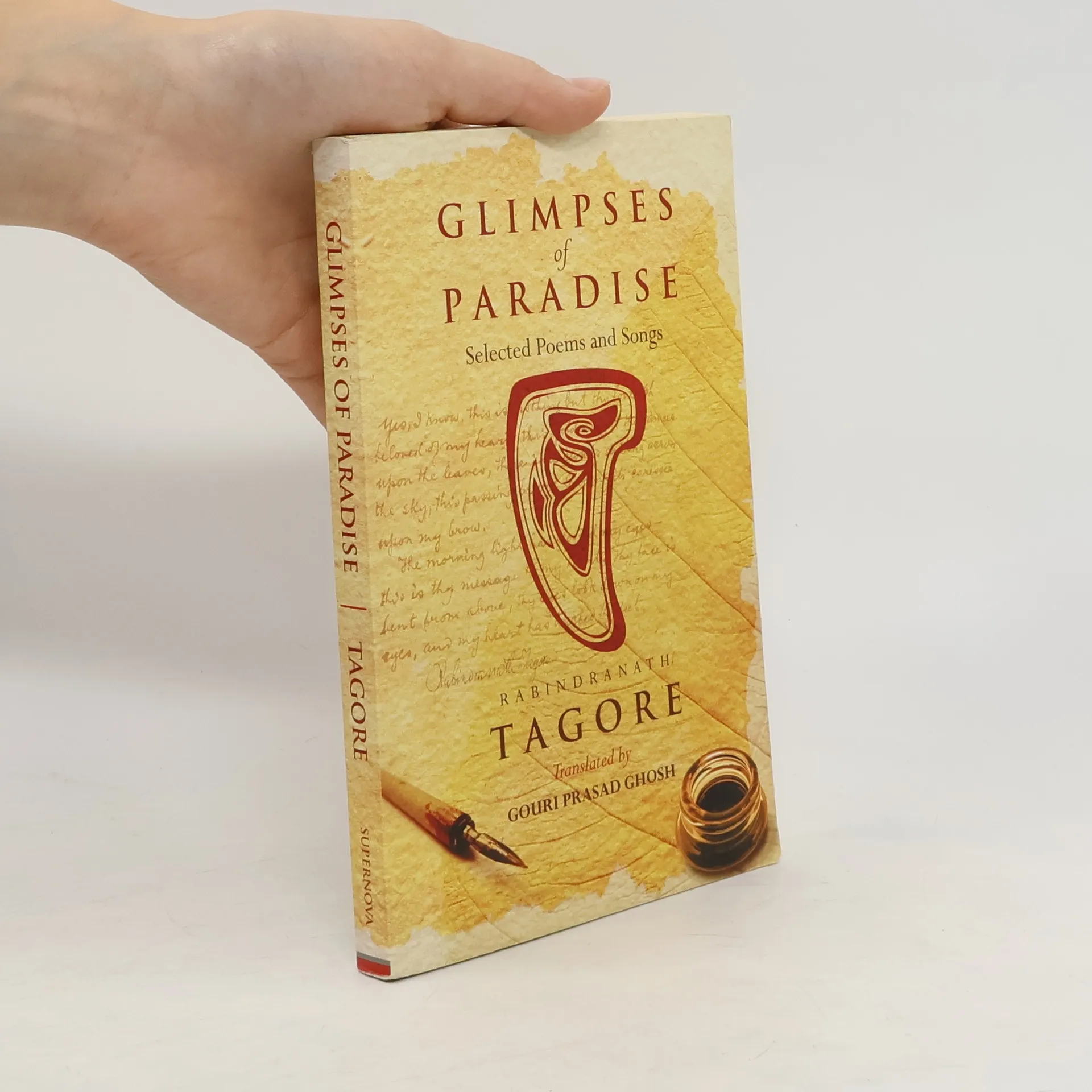
The poems of Rabindranath Tagore (1861-1941) are among the most haunting and tender in Indian and in world literature, expressing a profound and passionate human yearning. This title includes his poems such as Earth, In the Eyes of a Peacock, Recovery - 14, New Rain, and Grandfather's Holiday.
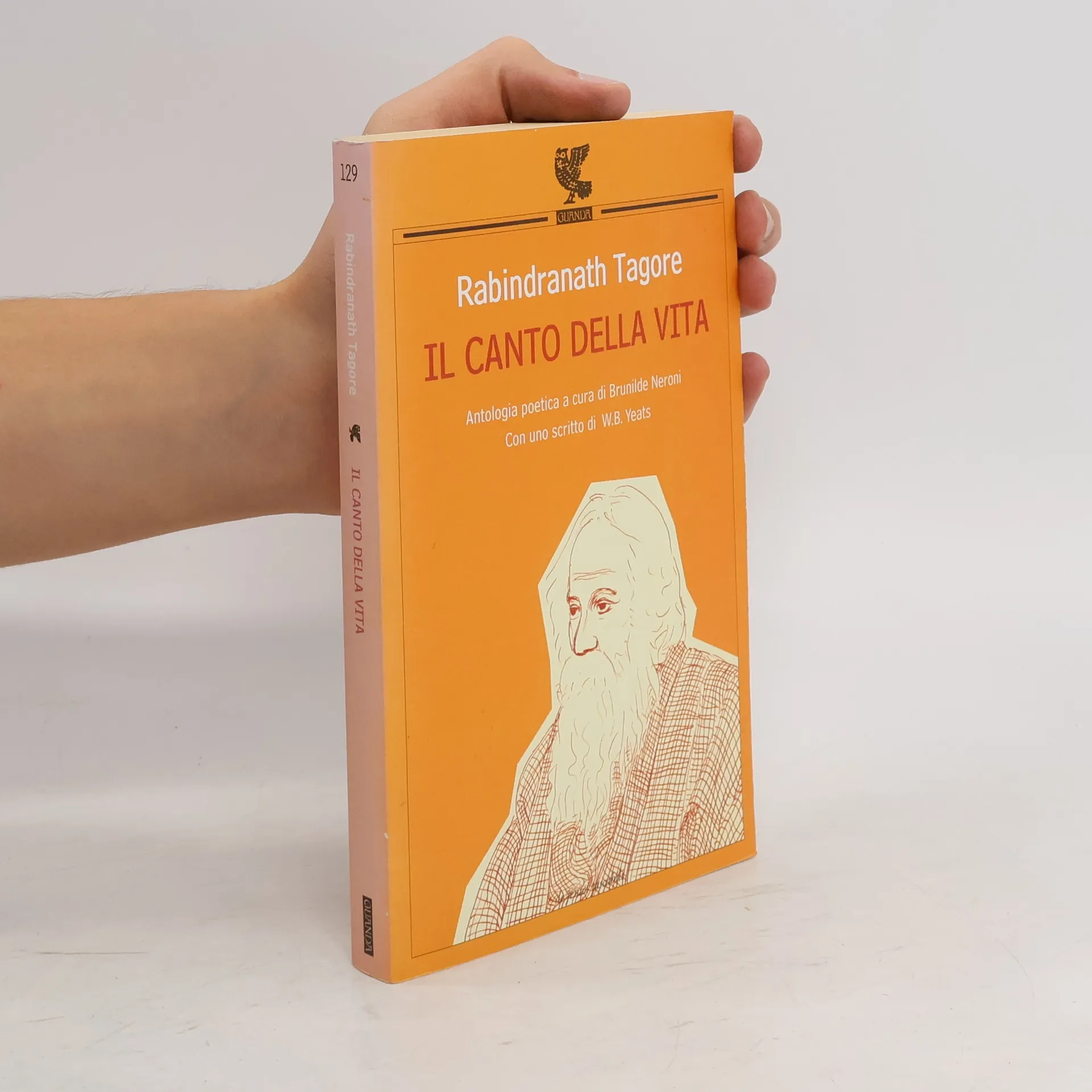
"Il canto della vita" è un'antologia che raccoglie i versi più significativi di Tagore composti sui temi a lui più cari: la vita, la morte, Dio, il dolore, la gioia. Il poeta celebra soprattutto l'amore, con sensibilità tutta orientale: una sintesi di amante e amato, vicina a Dio o identificabile con Dio stesso, un sentimento tormentoso e insieme vitale, che muove energie che investono la realtà intera e il cosmo. Come ha scritto W.B. Yeats, Tagore, al pari della civiltà indiana, ha realizzato la sua pienezza nello scoprire l'anima e nell'abbandonarsi alla sua spontaneità.
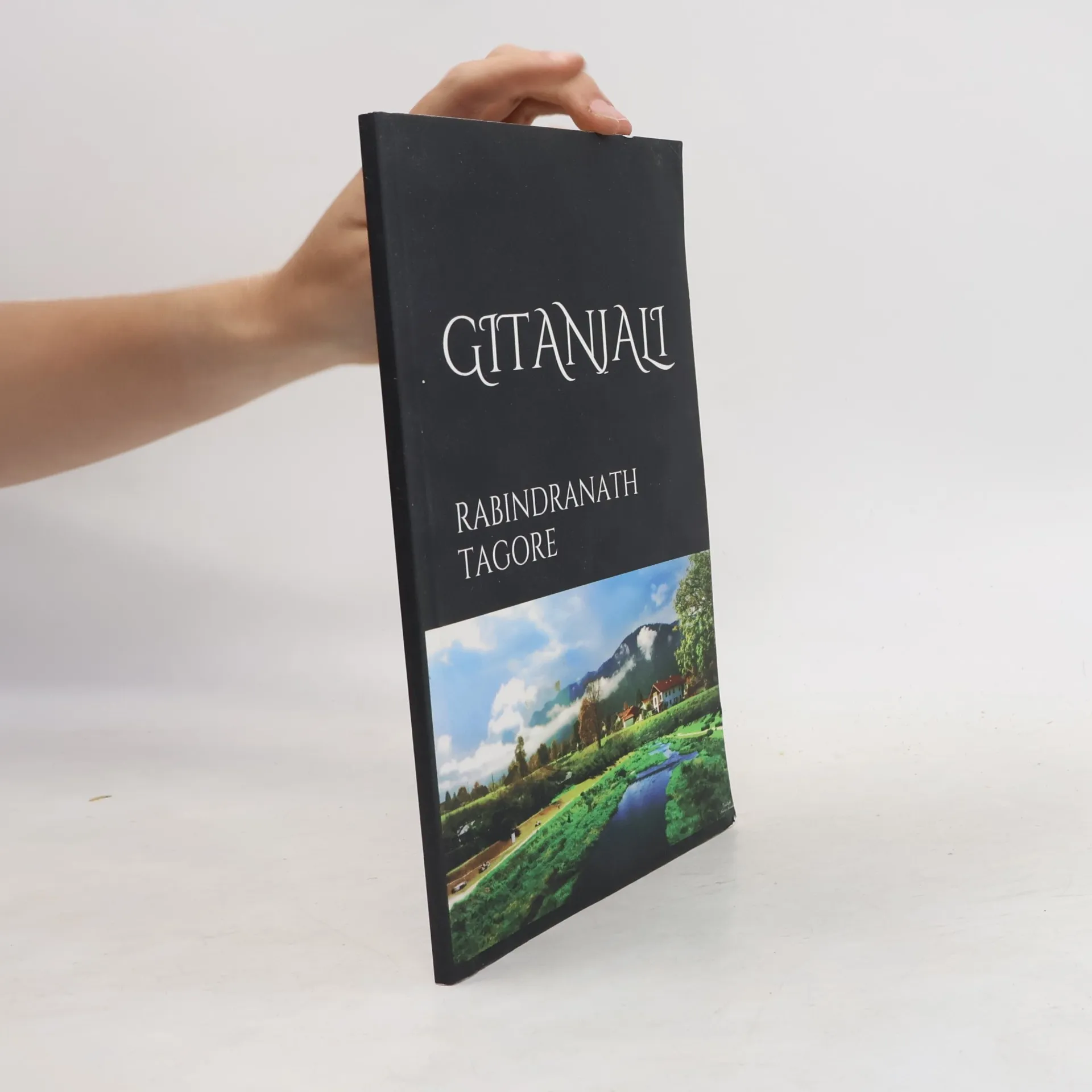
The Bengali poet Rabindranath Tagore (1861-1941) received the Nobel Prize for
Literature in 1913 primarily for Gitanjali, parts of which he had rendered
into the lucid, grave English prose of prayer. This title emulates the
grandeur and lightness of movement of these wonderful song-poems. schovat
popis
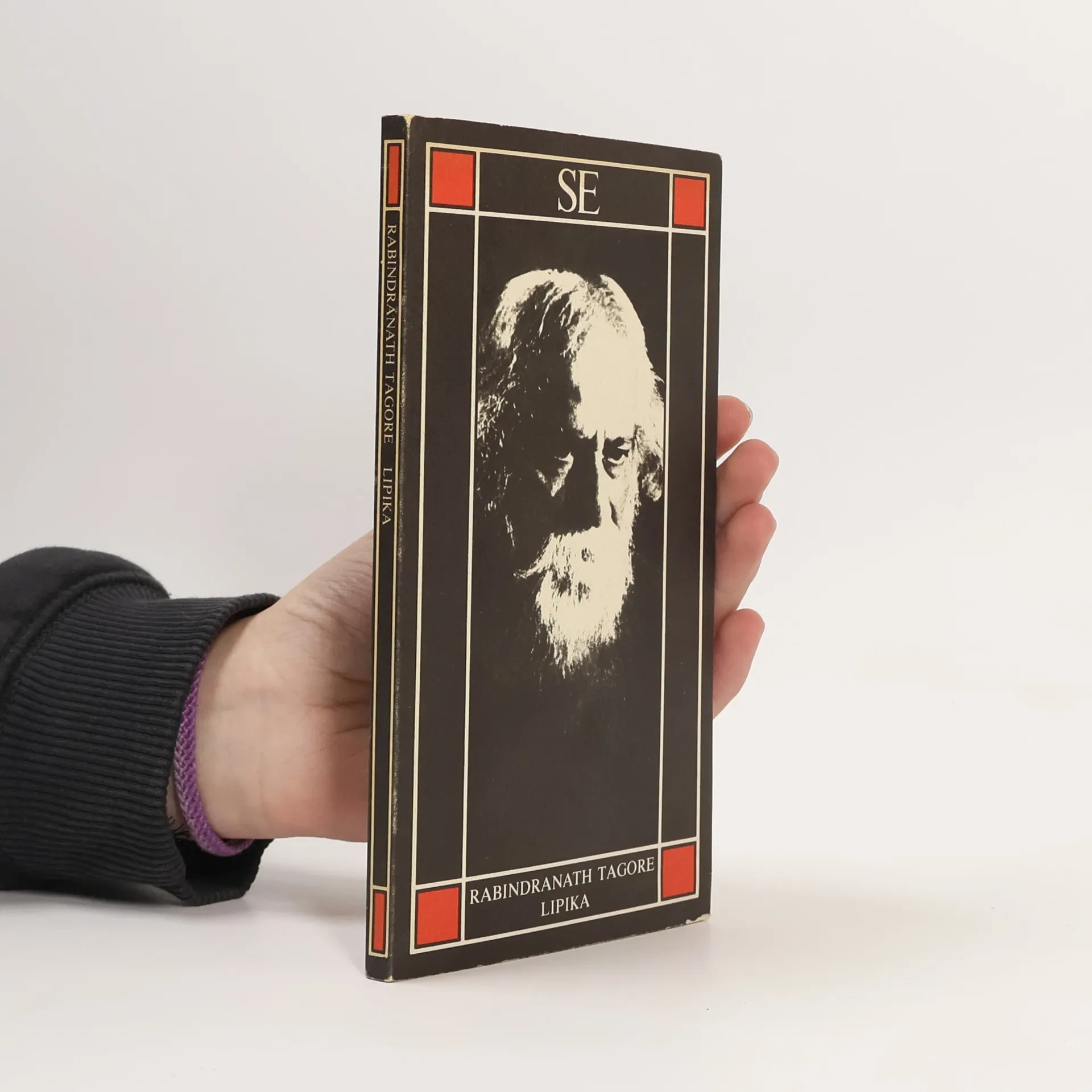
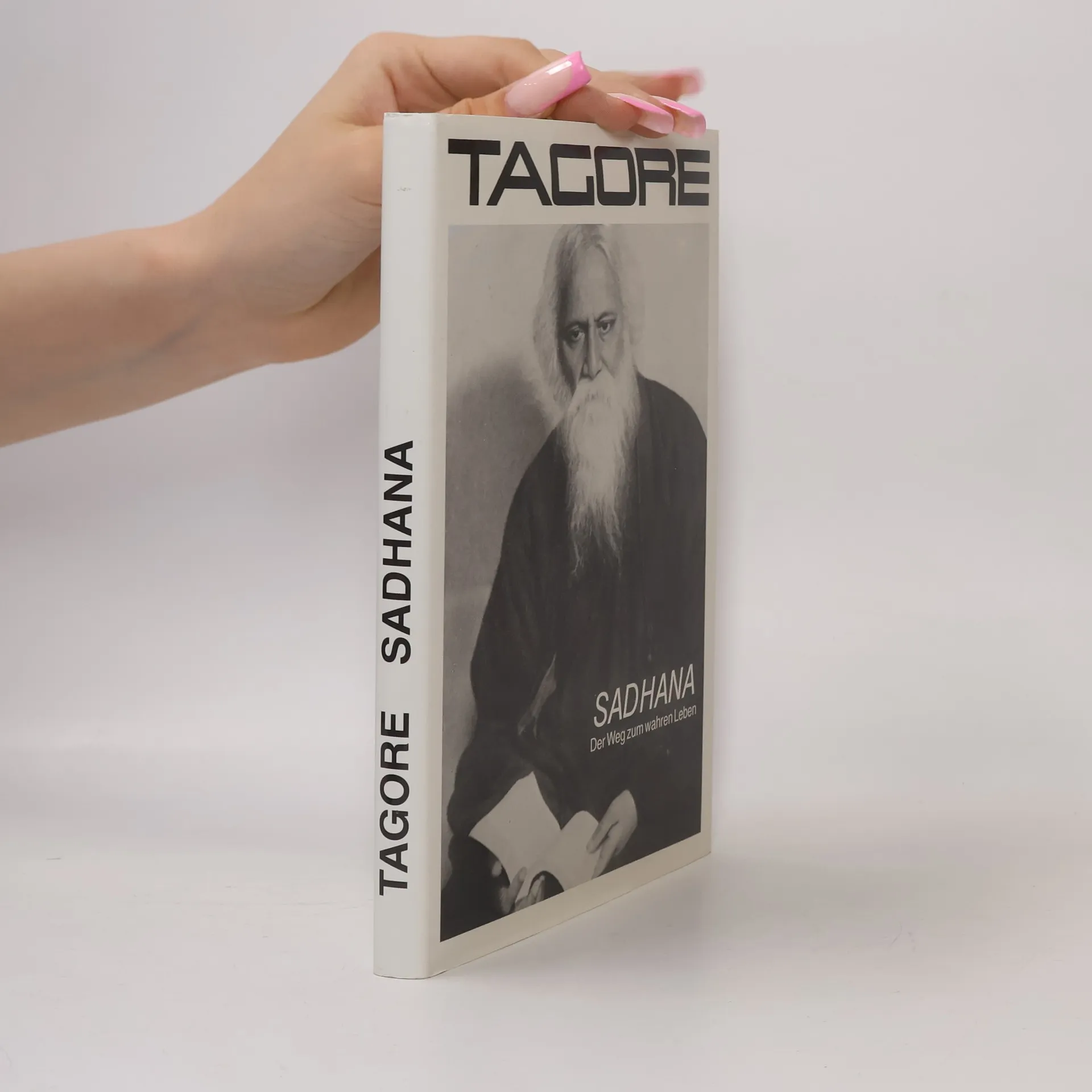
Renowned for reshaping Bengali literature and music, this influential figure was a poet, writer, composer, philosopher, and painter. His work, particularly the acclaimed Gitanjali, features deeply sensitive and beautiful verse, earning him the Nobel Prize in Literature in 1913 as the first non-European laureate. While his poetic songs are celebrated for their spiritual depth, his elegant prose and magical poetry remain lesser-known beyond Bengal. Often called "the Bard of Bengal," he played a pivotal role in the emergence of Contextual Modernism in Indian art.
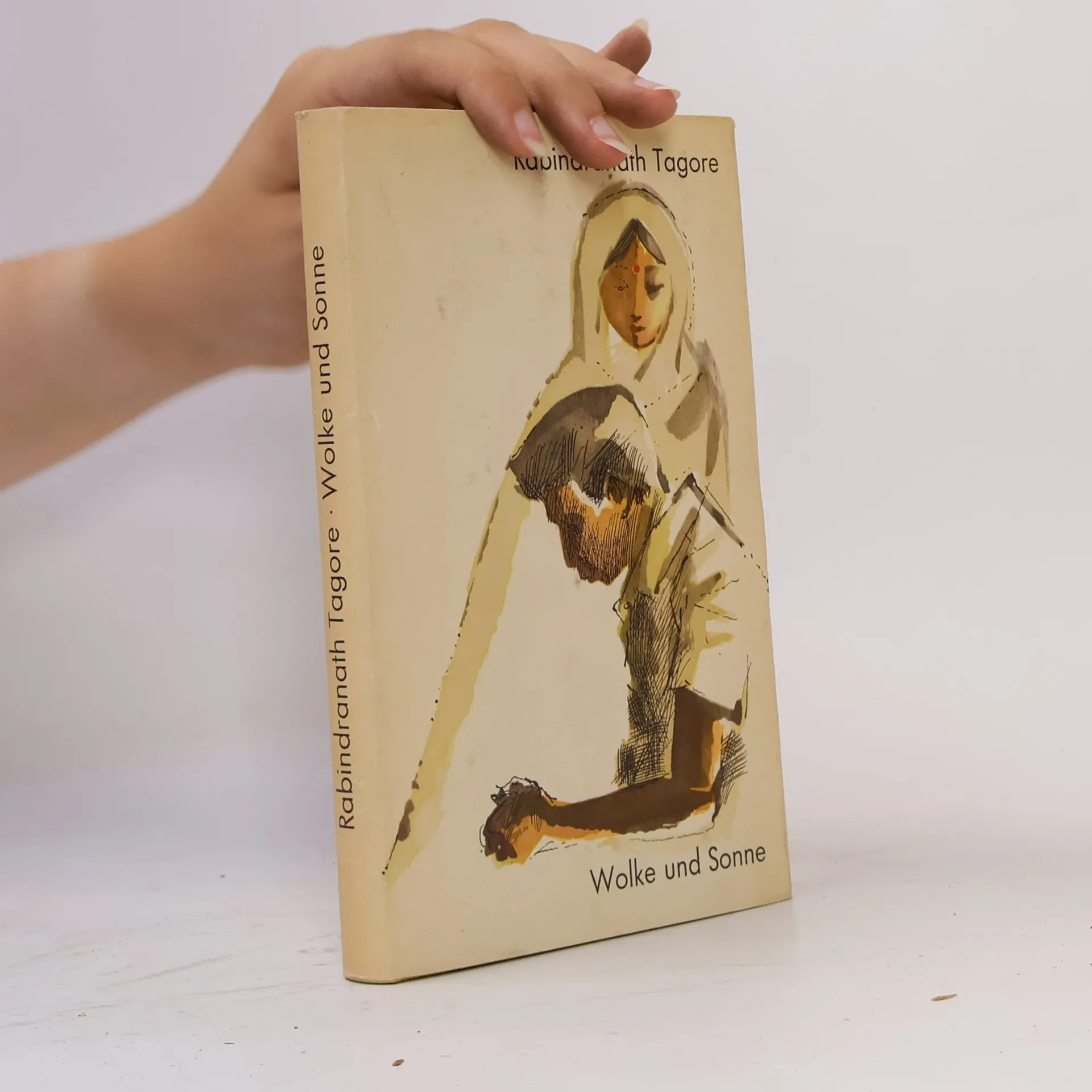
Poet, novelist, painter and musician, Rabindranath Tagore (1861-1941) is the grand master of Bengali culture. Written during the 1890s, the stories in this collection recreate vivid images of Bengali life and landscapes in their depiction of peasantry and gentry, casteism, corrupt officaldom and dehumanizing poverty.
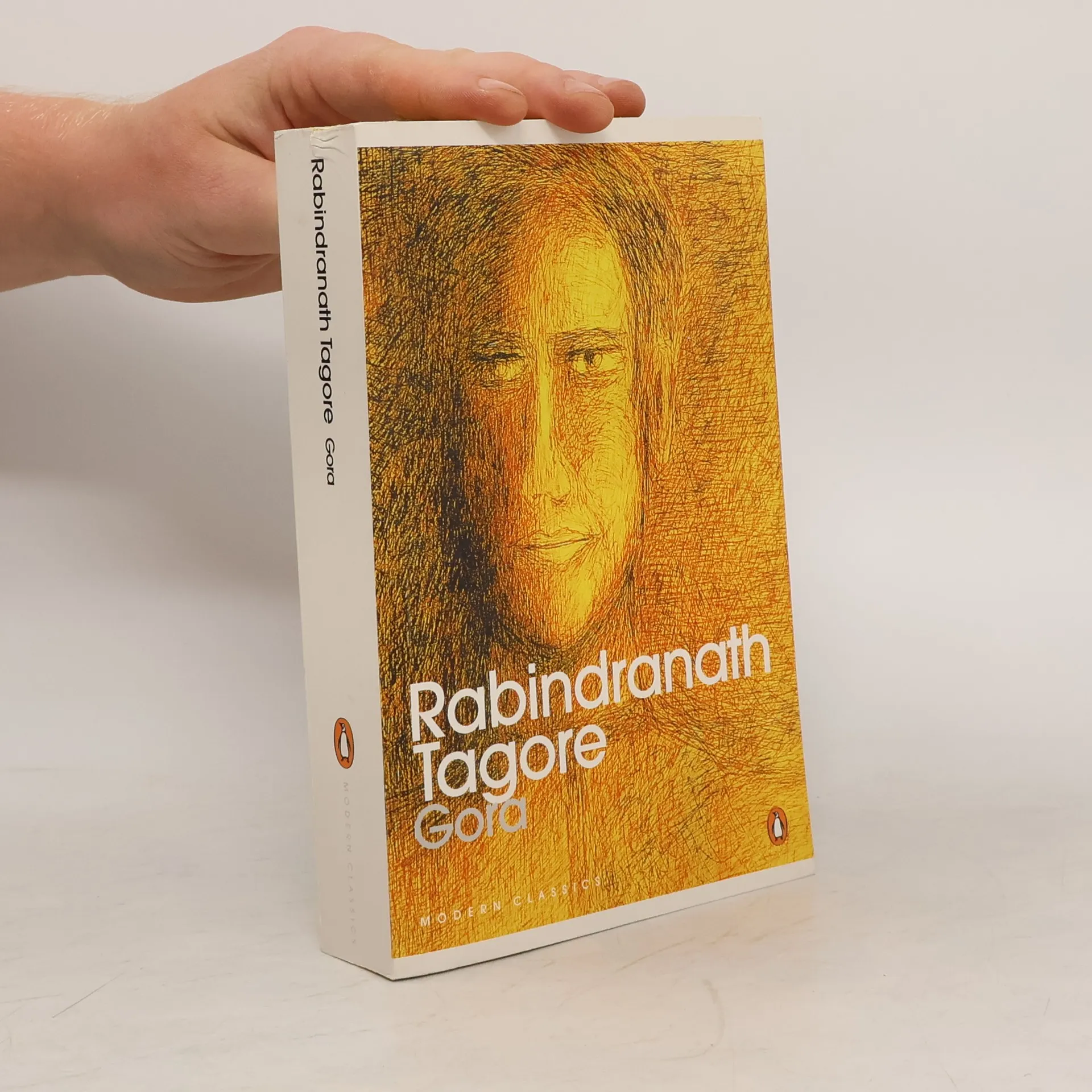
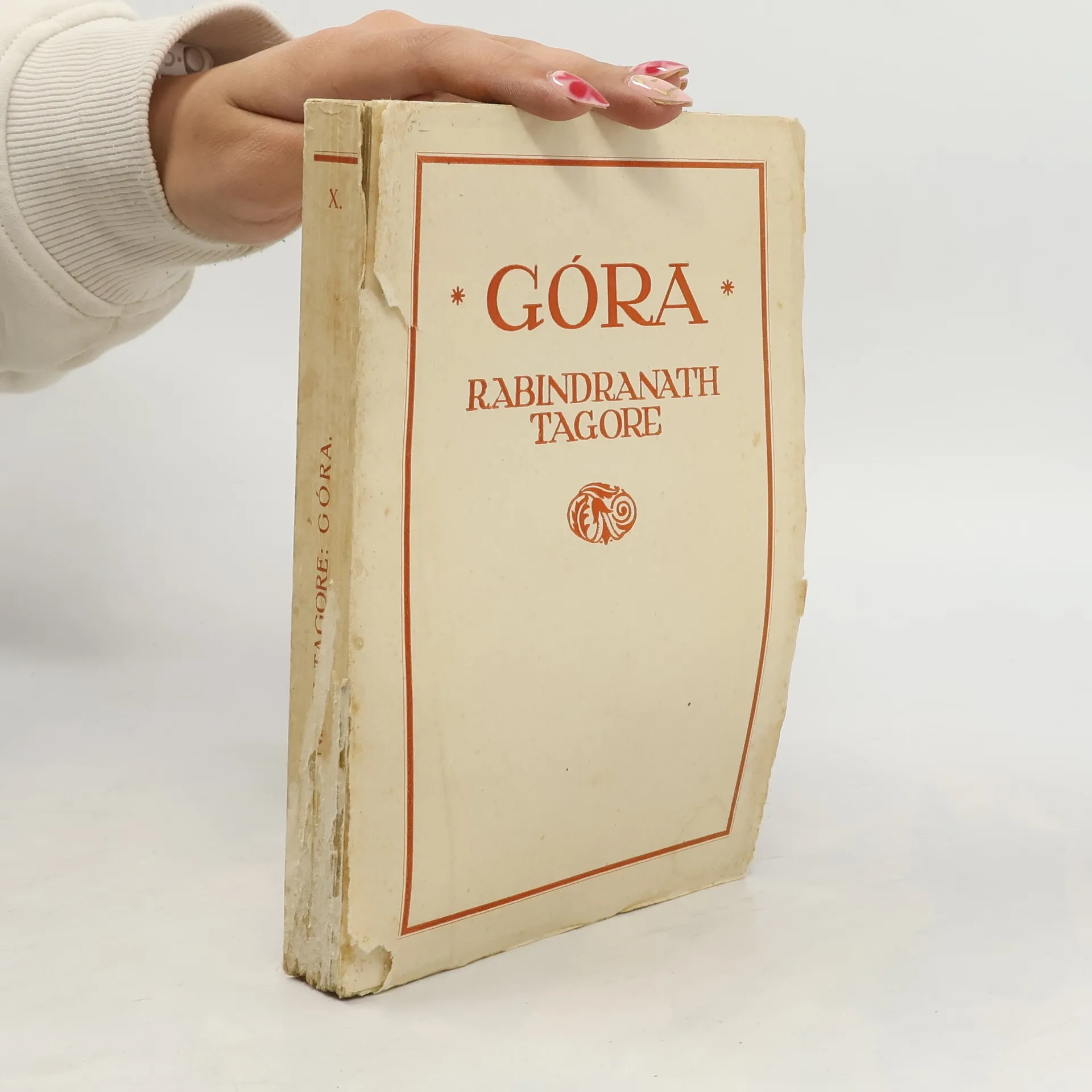
Nobel Prize-Winning Author Rabindranath Tagore&Rsquo;S Most Ambitious Work Gora Unfolds Against The Vast, Dynamic Backdrop Of Bengal Under British Rule, A Divided Society Struggling To Envisage An Emerging Nation. It Is An Epic Saga Of India&Rsquo;S Nationalist Awakening, Viewed Through The Eyes Of One Young Man, An Orthodox Hindu Who Defines Himself Against The British Colonialist Culture And Finds Himself Approaching His Nationalist Identity Through The Prism Of Organized Religion. First Published In 1907, Gora Questions The Dogmas And Presuppositions Inherent In Nationalist Thought Like Few Books Have Dared To Do. This New, Lucid And Vibrant Translation Brings The Complete And Unabridged Text Of The Classic To A New Generation Of Readers, Underlining Its Contemporary Relevance.