

Bookbot

Frédéric Deloffre

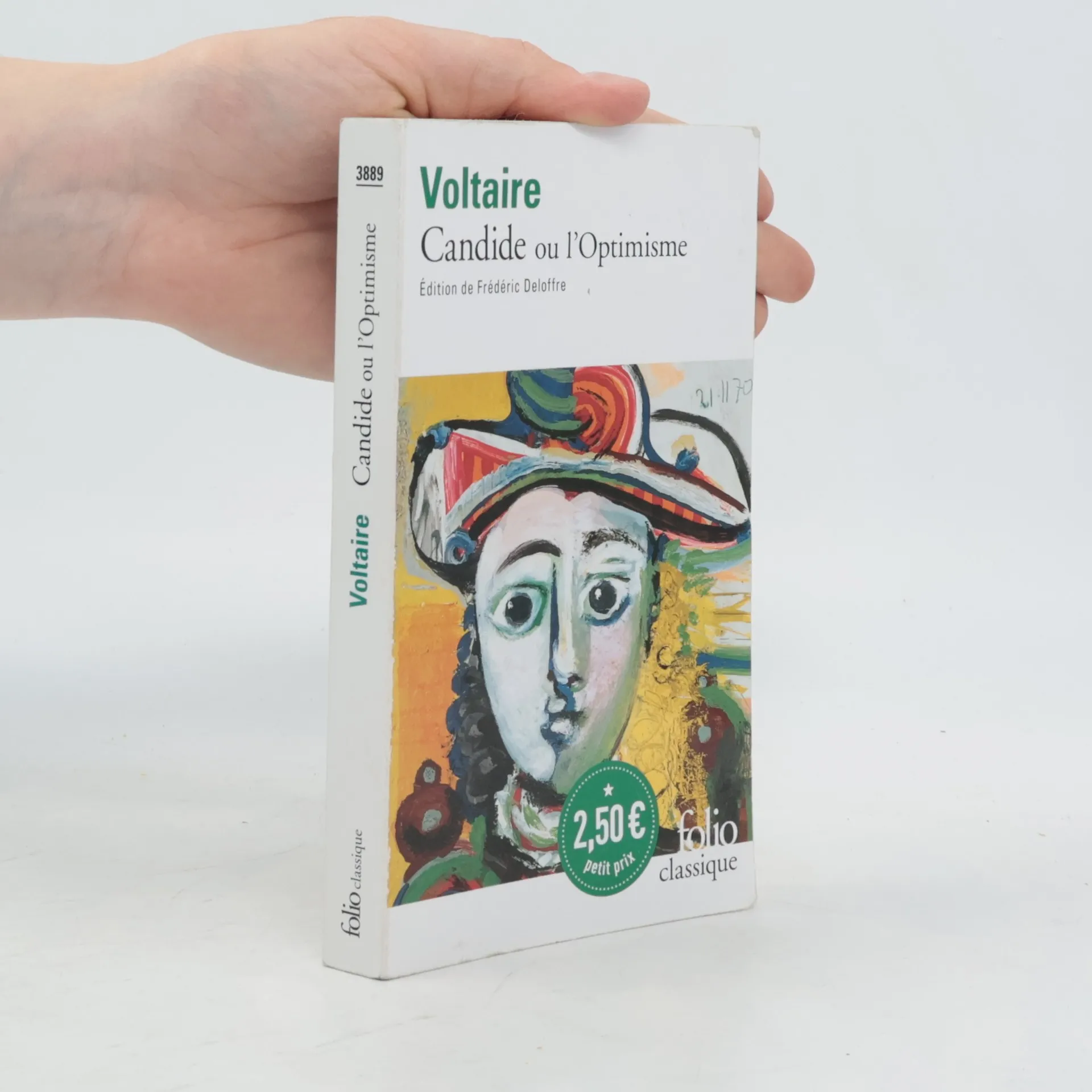
    Folio classique: Candide ou l'Optimisme
    Le Paysan parvenu
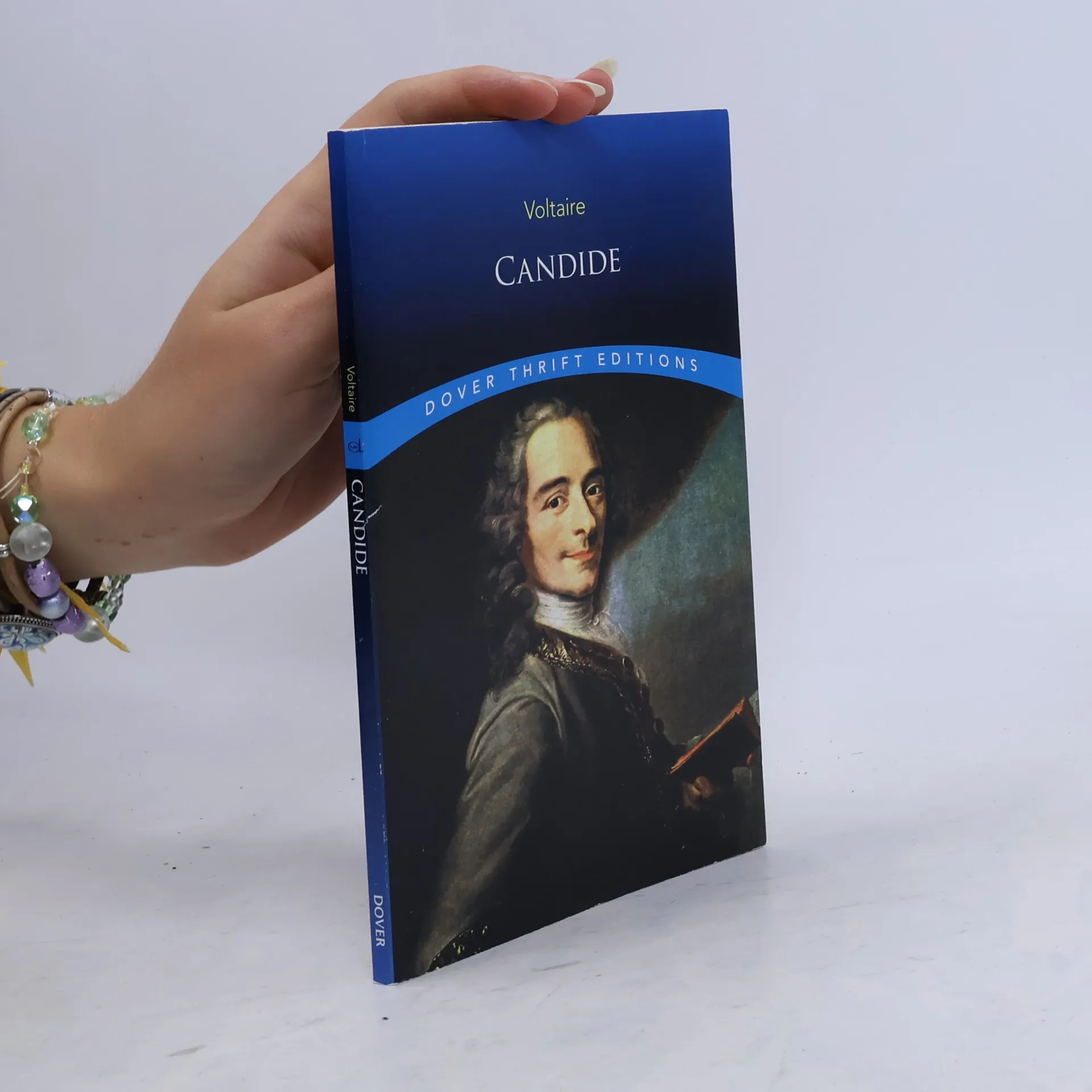
    Candide
    Zadig and Other Stories
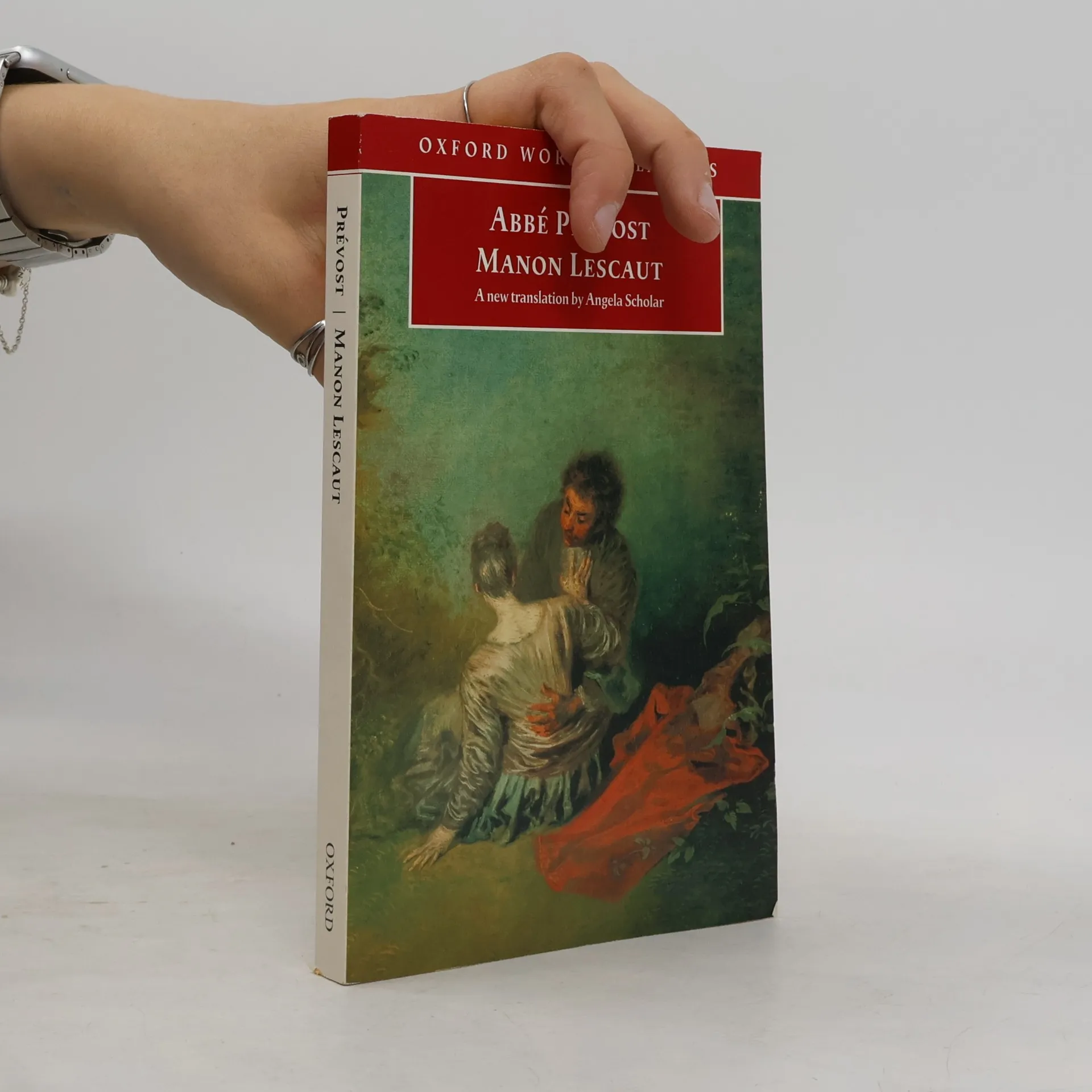
    Manon Lescaut: A New Translation by Angela Scholar
    • The sweetness of her glance, or rather my evil star already in its ascendant and drawing me to my ruin, did not allow me to hesitate for a moment." So begins the story of Manon Lescaut, a tale of passion and betrayal, of delinquency and misalliance, which moves from early eighteenth-century Paris--with its theatres, assemblies, and gaming-houses-via prison and deportation to a tragic denouement in the treeless wastes of Louisiana. It is one of the great love stories, and also one of the most enigmatic: how reliable a witness is Des Grieux, Manon's lover, whose tale he narrates? Is Manon a thief and a whore, the image of love itself, or a thoroughly modern woman? Prevost is careful to leave the ambiguities unresolved, and to lay bare the disorders of passion. This new translation includes the vignette and eight illustrations that were approved by Prevost and first published in the edition of 1753.

      Manon Lescaut: A New Translation by Angela Scholar
      4,3
    • Zadig and Other Stories

      • 128 stron
      • 5 godzin czytania

      In the title tale of this original collection, Voltaire addresses the social and political problems of his own day in an ancient Babylonian setting. "Zadig" challenges 18th-century religious orthodoxy by portraying life's vicissitudes as the product of destiny rather than individual choices. Additional selections of the Enlightenment philosopher's short fiction include "Micromegas," "The World As It Is," "Jeannot and Colin," and other stories.

      Zadig and Other Stories
      4,0
    • Caustic and hilarious, Candide has ranked as one of the world's great satires since its first publication in 1759. It concerns the adventures of the youthful Candide, disciple of Dr. Pangloss, who was himself a disciple of Leibniz. In the course of his travels and adventures in Europe and South America, Candide saw and suffered such misfortune that it was difficult for him to believe this was "the best of all possible worlds" as Dr. Pangloss had assured him. Indeed, it seemed to be quite the opposite. In brilliantly skewering such naïveté, Voltaire mercilessly exposes and satirizes romance, science, philosophy, religion, and government — the ideas and forces that permeate and control the lives of men. After many trials and travails, Candide is reunited with Cunegonde, his sweetheart. He then buys a little farm in Turkey where he and Cunegonde, Dr. Pangloss and others all retire. In the end, Candide decides that the best thing in the world is to cultivate one's own garden. A selection of the Common Core State Standards Initiative.

      Candide
      3,7
    • Folio classique: Candide ou l'Optimisme

      Édition de Frédéric Deloffre

      • 261 stron
      • 10 godzin czytania

      On sait tout de Candide, sauf une chose : quel rapport l'auteur avait-il avec ses personnages ? Les a-t-il imaginés ou connus ? A-t-il partagé certaines de leurs aventures ? Est-il caché dans un coin du roman pour les observer ? Ce regard que Voltaire pouvait porter de l'intérieur sur sa création, c'est justement celui qu'au-delà des connaissances acquises, on a eu l'audace de tenter de porter sur Candide. Cette édition change l'interprétation du plus étudié, mais aussi de plus secret des contes voltairiens. Il s'y présente de façon nouvelle. Ce n'est plus seulement, comme on l'a dit, un «catalogue de tous les malheurs humains», mis au service d'une campagne «philosophique» contre la doctrine de la providence. C'est, dans sa genèse et dans sa structure, un voyage sentimental au pays de la mémoire.

      Folio classique: Candide ou l'Optimisme