

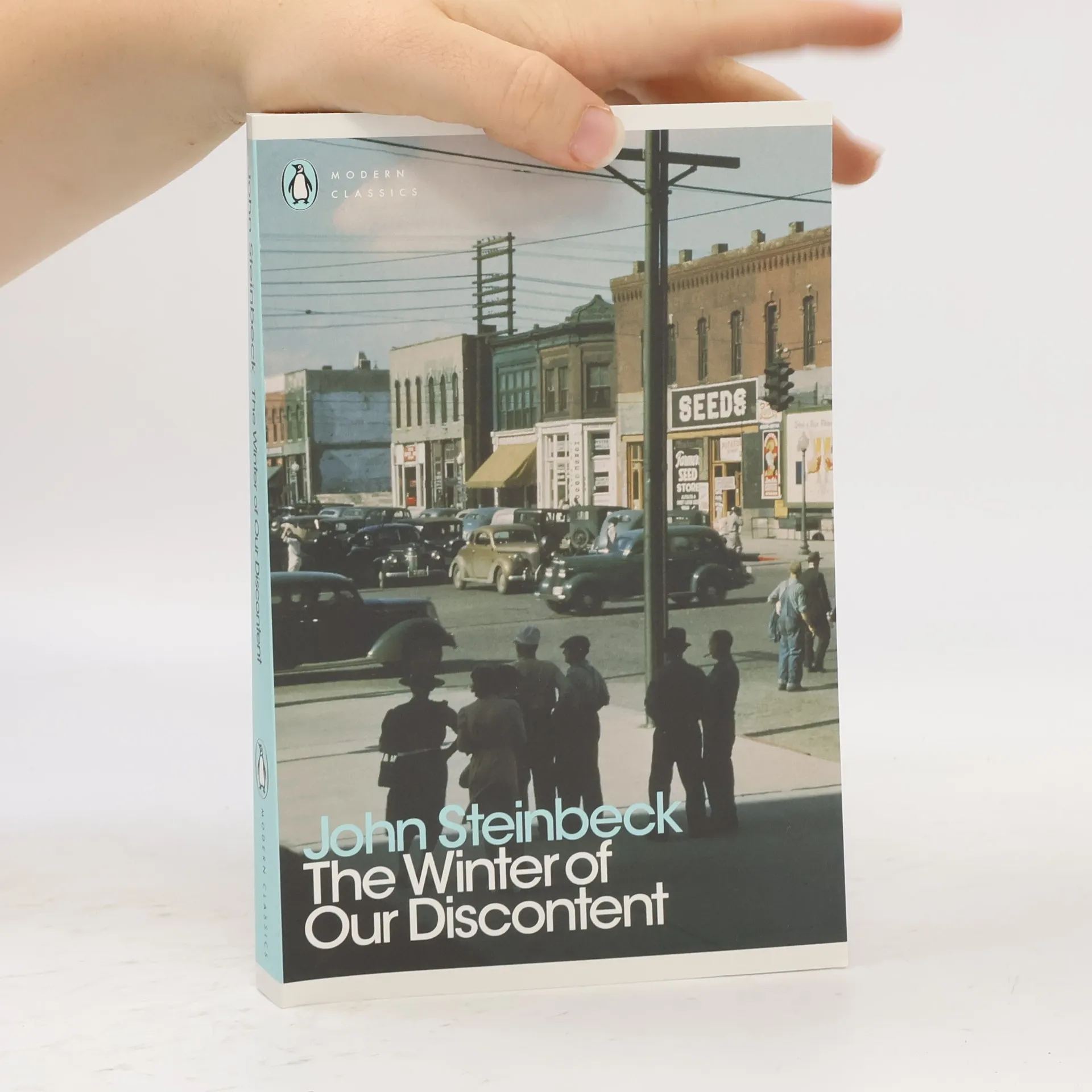
Ethan Allen Hawley has lost the acquisitive spirit of his wealthy and enterprising forebears, a long line of proud New England sea captains and Pilgrims. Scarred by failure, Ethan works as a grocery clerk in a store his family once owned. But his wife is restless and his teenage children troubled and hungry for the material comforts he cannot provide. Then a series of unusual events reignites Ethan's ambition, and he is pitched on to a bold course, where all scruples are put aside. Steinbeck's searing examination of the evil influences of money, immorality, greed and ambition on America drew acclaim from the Nobel Committee who hailed him as an 'independent expounder of the truth'. schovat popis
Luciano Bianciardi Książki
La vita agra
- 199 stron
- 7 godzin czytania
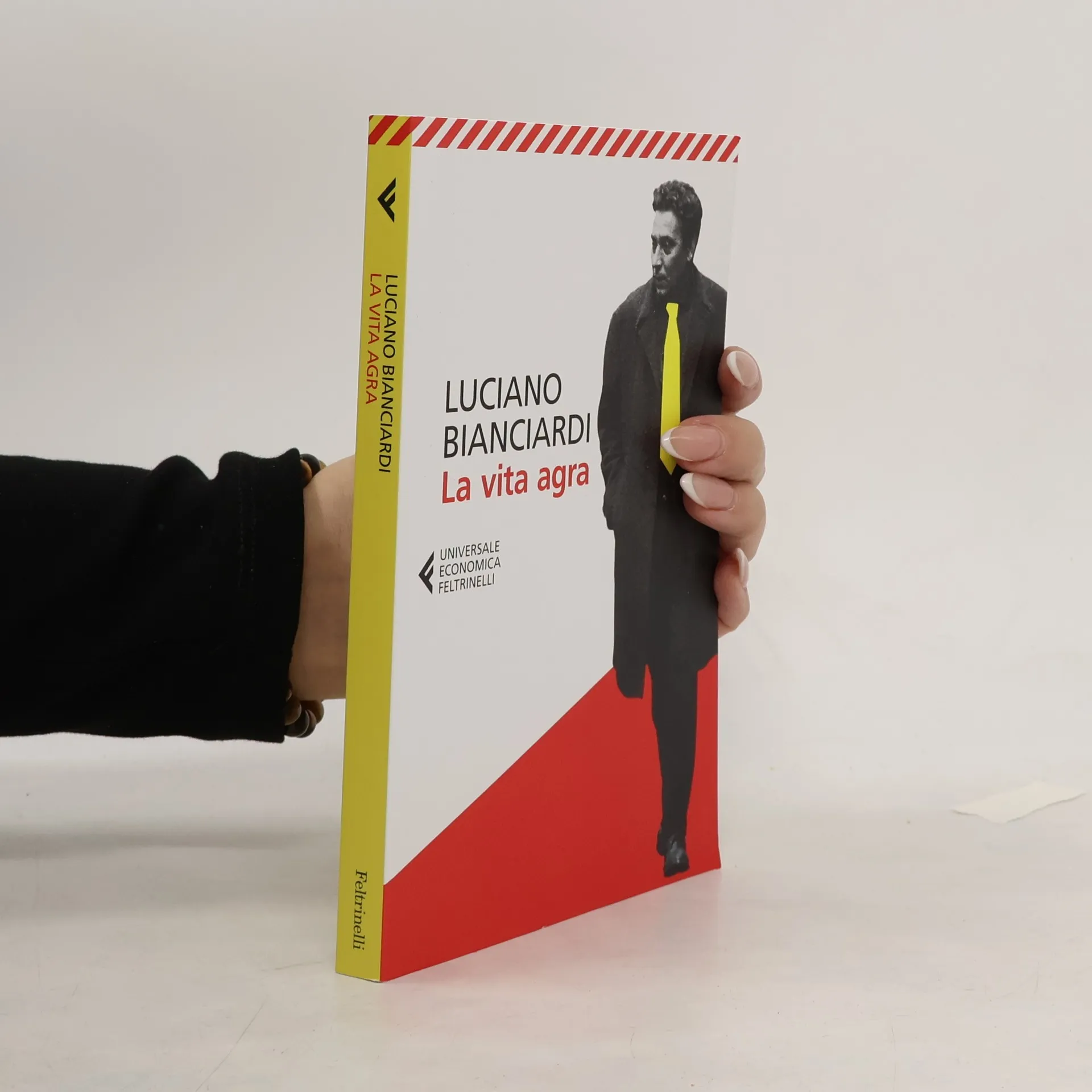
La vita agra segnò per Luciano Bianciardi il momento dell’autentico successo - un successo che non tardò a fare entrare in sofferenza un intelletto indipendente come il suo. Il romanzo, ampiamente autobiografico, vede il protagonista lasciare la provincia e con essa la moglie e il figlioletto per andare a vivere a Milano. L’intento iniziale è far saltare un grattacielo, per vendicare i minatori morti in un incidente causato dalla scarsa sicurezza sul lavoro (il riferimento è all’incidente alla miniera di Ribolla del 1954, in cui persero la vita quarantatré minatori). Ma il protagonista vive in perenne bilico fra voglia di far esplodere il sistema e desiderio di esserne riconosciuto… A cinquant’anni dalla prima pubblicazione nel 1962, La vita agra resta un incomparabile sguardo sulle conseguenze umane e sociali del boom economico italiano, ricco di una scrittura irrequieta, precisa, impossibile da imbrigliare. Al romanzo si ispirò il celebre film La vita agra di Carlo Lizzani, con Ugo Tognazzi che interpretava il Bianciardi/protagonista.
Zwrotnik Koziorożca
- 389 stron
- 14 godzin czytania
Zwrotnik Koziorożca jest trzecią częścią cyklu obejmującego także Zwrotnik Raka i Czarną wiosnę. Książka ukazała się u progu drugiej wojny światowej, w 1939 roku, przez co jej proces wtapiania się w kulturę literacką XX wieku został opóźniony. Odegrała jednak decydującą rolę w uchyleniu cenzuralnego zakazu wwożenia do USA książek Millera; dowodziła w sposób niezaprzeczalny wysokiej wartości literackiej całego cyklu. Dzieło osnute jest na kanwie nowojorskiej egzystencji początkującego pisarza, udręczonego niezrozumieniem i kompletną obojętnością, poszukującego ratunku w miłosnym upojeniu. Żar erotycznego uniesienia, ukazanego w pełnej psychofizycznej i fizjologicznej skali, z niczym nie krępowaną otwartością opisową, językiem najdosłowniej niecenzuralnym, bo wolnym od wszelkich ograniczeń i zakazów, jest i najczystszej próby sztuką, i prawdziwą katharsis - oczyszczeniem tego żywiołu z brudów zakłamania.
Zwrotnik Raka
- 333 strony
- 12 godzin czytania
Now hailed as an American classic, Tropic of Cancer , Henry Miller’s masterpiece, was banned as obscene in this country for twenty-seven years after its first publication in Paris in 1934. Only a historic court ruling that changed American censorship standards, ushering in a new era of freedom and frankness in modern literature, permitted the publication of this first volume of Miller’s famed mixture of memoir and fiction, which chronicles with unapologetic gusto the bawdy adventures of a young expatriate writer, his friends, and the characters they meet in Paris in the 1930s. Tropic of Cancer is now considered, as Norman Mailer said, "one of the ten or twenty great novels of our century."