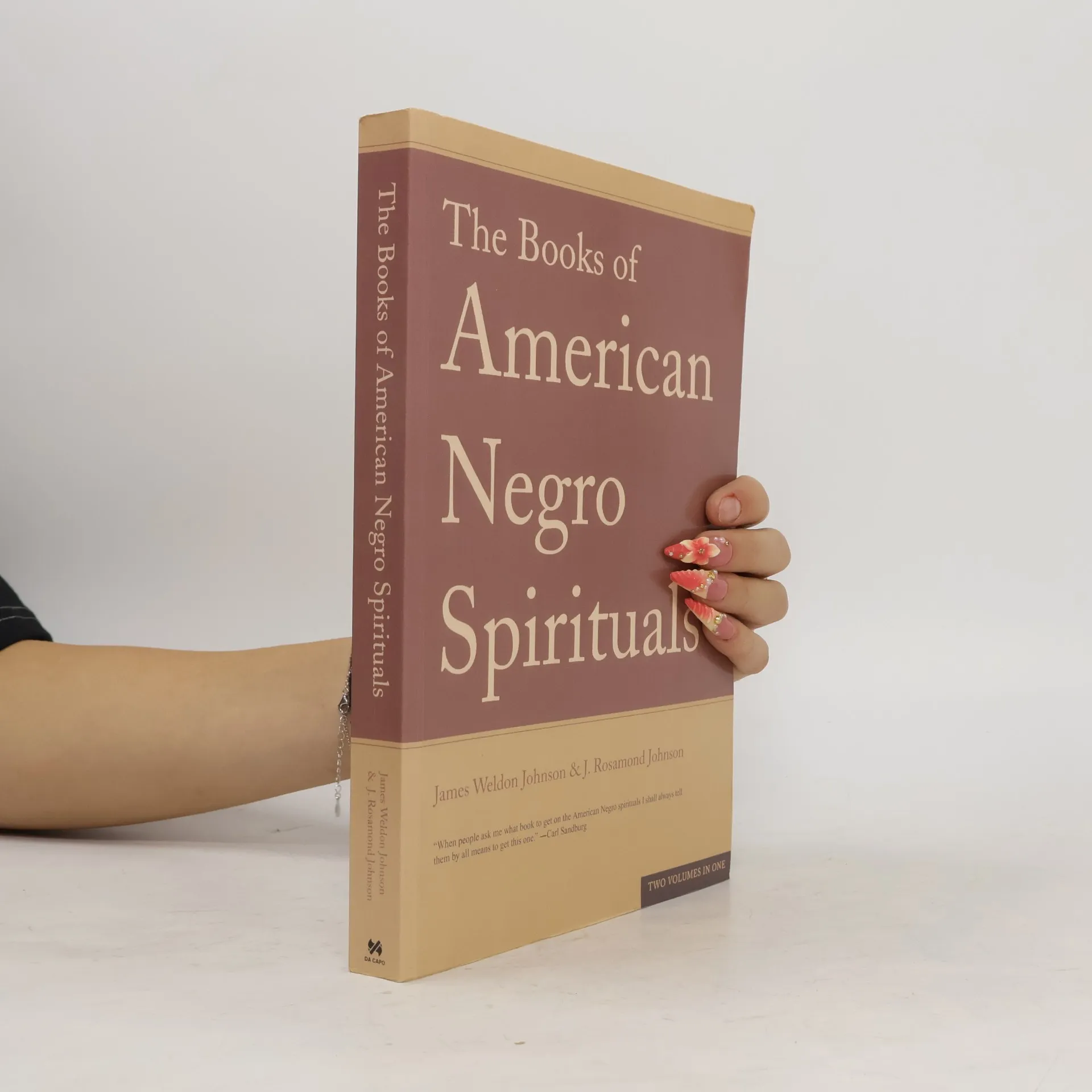
In two elegant and masterly prefaces, James Weldon Johnson discusses the origin and history of more than 120 of the most significant spirituals known. Favorites like "Swing Low Sweet Chariot," "Deep River," and "Go Down, Moses" are arranged for voice and piano by his brother, J. Rosamond Johnson, and considered within their African tradition.
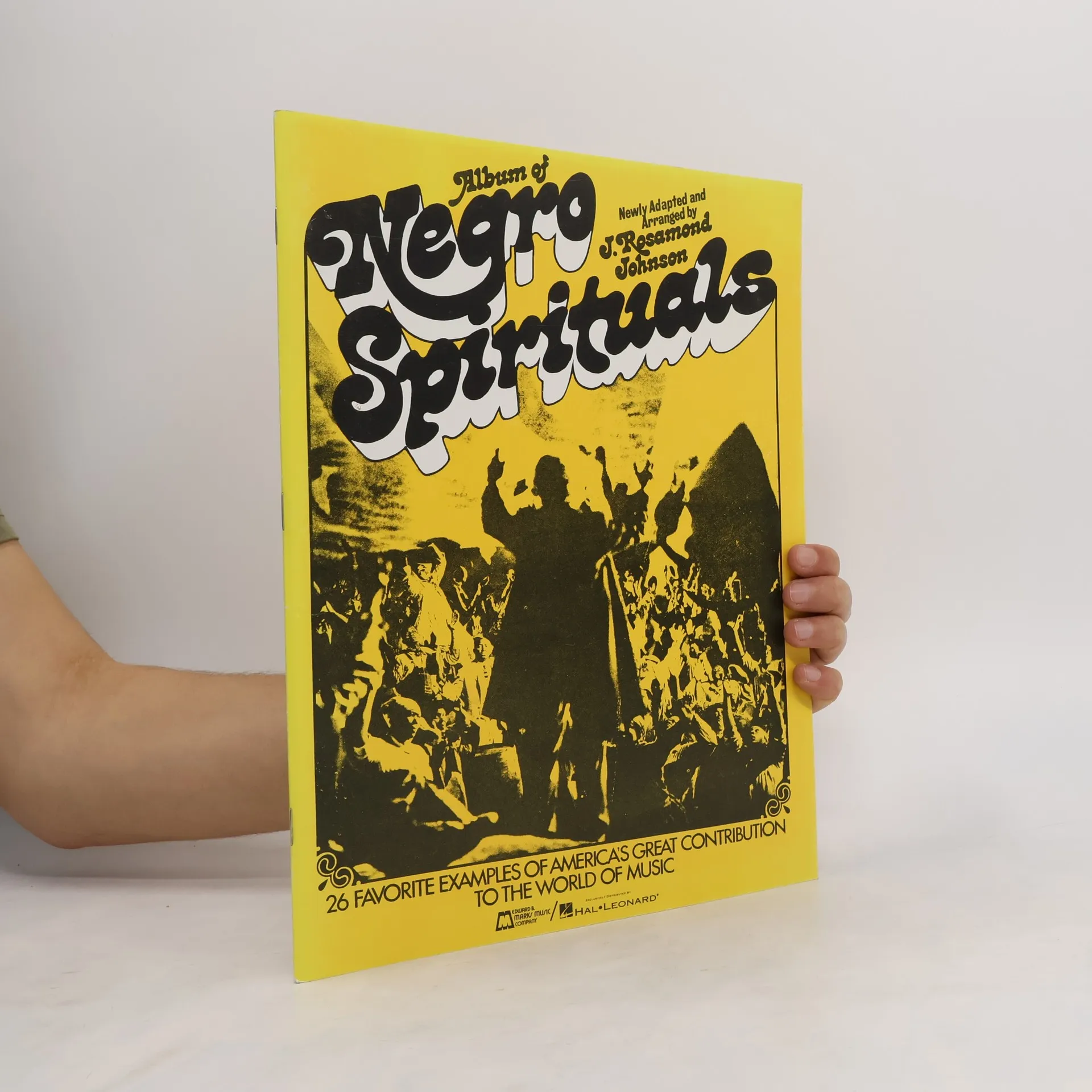
(Piano/Vocal/Guitar Songbook). Album Of Negro Spirituals Newly adapted and arranged by J. Rosamond Johnson. 26 favorite examples of America's great contribution to the world of music.
The Triumph Bonneville, known as "the best motorcycle in the world," holds a legendary status, with the Meriden factory being a pilgrimage site for fans and celebrities like Steve McQueen. However, just as it was poised for a record sales season, the BSA parent company collapsed, prompting the formation of Norton-Villiers-Triumph and the controversial decision to close Meriden. In response, the workers locked out the new owners, leading to intense political negotiations influenced by shifting government policies, economic conditions, and the persistent global demand for Triumph motorcycles. This narrative intertwines sociopolitical changes with the economic turmoil faced by Triumph and the UK. John Rosamond, a socialist and key figure in the workers' co-operative, provides a unique perspective as he transitioned from worker to chairman, highlighting the deep passion of employees, customers, and dealers for the brand. Despite these struggles, the Bonneville became the best-selling motorcycle in its class and won the Motor Cycle News Motorcycle of the Year award in the late seventies. Yet, within a few years, both Meriden and the Bonneville faded away. The account details the failed rescue attempts, negotiations with the Thatcher government, and the introduction of new models aimed at attracting potential investors, all illustrated with rare photographs from the workers' collections, making this a definitive history of Triumph's