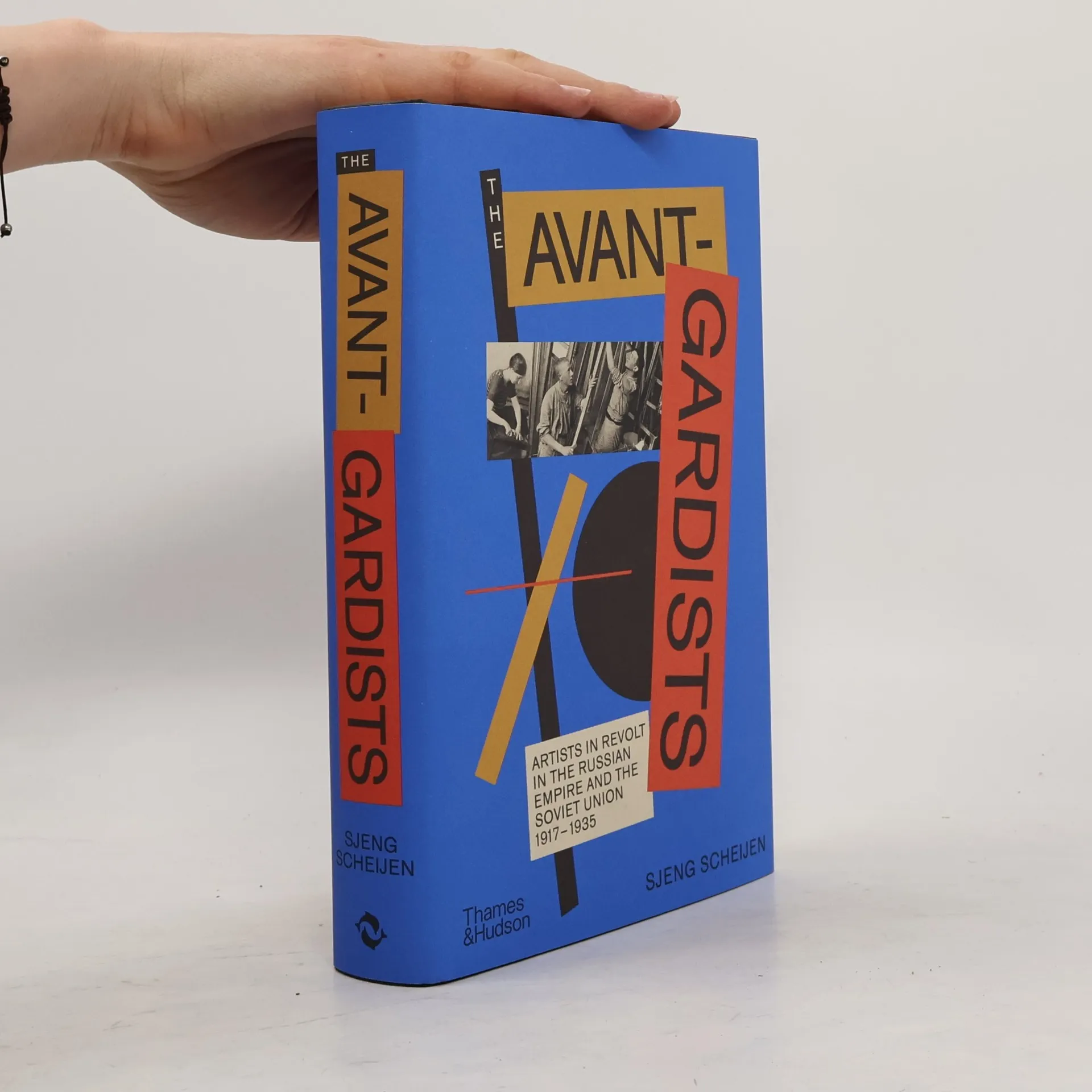
Artists in Revolt in the Russian Empire and the Soviet Union 1917-1935
504 strony
18 godzin czytania
A fascinating narrative biography of the Russian avant-garde art movement that transformed the modern world, tracing the lives and activities of the key protagonists as they set about a revolution in art.
During the 1950s, when the Cold War was at its peak, two immensely powerful
brothers led the US into a series of foreign adventures whose effects are
still shaking the world. In this book, the story of John Foster Dulles and
Allen Dulles is the story of America. It illuminates and helps explain the
modern history of the US and the world.
Najnowsza książka autora światowego bestsellera Więźniowie geografii W swojej
poprzedniej książce Tim Marshall przekonał czytelników, że żeby zrozumieć, co
się dzieje na świecie, trzeba spojrzeć na mapę. I chociaż od czasu jej
premiery geografia się nie zmieniła, uległ zmianom nasz świat. Tym razem
Marshall próbuje zajrzeć w przyszłość i analizuje dziesięć regionów, które
będą kształtować globalną politykę. Są to: Australia, Iran, Arabia Saudyjska,
Wielka Brytania, Grecja, Turcja, Sahel, Etiopia, Hiszpania oraz… kosmos. Z tej
niezwykłej książki dowiesz się, dlaczego kryzys w Sahelu może wkrótce
doprowadzić do kolejnej fali uchodźców do Europy; dlaczego kraje Bliskiego
Wschodu nie powinny wiązać swojej przyszłości z ropą; dlaczego wschodnia część
Morza Śródziemnego będzie jednym z najbardziej niebezpiecznych punktów
zapalnych w XXI stuleciu; oraz dlaczego kolejne światowe starcie może rozegrać
się nie na powierzchni Ziemi, lecz w przestrzeni pozaziemskiej.
Świeże i oryginalne spojrzenie na geopolitykę, które wyjaśnia dzisiejsze problemy polityki międzynarodowej. Przywódcy państw są ograniczeni przez geografię, co wpływa na ich wybory. Aby zrozumieć światowe wydarzenia, musimy poznać ludzi, idee i ruchy społeczne, a także geograficzne uwarunkowania. Książka odpowiada na pytania dotyczące obsesji Putina na punkcie Krymu, statusu supermocarstwa USA oraz rosnących wpływów Chin. Autor bada przeszłość, teraźniejszość i przyszłość, podkreślając znaczenie geopolityki. Zwraca uwagę na przedrostek „geo-” i sposób, w jaki geografia kształtuje decyzje światowych liderów. Tim Marshall, jako doświadczony korespondent, przedstawia globalną sytuację polityczną w sposób przystępny i zrozumiały. Jego styl łączy wiedzę z doświadczeniem, co czyni tę książkę praktycznym przewodnikiem po złożonym świecie geopolityki. Marshall nie boi się stawiać trudnych pytań i odpowiada na nie z precyzją, ukazując psychologię narodów oraz moc map, które politycy muszą ujarzmić. To zwięzłe dzieło jest niezbędne dla każdego, kto pragnie zrozumieć, jak geografia wpływa na politykę.
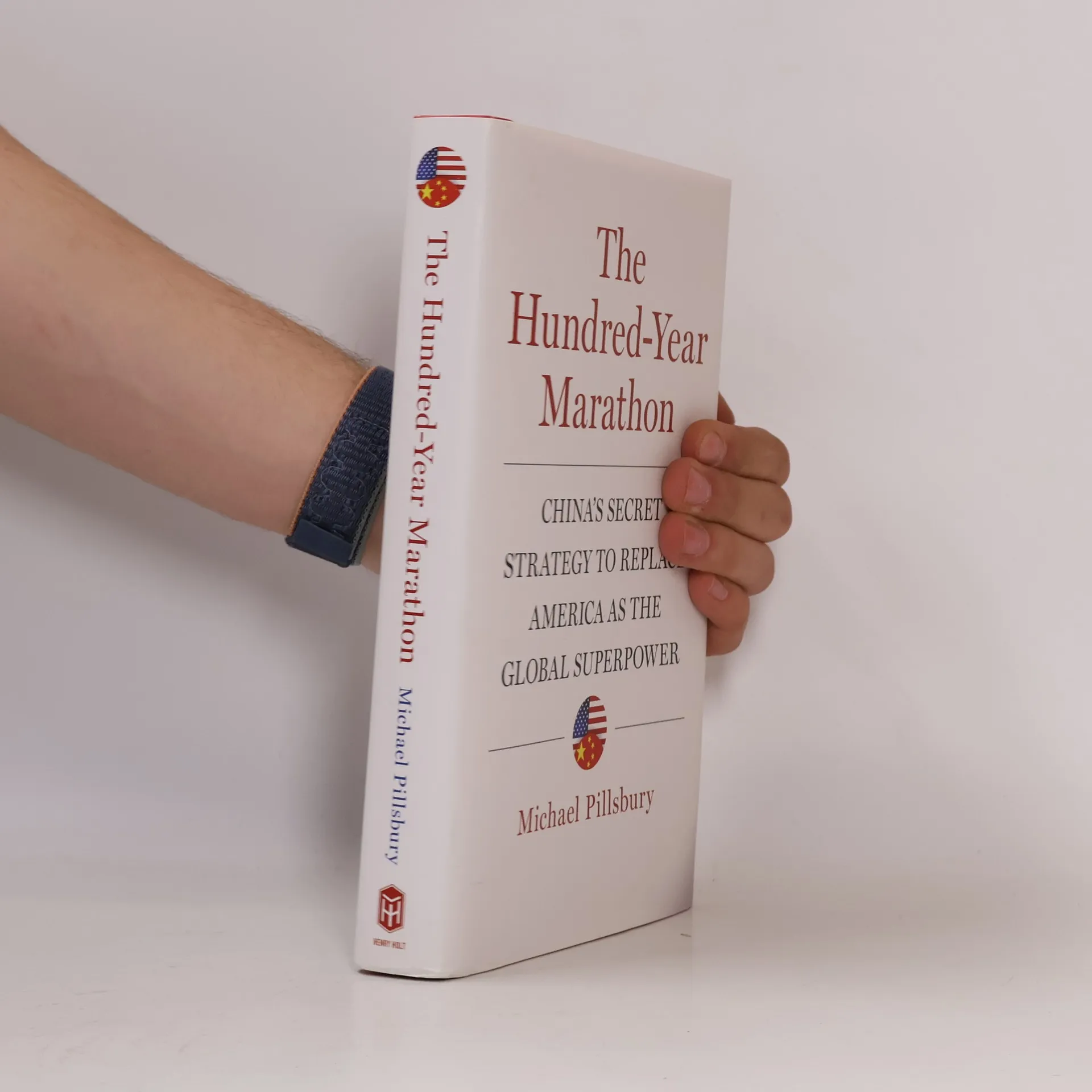
"For more than forty years, the United States has reached out to China, helping it develop a booming economy and take its place on the world stage, in the belief that there is little to fear--and everything to gain--from China's rise. But what if the Chinese have had a different plan all along? The Hundred-Year Marathon reveals China's secret strategy to supplant the United States as the world's dominant power, and to do so by 2049, the one hundredth anniversary of the founding of the People's Republic. Michael Pillsbury, who has served in senior national security positions in the U.S. government since the days of Richard Nixon and Henry Kissinger, draws on Chinese documents, speeches, and books (many of them never translated into English) to reveal the roots of this strategy in traditional Chinese statecraft and track how the Chinese are putting it into practice today. Pillsbury shows how American policymakers have been willfully blind to these developments for decades--and he includes himself in that critique, as he was once a leading voice in favor of aiding China. He also calls for the United States to design a new, more competitive strategy toward China as it really is, and not as we might wish it to be. The Hundred-Year Marathon is a wakeup call for all Americans concerned about how we have misread the greatest national security challenge of the twenty-first century"--
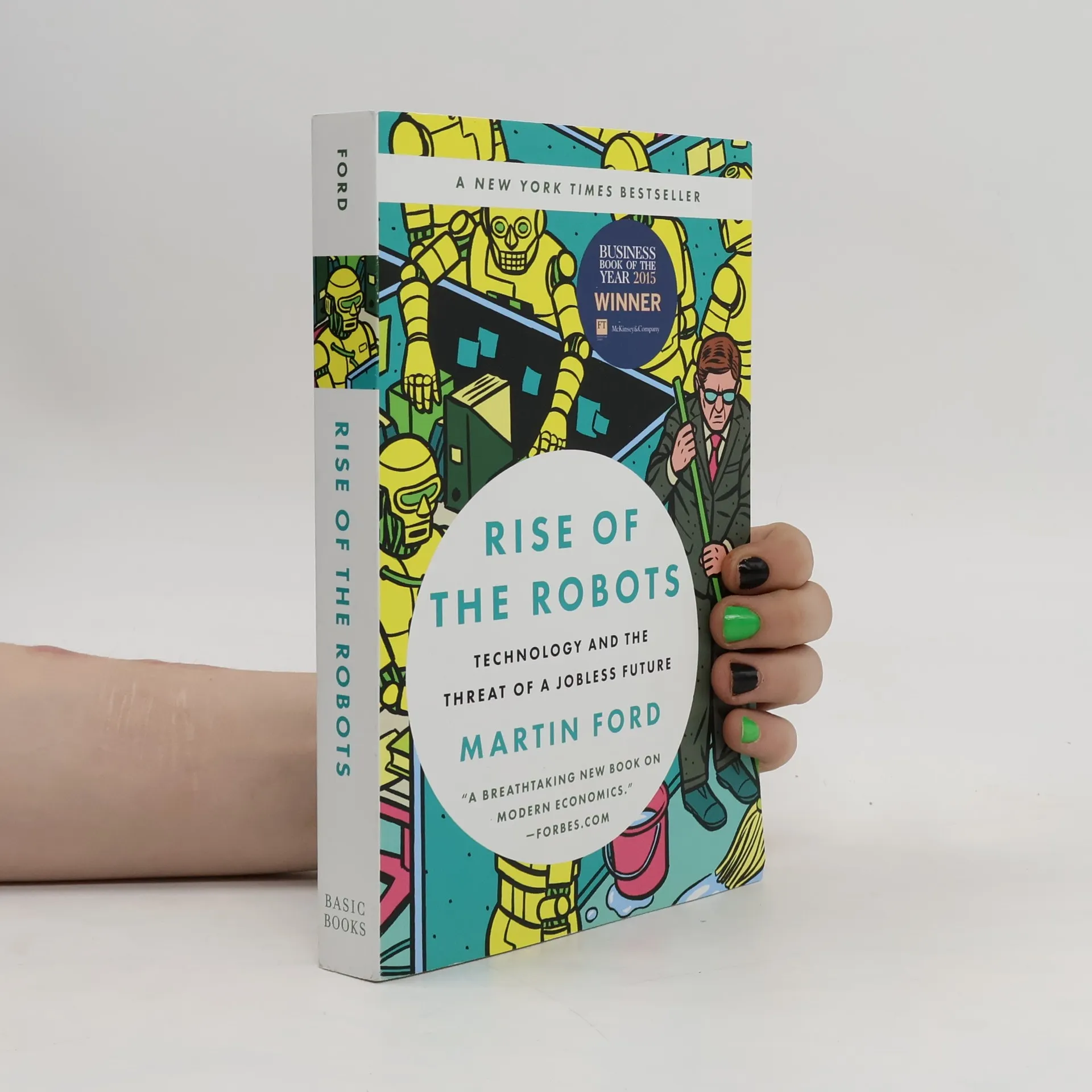
This bestselling guide explores how automation is transforming the economy, threatening jobs, and altering our lives. It raises critical questions about the future of work: What jobs will remain, how many will exist, and who will fill them? As technology advances and machines become more autonomous, the need for human labor diminishes. Artificial intelligence is already on track to render many roles, such as paralegals, journalists, and programmers, obsolete. This shift threatens both blue and white-collar jobs, further straining working- and middle-class families. Concurrently, households face rising costs, particularly in education and healthcare, which have yet to be significantly impacted by technology. The potential outcome is widespread unemployment and inequality, jeopardizing the consumer economy. Traditional responses to technological disruption, like increased training and education, may no longer suffice. We must confront the choice between a future of shared prosperity or severe economic disparity and insecurity. This work is essential for understanding the implications of rapid technological advancement on our economic future and the well-being of society and future generations.
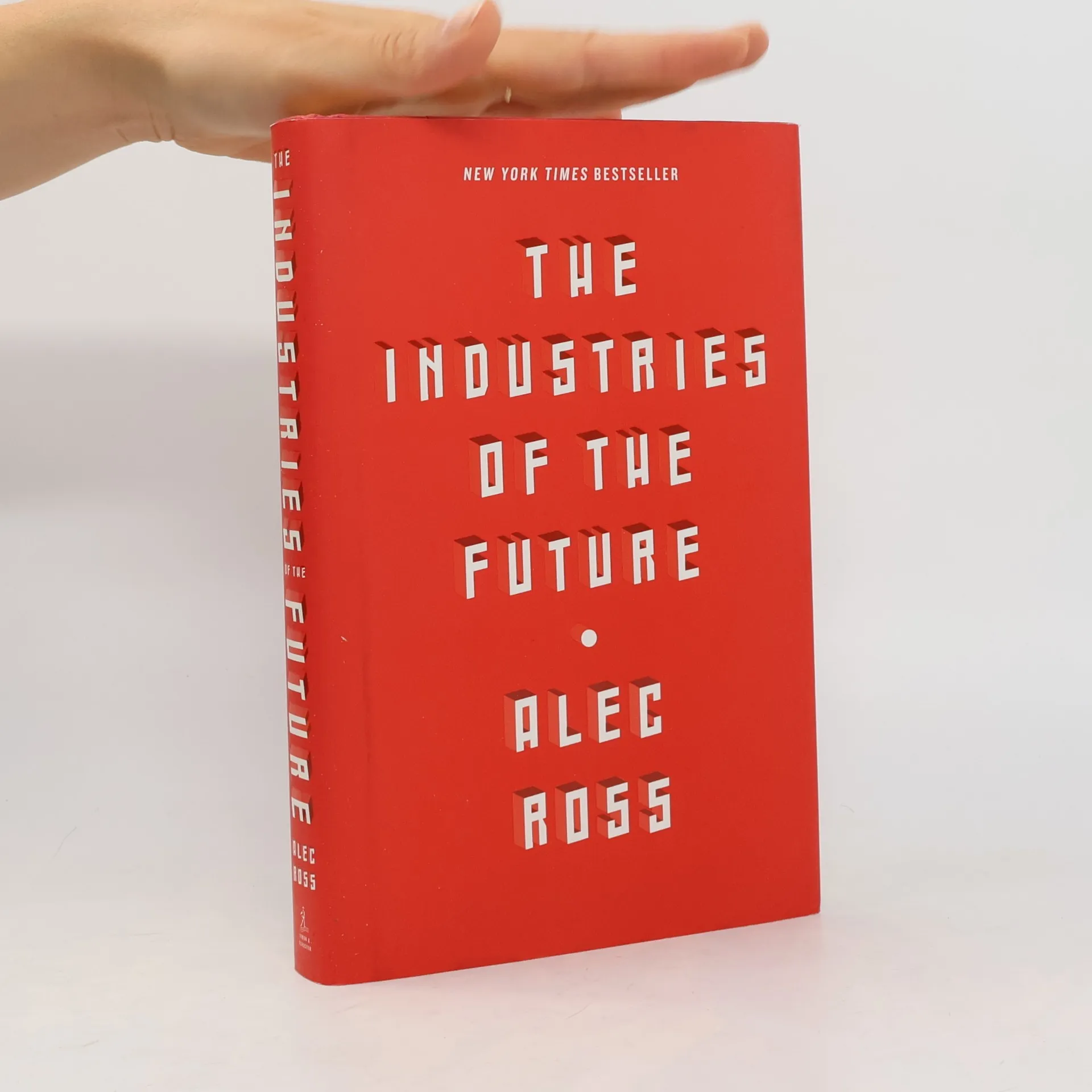
This book answers the question: 'What's next?' The Internet had a world-changing impact on businesses and the global community over the twenty years from 1994 to 2014. In the next ten years, change will happen even faster. As Hillary Clinton's Senior Advisor for Innovation, Alec Ross travelled nearly a million miles to forty-one countries, the equivalent of two round-trips to the moon. From refugee camps in the Congo and Syrian war zones, to visiting the world's most powerful people in business and government, Ross's travels amounted to a four-year masterclass in the changing nature of innovation. In The Industries of the Future, Ross distils his observations on the forces that are changing the world. He highlights the best opportunities for progress and explains how countries thrive or sputter. Ross examines the specific fields that will most shape our economic future over the next ten years, including robotics, artificial intelligence, the commercialization of genomics, cybercrime and the impact of digital technology. Blending storytelling and economic analysis, he answers questions on how we will need to adapt. Ross gives readers a vivid and informed perspective on how sweeping global trends are affecting the ways we live, now and tomorrow.
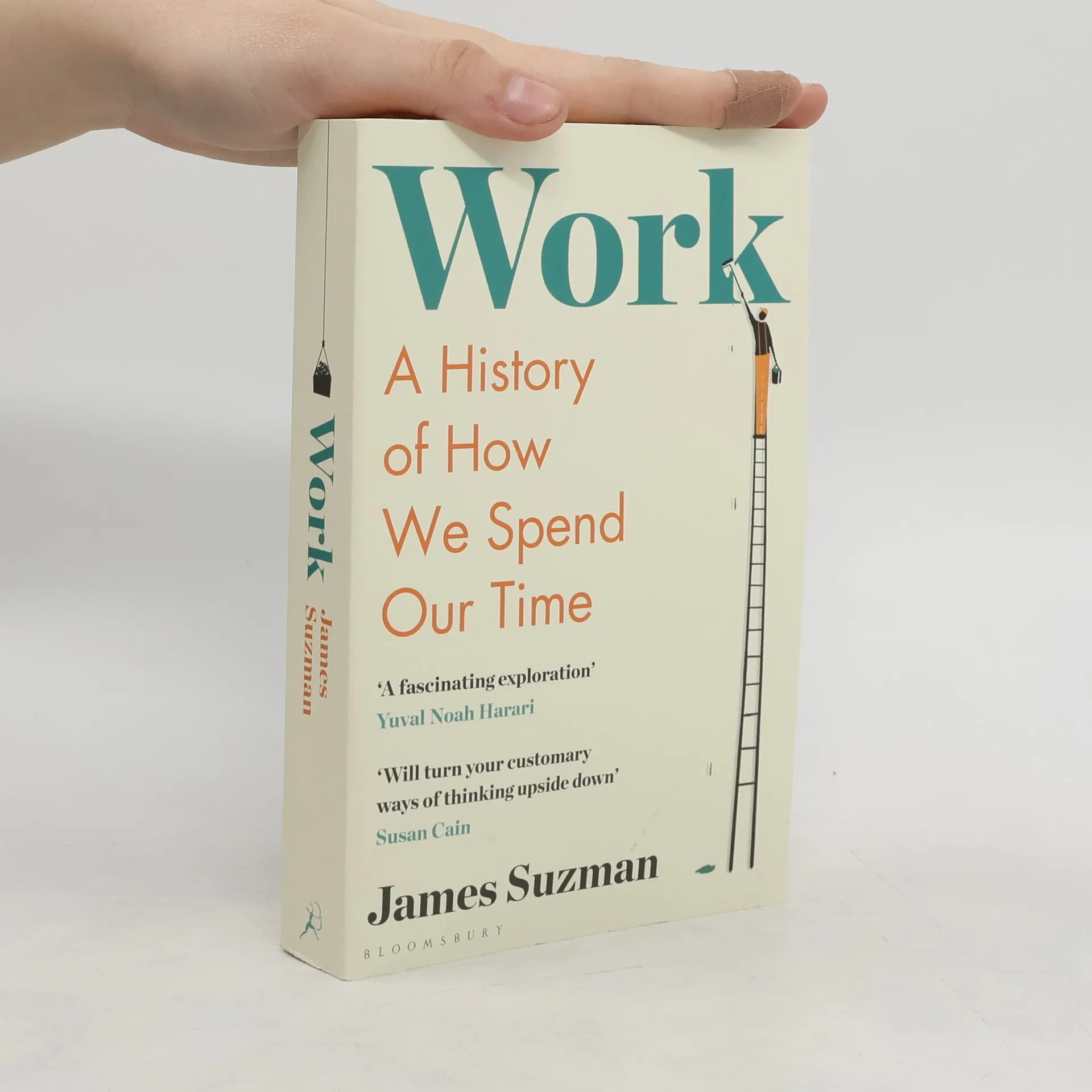
_______________ 'A fascinating exploration that challenges our basic assumptions of what work means' - Yuval Noah Harari 'There is eminently underlinable stuff on most pages ... Fascinating' - The Times 'One of those few books that will turn your customary ways of thinking upside down' - Susan Cain 'Illuminating' - New Statesman _______________ A revolutionary new history of humankind through the prism of work, from the origins of life on Earth to our ever more automated present The work we do brings us meaning, moulds our values, determines our social status and dictates how we spend most of our time. But this wasn't always the case: for 95% of our species' history, work held a radically different importance. How, then, did work become the central organisational principle of our societies? How did it transform our bodies, our environments, our views on equality and our sense of time? And why, in a time of material abundance, are we working more than ever before?