Socratic, Platonist, Cosmological, and Apocryphal Dialogues
1184 strony
42 godziny czytania
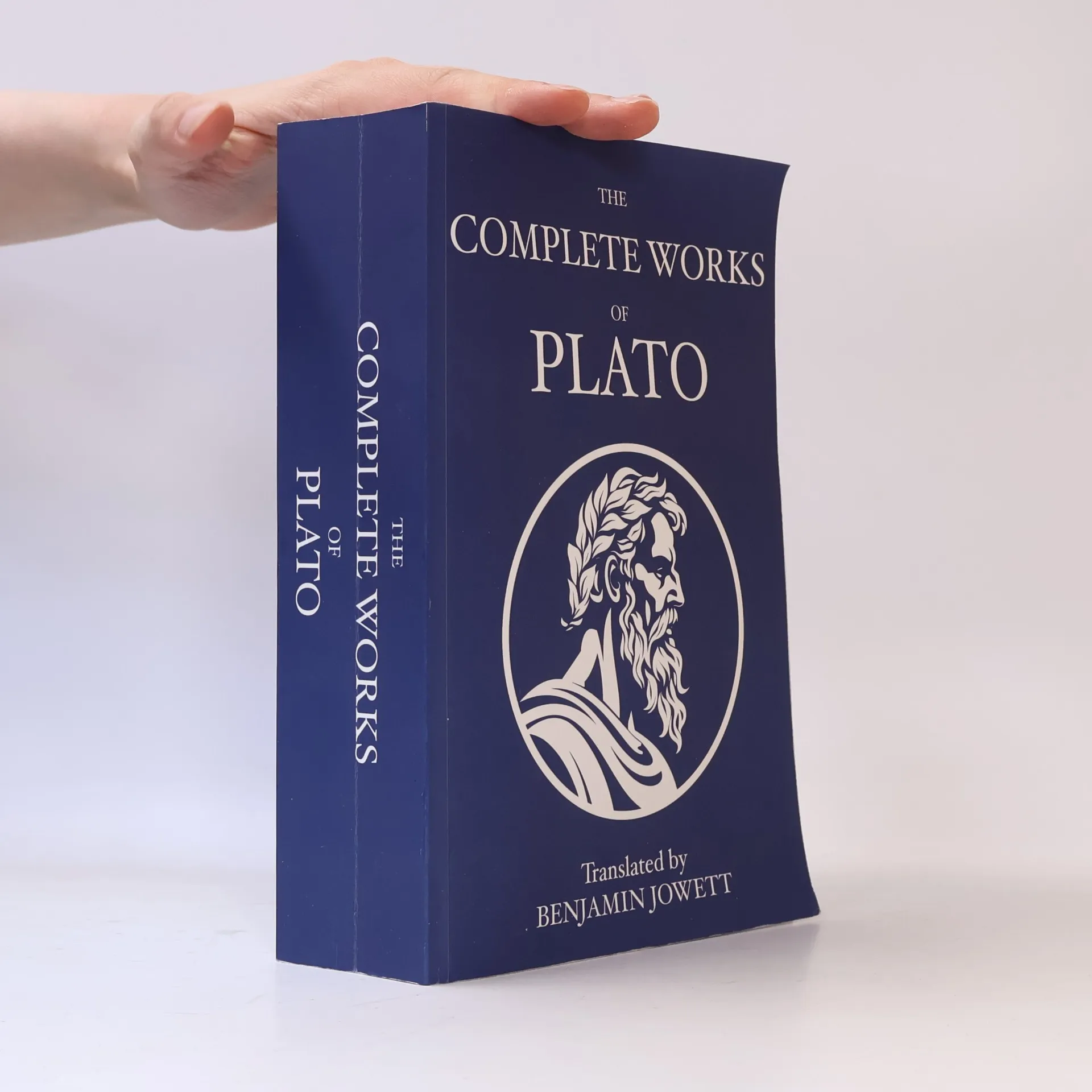
Meticulously translated by Benjamin Jowett, this comprehensive collection presents Plato's philosophical journey, spanning from early Socratic Dialogues to complex Cosmological Dialogues and the insightful Apocryphal Dialogues. Jowett's translation captures Plato's unique style and profound ideas, making ancient philosophy accessible to contemporary readers.
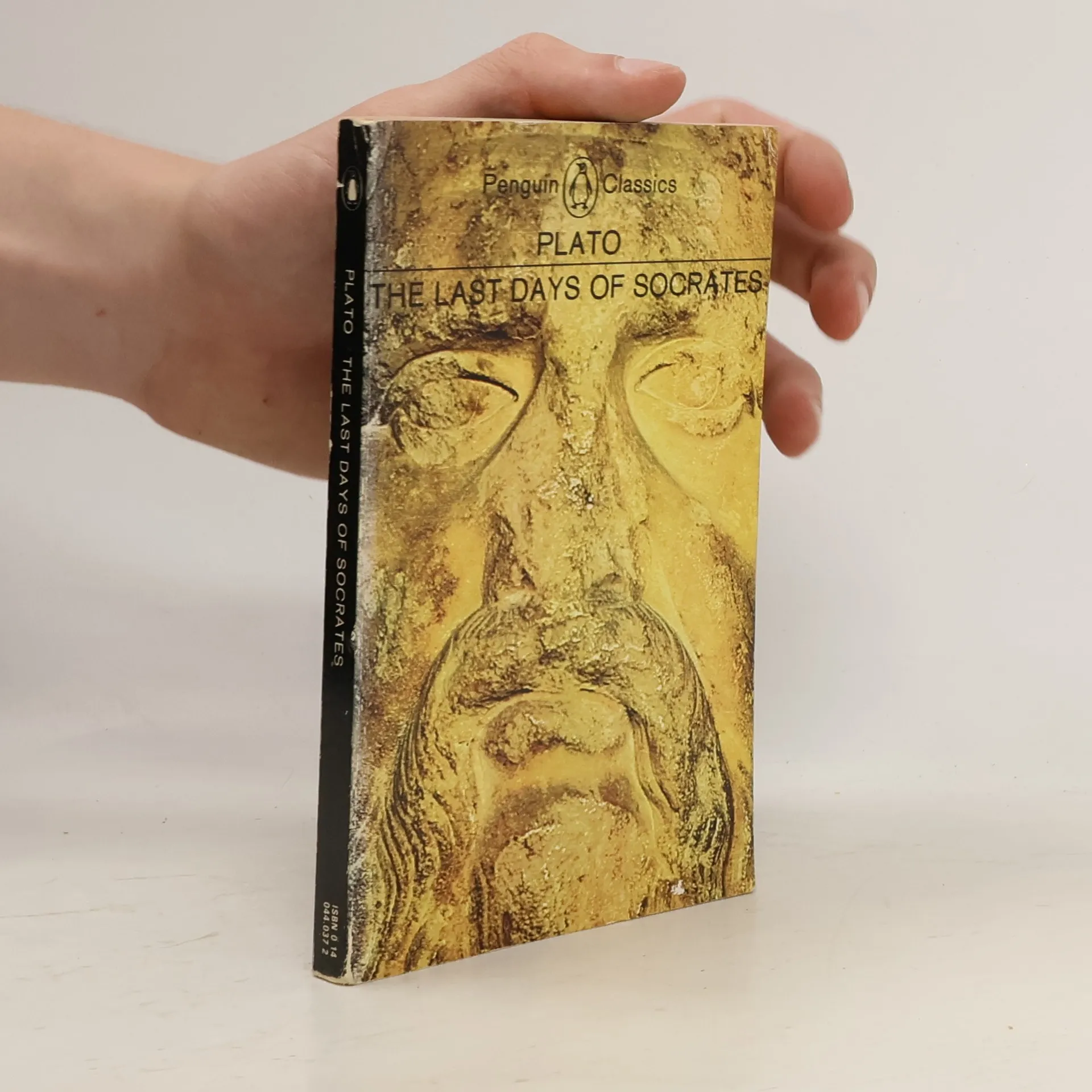
Toward the end of The Apology, Socrates makes a statement that resonates even with those who have never read Plato: "I tell you that ... examining both myself and others is really the very best thing that a man can do, and that life without this sort of examination is not worth living" (p. 63). The Apology, Euthyphro, Crito, and Phaedo, which depict Socrates' activities just prior to his trial until his death, hold a central place among the works of Plato. They sum up the philosophical career of Socrates, protagonist of most of the Platonic dialogues. But this summing up does not imply the end of the examinations Socrates pursued. On the contrary, during his last days, Socrates rigorously continued the kind of inquiries he had pursued all his life, even at the risk of execution, and he enjoined his companions to continue them when he was gone. -- Publisher description
W świecie idei Platona jedną z najistotniejszych była idea państwa
doskonałego, rządzonego przez mędrców- filozofów, realizującego takie wartości
jak: Sprawiedliwość, Prawda, Dobro i Piękno. Warunkiem realizacji tych
szczytnych celów było odrzucenie demokracji. Cóż bowiem miała i ma do
zaoferowania demokracja, która zabiła tak prawego i uczciwego człowieka jak
Sokrates, która podporządkowuje tkwiącej w ciemnej jaskini- większości racje
wykształconych elit i jednostek, która niweluje różnice wynikające z
naturalnych dysproporcji zdolności i charakterów ludzi, która wreszcie
zrównuje w prawach głupców i mędrców, oszustów i ludzi honoru? Od redakcji
Platoński Parmenides należy do późnego okresu twórczości Platona. Uznawany
jest za jeden z najtrudniejszych jego dialogów (zarówno w formie jak i w
treści). Zajmuje się w nim Platonpokazem swej dialektycznej metody
rozumowania. Jest bowiem dla Platona oczywistością, iż jedynym źródłem
poznania jest skrajny racjonalizm, oparty na rozumie, badania idei, zaś wiedza
empiryczna służyć może jedynie do badania rzeczy, ni zaś idei.Obserwacja nie
jest zatem metodą naukową. Do ideału nauki zbliża się teoretyczna matematyka,
zaś najwyższą formą jest dialektyka służaca właśnie badaniu idei ale też
wyjaśniająca zjawiska. W Parmenidesie przedstawia Platon koncepcje eleatów (w
skrócie: wszystko jest zmienne) i przeciwstawia je koncepcji Parmenidesa (do
którego pojęcia niezmienności, stałości oczywiście mu bliżej) rozwijając
pojęcie Jedna (Zatem i całością nie może być Jedno pośród innych rzeczy, ani
cząstek jego nie ma, jeżeli ono istnieje poza innymi rzeczami i części nie
ma).
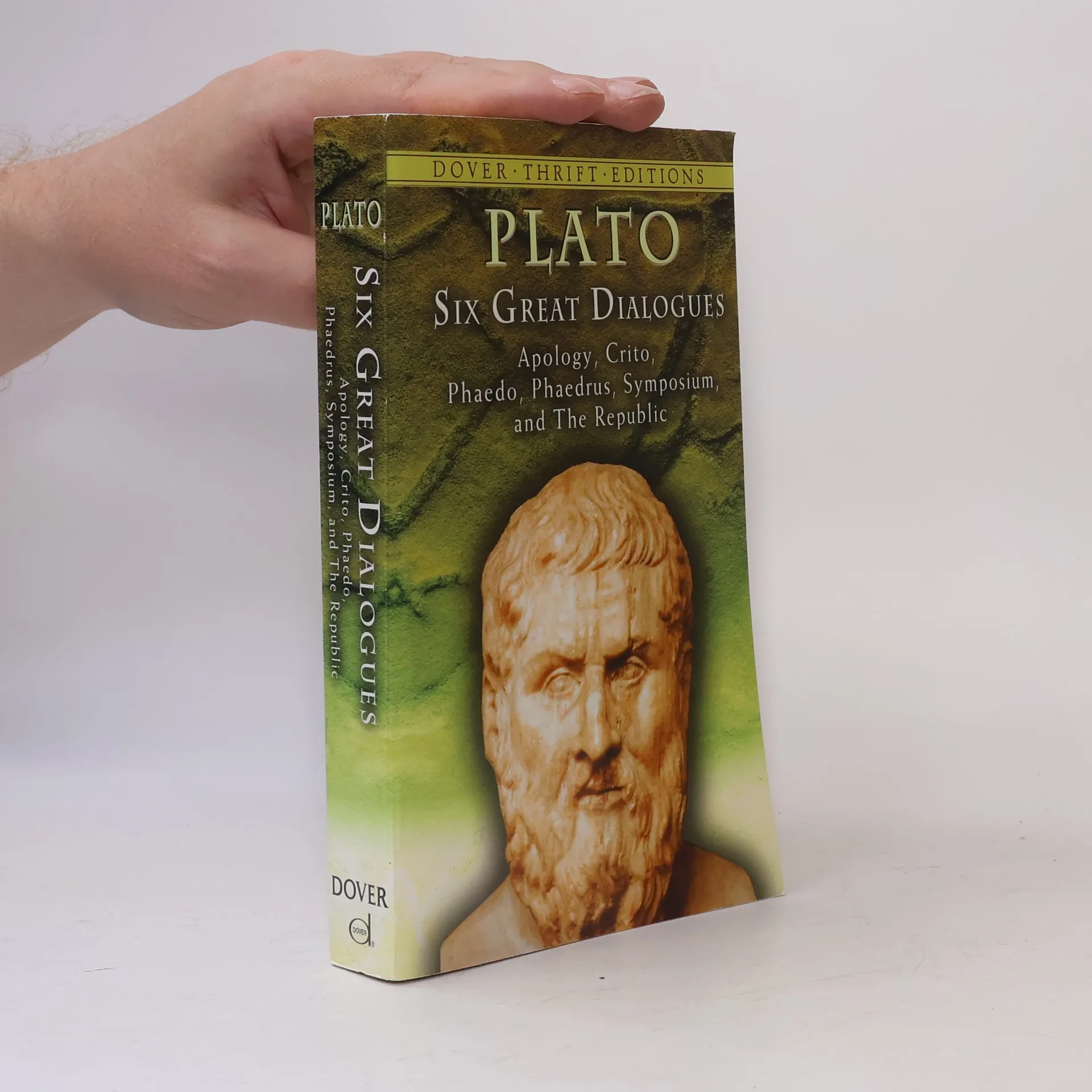
Apology, Crito, Phaedo, Phaedrus, Symposium, And The Republic
Plato's brilliant dialogues, written in the fourth century B.C., rank among Western civilization's most important philosophical works. Presented as a series of probing conversations between Socrates and his students and fellow citizens, they form a magnificent dialectical quest that examines enduring political, ethical, metaphysical, and epistemological issues. Here, in one inexpensive edition, are six of Plato's remarkable and revelatory dialogues, each translated by distinguished classical scholar Benjamin Jowett. Apology defends the integrity of Socrates' teachings. Crito discusses respect for the law. Phaedo considers death and the immortality of the soul. Phaedrus explores the psychology of love. Symposium reflects on the ultimate manifestation of the love that controls the world, and The Republic ponders society and the philosopher's role within it. Stimulating, dramatic, and always relevant, these dialogues have profoundly influenced the history of intellectual thought, and offer crucial insight into mystical, aesthetic, and other aspects of Platonic doctrine.