'Some people who deal with mental illness have the opportunity and ability to
write about it, but many do not - and it was those people, those unread
stories, I wanted to find' JOANNA CANNON
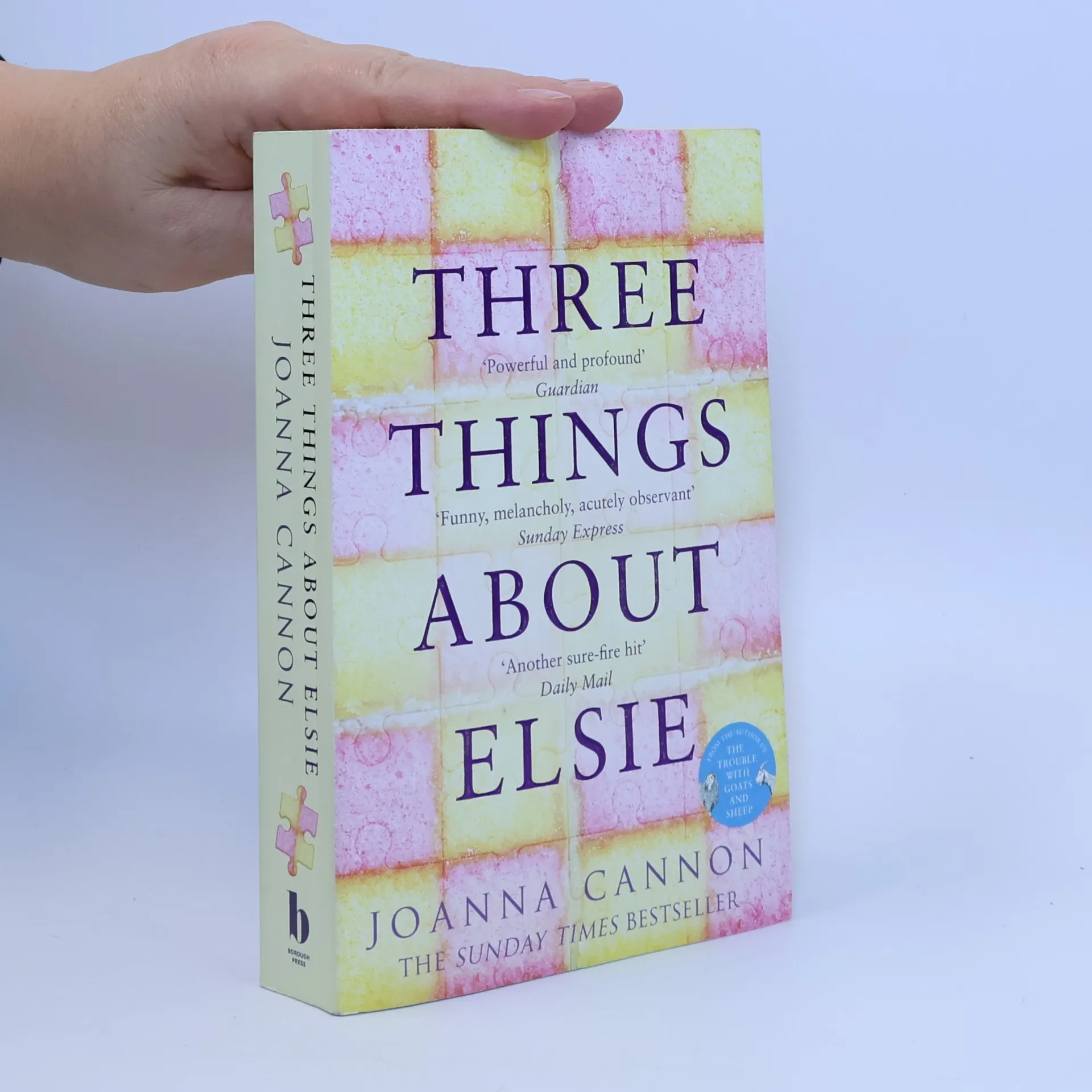
From the Sunday Times bestselling authorA NICE, NORMAL HOUSELinda has lived around here ever since she fled the dark events of her childhood in Wales. Now she sits in her kitchen, wondering if this is all there is – pushing the Hoover round and cooking fish fingers for tea is a far cry from the glamorous lifestyle she sees in the glossy catalogues coming through the door for the house’s previous occupant.A NICE, NORMAL HUSBANDTerry isn’t perfect – he picks his teeth, tracks dirt through the house and spends most of his time in front of the TV. But that seems fairly standard – until he starts keeping odd hours at work, at around the same time young women start to go missing in the neighbourhood.A NICE, NORMAL LIFE…If Linda could just track down Rebecca, who lived in the house before them, maybe some of that perfection would rub off on her. But the grass isn’t always greener: you can’t change who you really are, and there’s something nasty lurking behind the net curtains on Cavendish Avenue…
Joanna Cannon tells her story as a junior doctor. We walk with her through the wards, facing extraordinary and daunting moments: from attending her first post-mortem, sitting with a patient through their final moments, to learning the power of a well- or badly chosen word
Wyobraź sobie świat, w którym książki są zakazane, a ich czytanie jest uważane
za zbrodnię. Wyobraź sobie świat, w którym każde złe wspomnienie i nawet
największa rozpacz mogą zostać całkowicie wymazane z pamięci. Wyobraź sobie
świat, w którym możesz ukryć każdą krzywdę i niegodziwość, jakich kiedykolwiek
się dopuściłeś. Te światy są ze sobą nierozerwalnie połączone. Wszystko przez
Oprawców. Emmet Farmer jest dobrym, pracowitym synem, który każdy dzień spędza
na roli, pomagając rodzicom związać koniec z końcem. Wszystko się zmienia, gdy
otrzymuje list z wezwaniem do odbycia praktyk w pracowni Seredith, kobiety
zajmującej się tajemniczym procesem oprawiania książek. Emmet, który o
księgach i Oprawcach wie niewiele, ale pamięta panującą wokół nich atmosferę
strachu, tajemnicy i nieskrywanej pogardy, niechętnie rozpoczyna żmudną naukę
w warsztacie. Pod czujnym okiem Oprawczyni poznaje sekrety gilotyny, czcionek
i starego pergaminu. Być może właśnie wśród pachnących kurzem książek i
skórzanych opraw odnajdzie prawdziwego siebie. Księgi zapomnianych żyć to
niesamowita historia o zakazanej miłości, lojalności, przyjaźni i wielkiej,
magicznej mocy książek.
84-year-old Florence has fallen in her flat at Cherry Tree Home for the Elderly. As she waits to be rescued, Florence wonders if a terrible secret from her past is about to come to light; and, if the charming new resident is who he claims to be
England,1976. Mrs Creasy is missing and The Avenue is alive with whispers. As
the summer shimmers endlessly on, ten-year-olds Grace and Tilly decide to take
matters into their own hands. And as the cul-de-sac starts giving up its
secrets, the amateur detectives will find much more than they imagined…
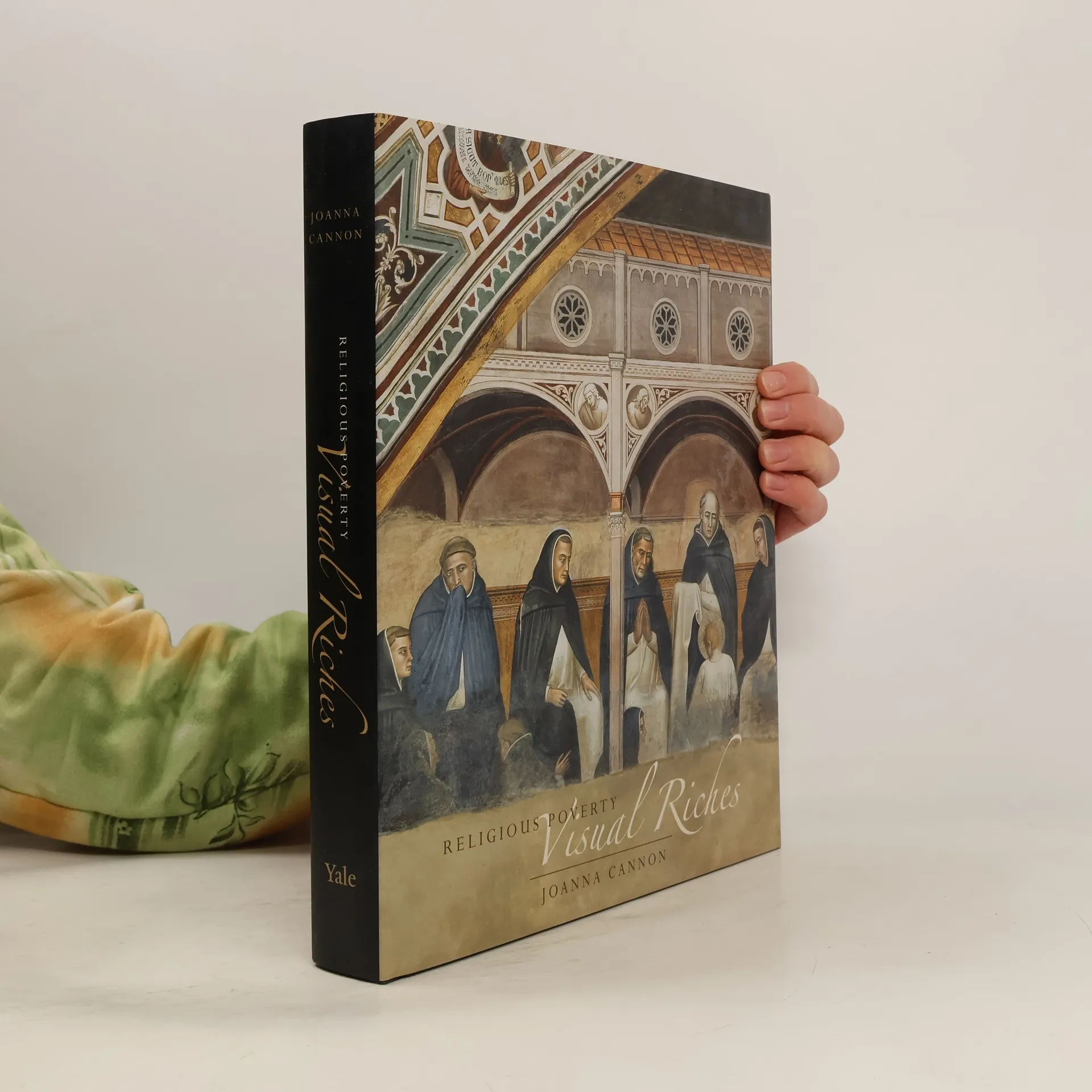
Art in the Dominican Churches of Central Italy in the Thirteenth and Fourteenth Centuries
444 strony
16 godzin czytania
The Dominican friars of late-medieval Italy were committed to a life of poverty, yet their churches contained many visual riches, as this groundbreaking study reveals. Works by supreme practitioners―Cimabue, Duccio, Giotto, and Simone Martini―are examined here in a wider Dominican context. The contents of major foundations―Siena, Pisa, Perugia, and Santa Maria Novella in Florence―are studied alongside less well-known centers. For the first time, these frescoes and panel paintings are brought together with illuminated choir books, carved crucifixes, goldsmith's work, tombs, and stained glass. At the heart of the book is the Dominicans' evolving relationship with the laity, expressed at first by the partitioning of their churches, and subsequently by the sharing of space, and the production and use of art. Joanna Cannon's magisterial study is informed by extensive new research, using chronicles, legislation, liturgy, sermons, and other sources to explore the place of art in the lives of the friars and the urban laity of Central Italy.