Bookbot

H. T. Lowe Porter

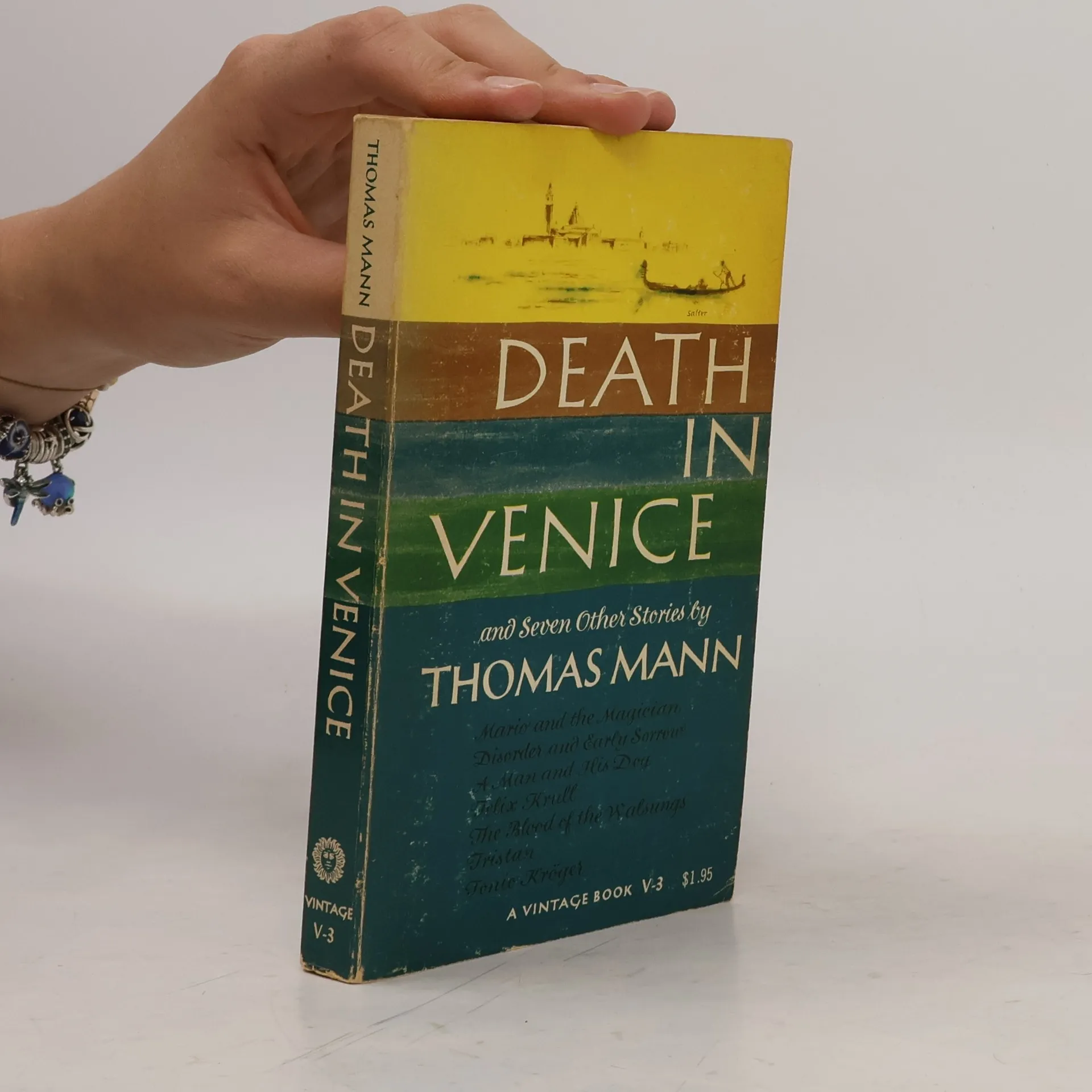
    Death in Venice
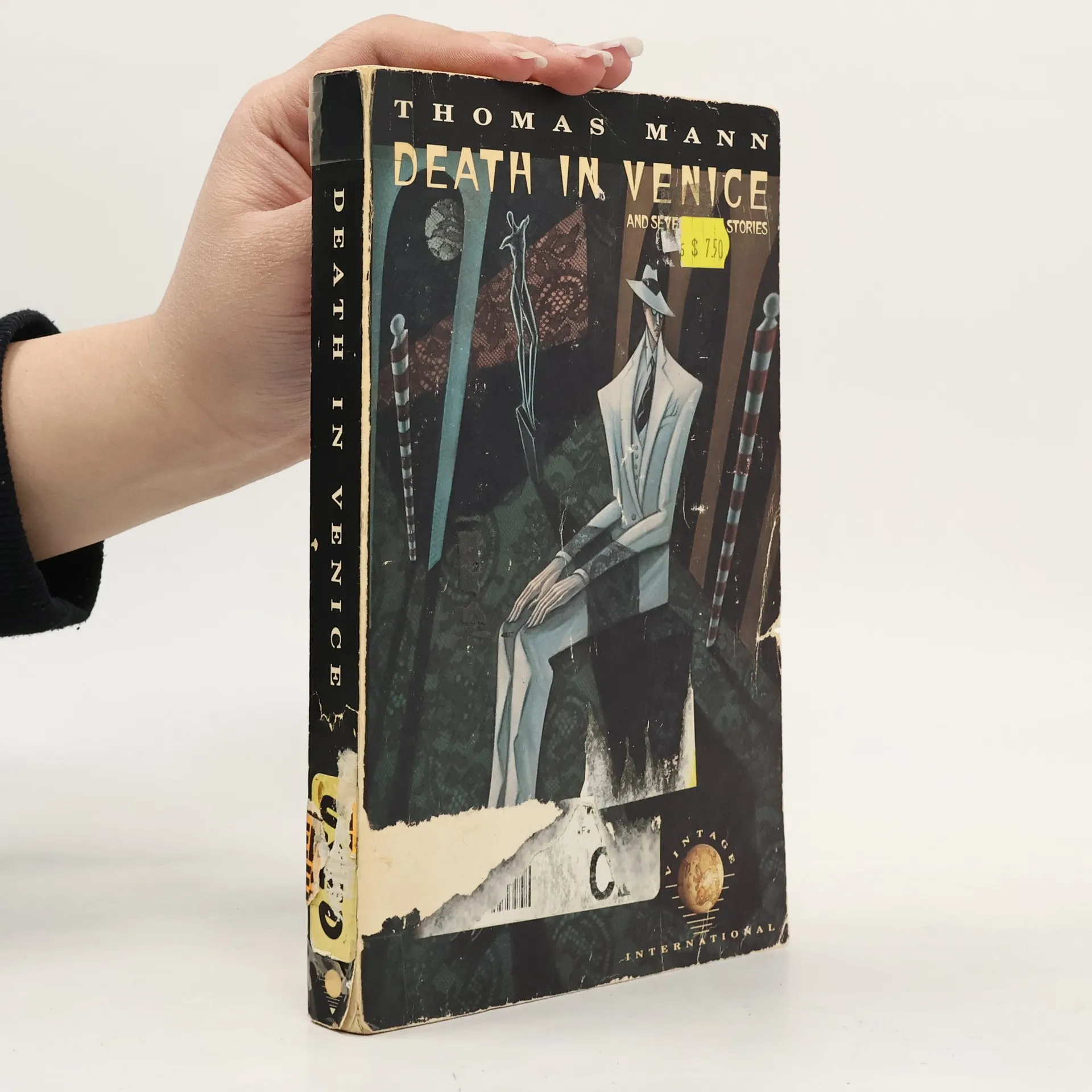
    Vintage International: Death in Venice and Seven Other Stories
    Doctor Faustus
    Czarodziejska góra
    • Czarodziejska góra

      • 800 stron
      • 28 godzin czytania

      Dwudziestotrzyletni Hans Castorp jedzie do Szwajcarii, by odwiedzić kuzyna, kt�ry przebywa na leczeniu w sanatorium 'Berghof', położonym wysoko w g�rach. Pobyt zaplanowany na trzy tygodnie w rezultacie trwał siedem lat (si�demka miała dla Thomasa Manna znaczenie magiczne!). Przerwał go dopiero wybuch pierwszej wojny światowej. Świat zastany przez Castorpa 'na g�rze', tak odległy od normalności i r�żny od tego na 'nizinie', to po mistrzowsku sportretowane panopticum napotkanych tam ludzi, dla kt�rych czas - konstytutywny czynnik powieści! - upływa bez celu i bez refleksji. Niczym ruchome piaski, z wolna zaczyna wchłaniać młodego Castorpa. Z jednej strony u w o d z i go atmosfera miejsca, z jego rutynowym rozkładem dnia i chorobliwym zaiste rozplotkowaniem, z drugiej - rodząca się miłość. Skomplikowana. Jak to nieraz bywa. Jej punkt kulminacyjny wyznacza bal kostiumowy w zapustny wtorek. 'Berghof' to jednak nie tylko sanatorium, zamknięty świat chorych, to zarazem symbol chorej Europy, obraz jej duchowego kryzysu w przededniu wybuchu Wielkiej Wojny. Powieść zakrojona pierwotnie na kr�tkie opowiadanie, po dwunastu latach pracy i przemyśleń autora, stała się jednym z najważniejszych głos�w na temat kondycji moralnej i intelektualnej Europy XX wieku.

      Czarodziejska góra
      4,1
    • Doctor Faustus

      • 752 strony
      • 27 godzin czytania

      This is the story of German composer, Adrian Leverkuhn. Zeitblom, the narrator, tells his friend's story against the backdrop of WW2, which acts as counterpoint to Mann's vast theme, the discord between genius and sanity

      Doctor Faustus
      4,1
    • In addition to Death in Venice , this volume includes "Mario and the Magician," "Disorder and Early Sorrow," "A Man and His Dog," "Felix Krull," "The Blood of the Walsungs," "Tristan," and "Tonio Kröger." These stories, as direct as Thomas Mann's novels are complex, are perfect illustrations of their author's belief that "a story must tell itself." Varying in theme, in style, in tone, each is in its own way characteristic of Mann's prodigious talents. From the high art of the famous title novella ("A story," Mann said, "of death...of the voluptuousness of doom"), to the irony of "Felix Krull," the early story on which he later based his comic novel The Confessions of Felix Krull , they are stunning testimony to the mastery and virtuosity of a literary giant. Translated from the German by H.T. Lowe-Porter.

      Vintage International: Death in Venice and Seven Other Stories
      3,9
    • Death in Venice tells how Gustave von Aschenbach, a writer utterly absorbed in his work, arrives in Venice as a result of a 'youthfully ardent thirst for distant scenes,' and meets there a young boy by whose beauty he becomes obsessed. His pitiful pursuit of the object of his abnormal affection and its inevitable and pathetic climax is told here with the particular skill the author has for this shorter form of fiction. (blurb) Em A Morte em Veneza, Thomas Mann apresenta uma escrita complexa e profunda, onde quase cada parágrafo pode ter várias leituras. Em contraponto, o enredo é praticamente inexistente: um homem de meia-idade viaja até Veneza, apaixona-se platonicamente por um jovem rapaz polaco extremamente atraente e morre sem sequer ter trocado uma palavra com ele.

      Death in Venice
      3,8