

Bookbot

Parag Khanna

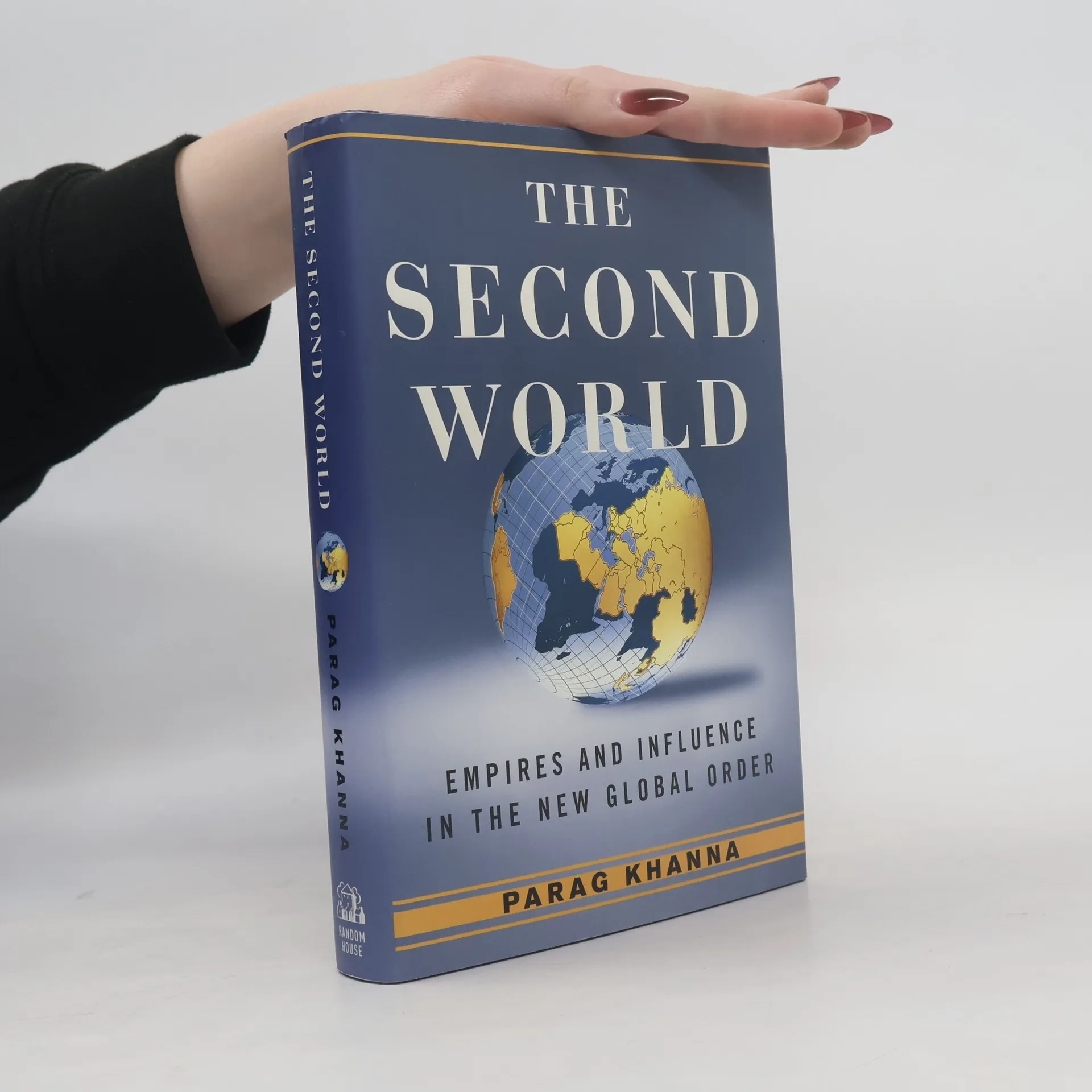
    The Second World
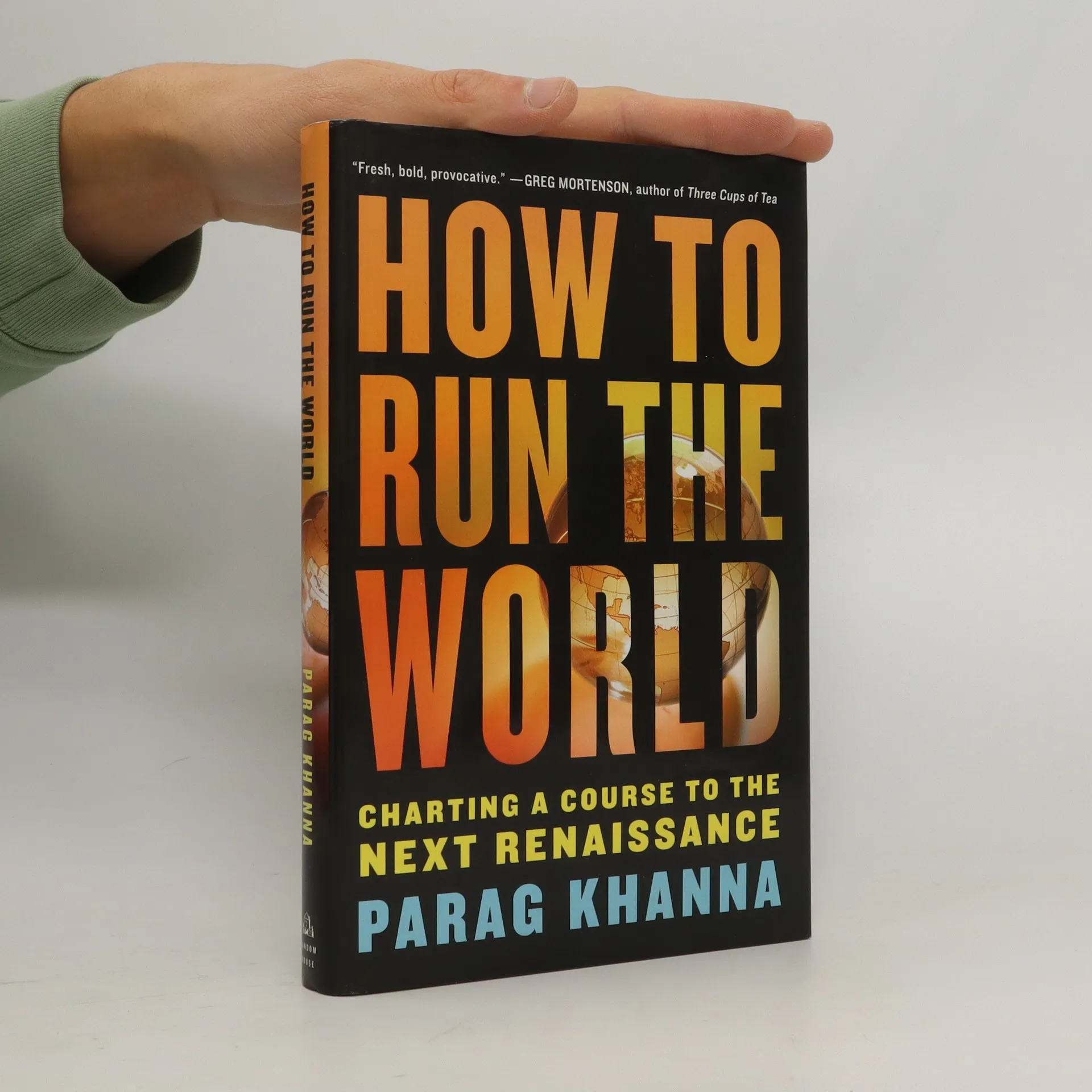
    How to Run the World
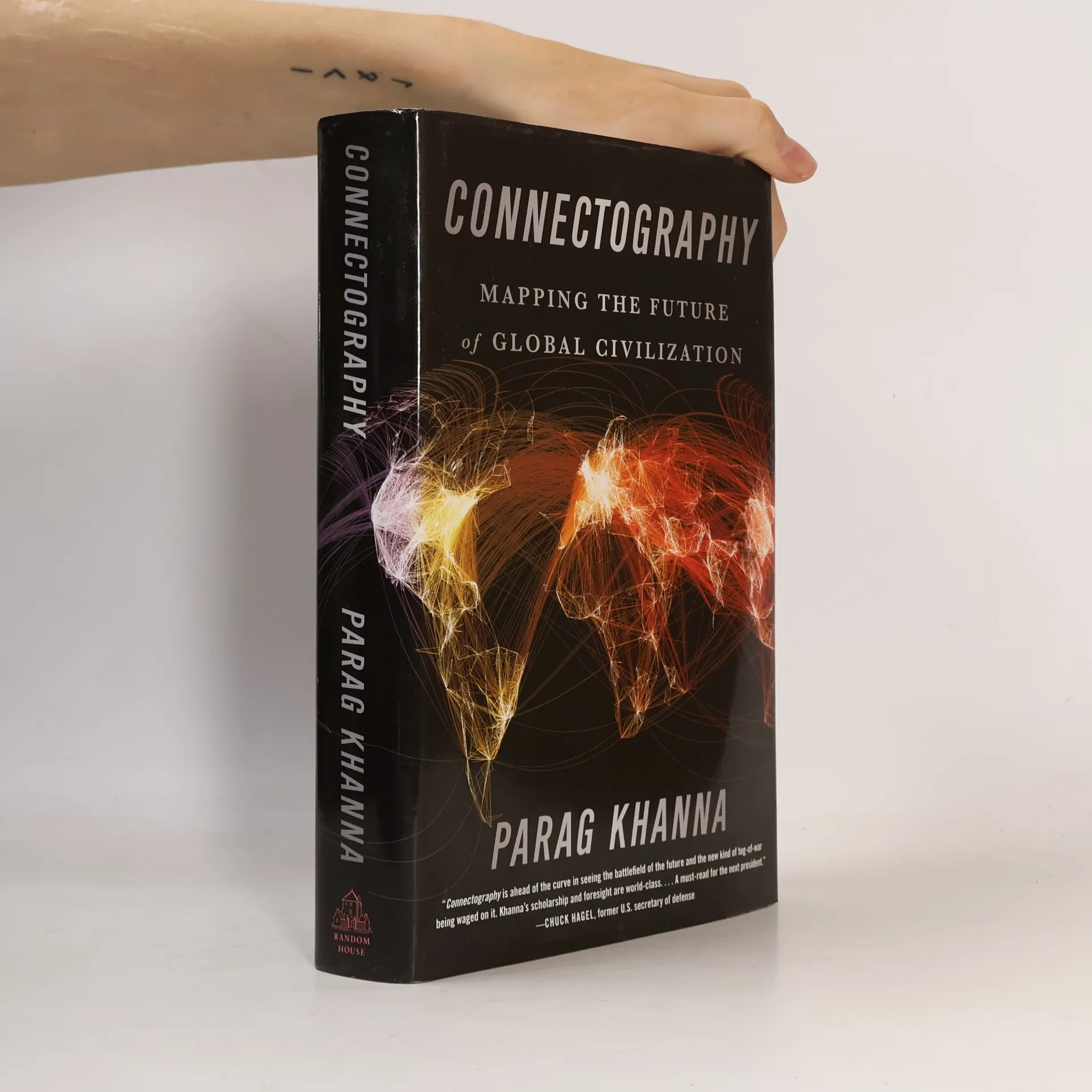
    Connectography
    Move
    India as a New Global Leader
    Przyszłość należy do Azji
    • Przyszłość należy do Azji

      • 406 stron
      • 15 godzin czytania

      HIT wydawnictwa Wektory - godny następca Wojny o Pieniądz! PARAG KHANNA, specjalista w zakresie stosunków międzynarodowych, urodził się w Indiach i wychował w Zjednoczonych Emiratach Arabskich, USA oraz Niemczech. Obecnie jest partnerem zarządzającym FutureMap, firmy zajmującej się planowaniem scenariuszy i doradztwem strategicznym. Khanna współpracował z wieloma prestiżowymi organizacjami, w tym ze Światowym Forum Ekonomicznym oraz amerykańskimi siłami specjalnymi. Jest autorem książek, w tym bestsellerów tłumaczonych na wiele języków, które analizują przyszłość Azji. W swojej pracy Khanna przedstawia Azję jako region o unikalnych cechach społecznych, politycznych i gospodarczych, które są zrozumiałe tylko z perspektywy wschodniej. Podkreśla, że siła Azji tkwi w merytokracji, pragmatyzmie oraz dążeniu do dobra wspólnego, co odróżnia ją od kryzysu cywilizacji zachodniej. Autor sugeruje, że XXI wiek będzie stuleciem Azji, a jej rosnąca dominacja gospodarcza i polityczna staje się coraz bardziej widoczna. Khanna wnikliwie analizuje, jak Azja zyskuje na znaczeniu jako odrębna jednostka polityczna, kulturalna i gospodarcza, gotowa wyprzedzić słabnący Zachód.
      Przyszłość należy do Azji
      3,3
    • Move

      • 352 strony
      • 13 godzin czytania

      Where will you live in 2030? Where will your children settle in 2040? What will the map of humanity look like in 2050? Mobility is a recurring feature of human civilisation. Now, as climate change tips toward full-blown crisis, economies collapse, governments destabilise and technology disrupts, we're entering a new age of mass migrations - one that will scatter both the dispossessed and the well-off. Which areas will people abandon and where will they resettle? Which countries will accept or reject them? As today's world population, which includes four billion restless youth, votes with their feet, what map of human geography will emerge? In Move, global strategy advisor Parag Khanna provides an illuminating and authoritative vision of the next phase of human civilisation - one that is both mobile and sustainable - while guiding each of us as we determine our optimal location on humanity's ever-changing map.

      Move
      3,6
    • Connectography

      • 466 stron
      • 17 godzin czytania

      "Mankind is reengineering the planet, investing up to ten trillion dollars per year in transportation, energy, and communications infrastructure linking the worlds burgeoning megacities together. This has profound consequences for geopolitics, economics, demographics, the environment, and social identity. Connectivity, not geography, is our destiny. Khanna argues that new energy discoveries and technologies have eliminated the need for resource wars; ambitious transport corridors and power grids are unscrambling Africas fraught colonial borders; even the Arab world is evolving a more peaceful map as it builds resource and trade routes across its war-torn landscape. At the same time, thriving hubs such as Singapore and Dubai are injecting dynamism into young and heavily populated regions, cyber-communities empower commerce across vast distances, and the worlds ballooning financial assets are being wisely invested into building an inclusive global society. Beneath the chaos of a world that appears to be falling apart is a new foundation of connectivity pulling it together." --

      Connectography
      3,8
    • How to Run the World

      • 256 stron
      • 9 godzin czytania

      Outlines a provocative approach to diplomacy that addresses the needs of today's globalized world, covering issues ranging from economic imbalance and environmental stress with recommendations for specific actions to unify the resources of governments, corporations and civic groups.

      How to Run the World
      3,4
    • The Second World

      Empires and Influence in the New Global Order

      Comparable in scope and boldness to The Clash of Civilizations by Samuel P. Huntington, The Second World by Parag Khanna takes readers on an exciting journey, showing how the situation of American dominance has been suddenly replaced by a geopolitical marketplace where the European Union and China compete with the United States to shape the new world order on their own terms.

      The Second World
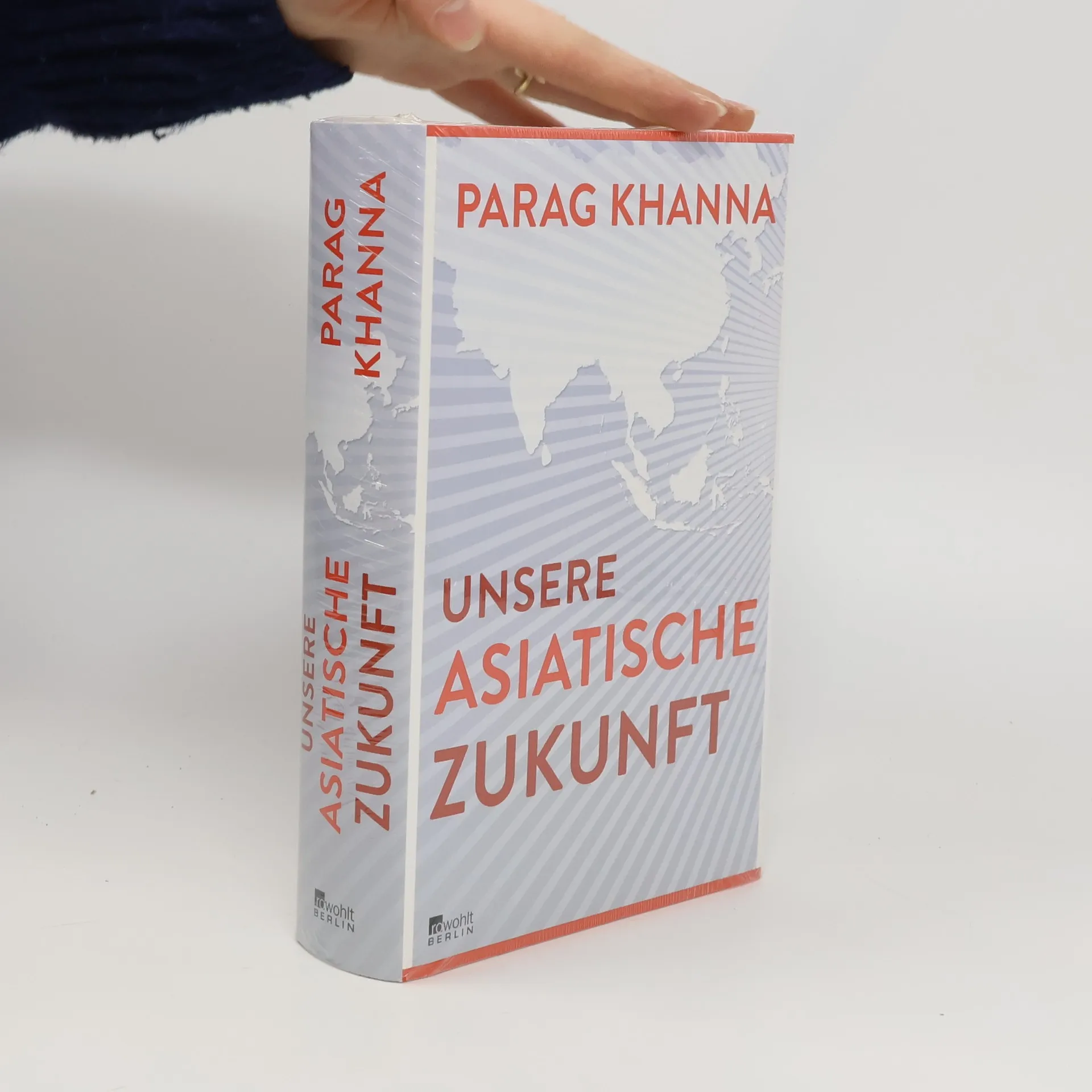
    • Das 19. war das europäische, das 20. das amerikanische Jahrhundert – und das 21. wird das asiatische Jahrhundert sein. Asien heißt heute: viereinhalb Milliarden Menschen, zwei Drittel der Megacitys unseres Planeten, zwei Drittel des weltweiten Wirtschaftswachstums, Tendenz weiter steigend. Die Verschiebung der globalen Machtverhältnisse wird die Welt verändern und, wo es nicht schon so weit ist, bald alle Bereiche unseres Lebens beeinflussen. Dennoch haben wir, wie Parag Khanna zeigt, weder eine Vorstellung davon, was das konkret für uns bedeutet, noch kennen wir überhaupt diesen riesigen, vielfältigen Kontinent, der nicht nur aus China und Japan besteht – es sind nicht zuletzt die technologisch längst führenden Länder Südostasiens, etwa Indonesien oder Singapur, von denen wesentliche Impulse ausgehen werden. Parag Khanna schildert, wie sich die Welt gegenwärtig neu ordnet und was uns im asiatischen Jahrhundert erwartet. Deutschland und Europa müssen ihre Chancen erkennen und nutzen, und das nicht nur wirtschaftlich. Auf längere Sicht geht es, so Khanna, um eine kulturelle und politische Synthese von West und Ost: von Liberalismus und Holismus, Demokratie und Technokratie. Ein oft überraschender, geopolitisch wie kulturell weitsichtiger Blick in unsere asiatische Zukunft.

      Unsere asiatische Zukunft
      3,6