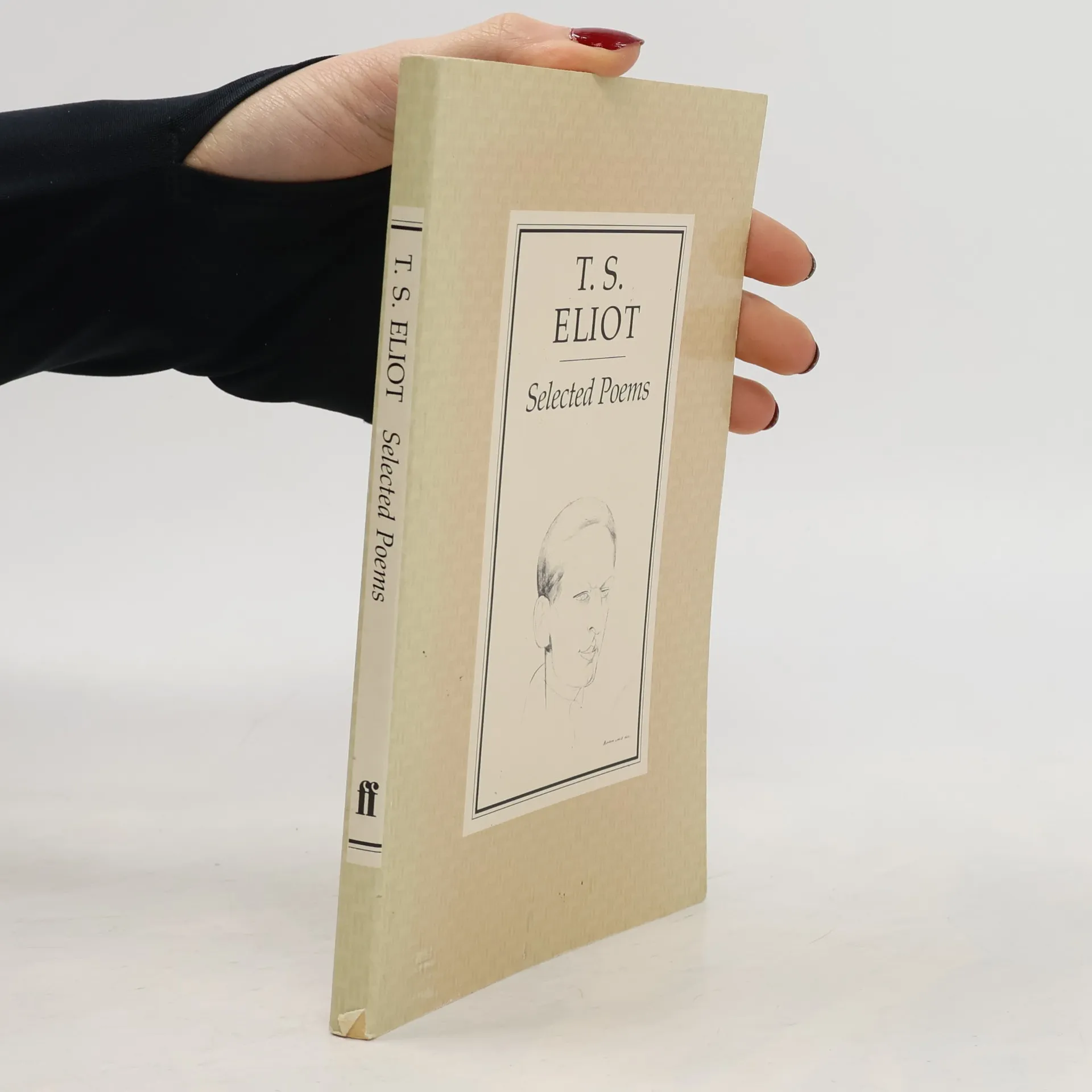
Chosen by Eliot himself, the poems in this volume represent the poet’s most important work before Four Quartets. Included here is some of the most celebrated verse in modern literature-”The Love Song of J. Alfred Prufrock,” “Gerontion,” “The Waste Land,” “The Hollow Men,” and “Ash Wednesday”-as well as many other fine selections from Eliot’s early work.
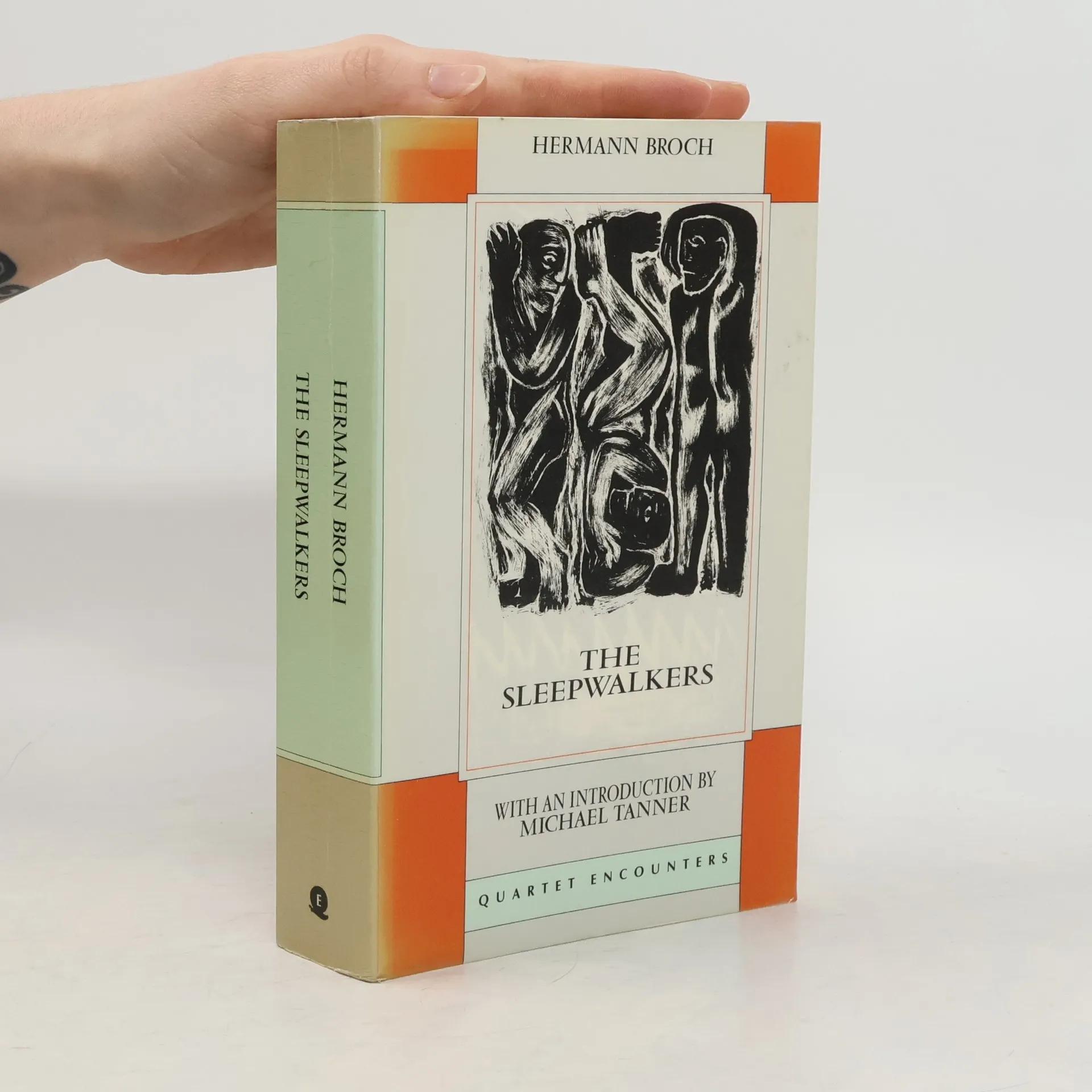
With his epic trilogy, The Sleepwalkers , Hermann Broch established himself as one of the great innovators of modern literature, a visionary writer-philosopher the equal of James Joyce, Thomas Mann, or Robert Musil. Even as he grounded his narratives in the intimate daily life of Germany, Broch was identifying the oceanic changes that would shortly sweep that life into the abyss. Whether he is writing about a neurotic army officer (The Romantic) , a disgruntled bookkeeper and would-be assassin (The Anarchist) , or an opportunistic war-deserter (The Realist) , Broch immerses himself in the twists of his characters' psyches, and at the same time soars above them, to produce a prophetic portrait of a world tormented by its loss of faith, morals, and reason.
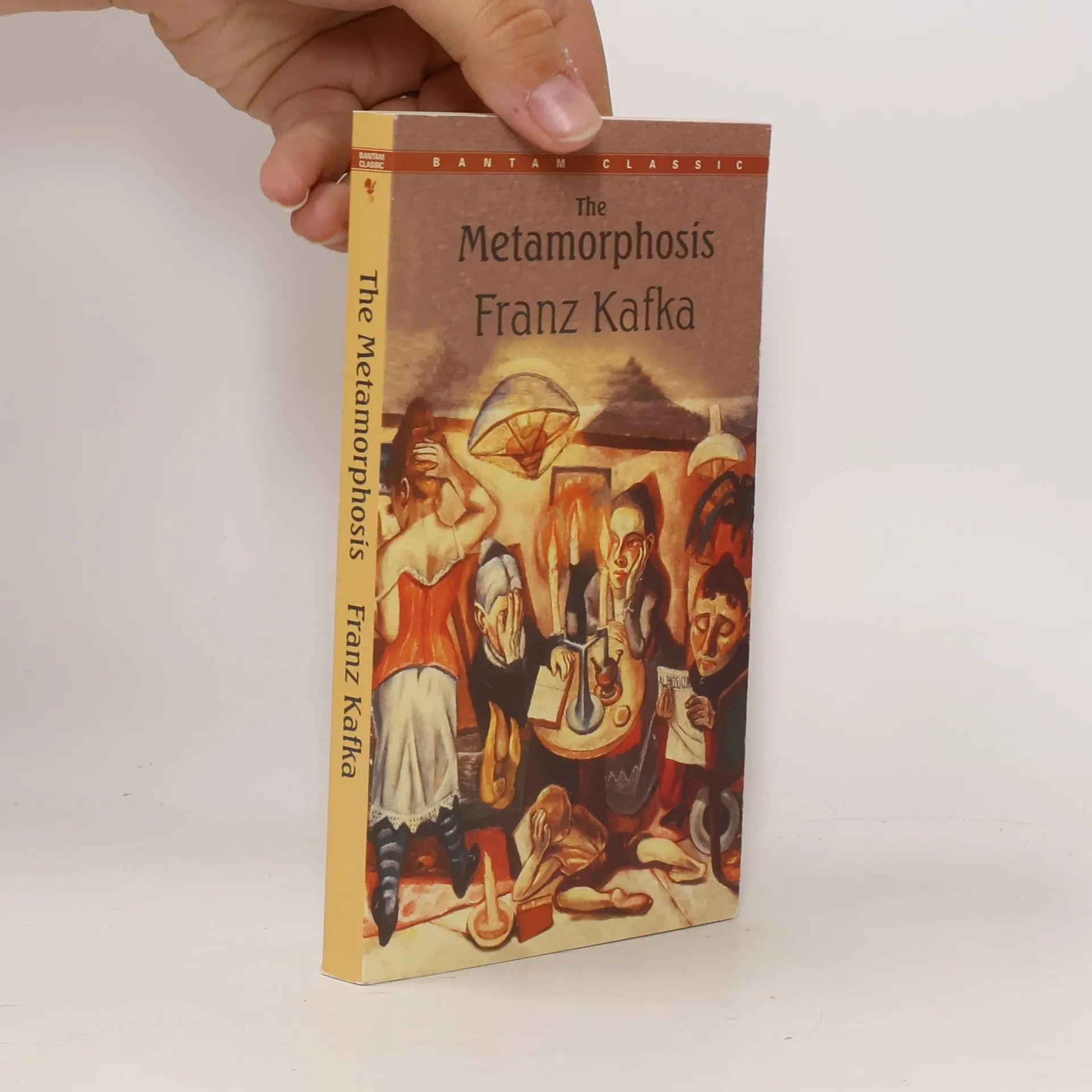
Franz Kafka's enigmatic, deadpan, and deeply pessimistic stories are central to literary modernism. In 'The Metamorphosis', the estrangement of everyday life becomes corporealized when Gregor Samsa wakes up as a giant bug and wonders how he is going to get to work on time. Kafka inverts the implied degradation of a man's transformation into an animal in 'A Report of the Academy', an ape's address to a group of scientists.
“When Gregor Samsa woke up one morning from unsettling dreams, he found himself changed in his bed into a monstrous vermin.” With this startling, bizarre, yet surprisingly funny first sentence, Kafka begins his masterpiece, The Metamorphosis. It is the story of a young man who, transformed overnight into a giant beetlelike insect, becomes an object of disgrace to his family, an outsider in his own home, a quintessentially alienated man. A harrowing—though absurdly comic—meditation on human feelings of inadequacy, guilt, and isolation, The Metamorphosis has taken its place as one of the most widely read and influential works of twentieth-century fiction. As W.H. Auden wrote, “Kafka is important to us because his predicament is the predicament of modern man.”
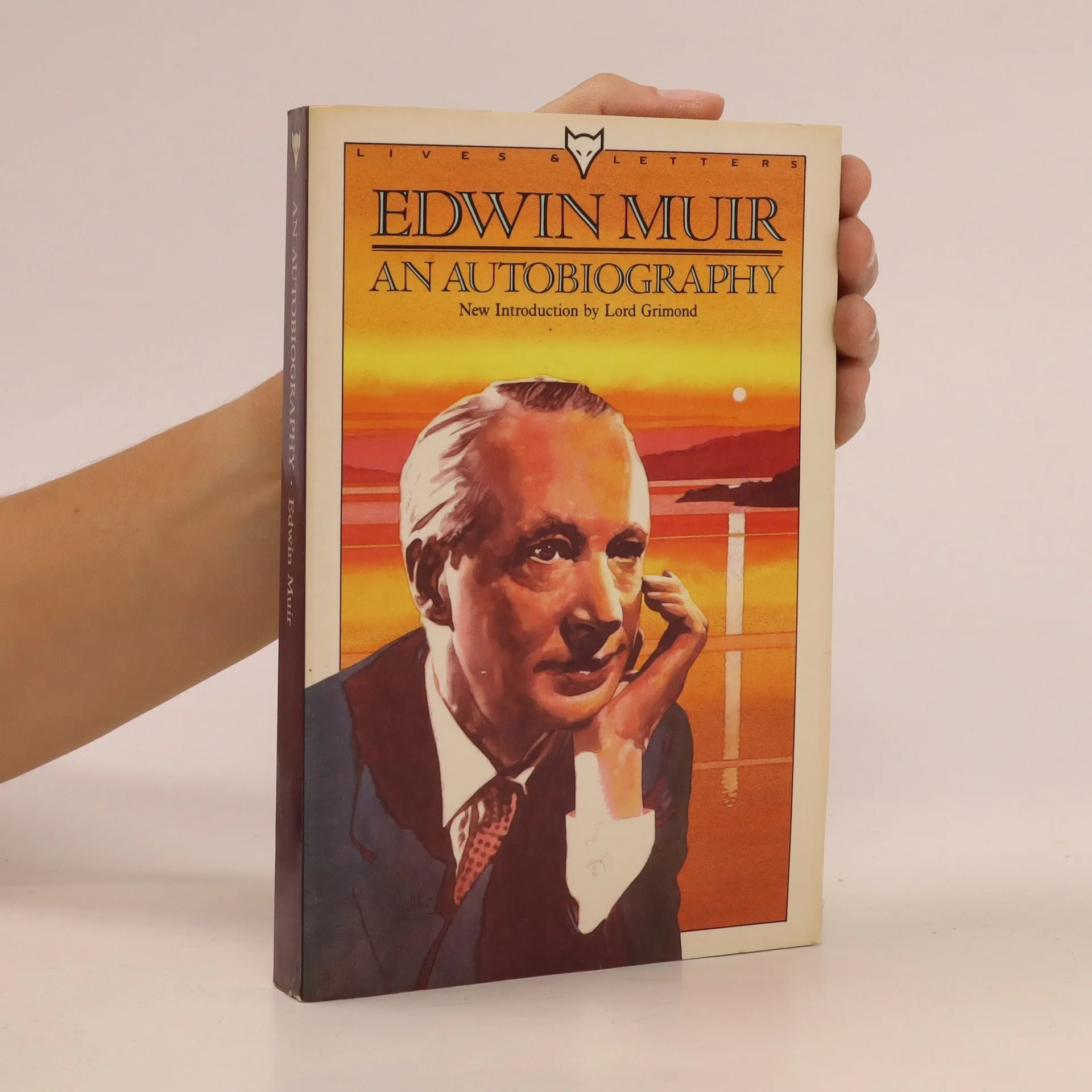
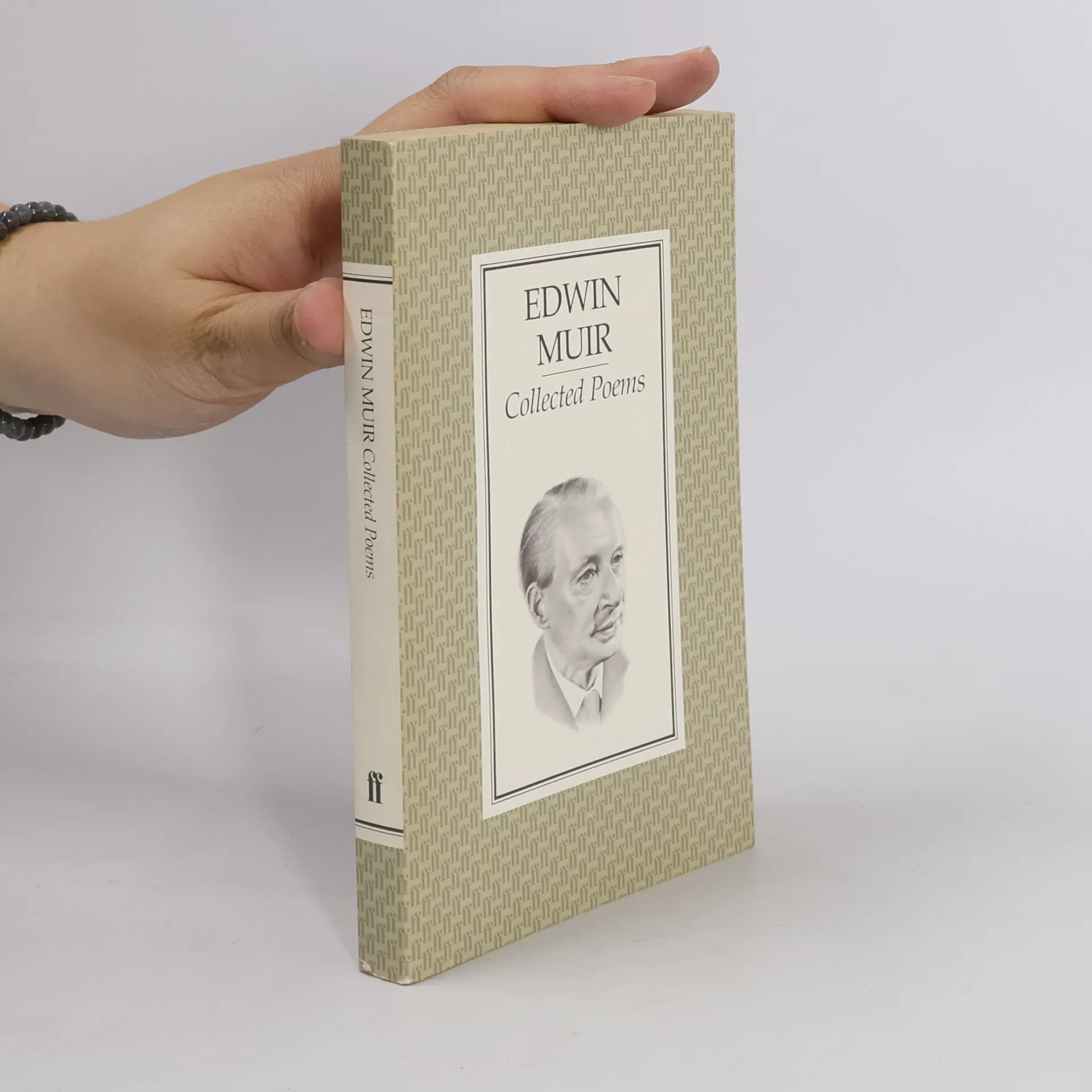
From his sheltered childhood in Orkney to the turmoil of industrial Glasgow, Edwin Muir was witness to some of the most traumatic years and events of our modern age. And yet, in his life and in his art, he was constantly haunted by the symbolic 'fable' which he longed to find beneath the surface reality of the everyday. From his dream notebooks to his travels in Eastern Europe, Muir paints an unforgettable picture of the slow and sometimes painful growth of a poet's sensibility as he comes to terms with his own nature amidst the terror and confusion of the twentieth century.
Józef K., oskarżony bez podania zarzutów, to nie żaden skromny urzędnik ani
człowiek bez winy - choć tak się zwykło czytać Proces. Siła, która niszczy
karierę i życie ambitnego bankowca, to - także wbrew tradycyjnej lekturze ani
biurokracja, ani dyktatura. O co tu w takim razie chodzi? By znaleźć własną
odpowiedź, trzeba i warto uważnie czytać arcydzieło Kafki, odkrywając w nim
niewyczerpane bogactwo sensów i bezsensów. W tym wydaniu przydatne w tym celu
szkice dołączyli tłumacz, a także prof. Łukasz Musiał, który za swoją książkę
Kafka. W poszukiwaniu utraconej rzeczywistości otrzymał prestiżową nagrodę
Literatury na Świecie. Świeżej daty przekład Procesu unika filologicznych
pomyłek wcześniejszego i uwzględnia rozdziały zarzucone przez Kafkę. Stara się
też odtwarzać symboliczny charakter tej odrealnionej prozy, ale i jej rzeczowy
język, ironię i humor.
Praga na początku XX wieku. Szesnastoletni Karl Roßmann zostaje surowo ukarany przez rodziców za niejasny erotyczny związek z pokojówką: wysyłają go do Ameryki. To, co miało być karą, otwiera przed chłopcem nowe życie, z dala od konserwatywnej ojczyzny. Z wielkimi oczami poszukuje swojego miejsca w tej nowej rzeczywistości, pełnej wielkomiejskich metropolii, optymizmu i bezwzględnego kapitalizmu. Jednak poszukiwania młodego Karla szybko przeradzają się w odyseję. Bogaty wujek, który początkowo się nim opiekuje, wkrótce go odrzuca z powodu kolejnej podejrzanej sprawy. Karl zostaje windziarzem w "Hotelu Occidental", którego nieprzejrzysty aparat administracyjny, rządzony przez bezosobowe, biurokratyczne siły w tle, staje się symbolem anonimowej władzy. Karl czuje się bezsilny wobec tej całkowicie niepojętej, nieustannie wymykającej się organizacji. Ostatecznie znajduje schronienie u piosenkarki Bruneldy, która ponownie wplątuje go w seksualną grę zależności. Kafkowski fragment powieści "Ameryka" (1927) to rzadkość, która długo pozostawała w cieniu bardziej znanych dzieł. Lżejszy, mniej mroczny, ale nie mniej mistrzowsko sformułowany, oferuje fascynującą przyjemność czytania i klucz do późniejszych prac.