Pravoslav Sovak : krajiny času = landscapes of time
- 220 stron
- 8 godzin czytania
Katalog k výstavě Pravoslav Sovak - Krajiny času. Museum Kampa 24.2. - 27.5.2018





Katalog k výstavě Pravoslav Sovak - Krajiny času. Museum Kampa 24.2. - 27.5.2018
Wymazywanie – ostatnia powieść Thomasa Bernharda uznawana za jego szczytowe osiągnięcie literackie. W niezrównanym monologu Franza Muraua, który, otrzymawszy telegram z informacją o tragicznej śmierci rodziców i brata, jedzie z Rzymu do Wolfsegg, ogromnej rodzinnej posiadłości, by pochować zmarłych i zdecydować o przyszłym losie majątku, pisarz wygłasza zjadliwą i brawurową pod względem stylistycznym krytykę Austrii i utrzymującej się również po II wojnie światowej katolicko-narodowosocjalistycznej mentalności jej obywateli. Swoim zwyczajem autor szydzi absolutnie ze wszystkiego: w karkołomnych, wielokrotnie złożonych zdaniach pełnych właściwych mu powtórzeń wyśmiewa na przykład bezmyślne działania wszelkich możliwych instytucji państwowych, które niszczą umysł i ducha człowieka, chłoszcze bezduszną służbę zdrowia, kpi z fotografii jako najstraszliwszego, sprzecznego z naturą wynalazku ludzkości, wygłasza niepowtarzalną tyradę na temat segregatorów firmy Leitz, naigrawając się z wszechobecnej biurokracji, drwi z dokonań największych pisarzy obszaru języka niemieckiego. Celem jego ataków jest jednak przede wszystkim głupota.
V technokraticky a byrokraticky organizovaném pracovním světě má člověk stále větší problémy prosadit se jako individuální, autonomní a ve své oblasti činnosti aktivní osoba. Byrokracie a státní správa na straně jedné a globálně operující hospodářské organizace na straně druhé nutí k přizpůsobování, v němž člověk přichází o svoji individualitu, nedokáže se identifikovat s prací a nakonec ani se svým soukromým životem. Ztrácí motivaci, jeho výkon klesá a sám tomuto tlaku podléhá, vnitřně se vzdává. V popředí moderní společnosti stojí dnes především rozmnožování blahobytu bez ohledu na všeobecné blaho a životy příštích generací …
Výbor miniatur, glos, výstižných črt i krátkých povídek z let 1899–1920 tohoto významného švýcarského autora představuje vhled do jeho tvorby nejvlastnější: v psaní krátkých próz byl Robert Walser jedinečný a neopakovatelný, v mnohém překonávají jeho vlastní romány.
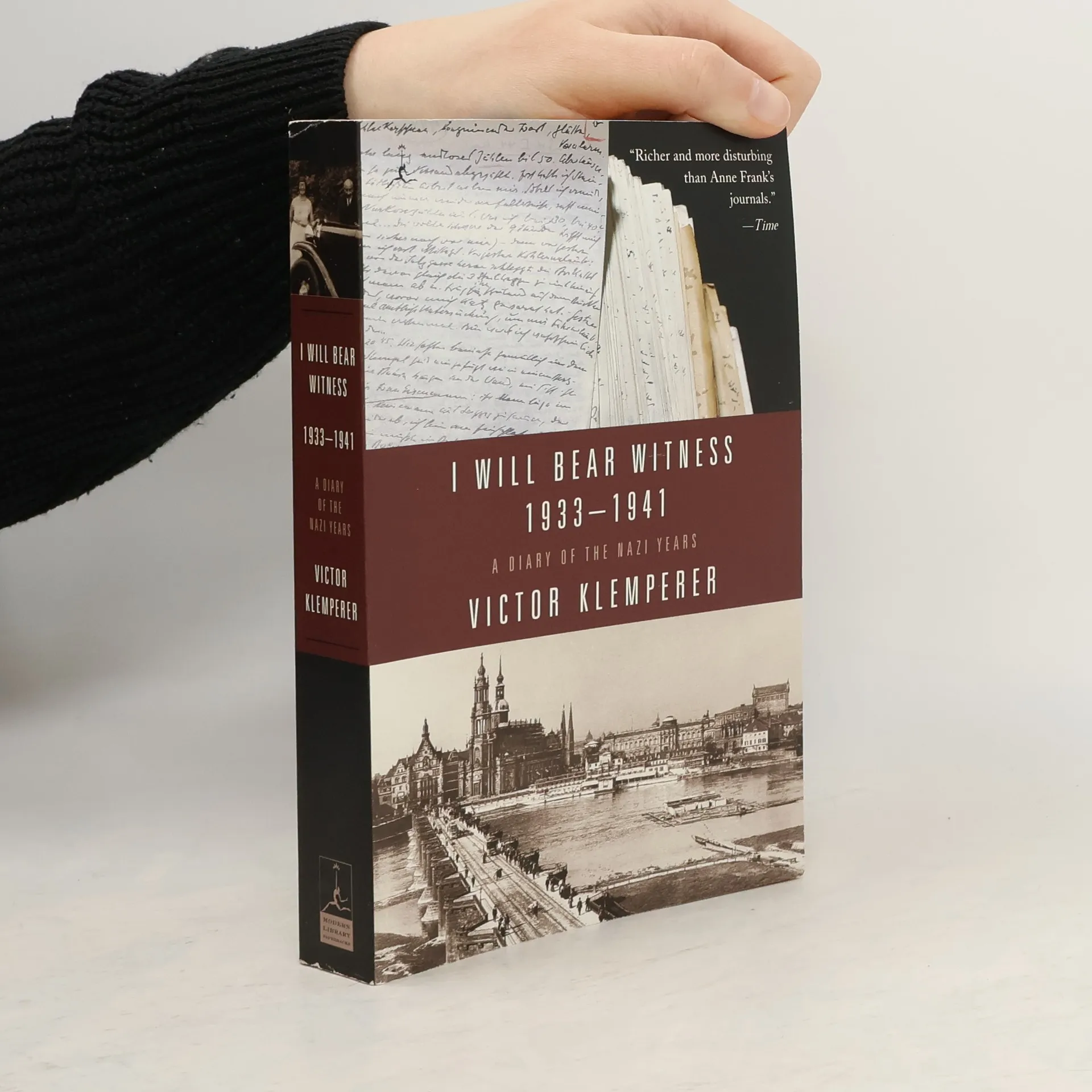
The publication of Victor Klemperer's secret diaries reveals an extraordinary account of daily life during the Nazi period. Described as the best-written and most evocative record of the Third Reich, it combines literary merit with a stark portrayal of the horrors of the era. A Dresden Jew and World War I veteran, Klemperer recognized the dangers posed by Hitler as early as 1933. His clandestine diaries vividly document the experiences of everyday life under Nazi rule, focusing on the thoughts and actions of ordinary Germans, such as the greengrocer and the fishmonger, who share their perspectives on the war's progress. Klemperer, a brilliant historian, struggles to complete his work on eighteenth-century France while witnessing the tightening grip of the regime. He faces the loss of his professorship, his possessions, and ultimately his home, forced into a Jews' House—the last step before the camps. Despite the risks of keeping a diary, he feels compelled to record the unfolding events, stating, "This is my heroics. I want to bear witness, precise witness, until the very end." Klemperer emphasizes the significance of documenting the everyday life of tyranny, asserting that "a thousand mosquito bites are worse than a blow on the head." This volume covers the years from 1933 to 1941, with a second volume planned for 1999.
'Probably nothing exists that would prepare one for Bernhard's machined vehemence, though once you've read one, you perhaps start to crave the bitter taste and the savage not-quite-humour ... Genius.' - Michael Hofmann Instead of the book he is meant to write, Rudolph, a Viennese musicologist, produces this dark and grotesquely funny account of small woes writ large, of profound horrors detailed and rehearsed to the point of distraction. We learn of Rudolph's sister, whose help he invites then reviles; his 'really marvellous' house which he hates; the suspicious illness he carefully nurses; his ten-year-long attempt to write the perfect opening sentence; and his escape to the island of Majorca, which turns out to be the site of someone else's very real horror story, and ultimately brings him no release from himself. Concrete is Thomas Bernhard at his very finest: a bleakly hilarious insight into procrastination and failure that scratches the murky depths of our souls.
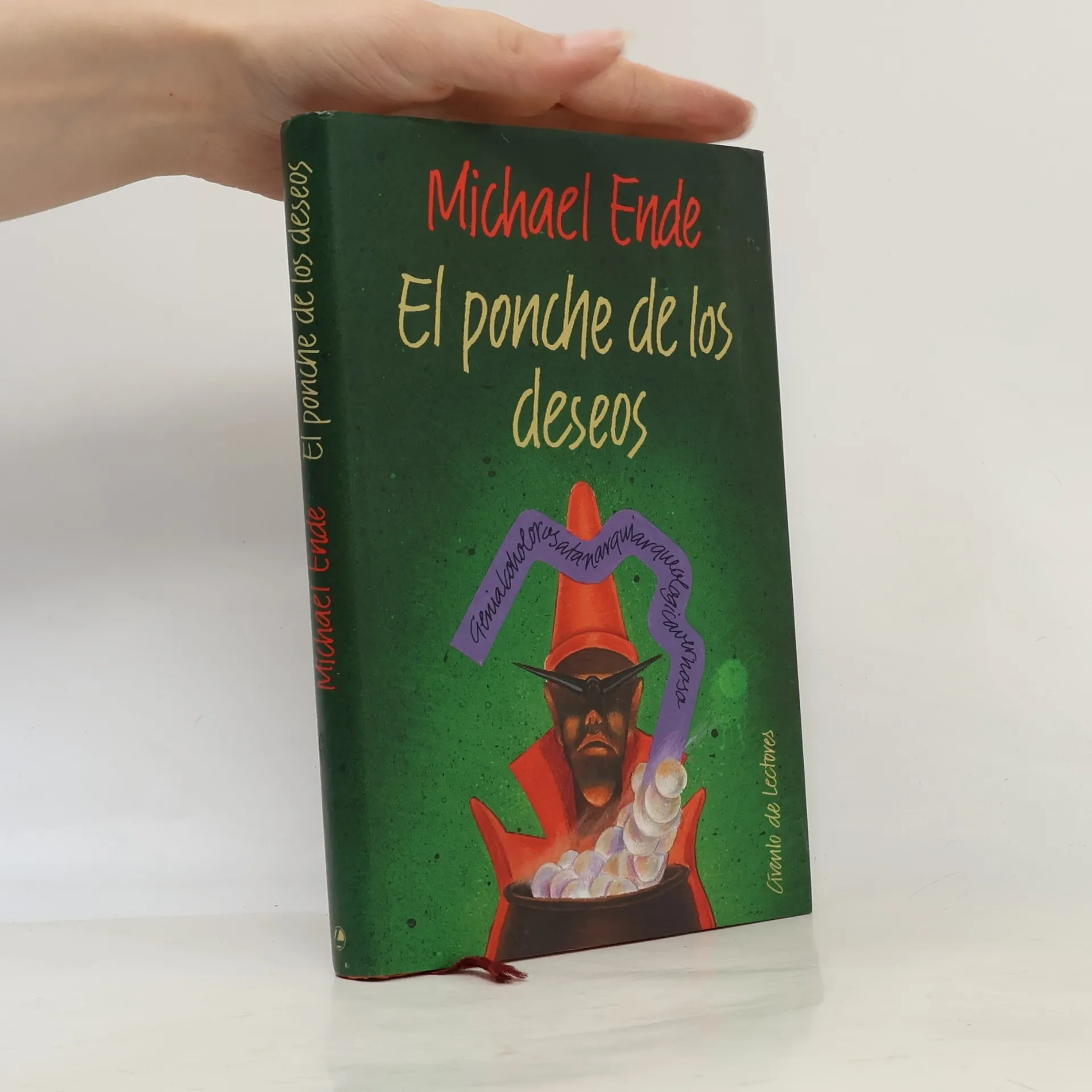
The sorcerer Beelzebub Preposteror and his witchy aunt must complete their annual quota of evil deeds before midnight. But a small cat and a raven are waiting to foil their plans and save the world.
Narratorem Zaburzenia, wczesnej powieści Thomasa Bernharda (1931-1989), jest dorosły syn wiejskiego lekarza. Pewnego dnia towarzyszy ojcu podczas rutynowego objazdu pacjentów mieszkających w górskiej dolinie. Odwiedzają schorowanych ludzi, wyniszczonych cierpieniem przeżywanym w osamotnieniu i biedzie. Trafiają wreszcie na zamek Hochgobernitz do księcia Saurau, który wygłasza długi i z czasem coraz bardziej szalony monolog. Wizyty u chorych skłaniają narratora do bliższego przyjrzenia się relacjom w swojej najbliższej rodzinie - między ojcem, siostrą, przedwcześnie zmarłą matką i nim samym. Thomas Bernhard, austriacki mistrz prozy i dramatu XX wieku, kreuje niemal hipnotyczną opowieść o alienacji, samotności i zaburzonych więziach rodzinnych, których źródłami są: zakłamana mentalność, nazistowskie dziedzictwo, wynaturzenia państwowych systemów oraz mroczna przyroda. Zaburzenie jest dziełem wyrafinowanym stylistycznie i niekiedy druzgocącym, ale jednocześnie oferującym czytelnikom fascynującą lekturę.
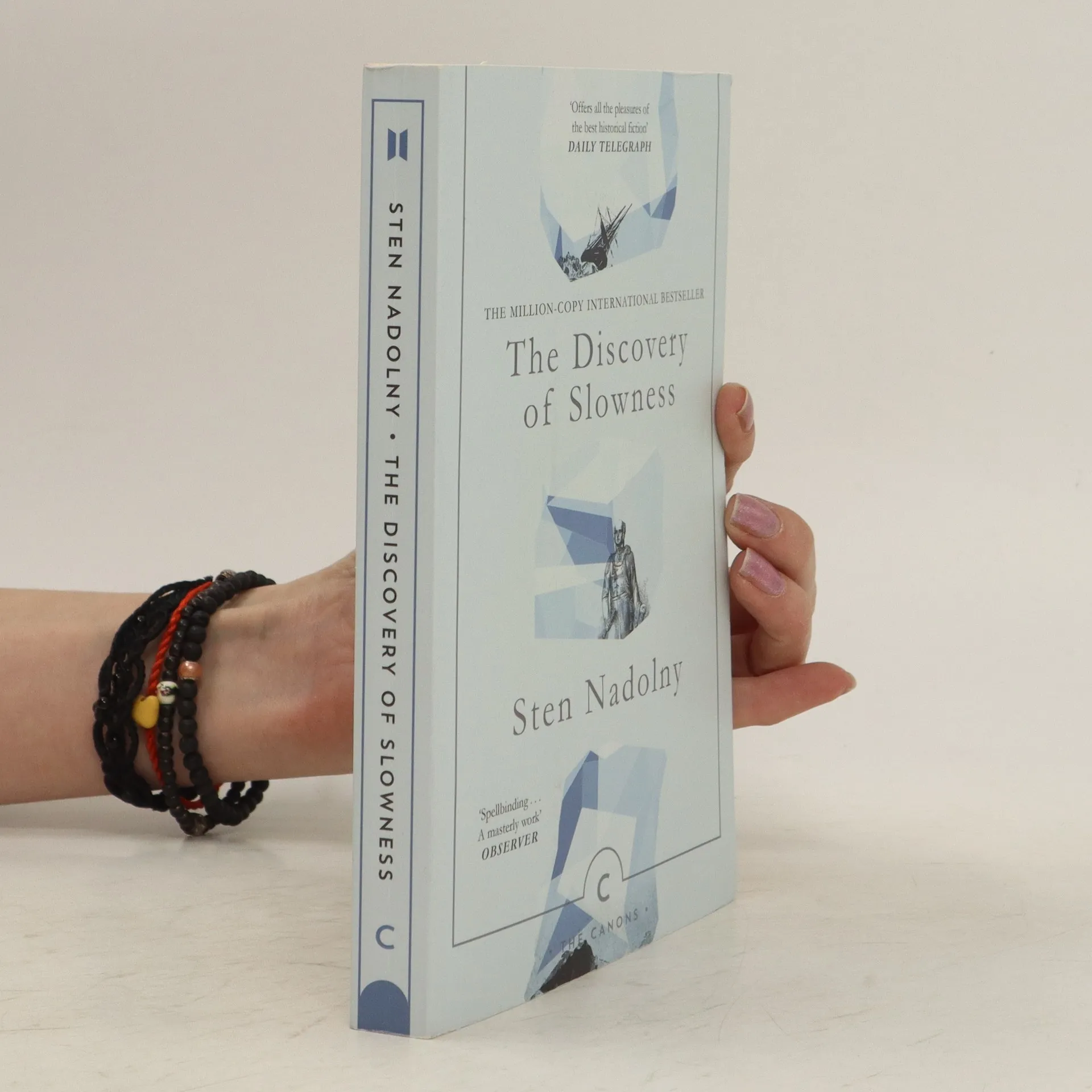
Nadolny's masterpiece, The Discovery of Slowness tells the incredible story of Sir John Franklin, a sailor and explorer who battled the frozen Arctic wastes and paved the way for the discovery of the Northwest Passage. Ridiculed for his slowness in his youth, Franklin's quiet calm later helps him to become an icon of adventure.A classic of contemporary German literature, The Discovery of Slowness is not only a riveting account of a remarkable life but also a profound and thought-provoking meditation on time.
Jahnns kürzester Prosatext behandelt zentrale Themen seiner Dichtung wie Jugend, Liebe, Mensch und Tod. In seinen Knabentragödien sterben Liebende gemeinsam, was Ängste vor dem einsamen Tod weckt. Winkler reflektiert über die befreiende und lebensrettende Kraft der Literatur.
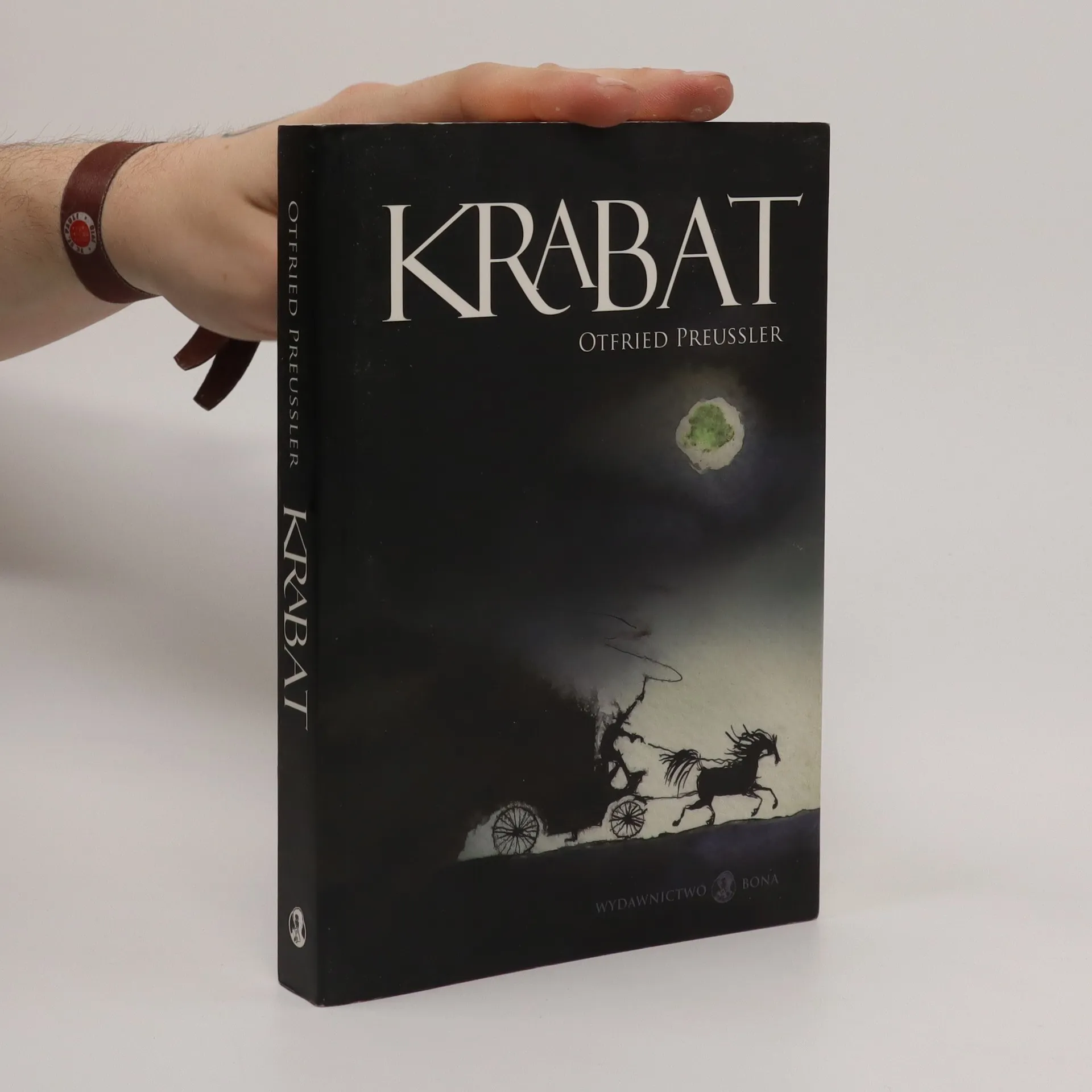
Czternastoletni Krabat miewa dziwne sny: nieznany głos uporczywie namawia go do wizyty w młynie na Koźlim Brodzie. Miejsce to okazuje się niezwykłe: młynarz po zapadnięciu zmroku zamienia się w jednookiego czarnoksiężnika, który paktuje z ciemnymi mocami, a swych czeladników zaznajamia z tajnikami czarnej magii. Za opanowanie nadludzkich mocy płaci się jednak bardzo wysoką cenę… Autor „Krabata” oparł fabułę na popularnej łużyckiej legendzie; mroczna atmosfera, niesamowite przygody i ciężar tajemnicy - to cechy, które swoimi korzeniami sięgają ludowych baśni z terenów polsko-niemieckiego pogranicza. Ta niesamowita historia trzyma czytelnika w napięciu aż do ostatniej strony. Warto dodać, iż jest to jedna z najczęściej nagradzanych pozycji w dorobku Otfrieda Preusslera, tym razem skierowana do nieco starszych czytelników niż Mały Duszek czy Malutka Czarownica. Potencjał książki wykorzystał Marco Kreuzpaintner, który zekranizował powieść Preusslera w 2008 roku, nadając filmowi tytuł Uczeń Czarnoksiężnika.
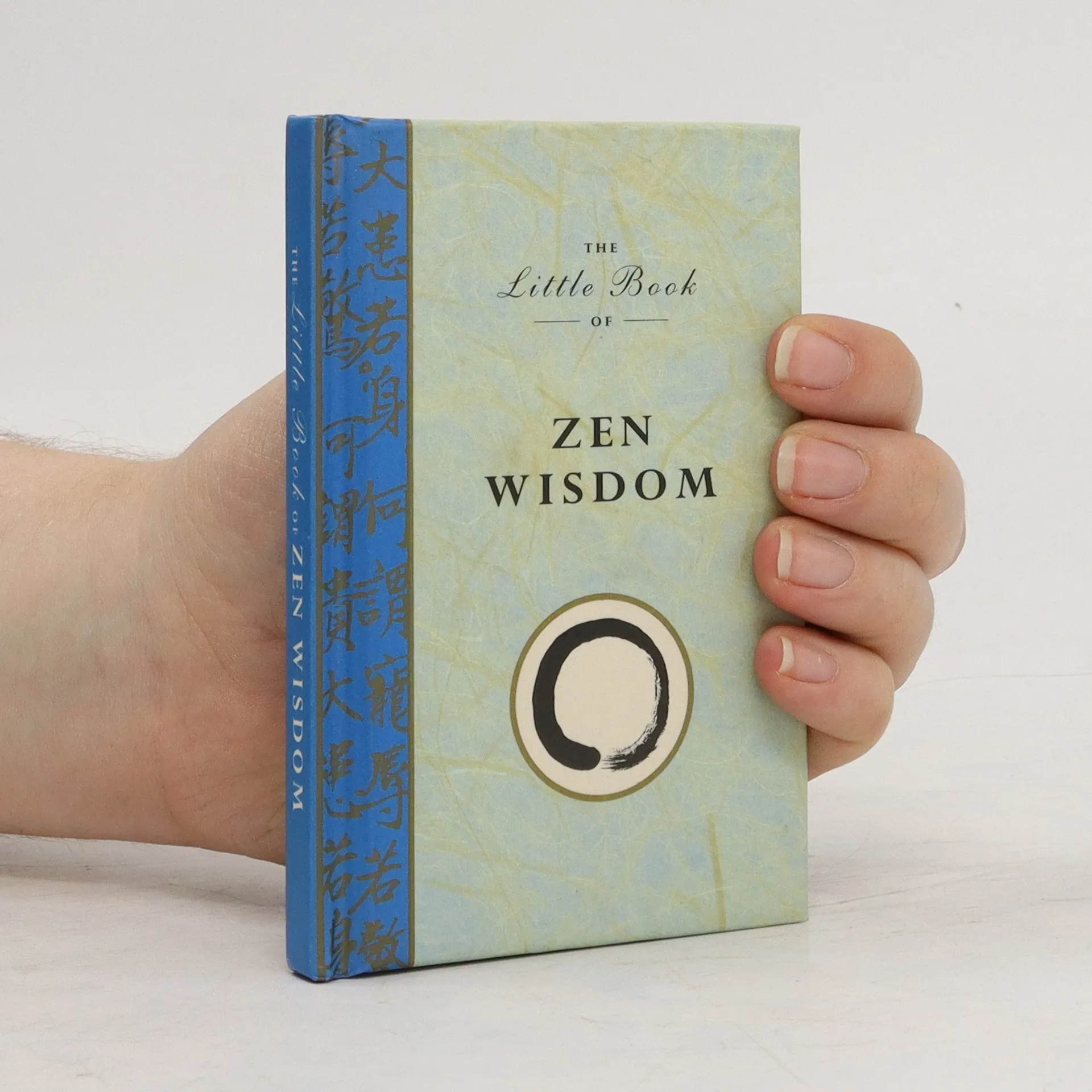
This is a collection of stories, koans, poetry and sayings that capture the simplicity, the humour and the profound wisdom of the Zen masters. The brief introduction explains that the theme of instant enlightenment is central to Zen and that the role of Zen master is to bring the pupil to the point where he, too, becomes a master - master of himself. When the pupil drops all mental concepts and transcends the limitations of the human mind, he experiences relaity with no mind - he is enlightened. Designed to be dipped into at random and to tease the mind of the modern reader, this collection sets out to capture the essence of Zen.
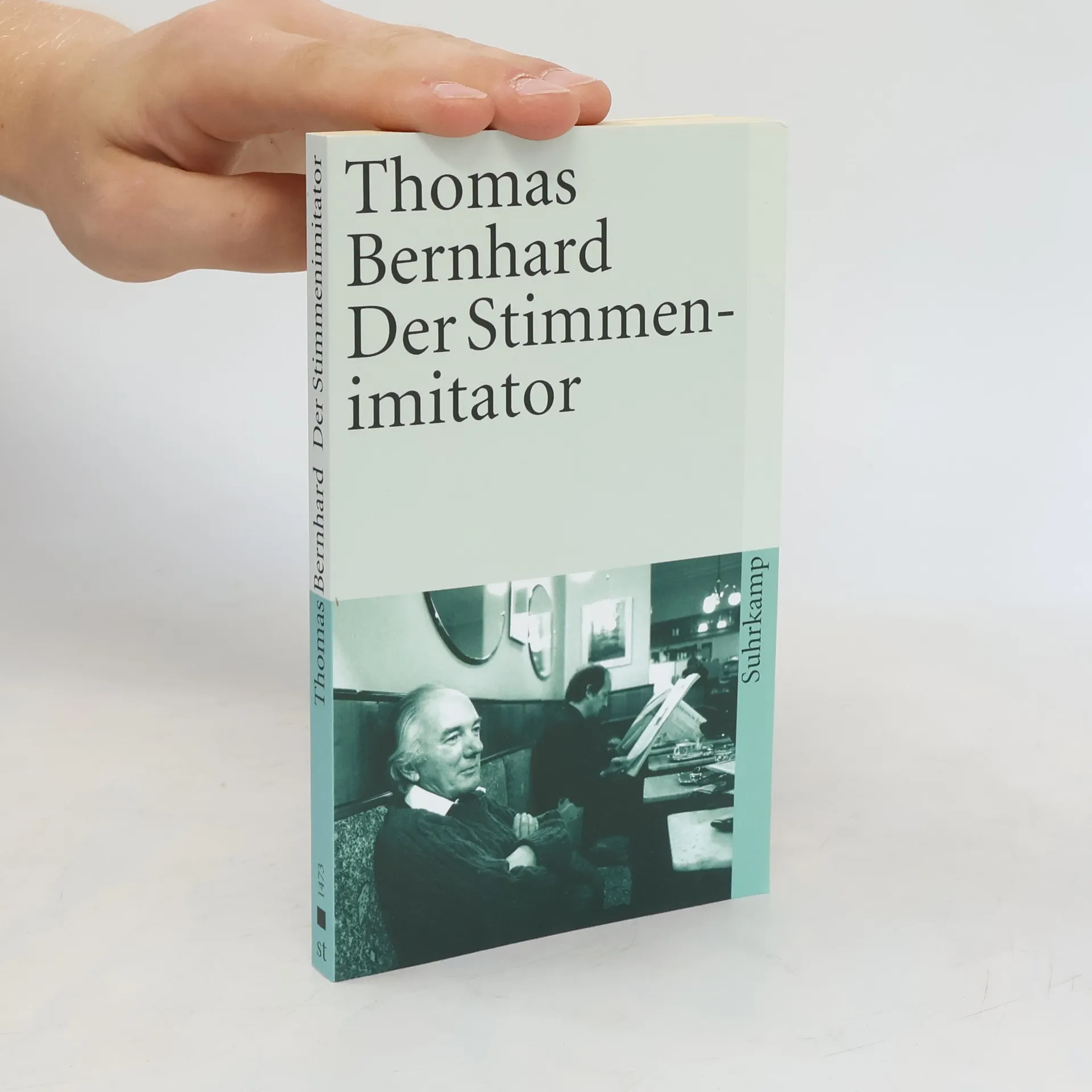
Viele Stimmen versammelt dieses 1978 erstmals erschienene Buch in seinen mehr als hundert kurzen Prosastücken. Von sehr verschiedenen Gestalten wird berichtet, von Philosophen und Schriftstellern, Dompteuren, Schauspielern und Wahrsagern, von Postboten, Bankangestellten und Chorknaben, von Bürgermeistern, Direktoren und Präsidenten. Allemal sind es Leidensgeschichten, an deren Sachlichkeit man täglich vorbeigeht.
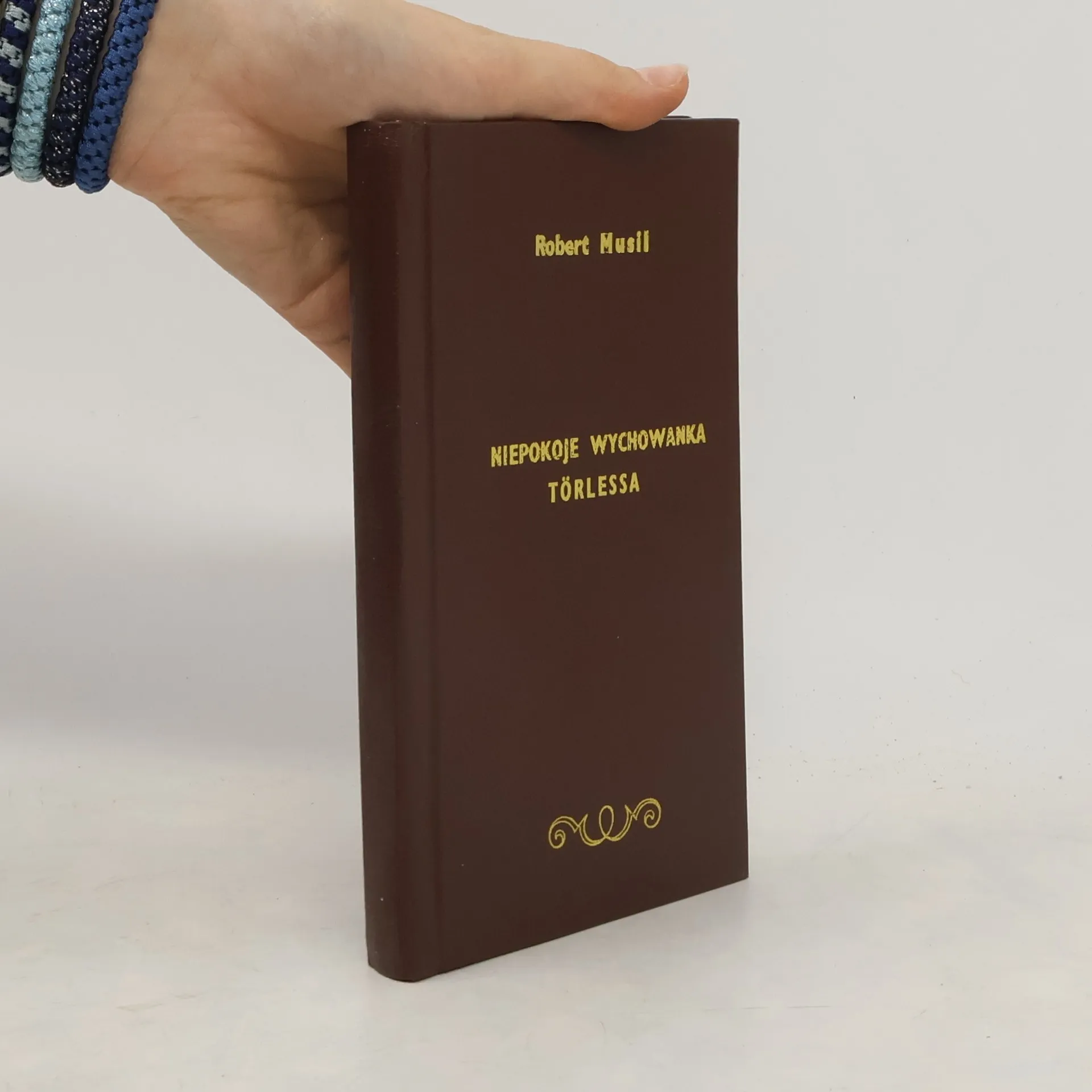
Pierwsza powieść Roberta Musila, opublikowana w 1906 roku, zanurza nas w przerażającym świecie obozowym, ukrytym za fasadą wojskowego internatu, który kształci synów austriackiej burżuazji. Schematy powieści o dojrzewaniu zostają zniekształcone przez rejestrację sadystycznych rytuałów, które charakteryzują życie uczniów, ukazując mechanizmy dominacji i pogardy dla wolności jednostki. Tworzy to świat młodzieńczy podzielony między katów a ofiary, związany przez chorobliwe namiętności. Protagonista stara się podążać za swoją intelektualną przygodą, balansując między współudziałem a odrazą, pragnieniem zrozumienia a moralnym odrzuceniem. Szczególnie niepokoi go pragnienie seksualne postrzegane jako degradujące i winne, które manifestuje się w atrakcji do nieprzyjemnej prostytutki lub wrażliwego kolegi. Ten wewnętrzny konflikt staje się emblematyczny dla defektu istnienia, którego rozum nie potrafi uzdrowić. Largely autobiograficzna, powieść natychmiast przyciągnęła uwagę europejskiej kultury dzięki swojej niepokojącej nowości i prawdzie, a także mistrzostwu pisarskiemu, mimo młodego wieku autora.
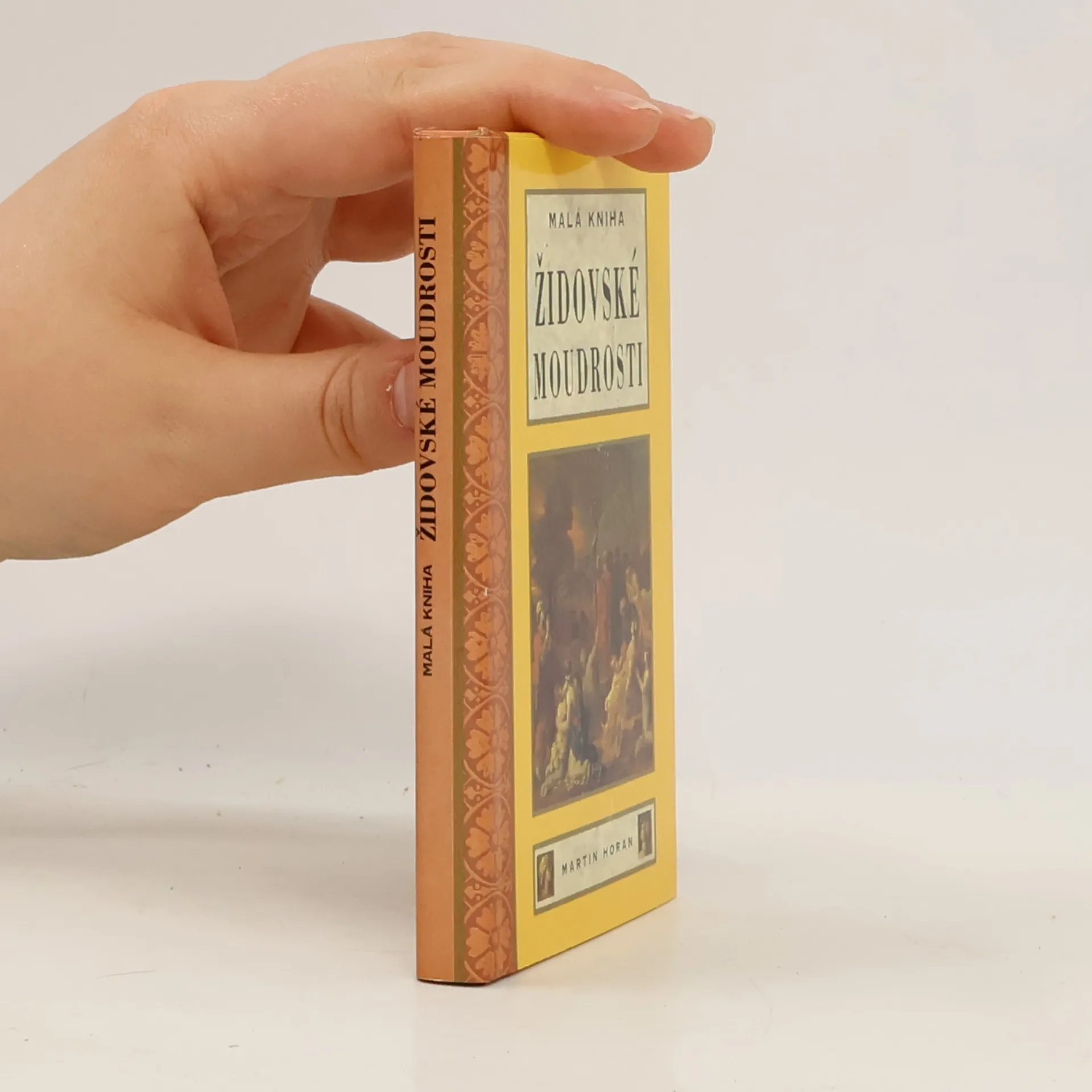
Kapesní vydání zásad, moudrostí, aforismů, citátů a stěžejních myšlenek židovského učení.
Der Titel dieses Buches ist eine Widmung an Franz Werfels Kinderfrau Barbara Simunkova, die als Symbol christlicher Tugendhaftigkeit und „Erweckerin des Feuers“ seiner Erinnerungskraft fungiert. In vier „Lebensfragmenten“ bleibt Barbara, die nur am Anfang und Ende erwähnt wird, eine unsichtbare Begleiterin und das innere Thema des Buches, das Fiktion mit realen Ereignissen verknüpft. Ferdinand R., ein Schiffsarzt, reflektiert während einer Mittelmeerreise über sein Leben. Als früh verwaister Junge wird er nur kurz von Barbara betreut, was ihm jedoch genügt, um sie mystisch als „Wahlmutter“ zu erkennen. Ferdinand besucht die Kadettenschule, wo er Feindseligkeit und Intrigen erlebt, wird vertrieben und landet in einem Priesterseminar. Ein Freund überzeugt ihn, Arzt statt Priester zu werden. Mit dem Ausbruch des Ersten Weltkriegs meldet er sich freiwillig an die Front. Die Erfahrungen des Krieges und die revolutionären Unruhen in Wien danach werden in einem psychologisch und atmosphärisch brillanten Dokument festgehalten, das den Zerfall der alten Doppelmonarchie beschreibt. Die zentralen Lebensfragmente zeigen Zeitgenossen wie Egon Erwin Kisch in fiktiven Porträts und Parodien. Trotz der fragmentarischen Form ist es Werfels persönlichstes und literarisch virtuosestes Werk.
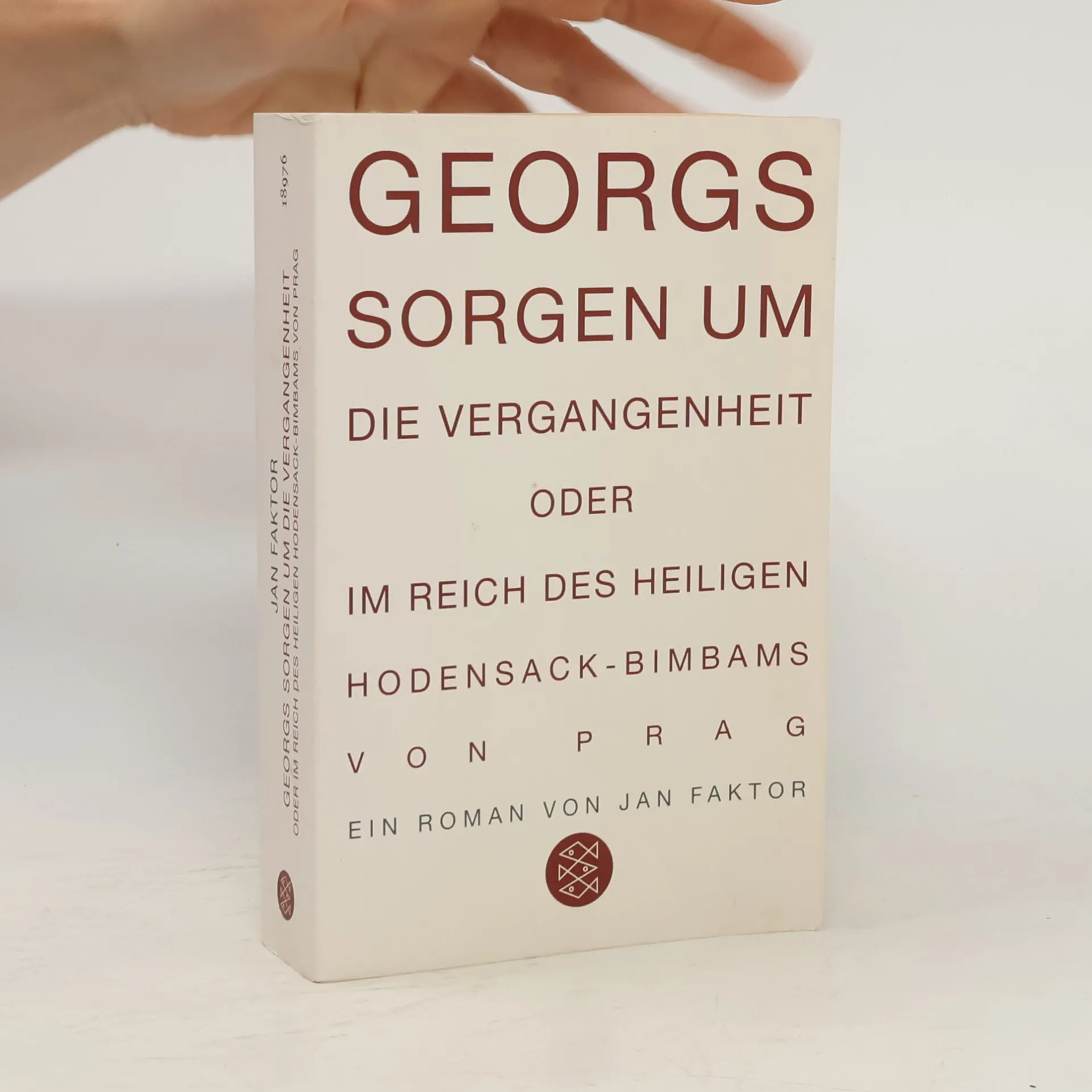
Ein erotischer Entwicklungsroman über Georgs Aufwachsen in einem Frauenhaushalt in Prag während politischer Turbulenzen. Umgeben von traumatisierten Verwandten und einer schönen Mutter flieht er in eine gewalttätige, chaotische Stadt. Der Roman bietet ein witziges Psychogramm der Familie und ein eindringliches Porträt Prags.
Anfang Januar 1956 notierte Adorno: »Unsere Träume sind nicht nur als ›unsere‹ untereinander verbunden, sondern bilden auch ein Kontinuum, gehören einer einheitlichen Welt an, so etwa, wie alle Erzählungen von Kafka in ›Demselben‹ spielen. Je enger aber Träume untereinander zusammenhängen oder sich wiederholen, um so größer die Gefahr, daß wir sie von der Wirklichkeit nicht mehr unterscheiden können.« Die Bedeutung des motivischen Zusammenhangs seiner Träume legte ihm den Gedanken nahe, eine Reihe von ihnen auszuwählen und zu publizieren. Einer kleinen Sammlung solcher Traumprotokolle, die er für die Veröffentlichung vorgesehen hatte, stellte Adorno folgende Vorbemerkung voran: »Die Traumprotokolle, aus einem umfangreichen Bestand ausgewählt, sind authentisch. Ich habe sie jeweils gleich beim Erwachen niedergeschrieben und für die Publikation nur die empfindlichsten sprachlichen Mängel korrigiert.« Die erste Separatausgabe ergänzt die bereits publizierten Traumprotokolle um den größten Teil einer umfangreicheren Auswahl, die als Typoskript überliefert ist.
Útlá novelka vypráví o prvním citovém vzplanutí šestnáctiletého jinocha k dvacetileté krásce. Slovo červnec v názvu je staročeským označením července.
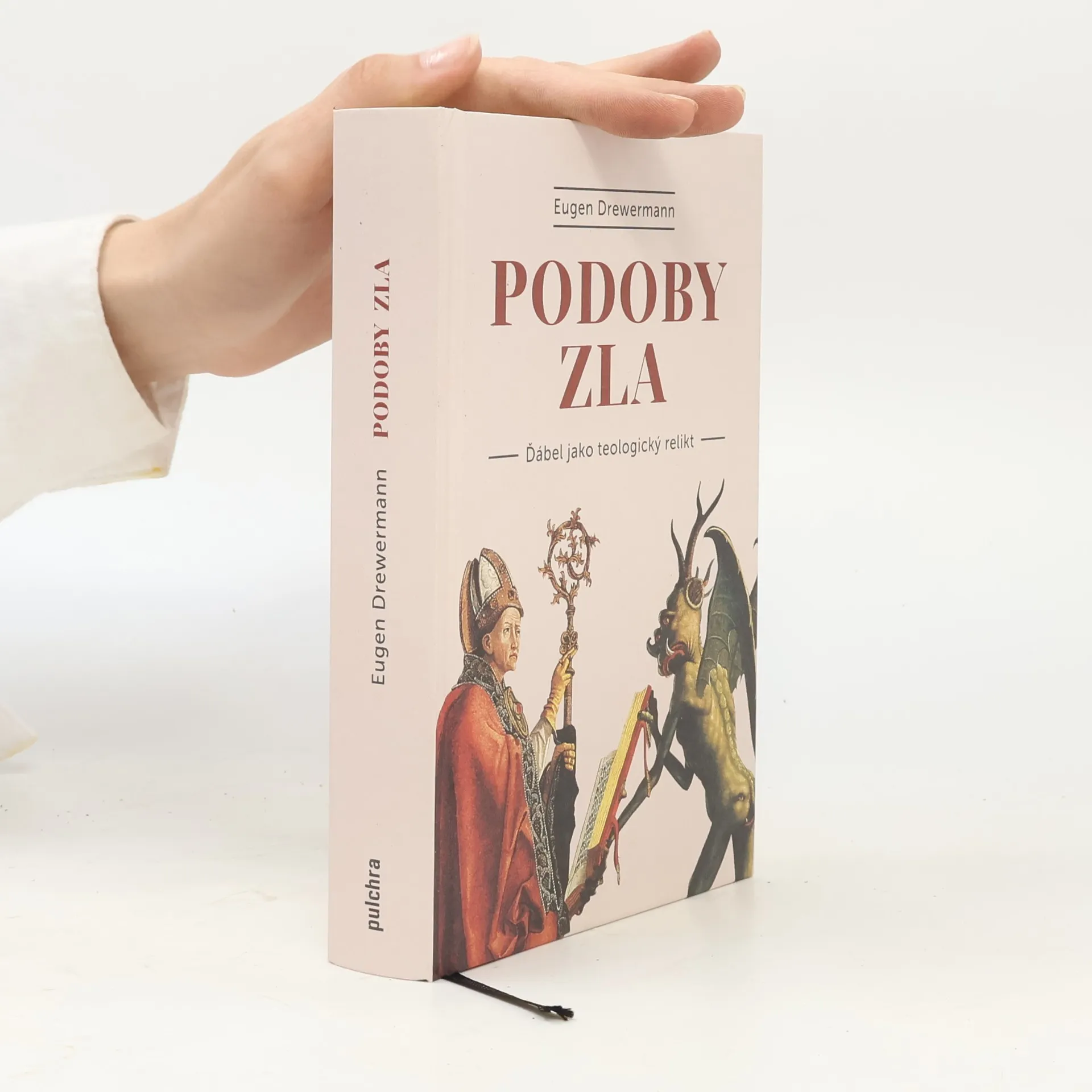
Úvahy o zlu a jeho různých formách, kritika církve, která pomocí strachu z ďábla zajišťuje poslušnost lidí. Drewermann tvrdí, že strach je vštěpován každému jedinci od začátku jeho života, a to strach z porušení desatera a vyloučení z komunity. Církev vytvořila konvenci, že ďábel je synonymem zla, čemuž se lidé obávají. Tato atmosféra strachu se může zneužívat a vést k neurotickým a psychotickým onemocněním, jak upozorňuje Drewermann, psychoterapeut. V rozhovoru s novinářem J. D. Kogelem rozvíjí úvahy o lidské agresi, zoufalství, víře, odpuštění, existenci a hledání ospravedlnění. Zmiňuje také biologii, sociální psychologii, psychoanalýzu, teologii prvotního hříchu a vykoupení, církevní hrozbu pekla a křesťanskou naději v nebe. Eugen Drewermann, profesor katolické dogmatické teologie, byl v roce 1991 zbaven práva učit a v roce 1992 i kázat pro své nekonformní názory. V roce 2005 oznámil odchod z katolické církve a je považován za významného myslitele a univerzálního vzdělance v Německu.
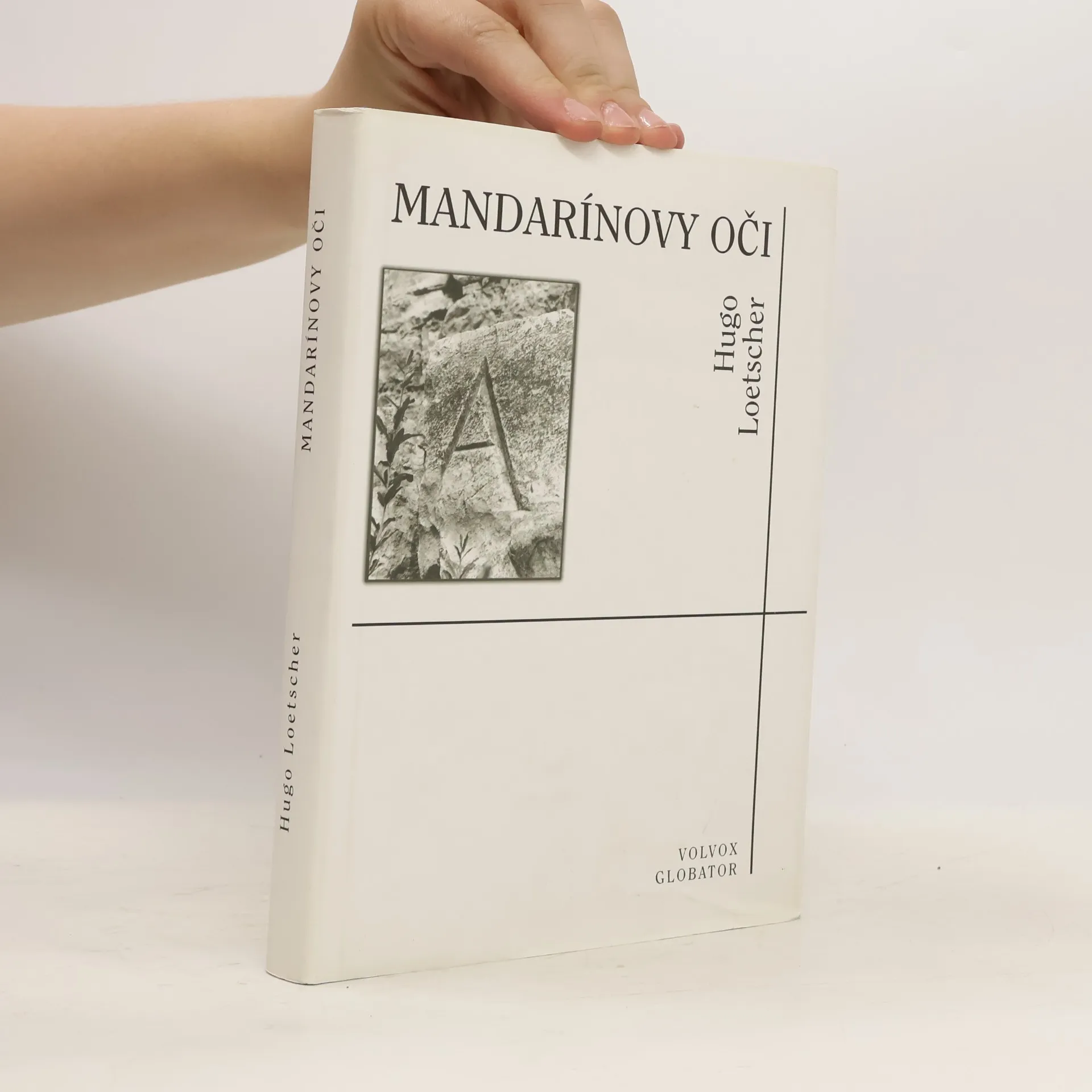
Impozantní románová freska významného současného švýcarského spisovatele. „Lze vidět modrýma očima?“ otázal se mandarín, když se poprvé setkal s barbary z Evropy. „Lze vidět modrozelenýma očima?“ zeptal se sám sebe Past, hlavní postava románu. Právě ho propustili z jakési obskurní kulturní nadace a výše uvedená otázka ho přiměla rozpomenout se na svůj pohnutý život a procestovat znovu téměř všechny světadíly v opojném víru času a obrazů, kdy se události prolínají a důvěrně známé se nečekaně mění v cizí.
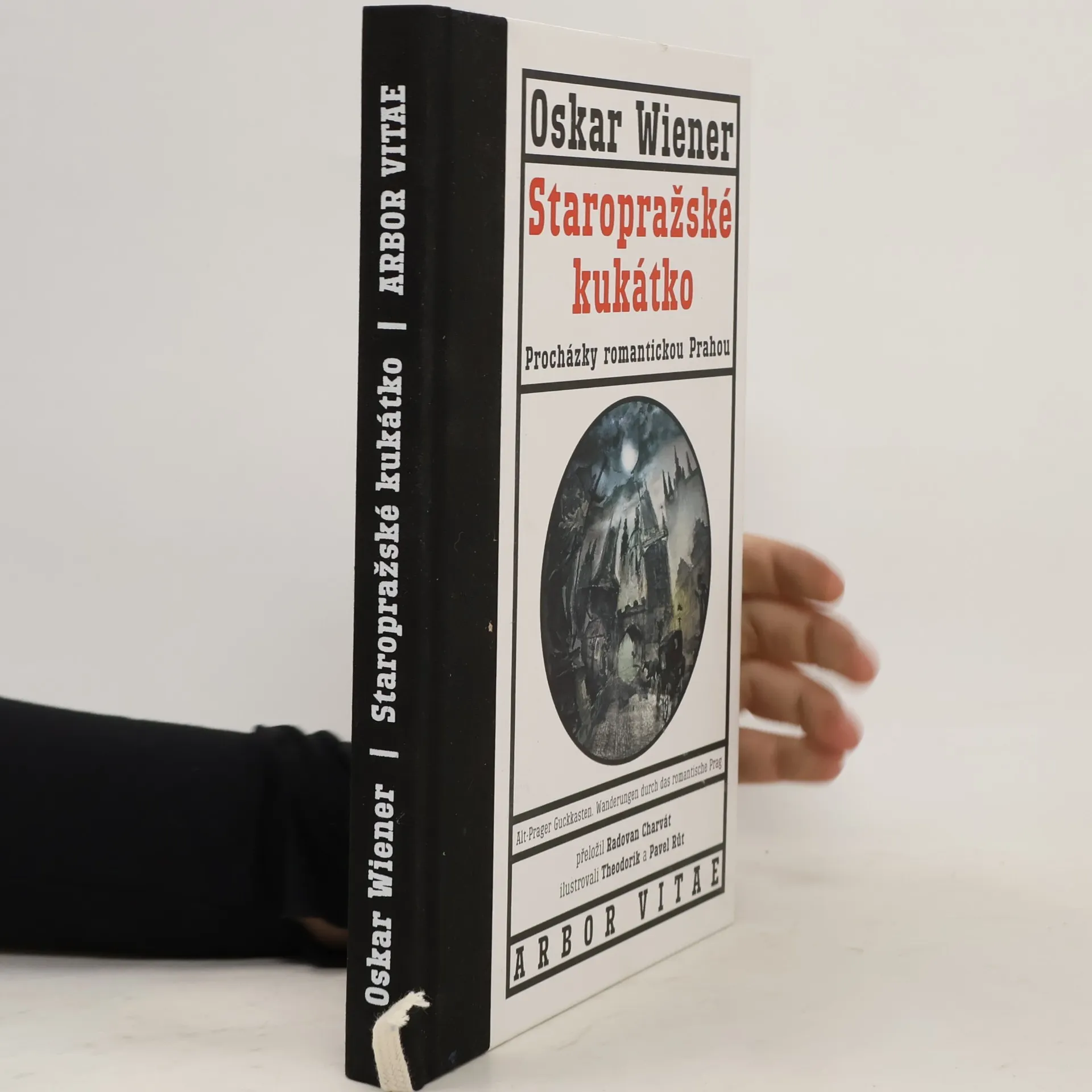
Procházky romantickou Prahou. Alt-Prager Guckkasten. Wanderungen durch das romantische Prag
Kniha je básnickým obrazem romantické Prahy, jejích pověstí, příběhů i života přelomu 19. a 20. století. Zároveň je i průvodcem po Praze novoromantického uskupení Jung-Prag, pro které byla základním inspiračním zdrojem. Magickým městem. Staropražské kukátko bylo zásadní inspirací knihy Magická Praha Angela Marii Ripellina. Toto vydání je první knihou z rozsáhlého díla Oskara Wienera přeloženou do českého jazyka.