


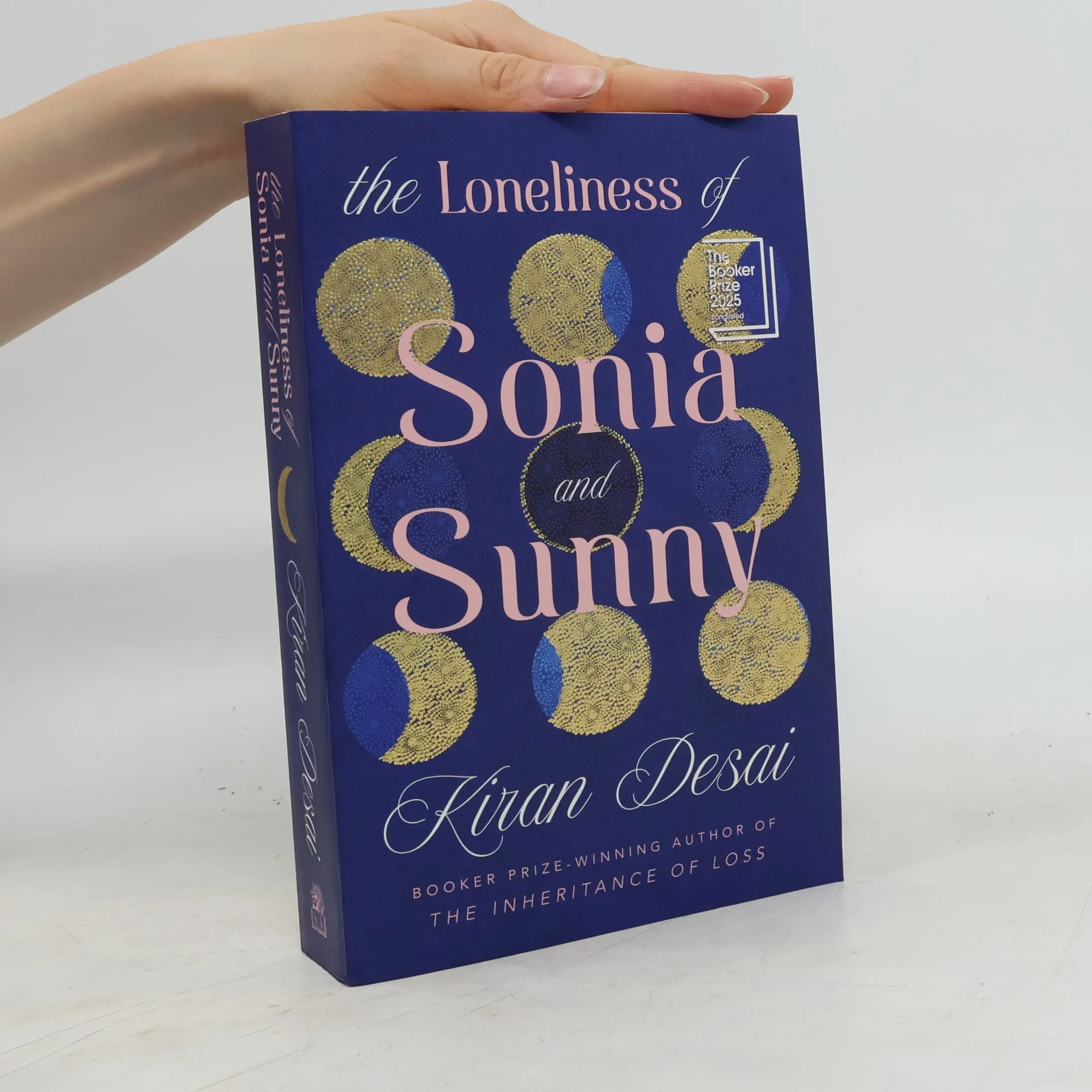
The spellbinding story of two young people whose fates intersect and diverge across continents and years unfolds an epic of love and family, tradition and modernity. In the snowy mountains of Vermont, Sonia, a lonely college student and aspiring writer, longs for India and seeks inspiration from an older artist, whose influence will darken her life for years. Meanwhile, in Brooklyn, Sunny, a struggling journalist from Delhi, grapples with loneliness as he navigates his American girlfriend and the complexities of his new life. Both Sonia and Sunny grow increasingly alienated, prompting them to question their understanding of happiness, connection, and belonging. In India, their extended families, unable to comprehend their loneliness, orchestrate a meeting between the two, but this clumsy interference only drives them further apart before love can blossom. The narrative explores the forces shaping their identities—country, class, race, and history—while delving into the intricate bonds across generations. This sweeping tale captures the essence of a love story, a family saga, and a rich exploration of ideas, marking a significant achievement by one of our greatest novelists.
Kiran Desai Kolejność książek (chronologicznie)


Consumer Identity and Fashion
- 170 stron
- 6 godzin czytania
Exploring the significance of presentation and personality in interpersonal interactions, this book delves into how these elements influence perceptions and relationships. It challenges conventional views and highlights the impact of personal branding and communication styles on success in various contexts. Through research and real-life examples, it provides insights into enhancing one's presence and effectiveness in social and professional settings, making a compelling case for the importance of self-presentation in achieving personal and career goals.
Anschauen und Denken, Reden und Schreiben
- 260 stron
- 10 godzin czytania
Brzemię rzeczy utraconych
- 480 stron
- 17 godzin czytania
Booker 2006! Wreszcie pojawił się ktoś, kto może konkurować z Salmanem Rushdiem i Zadie Smith. Rok 1986, małe miasteczko w Himalajach. Szesnastoletnia Sai wychowuje się w zimnym domu dziadka – emerytowanego sędziego Patela, którego całą energię pochłania nienawiść do wszystkiego, co nie angielskie. Ich służącym jest poniewierany przez los kucharz, którego jedyną nadzieją jest syn Bidźu próbujący podbić świat zmywaniem naczyń w najpodlejszych nowojorskich restauracjach. Sai usiłuje budować pierwszy w życiu związek ze swoim korepetytorem Gijanem, jednak sytuacja polityczna szybko wystawi na próbę rodzące się uczucie. Brzemię rzeczy utraconych to opowieść o poszukiwaniu tożsamości i rozmaitych sposobach (nie)radzenia sobie z bagażem tradycji. O wszechogarniającym wpływie Zachodu i ludziach, którzy nie mogąc znaleźć swojego miejsca w świecie, stają się emigrantami we własnym kraju. O zderzeniu wyobrażeń z rzeczywistością, stereotypach i poszukiwaniu akceptacji. W swojej powieści Desai pokazuje w ciepły i zarazem gorzki sposób losy zwykłego człowieka, które nierozerwalnie łączą się z losami jego kraju.
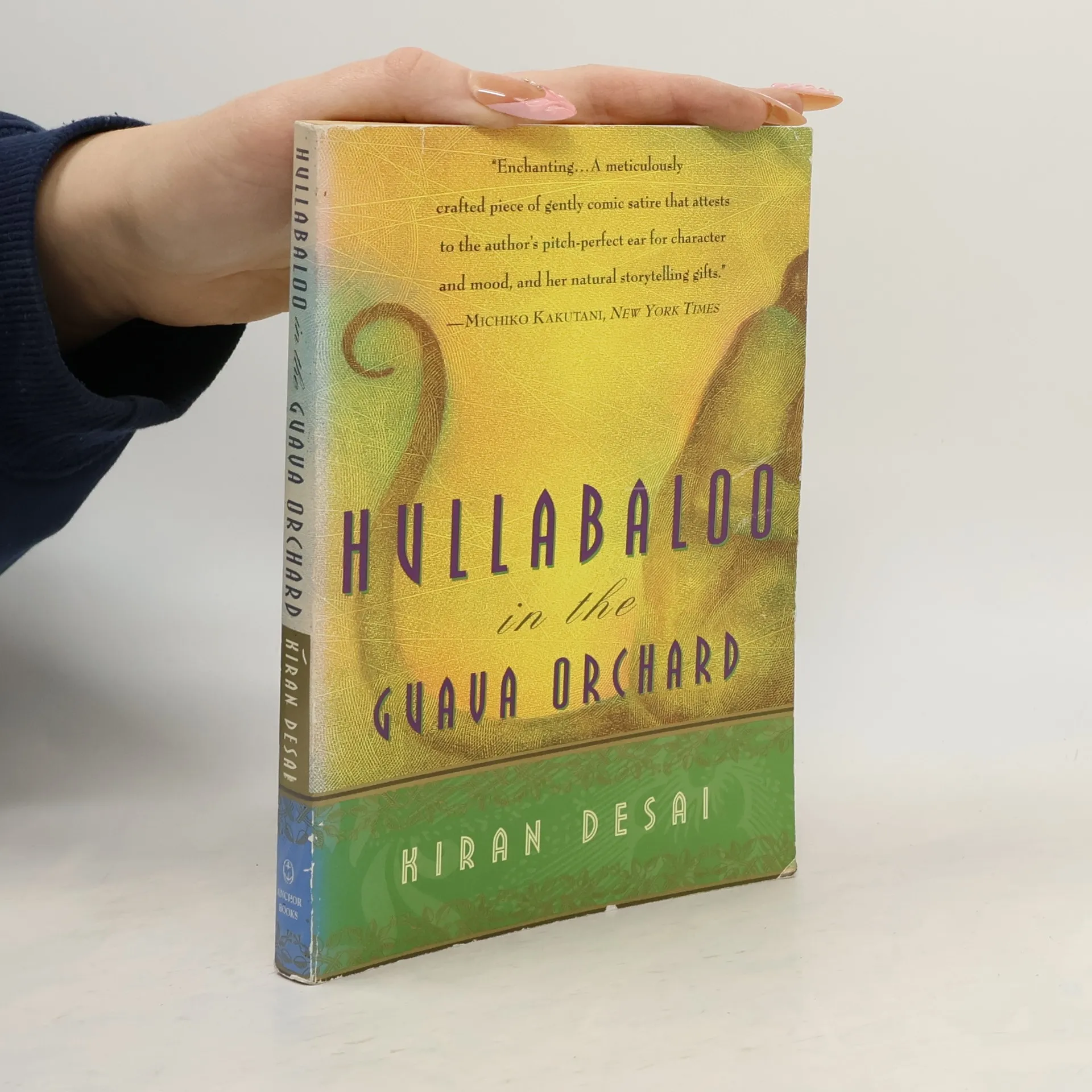
Sampath Chawla was born in a time of drought that ended with a vengeance the night of his birth. All signs being auspicious, the villagers triumphantly assured Sampath's proud parents that their son was destined for greatness. Twenty years of failure later, that unfortunately does not appear to be the case. A sullen government worker, Sampath is inspired only when in search of a quiet place to take his nap. "But the world is round," his grandmother says. "Wait and see! Even if it appears he is going downhill, he will come up the other side. Yes, on top of the world. He is just taking a longer route." No one believes her until, one day, Sampath climbs into a guava tree and becomes unintentionally famous as a holy man, setting off a series of events that spin increasingly out of control. A delightfully sweet comic novel that ends in a raucous bang, Hullabaloo in the Guava Orchard is as surprising and entertaining as it is beautifully wrought.