
Bookbot

Elyette Roussel

    The Hunchback of Notre-Dame
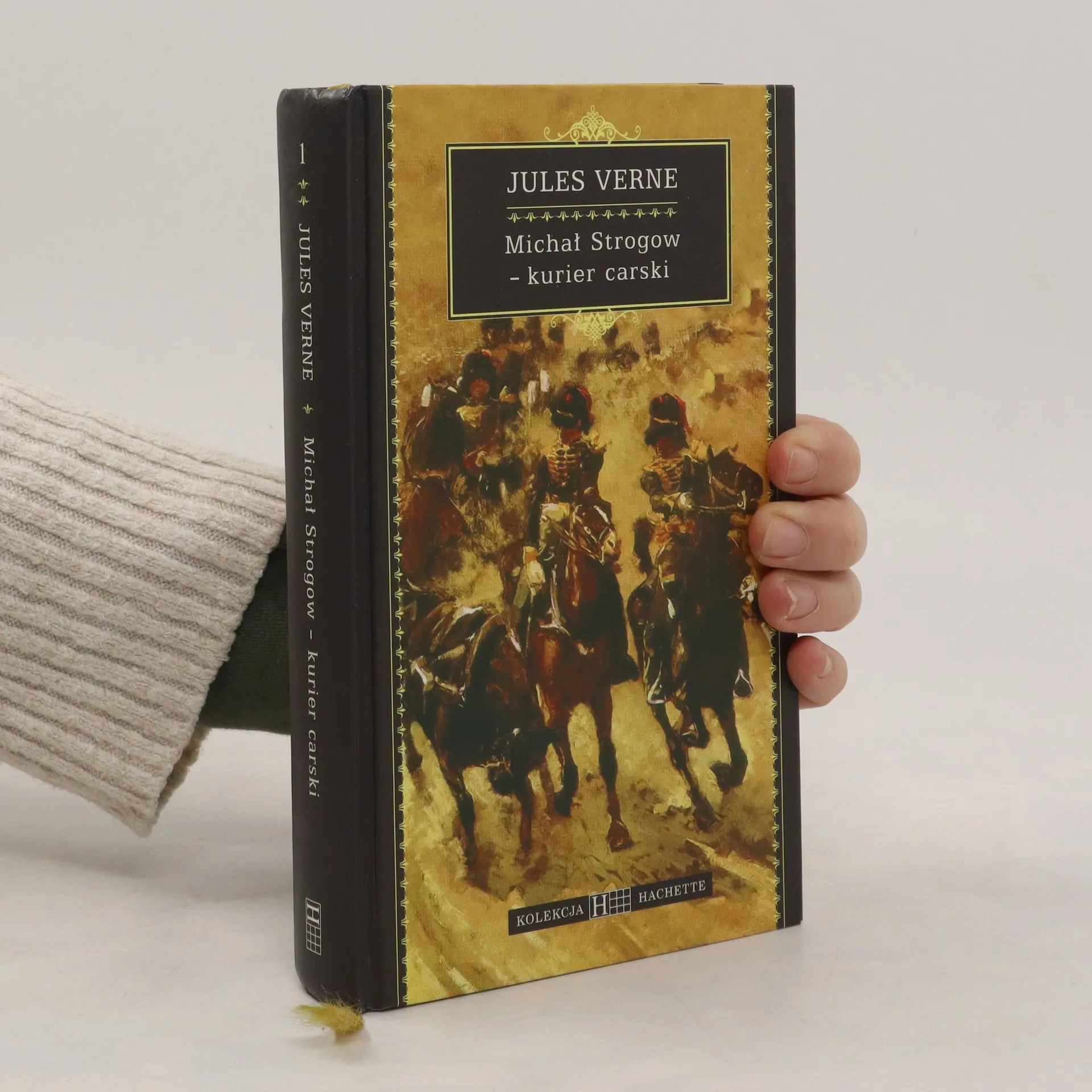
    Michał Strogow - kurier carski
    Little Fadette
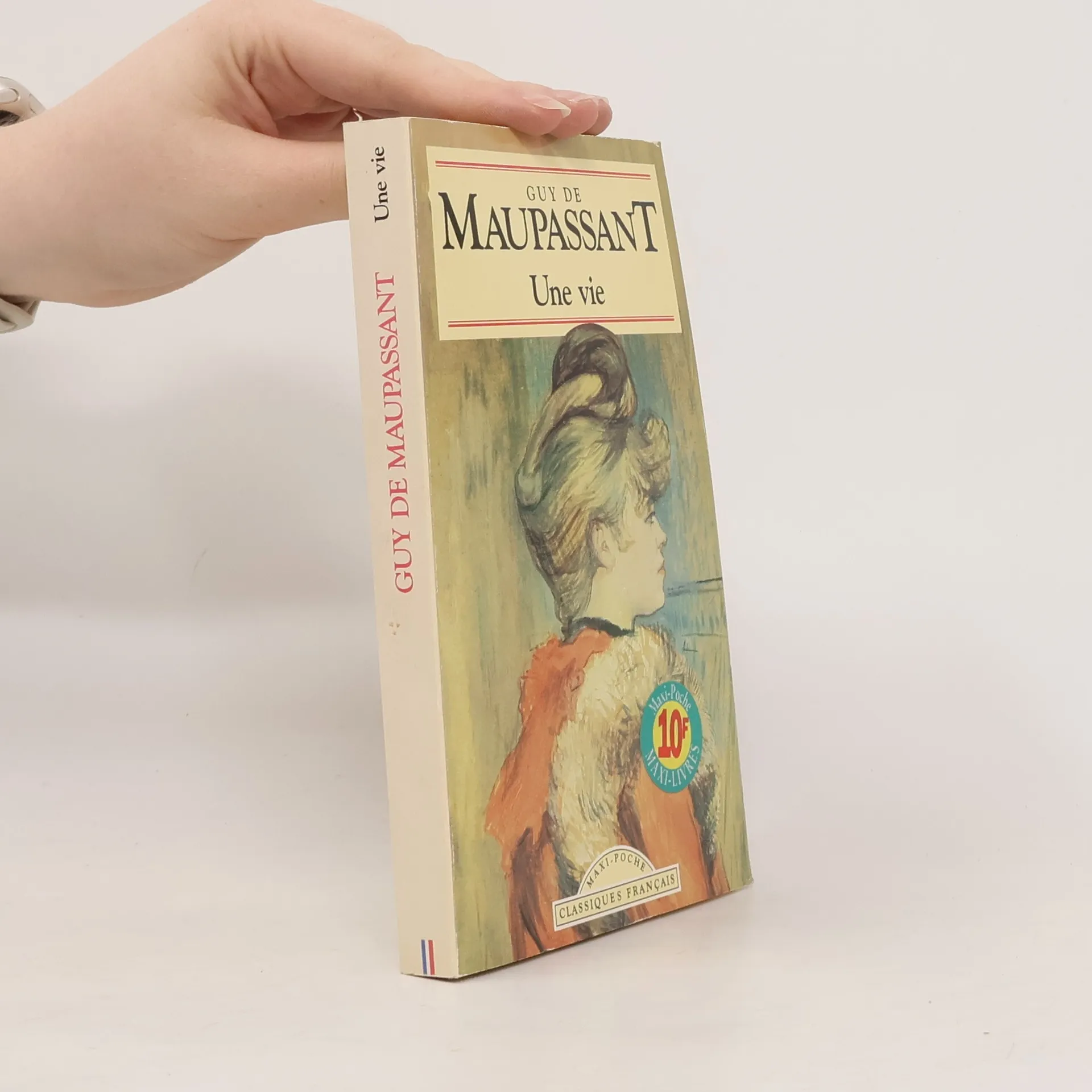
    Une vie
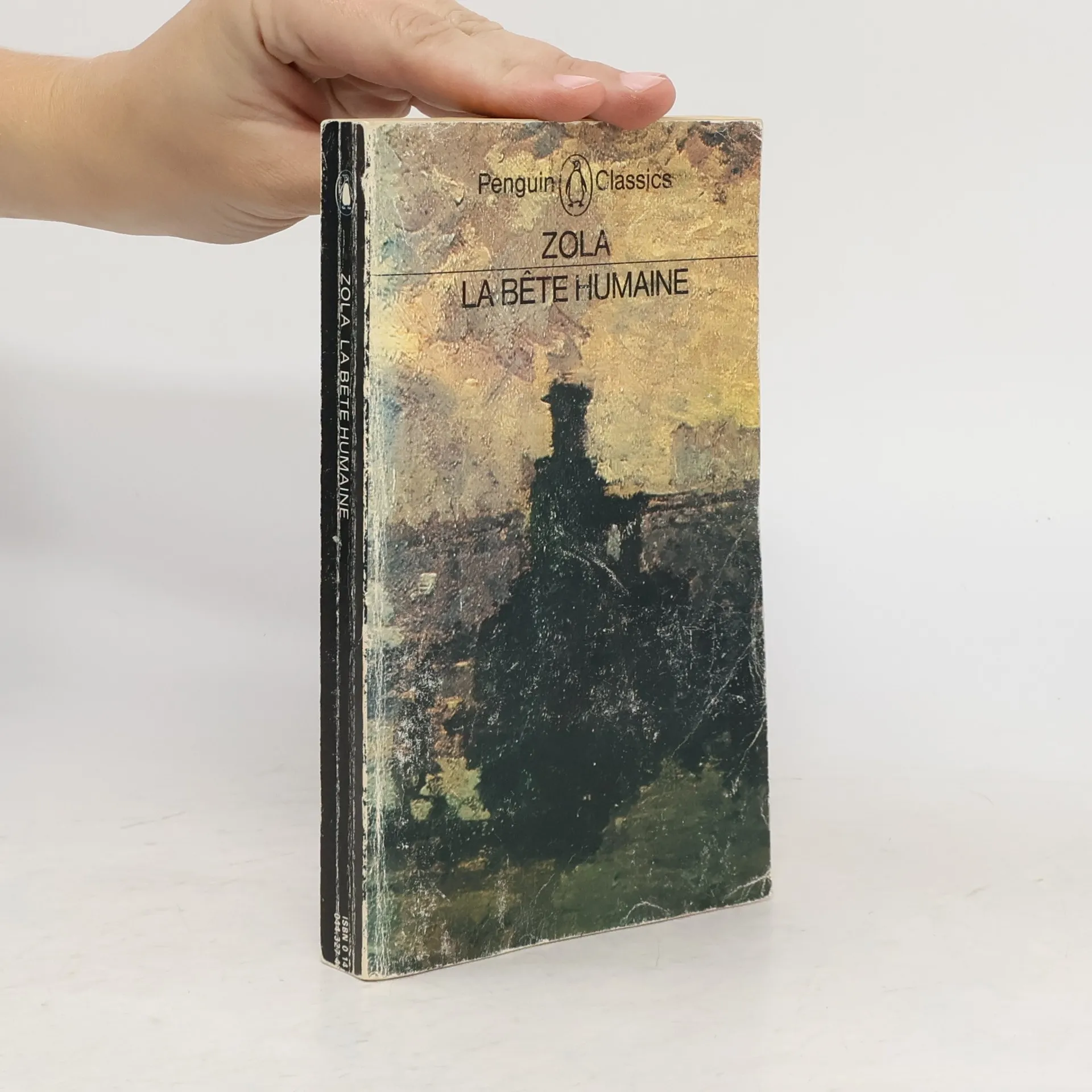
    La Bête humaine
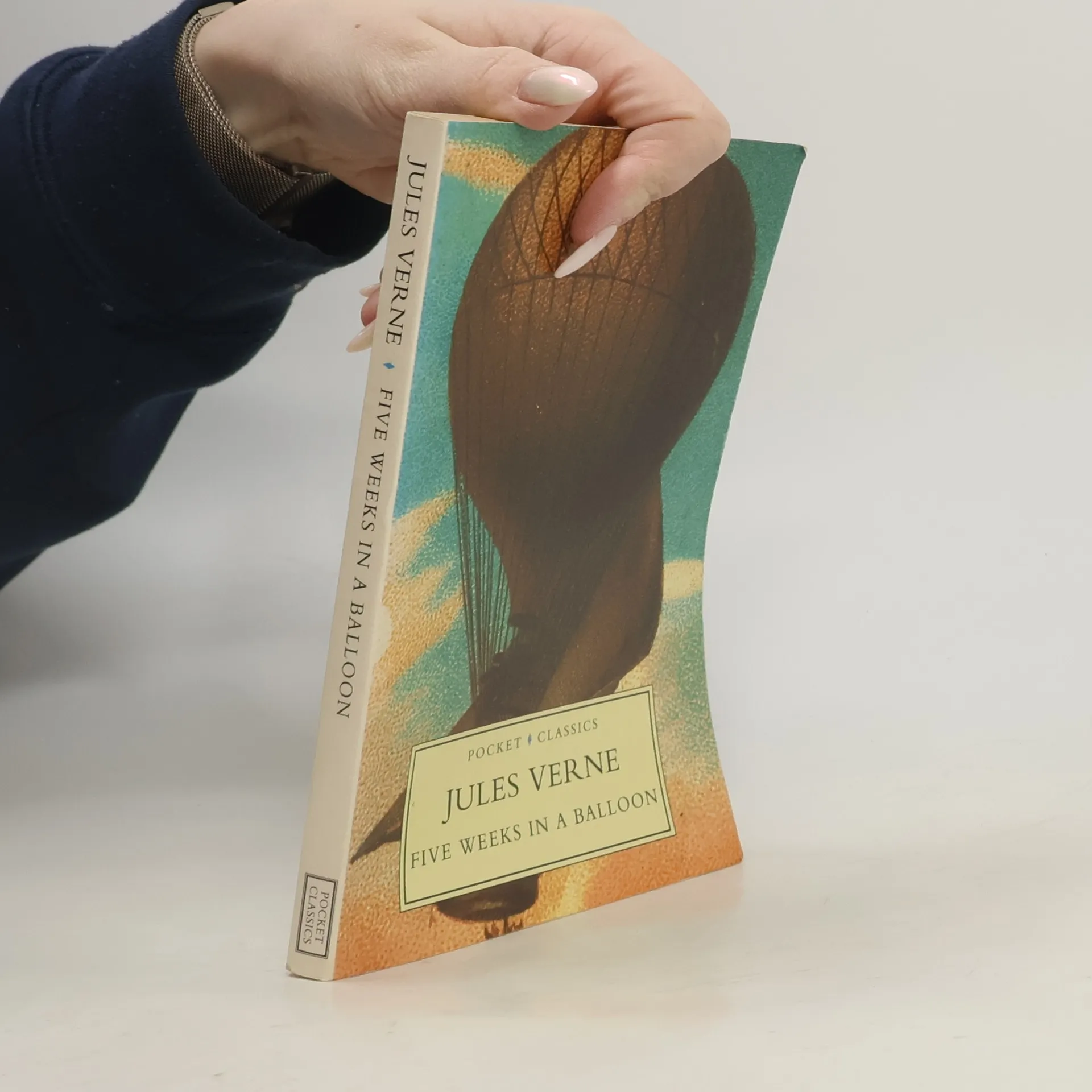
    Pocket Classics: Five Weeks in a Balloon
    • There was a large audience assembled on the 14th of January, 1862, at the session of the Royal Geographical Society, No. 3 Waterloo Place, London. The president, Sir Francis M -, made an important communication to his colleagues, in an address that was frequently interrupted by applause. This rare specimen of eloquence terminated with the following sonorous phrases bubbling over with patriotism: "England has always marched at the head of nations" (for, the reader will observe, the nations always march at the head of each other), "by the intrepidity of her explorers in the line of geographical discovery." (General assent). "Dr. Samuel Ferguson, one of her most glorious sons, will not reflect discredit on his origin." ("No, indeed!" from all parts of the hall.)
      Pocket Classics: Five Weeks in a Balloon
      4,2
    • La Bête humaine

      • 368 stron
      • 13 godzin czytania

      One of Zola's most violent works, this novel is on one level a tale of murder and possession, and on another a compassionate study of individuals derailed by atavistic forces beyond their control. It evokes life at the end of the Second Empire in France, and a society hurtling towards the future.

      La Bête humaine
      4,1
    • Une vie

      • 255 stron
      • 9 godzin czytania

      Jeanne, ayant fini ses malles, s'approcha de la fenêtre, mais la pluie ne cessait pas. L'averse, toute la nuit, avait sonné contre les carreaux et les toits. Le ciel bas et chargé d'eau semblait crevé, se vidant sur la terre, la délayant en bouillie, la fondant comme du sucre. Des rafales passaient pleines d'une chaleur lourde. Le ronflement des ruisseaux débordés emplissait les rues désertes où les maisons, comme des éponges, buvaient l'humidité qui pénétrait au-dedans et faisait suer les murs de la cave au grenier.

      Une vie
      4,0
    • Little Fadette

      • 232 strony
      • 9 godzin czytania

      Set in the picturesque countryside of France, this enchanting novel delves into themes of love, prejudice, and social conventions. The narrative centers on Fadette, a small girl ostracized by her community due to her family's eccentricities. Despite her challenges, she possesses remarkable strength, wisdom, and a deep connection to nature, revealing the depth of her character and resilience. As the story unfolds, it beautifully contrasts societal judgment with the richness of inner strength and understanding.

      Little Fadette
      4,0
    • Historia koncentruje się na Michale Strogoffie, odważnym kurierze cara Aleksandra II, który musi dostarczyć istotną wiadomość do Irkucka w obliczu zamieszania w Imperium Rosyjskim. Jego podróż obfituje w niebezpieczeństwa, w tym wrogie siły tatarskie oraz nieustępliwego zdrajcę, Iwana Ogareffa. Po drodze nawiązuje sojusze z towarzyszami podróży, Nadią i Dmitrijem, gdy wspólnie pokonują zdradliwe tereny i polityczne intrygi. Ta powieść przygodowa łączy w sobie napięcie, akcję i romans, ukazując odporność ludzkiego ducha na tle carskiej Rosji.

      Michał Strogow - kurier carski
      4,0
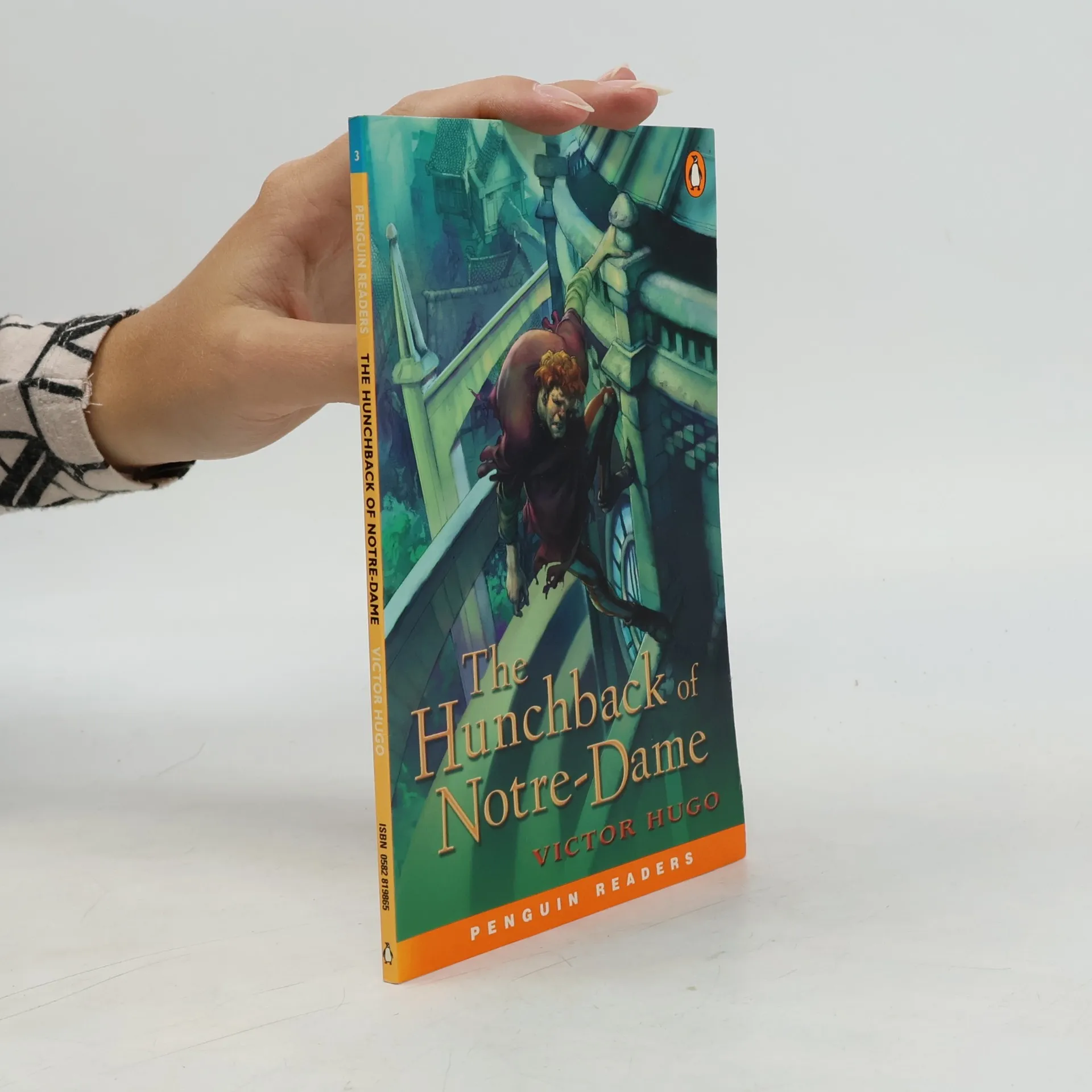
    • The Hunchback of Notre-Dame

      • 64 strony
      • 3 godziny czytania

      Ugly and unwanted by the outside world, Quasimodo, the hunchback lives under the protection of the priest in the Cathedral of Notre-Dame in Paris, France. Then his quiet life is destroyed by the priest's evil plans for a beautiful gypsy girl. The priest needs Quasimodo's help, but the hunchback has other ideas -- p. 4 of cover

      The Hunchback of Notre-Dame
      4,0
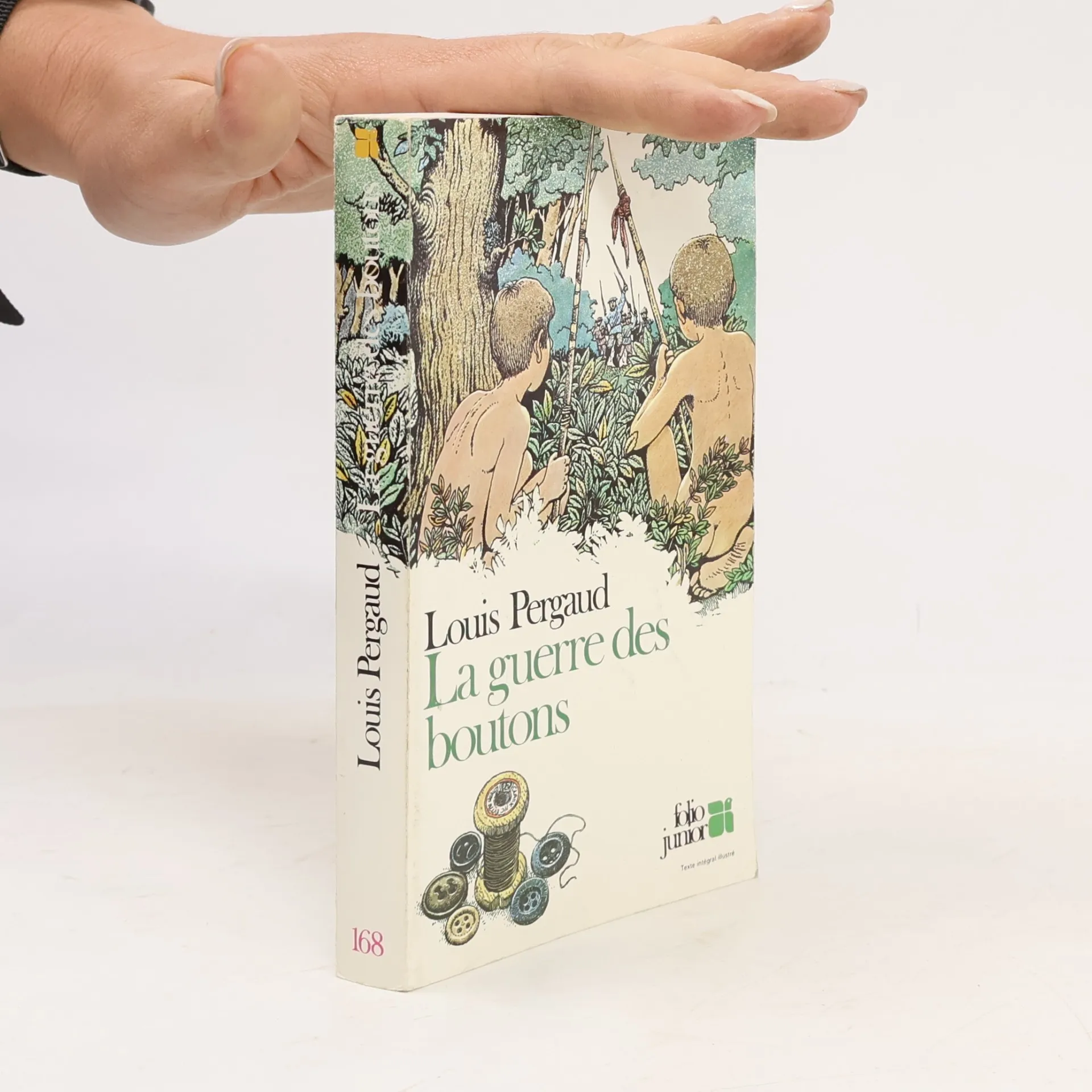
    • La guerre des boutons

      • 304 strony
      • 11 godzin czytania

      Les enfants de Longeverne, Lebrac et son armee, et ceux de Velrans, la troupe de l'Aztec des Gues, se livrent une guerre sans merci, a coups de batons, de cailloux et surtout de coups de pieds et de poings. L'humiliation est certaine pour les malheureux qui tombent aux mains de l'ennemi: ils sont en fait depouilles de leurs boutons, agrafes, lacets, etc., afin de les obliger a rentrer depenailles chez eux et de risquer une engueulade parentale, qui se termine generalement par une correction. Au fil des defaites et des revanches, des differentes idees de Lebrac pour eviter les desagrements de la defaite, les tactiques pour emporter la victoire, des scenes cocasses se succedent. L'on voit notamment les enfants faire la guerre nus, pour eviter d'abimer leurs vetements, puis se faire recoudre par les filles du village, sans oublier de jouer des tours pendables a leurs ennemis en dehors des batailles..."

      La guerre des boutons
      3,9
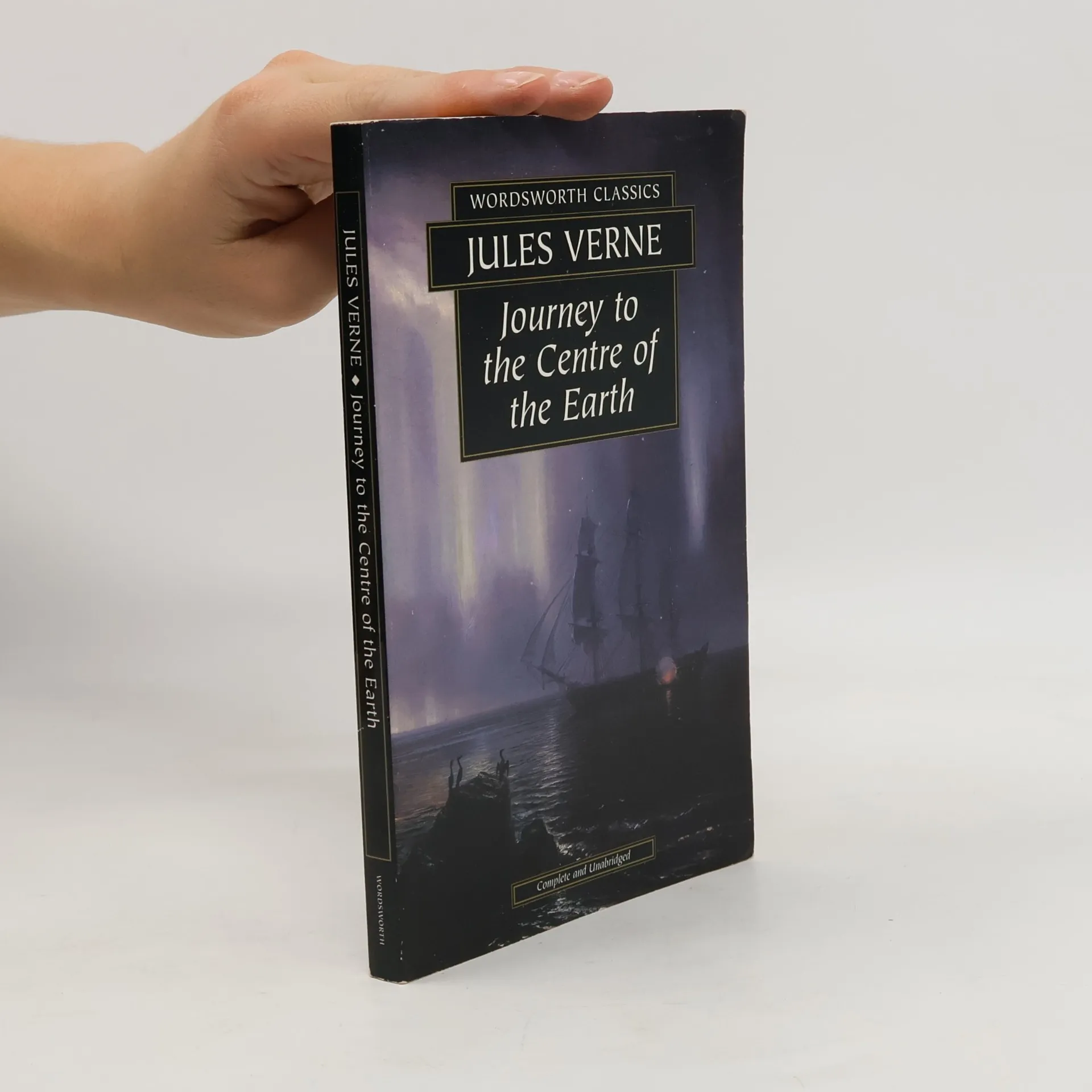
    • Describes the discovery and exploration of a secret tunnel which leads through a volcano to the centre of the earth.

      Journey to the Center of the Earth
      3,9
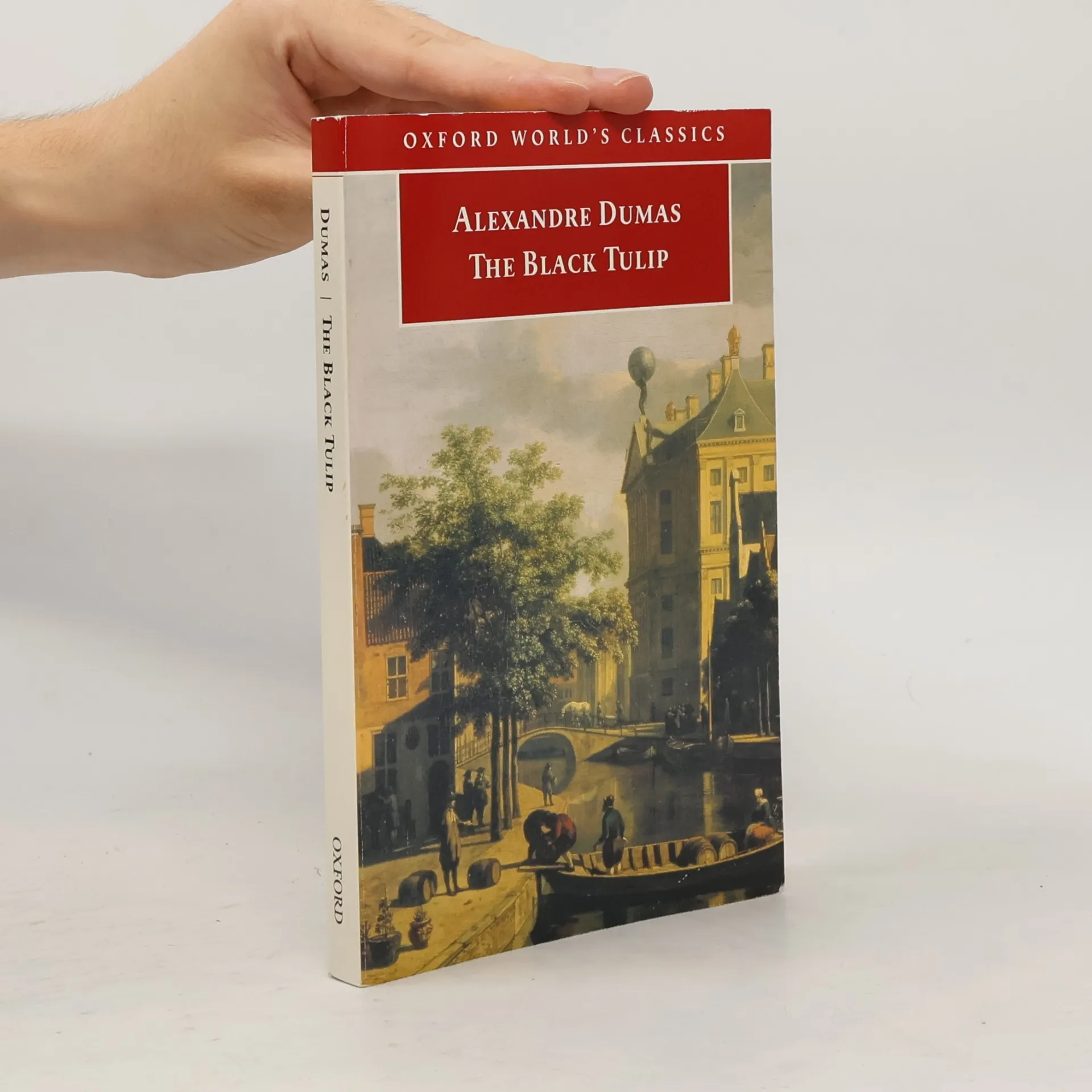
    • Oxford World's Classics: The Black Tulip

      • 288 stron
      • 11 godzin czytania

      A deceptively simple story and the shortest of Dumas's most famous novels, The Black Tulip (1850) weaves historical events surrounding a brutal murder into a tale of romantic love. Set in Holland in 1672, this timeless political allegory draws on the violence and crimes of history, making a case against tyranny and creating a symbol of justice and tolerance: the fateful tulipa negra.

      Oxford World's Classics: The Black Tulip
      3,9
    • Maigret and the Ghost

      • 145 stron
      • 6 godzin czytania

      Inspector Lognon - an embittered but dedicated detective - is shot. To everyone's amazement, it emerges that Lognon had spent the last ten nights in the room of a beautiful young woman - who has disappeared. In retreading Lognon's secretive last days, Maigret's investigations lead him into the murky world of art-collecting and forgery.

      Maigret and the Ghost
      3,8
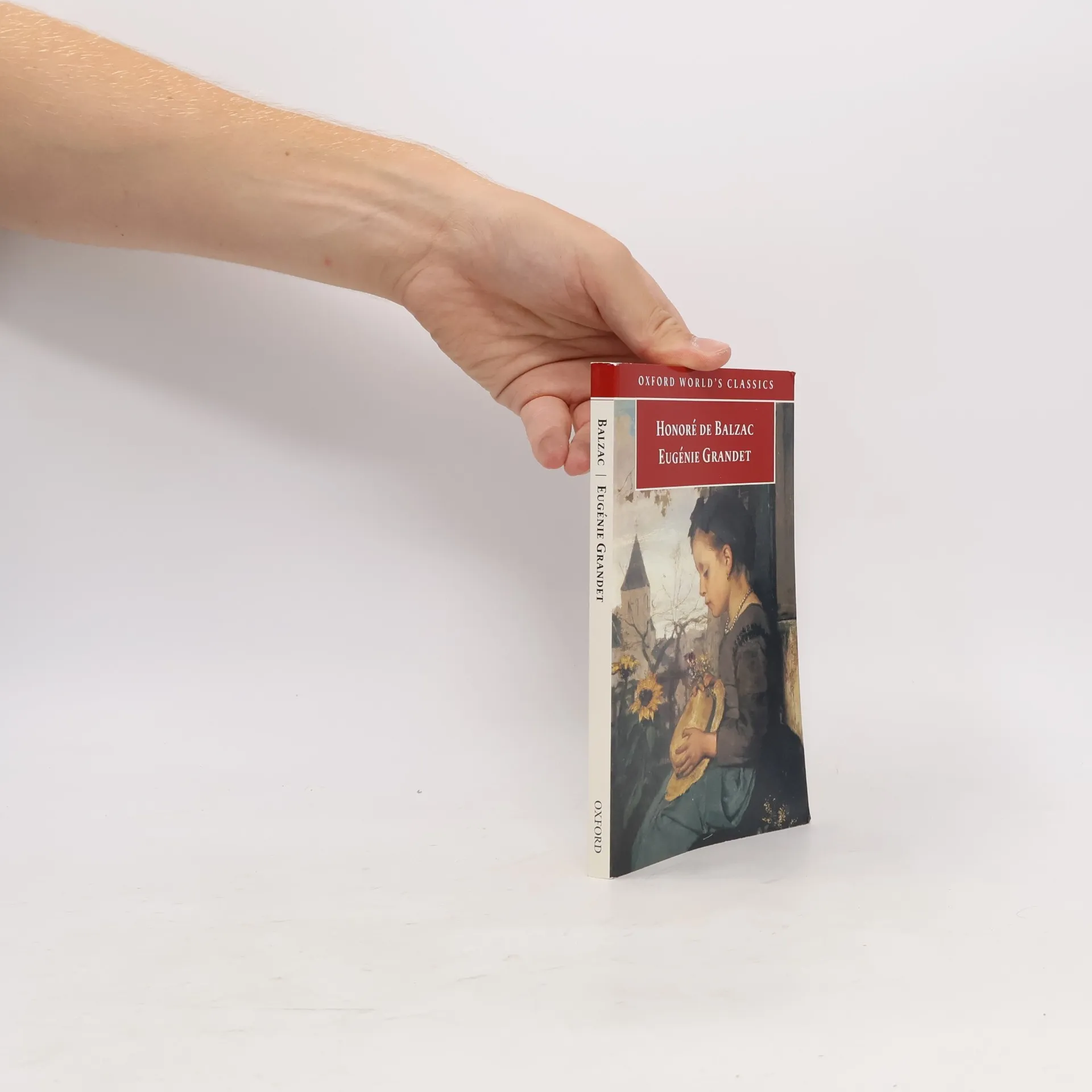
    • "Who is going to marry Eugenie Grandet?" This is the question that fills the minds of the inhabitants of Saumur, the setting for Eugenie Grandet (1833), one of the earliest and most famous novels in Balzac's Comedie humaine. The Grandet household, oppressed by the exacting miserliness of Grandet himself, is jerked violently out of routine by the sudden arrival of Eugenie's cousin Charles, recently orphaned and penniless. Eugenie's emotional awakening, stimulated by her love for her cousin, brings her into direct conflict with her father, whose cunning and financial success are matched against her determination to rebel. Eugenie's moving story is set against the backdrop of provincial oppression, the vicissitudes of the wine trade, and the workings of the financial system in the aftermath of the French Revolution. It is both a poignant portrayal of private life and a vigorous fictional document of its age.

      Oxford World's Classics: Eugénie Grandet
      3,7
    • Na Place Vintimille w Montmartre zostaje znaleziona martwa kobieta. Ma na sobie zniszczoną suknię wieczorową, jest młoda i piękna. Suknię pożyczyła tego samego wieczoru od sprzedawczyni, jednak torebki, którą również miała, już nie ma. Zawsze ponury inspektor Lognon, zwany „Inspektorem Griesgramem”, uważa, że młoda kobieta jest prostytutką z okolicy i zakłada, że doszło do klasycznego morderstwa. Jednak komisarz Maigret czuje, że sprawy mają się inaczej i że młoda kobieta nie została zabita w miejscu, gdzie ją znaleziono. Ale kim ona jest? Nikt nie wydaje się jej znać ani nawet za nią tęsknić. Pełen współczucia Maigret pragnie dowiedzieć się więcej o jej przeszłości, wierząc, że w ten sposób odnajdzie również mordercę. 45. sprawa Maigreta rozgrywa się w paryskim dzielnicy rozrywkowej Montmartre.

      Maigret I Trup Młodej Kobiety
      3,7
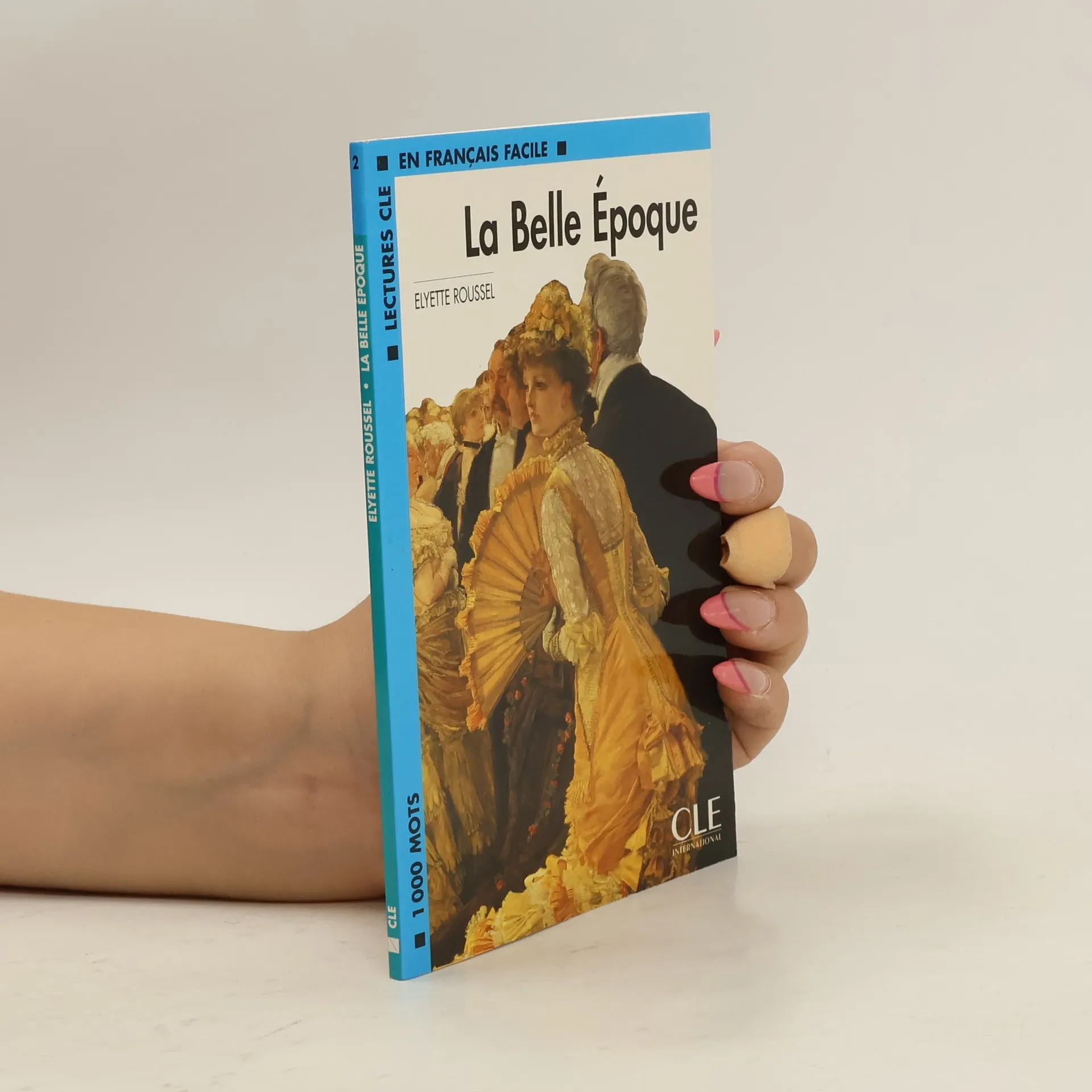
    • La belle époque

      • 63 strony
      • 3 godziny czytania

      Les années de paix comprises entre l'Exposition universelle de Paris de 1878 et le début de la Première Guerre mondiale (1914) sont considérées comme l'époque d'une vie agréable appelée plus tard la " Belle Epoque ". La Belle Epoque, ce sont les cafés et les cabarets de Paris, la construction de la tour Eiffel, l'invention du cinéma, les banquets somptueux, les cortèges présidentiels et les célébrations populaires...

      La belle époque