Centered on the themes of family and faith, this touching narrative empowers children by instilling hope and the belief that they can effect change in the world. It emphasizes the strength derived from familial bonds and encourages young readers to recognize their potential to make a difference.
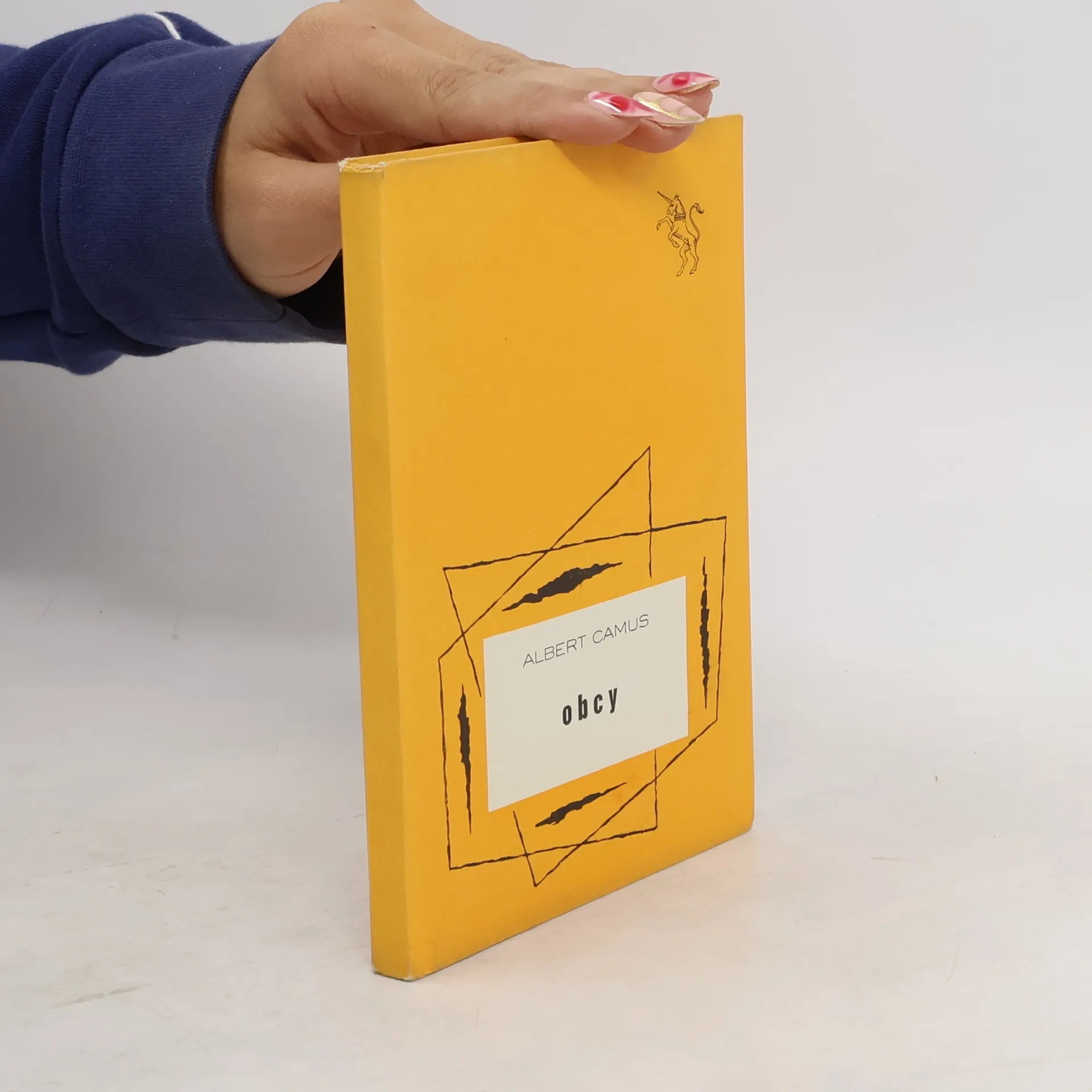
Obcy przyniósł Albertowi Camusowi popularność. Stał się bestselerem, czego
Camus chyba nie do końca rozumiał, nie chciał być autorem wyłącznie Obcego.
Chciał nie chciał, w roku 1940 dał światu zwierciadło, w którym może przejrzeć
się człowiek. To jedna z książek (nie tylko francuskich czy
dwudziestowiecznych, ale książek w ogóle), które są w ciągłym obiegu
czytelniczym, to znaczy są nieustannie czytane, przemyśliwane, interpretowane.
Wciąż aktualne, niepokojące. Domagające się kolejnych edycji, kolejnych
przekładów. Bohater zagadka, Meursault, który imię zawdzięcza czy to znanemu
burgundowi, czy skażonemu burgundzkim u mariażowi słońca i morza, z których
się zrodził, z którymi się stapia, które przynoszą mu szczęście i zadają
cierpienie. I powieść o byciu obcym, o człowieku uciskanym przez
społeczeństwo, rzecz o miłości, o zgubnym wpływie słońca. I wielu innych
sprawach. Najwyższy czas na książkową premierę nowego polskiego przekładu, po
raz pierwszy prezentowanego na łamach Literatury na Świecie, który wyszedł
spod pióra Marka Bieńczyka.
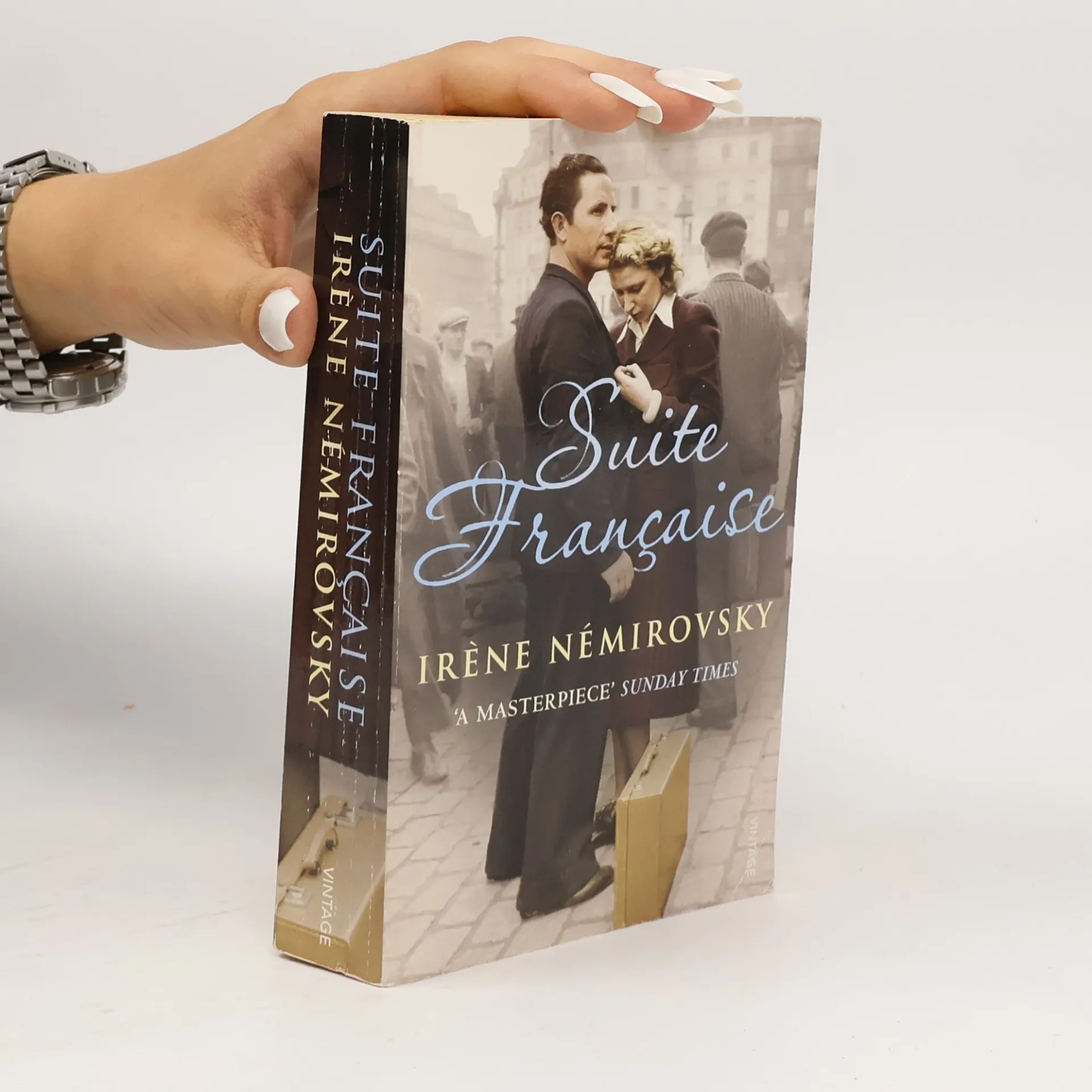
In 1941, Irène Némirovsky began writing a book to capture the profound impact of her experiences during a tumultuous time, focusing on the domestic lives and personal struggles of ordinary French citizens rather than battles or politics. She did not live to see her vision realized, nor the eventual publication of her work sixty-five years later, which was celebrated as a masterpiece. Set from June 1940, when France fell to the Nazis, to the moment Germany turned its attention to Russia, the narrative unfolds in two parts. The first vividly portrays Parisians fleeing the Nazi invasion amidst chaos, while the second explores the lives of a small rural community under occupation, revealing unexpected connections among its inhabitants. Némirovsky's talent shines through her rich characterizations, featuring a diverse cast from haughty aristocrats and bourgeois bankers to uncouth workers and defiant farmers. Women navigate their relationships with German soldiers, showcasing resilience and vulnerability. Amidst defeat, hypocrisy, and compromise, glimmers of hope, nobility, and love emerge in surprising places. Though only two sections were completed before her tragic death, they create a beautifully cohesive work that profoundly understands humanity.
When the novel opens, he is at work in his magnificent Parisian apartment while his wife and beloved daughter, Joyce`, spend his money at their villa in Biarritz.
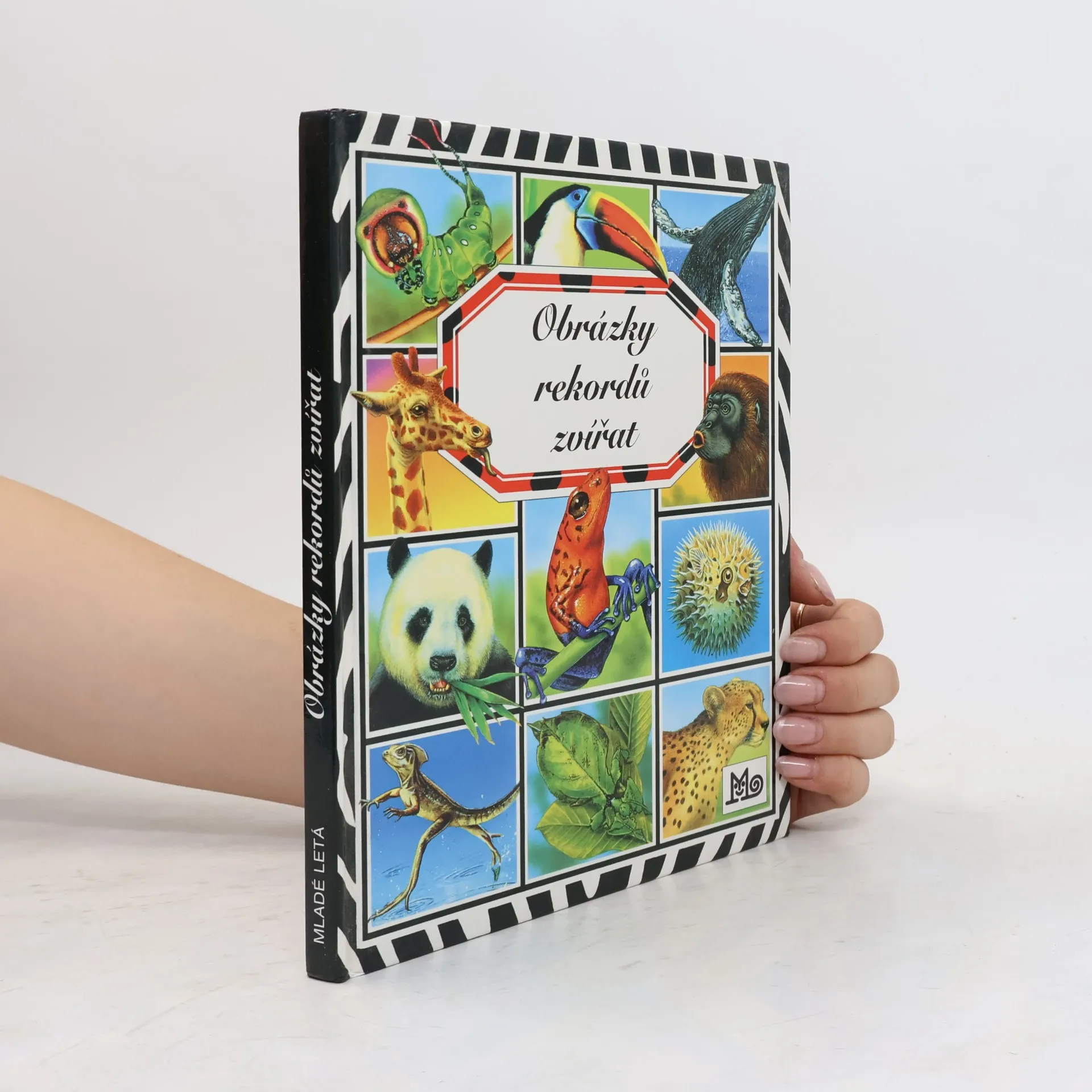
V této knížce s nádhernými realistickými ilustracemi najdete neobyčejná zvířata ze všech koutů světa. Dozvíte se, která z nich jsou největší či nejmenší, která nejdéle žijí, nejrychleji se pohybují a jsou nejnebezpečnější, i spoustu dalších rekordů a zajímavostí.
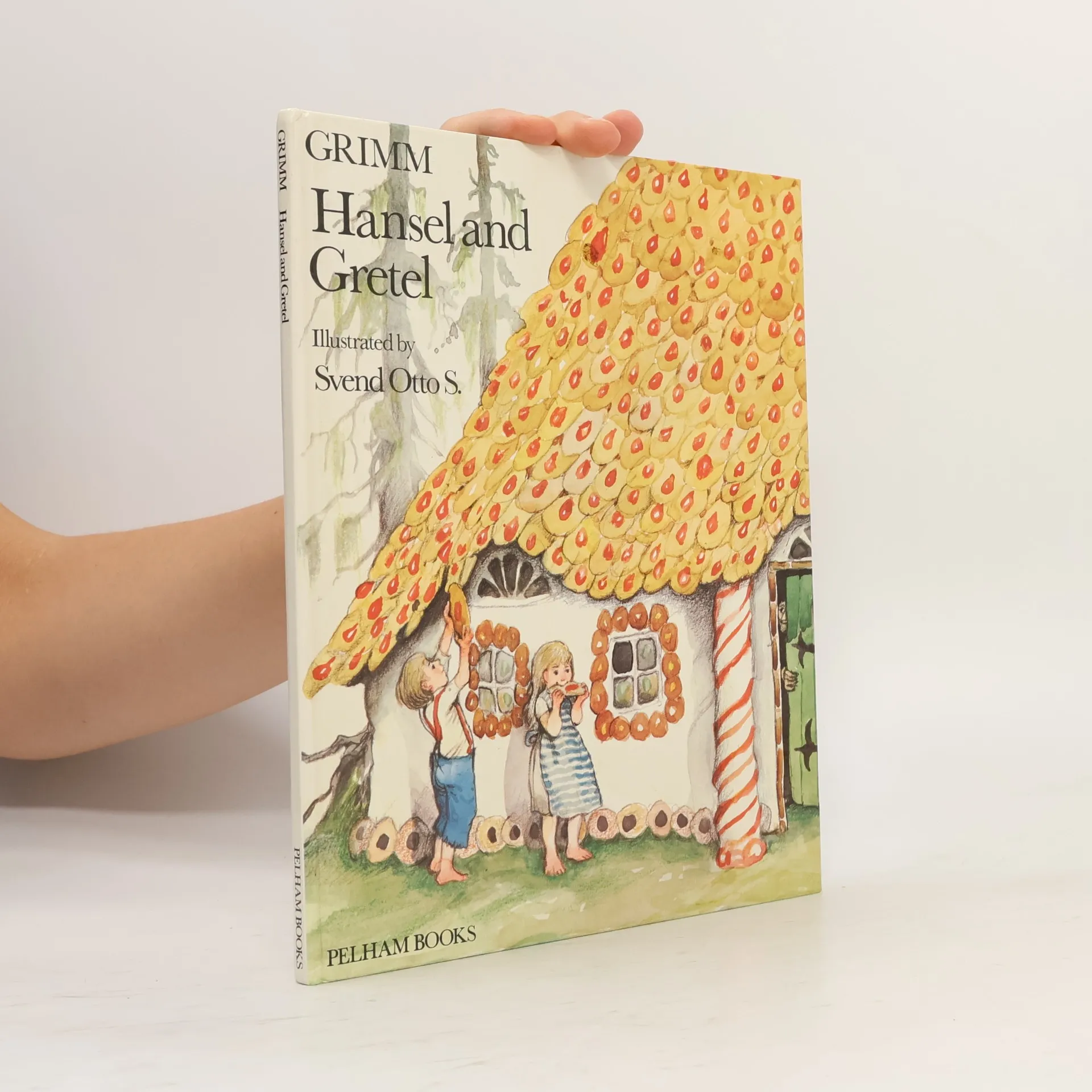
A woodcutter too poor to feed his children, Hansel and Gretel, takes them deep into the forest and abandons them at the will of his wicked wife. Poor Hansel and Gretel are very cold and hungry until they discovered a cottage made of cake and sweets in a forest clearing. Yet, the cottage is owned by a witch in disguise and she wants to cook and eat the children. How will they escape the wicked witch? Will they ever find their way home?