


Bookbot

Siddhartha Mukherjee

    1 stycznia 1970
    Siddhartha Mukherjee
    Das Lied der Zelle
    A brief histøry of everyone who ever lived : the stories in our genes
    The Laws of Medicine
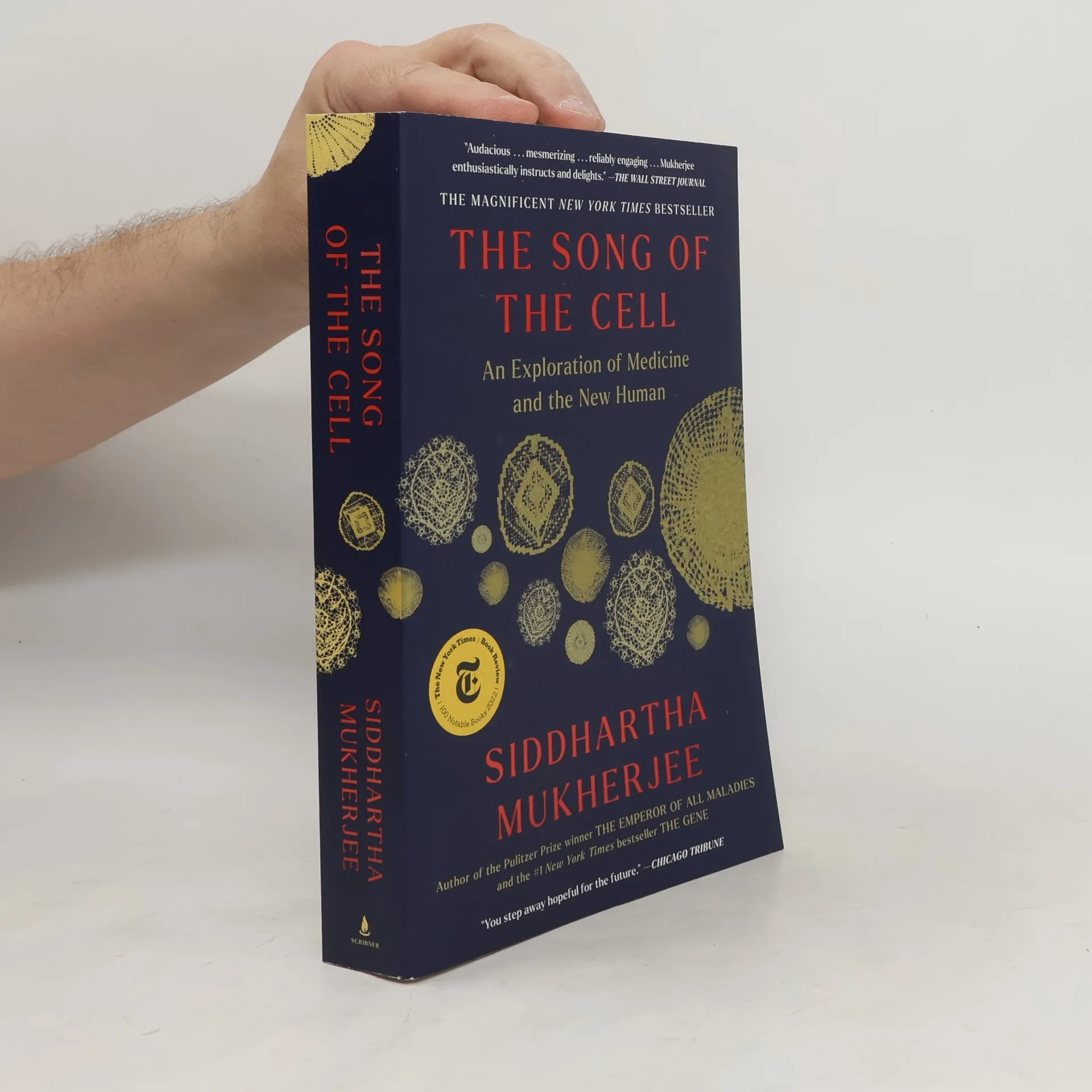
    The Song of the Cell
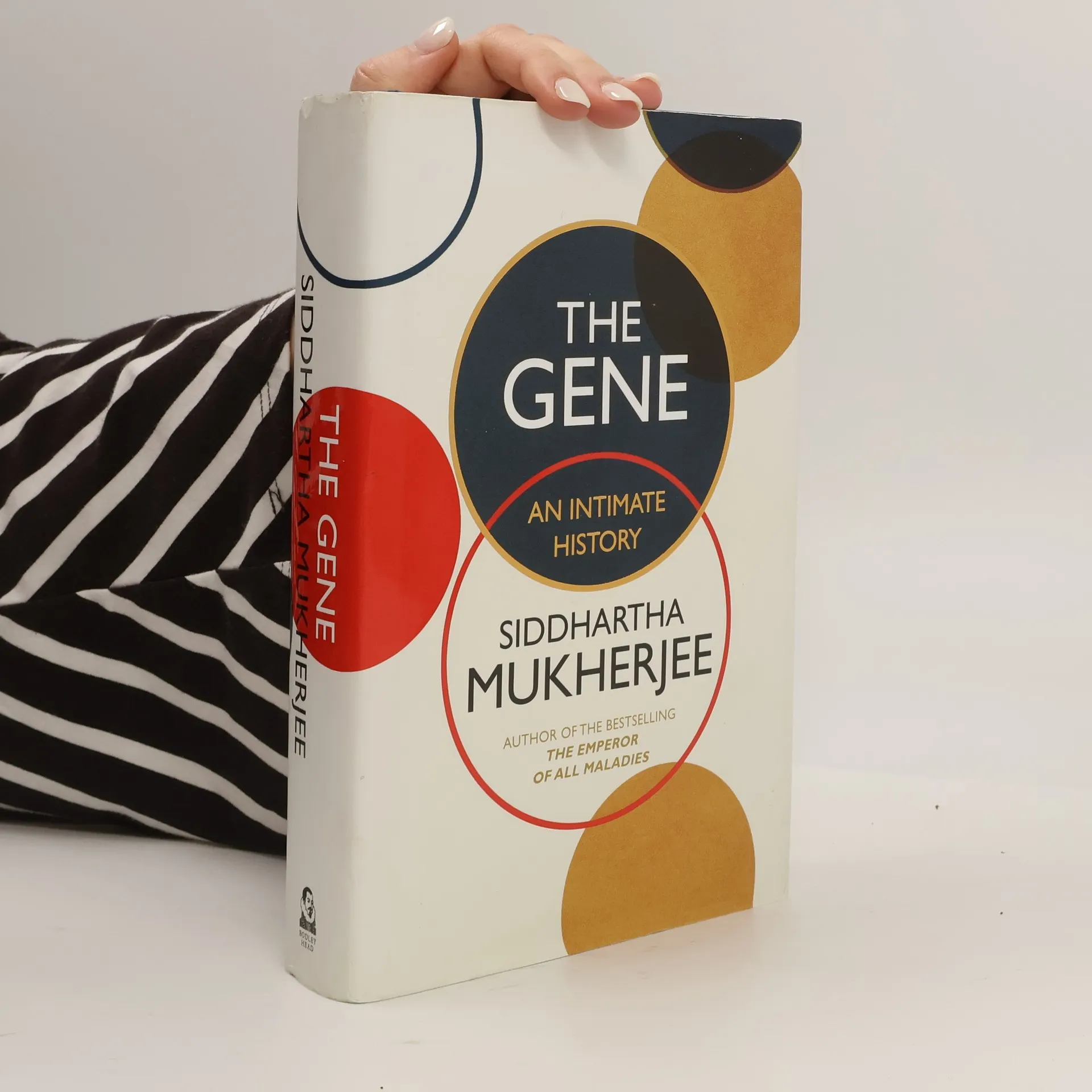
    The gene : an intimate history
    Cesarz wszech chorób
    • Siddhartha Mukherjee opowiada historię raka, poczynając od pierwszych odnotowanych przypadków sprzed tysięcy lat, a kończąc na czasach współczesnych, badając ten temat z precyzją biologa molekularnego, perspektywą historyka i pasją biografa. W rezultacie powstała przejrzysta i niezwykle błyskotliwa kronika choroby, która towarzyszy ludzkości od ponad pięciu tysiącleci. 'Cesarz wszech chorób', łącząc przystępnie przekazaną wiedzę naukową z opisem konkretnych – historycznych i współczesnych – przypadków chorych, demistyfikuje najbardziej demonizowaną chorobę wszech czasów. Książka spotkała się ze znakomitym przyjęciem środowisk naukowych i literackich. Potwierdzeniem jej klasy są znaczące wyróżnienia: Nagroda Pulitzera w kategorii literatura faktu, Literacka Nagroda PEN / E.O. Wilson dla Książek Naukowych, nagroda za najlepszy debiut przyznawana przez dziennik „The Guardian”, nagroda „Książki dla Lepszego Życia”. 'Cesarz wszech chorób' został także uznany za jedną z dziesięciu najlepszych książek 2010 roku przez „The New York Times Book Review”, magazyn „TIME” zaliczył go do stu najważniejszych książek stulecia, zaś „The New York Times” do stu najlepszych książek non- fiction wszech czasów.


      Cesarz wszech chorób
      4,6
    • Spanning the globe and several centuries, this is the story of the quest to decipher the master-code that makes and defines humans, that governs our form and function. It is also an intimate history - the story of the author's own family and its recurring pattern of mental illness, reminding us that genetics is vitally relevant to everyday lives.

      The gene : an intimate history
      4,6
    • The Song of the Cell

      • 496 stron
      • 18 godzin czytania

      "Presenting revelatory and exhilarating stories of scientists, doctors, and the patients whose lives may be saved by their work, the author draws on his own experience as a researcher, doctor, and prolific reader to explore how the discovery of cells created a new kind of medicine based on the therapeutic manipulation of cells"--

      The Song of the Cell
      4,3
    • The Laws of Medicine

      • 96 stron
      • 4 godziny czytania

      The Laws of Medicine follows Pulitzer-Prize-winning author, Dr Mukherjee as he investigates some of the most perplexing and illuminating cases of his career - the cases that ultimately led him to identify the three key principles that govern medicine. As a young medical student, Mukherjee discovered The Youngest Science, a book that changed the way he understood the medical profession and forced him to ask himself an urgent, fundamental question: Is medicine a 'science'? Science must have laws - statements of truth based on repeated experiments that describe some universal attribute of nature. Dr Mukherjee has spent his career pondering whether the 'youngest science' has laws like the other sciences, culminating in this treatise The Laws of Medicine. Law 1: Rumours are more important than tests. Law 2: The piece of data that does not fit your model is the most crucial piece of data that you own. Law 3: For every perfect medical experiment, there is a perfect human bias. Brimming with fascinating historical details and modern medical wonders, this book is a glimpse into the struggles and Eureka! moments rarely seen by those outside the profession.

      The Laws of Medicine
      4,1
    • 'A brilliant, authoritative, surprising, captivating introduction to human genetics. You'll be spellbound' Brian Cox This is a story about you. It is the history of who you are and how you came to be. It is unique to you, as it is to each of the 100 billion modern humans who have ever drawn breath. But it is also our collective story, because in every one of our genomes we each carry the history of our species - births, deaths, disease, war, famine, migration and a lot of sex. In this captivating journey through the expanding landscape of genetics, Adam Rutherford reveals what our genes now tell us about human history, and what history can now tell us about our genes. From Neanderthals to murder, from redheads to race, dead kings to plague, evolution to epigenetics, this is a demystifying and illuminating new portrait of who we are and how we came to be. *** 'A thoroughly entertaining history of Homo sapiens and its DNA in a manner that displays popular science writing at its best' Observer 'Magisterial, informative and delightful' Peter Frankopan 'An extraordinary adventure...From the Neanderthals to the Vikings, from the Queen of Sheba to Richard III, Rutherford goes in search of our ancestors, tracing the genetic clues deep into the past' Alice Roberts

      A brief histøry of everyone who ever lived : the stories in our genes
      4,0
    • Das Lied der Zelle

      Wie die Biologie die Medizin revolutioniert – Medizinischer Fortschritt und der Neue Mensch | Das spektakuläre neue Buch des Pulitzer-Preisträgers

      • 672 strony
      • 24 godziny czytania

      Als im späten 16. Jahrhundert der englische Universalgelehrte Robert Hooke und der holländische Tuchhändler Antonie van Leeuwenhoek durch ihre handgefertigten Mikroskope blickten, sahen sie etwas, was der Biologie und der Medizin ein radikal neues Konzept hinzufügte und beide Wissenschaften für immer veränderte: Komplexe Organismen bestehen aus winzigen, in sich geschlossenen und sich selbst regulierenden Einheiten. Unsere Organe, unsere Physiologie, unser Selbst - Herz, Blut, Gehirn - sind aus diesen kleinen Teilen aufgebaut: den Zellen. Sie ermöglichen all unsere komplexen Körperfunktionen: Immunabwehr, Fortpflanzung, Empfindungsvermögen, Kognition und Erneuerung. Die Schattenseite ist die ungemeine Zerstörungskraft dysfunktionaler Zellen, die einen Körper seiner Lebensfähigkeit berauben können. Mukherjee erzählt vom enormen Potenzial unseres vertieften Verständnisses der Zellphysiologie und -pathologie. Es hat eine Revolution in Biologie und Medizin ausgelöst, transformative Medikamente hervorgebracht und Menschen verändert.

      Das Lied der Zelle