

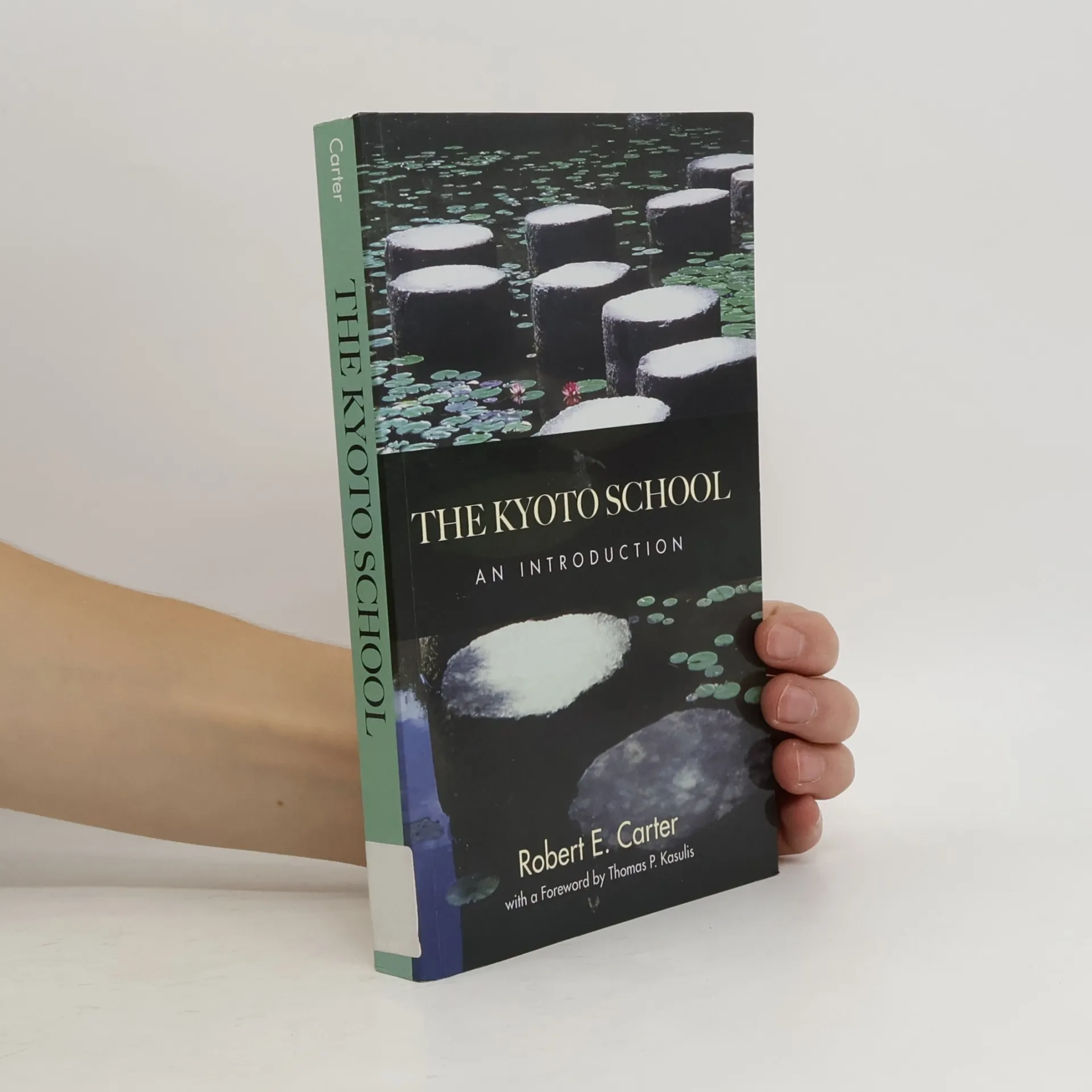
This book provides a much-needed introduction to the Kyoto School of Japanese philosophy. Robert. E. Carter focuses on four influential Japanese philosophers: the three most important members of the Kyoto School (Nishida Kitaro, Tanabe Hajime, and Nishitani Keiji), and a fourth (Watsuji Tetsuro), who was, at most, an associate member of the school. Each of these thinkers wrestled systematically with the Eastern idea of "nothingness", albeit from very different perspectives. Many Western scholars, students, and serious general readers are intrigued by this school of thought, which reflects Japan's engagement with the West. A number of works by various thinkers associated with the Kyoto School are now available in English, but these works are often difficult to grasp for those not already well- versed in the philosphical and historical context. Carter's book provides an accessible yet substantive introduction to the school and offers an East-West dialogue that enriches our understanding of Japanese thought while also shedding light on our own assumptions, habits of thought, and prejudices.
Robert Edgar Carter Kolejność książek (chronologicznie)
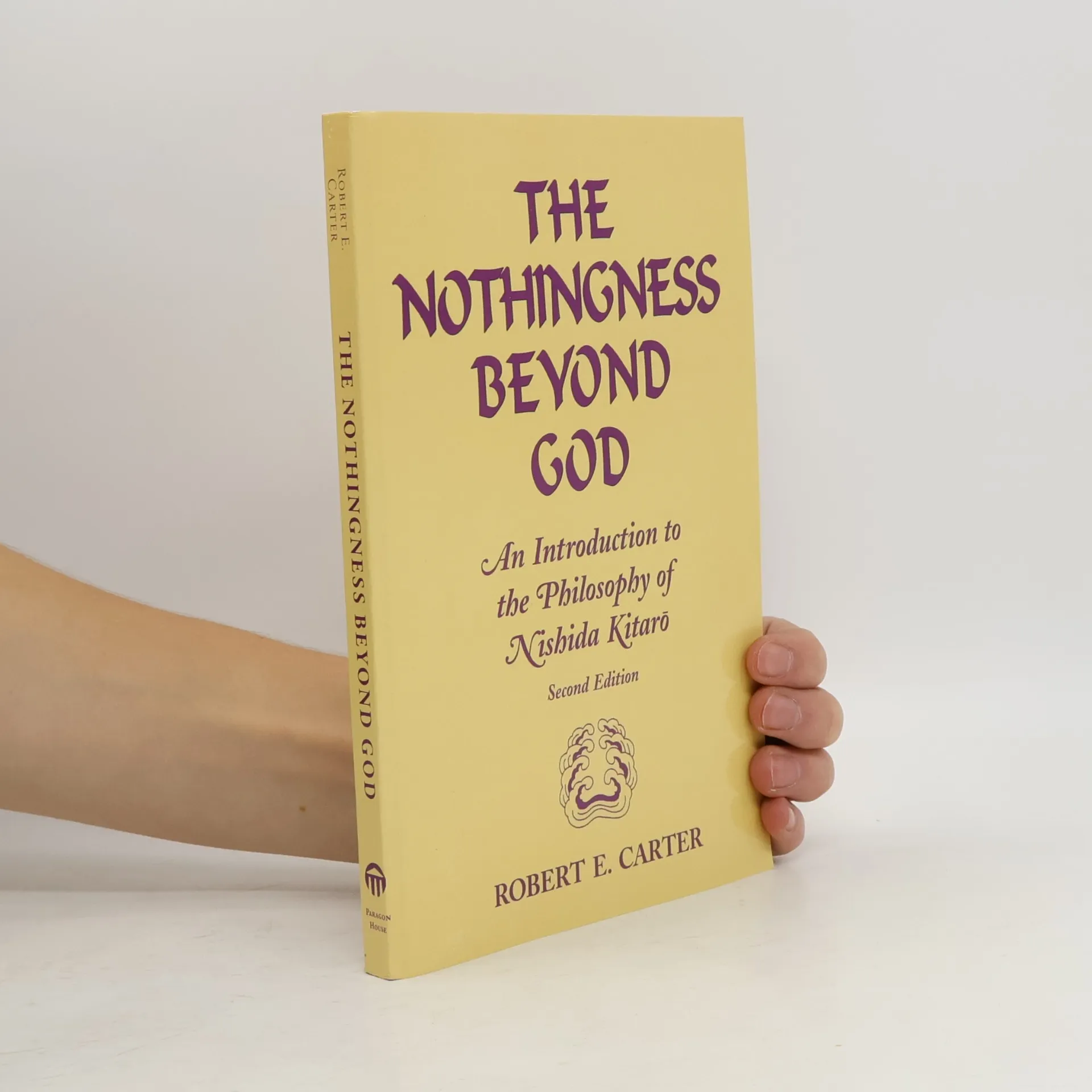
The Nothingness Beyond God
An Introduction to the Philosophy of Nishida Kitaro - Second Edition
- 256 stron
- 9 godzin czytania
When we hear the term "Japanese philosophy" we think of Zen Buddhism or the Shinto scriptures. Yet one of the great 20th century interpreters of Western philosophy, Nishida Kitaro, lived and wrote in the Japanese islands all his life, laboring at an ultimate synthesis of oriental thought and Western hermeneutics. To be sure, Nishida's aim was to understand his own cultural influences in relation to the Western world. What distinguished him, however, was his passion for rendering oriental metaphysics understandable in the language of Western philosophy, and his attempts to contrast the paradoxicality of Buddhist logic with the logical strategies of Aristotle, Kant, or Hegel. Featured in this book is an interpretation of Nishida's writings. Professor Carter focuses on the Japanese thinker's notion of "basho," a concept of nothingness as field, place or topos as borrowed from Plato's Tim'us. Expounding on the logical foundations and archaic elements in Nishida's work, and carefully explaining Nishida's critical approach to the questions of God, religion and morality, and pure existence, this discerning book offers students of Western philosophy and oriental thought alike a highly readable introduction to the teachings of a true world philosopher.
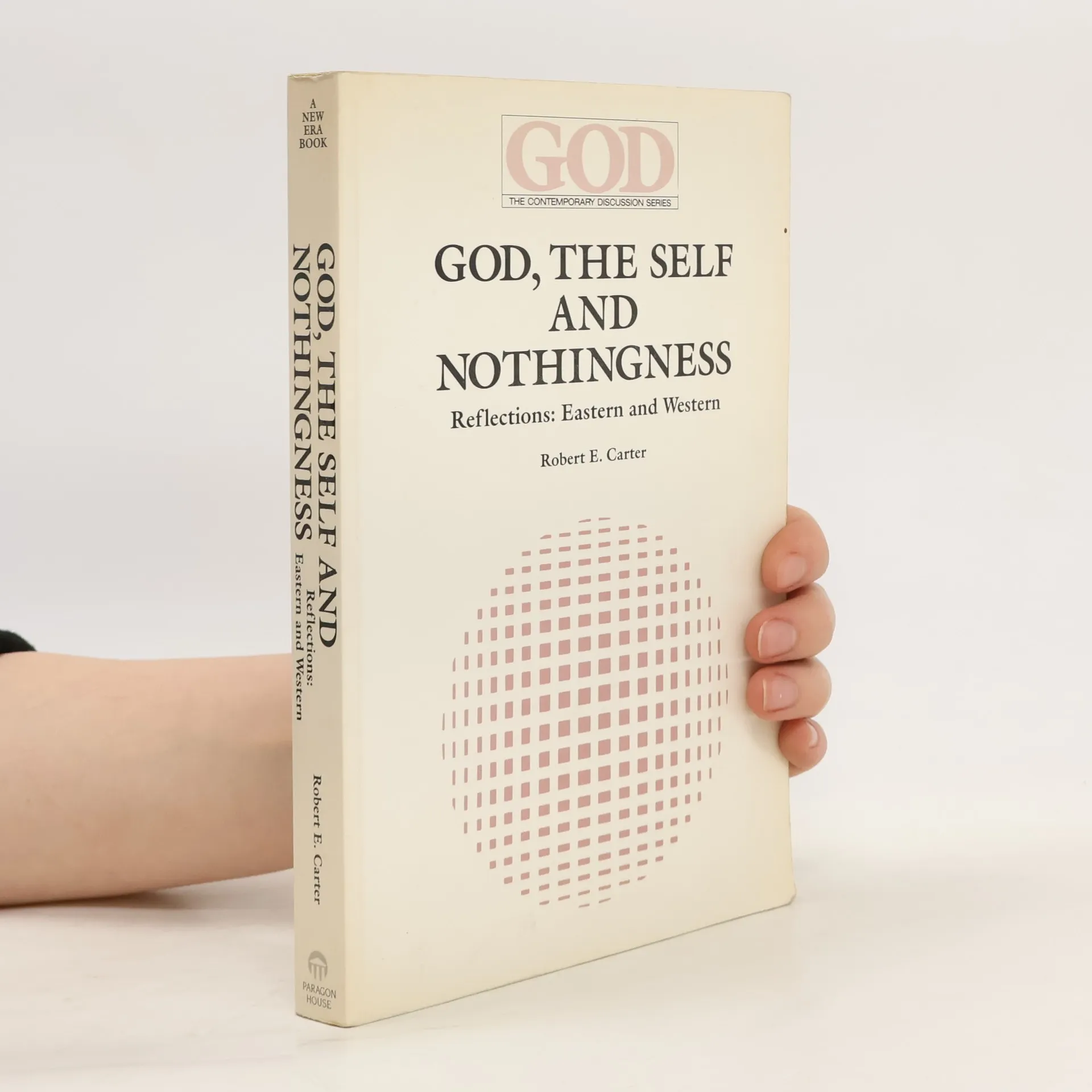
God, the Self, and Nothingness
- 291 stron
- 11 godzin czytania