

„Nigdziebądź” to postmodernistyczna powieść o lojalności, miłości i odwadze, i sensie istnienia. Richard Mayhew, główny bohater, prowadzi życie podobne do każdego z nas – pracuje w firmie, ma przyjaciół, a także piękną narzeczoną Jessikę, z którą planuje wspólną przyszłość. Jednak pewnego dnia jego dotychczasowe życie ulega diametralnej przemianie. Na ulicy spotyka ranną dziewczynę, której udziela pomocy – od tego momentu staje się mieszkańcem Londynu Pod, leżącego w kanałach i podziemnych przejściach Londynu Nad. Poprzez tę „małą” zmianę staje się niewidoczny dla normalnych ludzi. Nie mając zbyt wielkiego wyboru, Richard postanawia towarzyszyć Drzwi (bo tak ma na imię owa dziewczyna), która jest ścigana przez okrutnych morderców: Pana Croupa i Pana Vandemara. W międzyczasie dołącza do nich tajemnicza Łowczyni i jeszcze bardziej tajemniczy Markiz de Carabas. Razem postanawiają odnaleźć legendarnego anioła Islingtona, który jako jedyny może im pomóc: Richardowi wrócić do jego świata – Londynu Nad, a Drzwi odkryć sekret związany z tragiczną śmiercią całej jej rodziny. Książka ta niesie także dość smutne przesłanie na temat tego, jak życie potrafi być szare i monotonne w realnej rzeczywistości. Przeniesienie Richarda do nierzeczywistego świata jest dla niego ratunkiem przed nudą znajdującą się tuż za oknem.
Patrick Marcel Książki
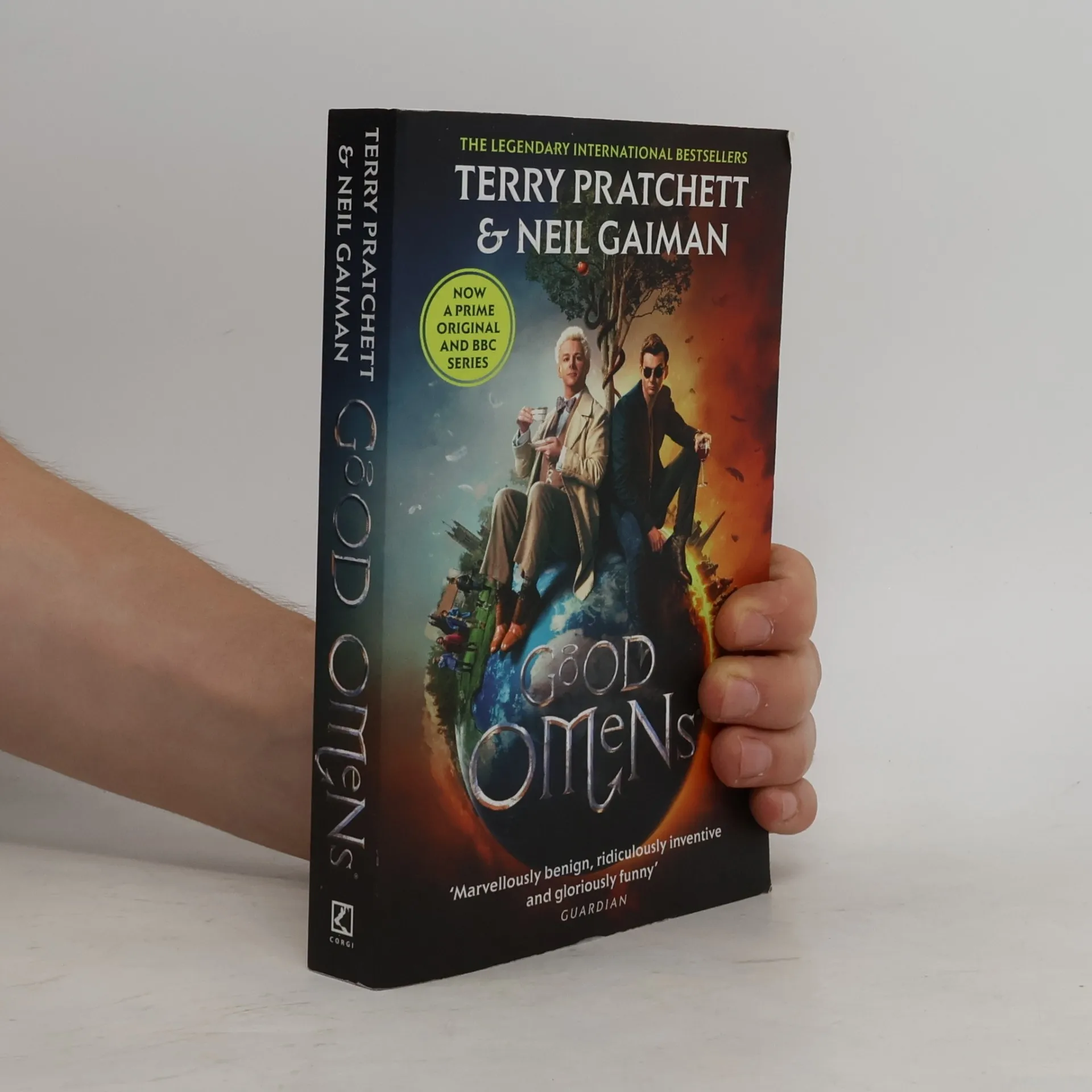

Good omens
- 416 stron
- 15 godzin czytania
“Armageddon only happens once, you know. They don’t let you go around again until you get it right.” According to the Nice and Accurate Prophecies of Agnes Nutter, Witch – the world’s only totally reliable guide to the future, written in 1655, before she exploded – the world will end on a Saturday. Next Saturday, in fact. Just after tea… People have been predicting the end of the world almost from its very beginning, so it’s only natural to be sceptical when a new date is set for Judgement Day. This time though, the armies of Good and Evil really do appear to be massing. The four Bikers of the Apocalypse are hitting the road. But both the angels and demons – well, one fast-living demon and a somewhat fussy angel – would quite like the Rapture not to happen. And someone seems to have misplaced the Antichrist…
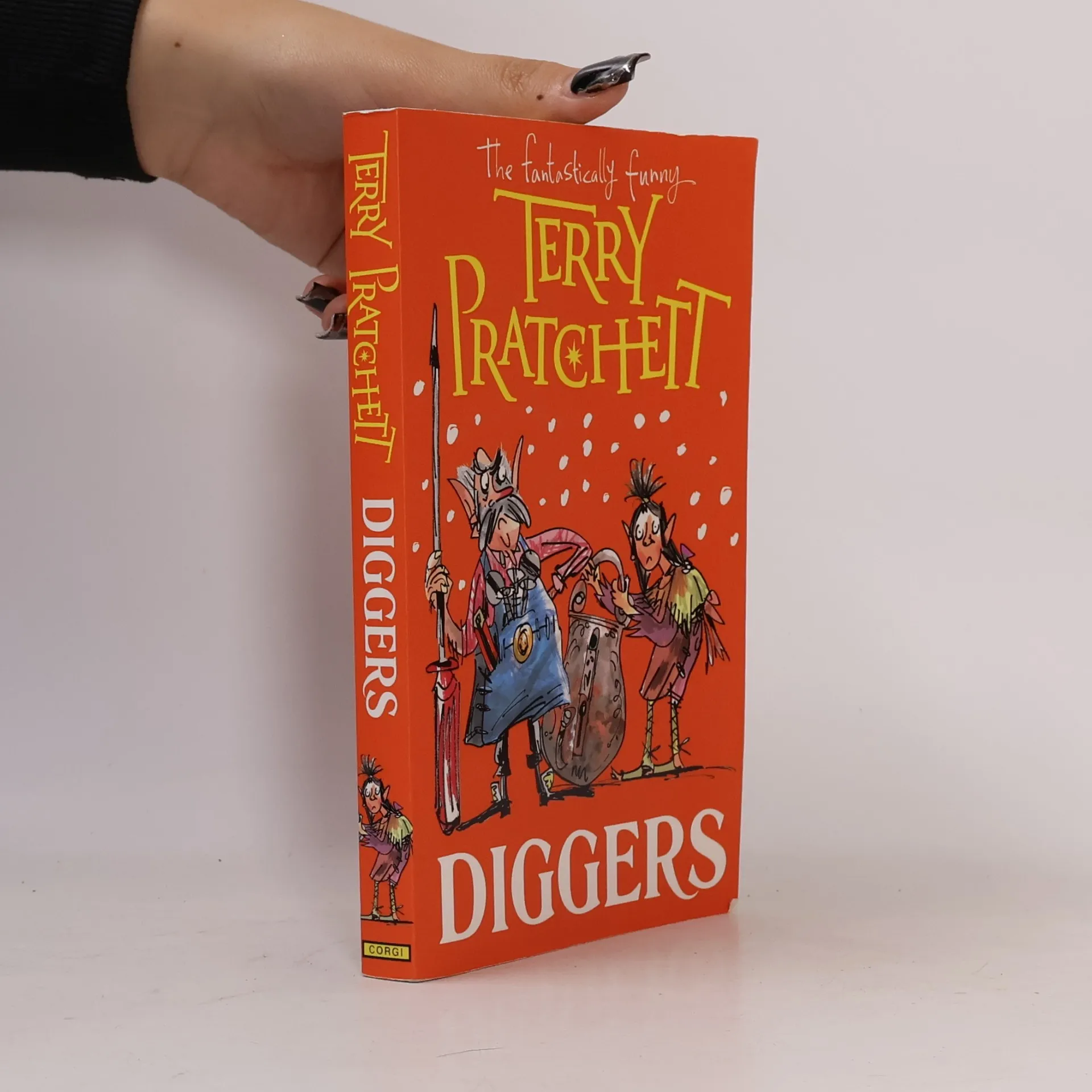
Diggers
- 256 stron
- 9 godzin czytania
This is the story of Jekub, the Dragon in the Hill with great big teeth and a great loud voice. (Well, that’s according to the nomes, but they are only four inches tall.) When humans threaten their new home in the quarry, the natural thing would be to run and hide. But the nomes have got the wild idea that they should fight back. After all, everyone knows that nomes are faster and smarter than humans, and now they have a secret weapon . . . The fantastically funny second book of the nomes, from the author of the bestselling Discworld series.
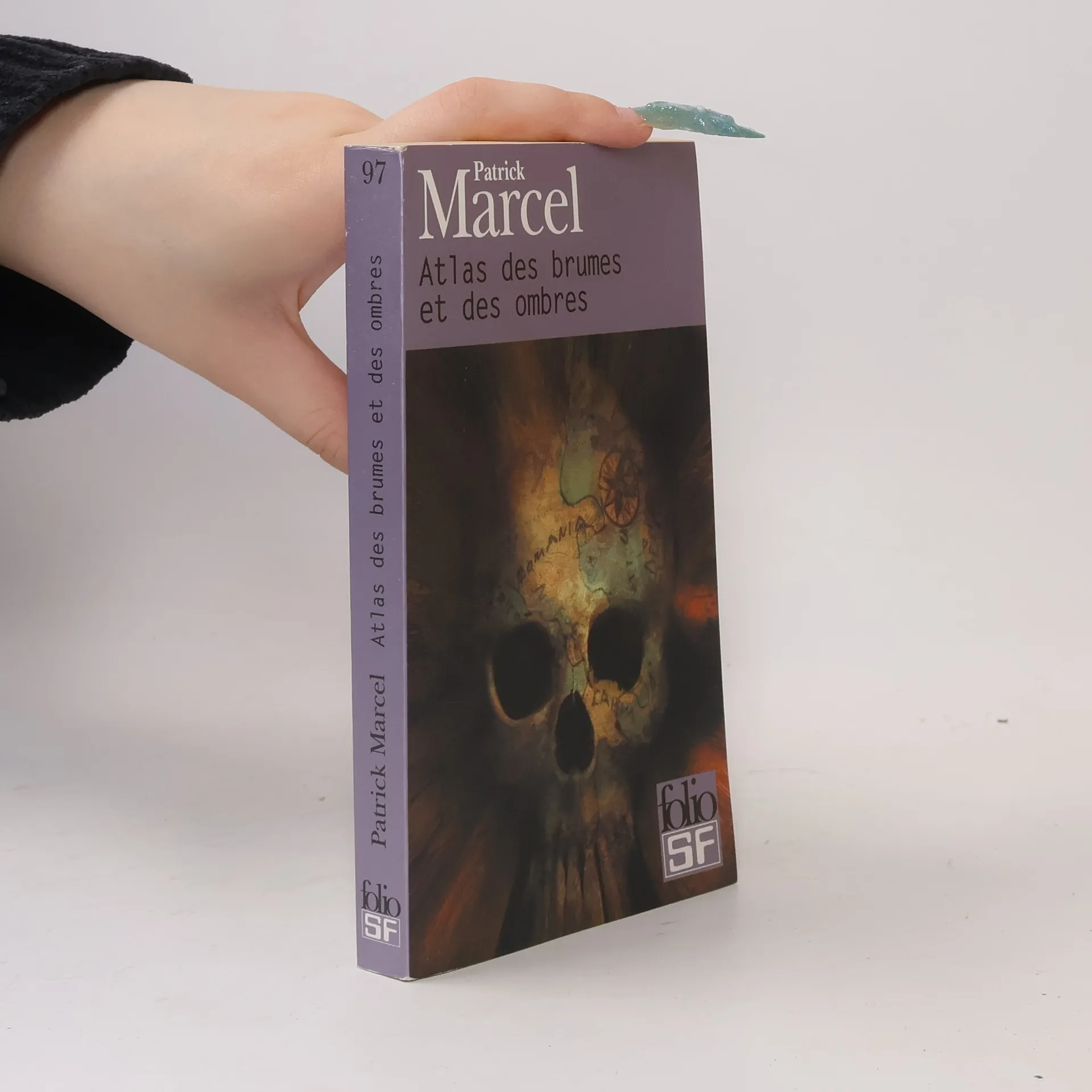
Folio SF - 97: Atlas des brumes et des ombres
- 266 stron
- 10 godzin czytania
Guy de Maupassant, Clive Barker, Stephen King, Jean Ray, Jorge Luis Borges, Edgar Poe, Peter Straub, Bram Stoker et son Dracula... Autant de signatures majeures d'un genre littéraire, le fantastique, marqué par l'exploration du surnaturel, de l'horreur et de l'irrationnel. Reflet des peurs les plus intimes, le fantastique accueille depuis l'aube de la littérature des figures imaginaires immortelles : vampires sanguinaires ou romantiques, loups-garous pathétiques, démons impitoyables, maisons hantées ou momies vengeresses. Indispensable outil pour les enseignants, fidèle compagnon de voyages du lecteur néophyte ou confirmé, ce guide de lecture propose un parcours souvent terrifiant au sein d'une littérature qui cherche à appréhender les facettes les plus sombres de l'inconscient humain. • historique de la littérature fantastique • 100 propositions de lecture Né en 1956, Patrick Marcel, quand il ne travaille pas pour l'aviation civile, traduit des romans de littérature fantastique et de science-fiction (Hughart, Gaiman, Holdstock, Pratchett...). Il a longtemps dirigé Manticora, une revue consacrée à l'exploration, la présentation et la promotion de toutes les formes du fantastique.