

Bookbot

Cedric Thomas Watts

    Macbeth
    Otello
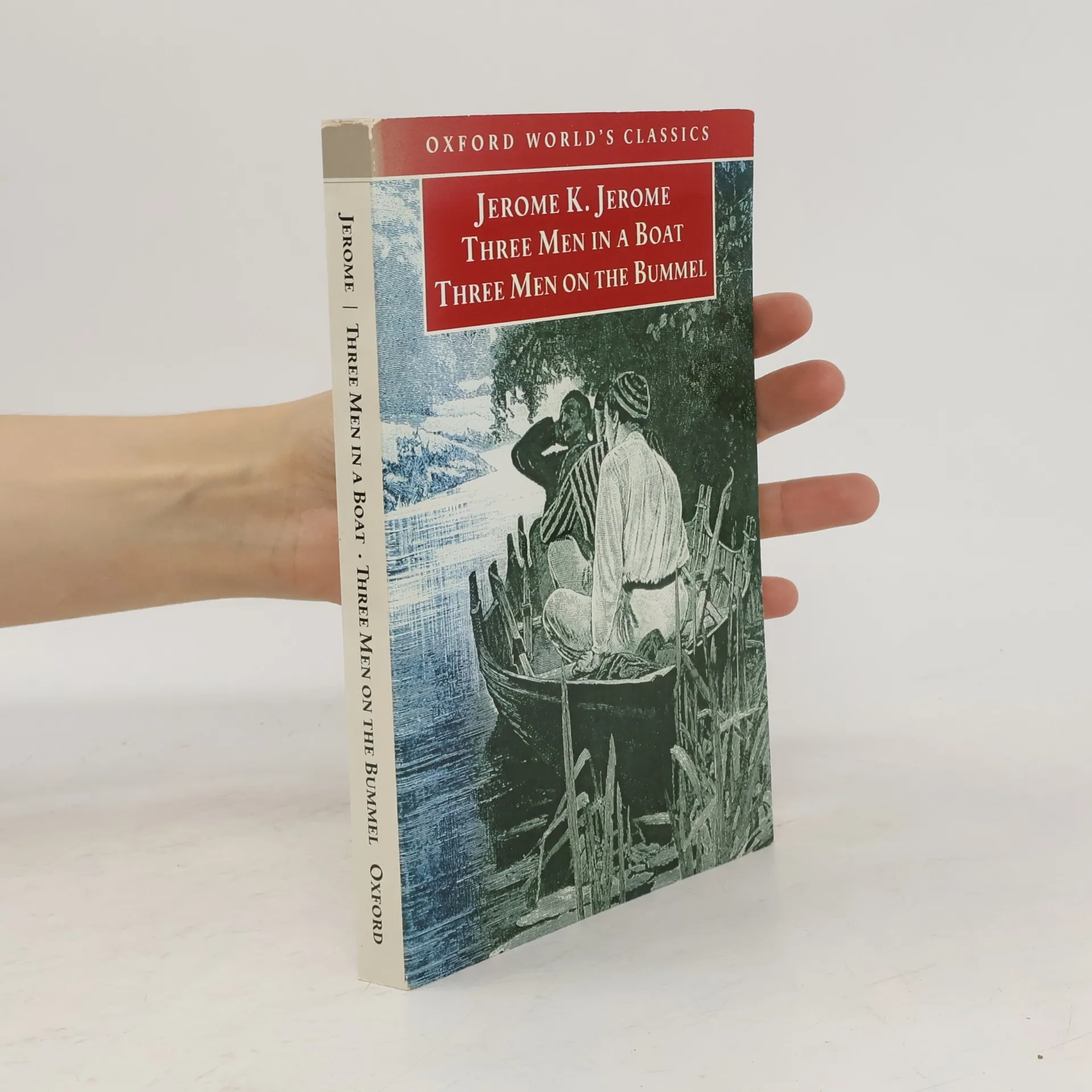
    Three Men in a Boat and Three Men on the Bummel
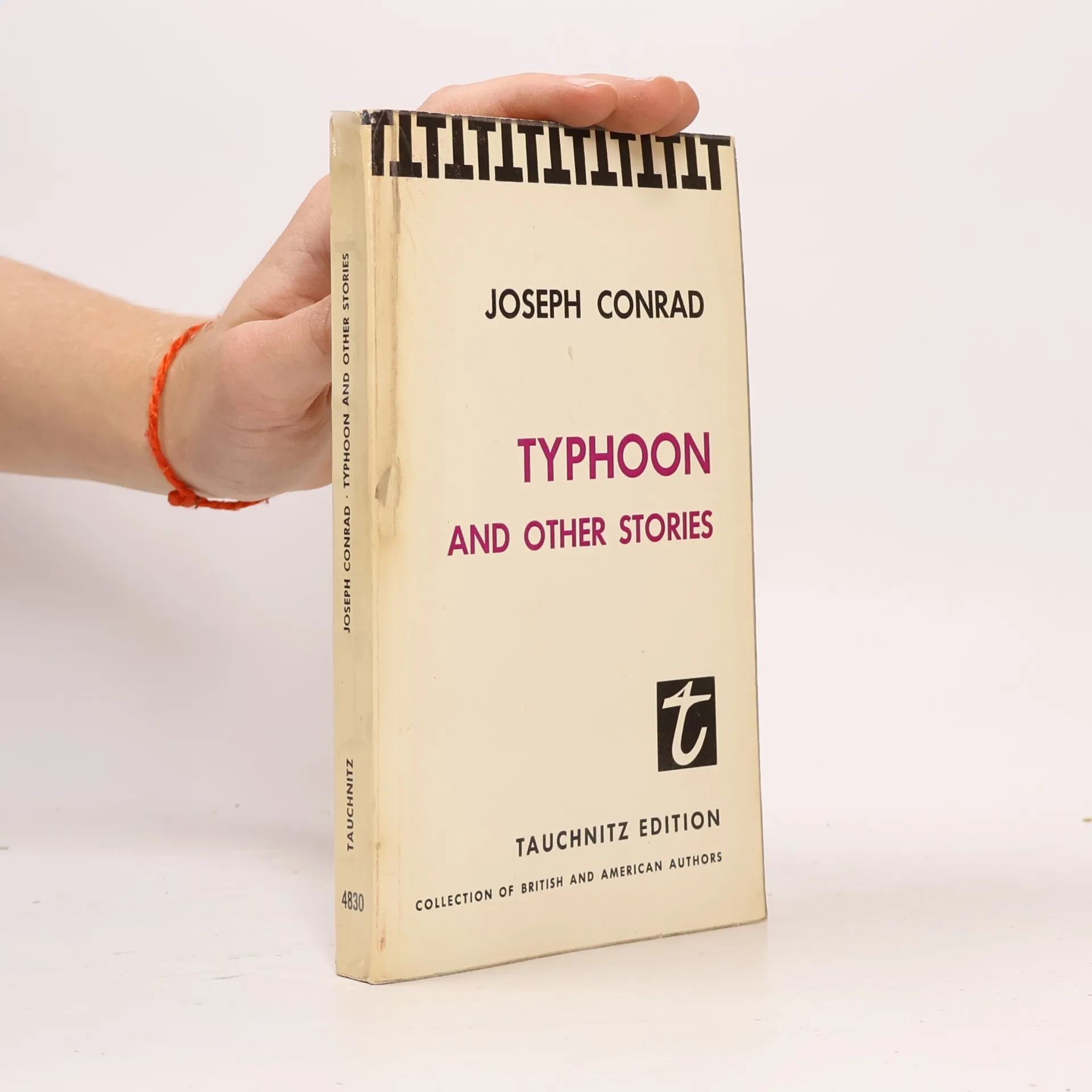
    Typhoon and Other Stories
    Joseph Conrad
    The Children of the Sea
    • The Children of the Sea

      • 128 stron
      • 5 godzin czytania

      Set aboard the Narcissus, a merchant ship journeying from Bombay to London, the novella explores the tensions among the crew as they grapple with the illness of a West Indian sailor suffering from tuberculosis. While some crew members exhibit compassion and take on additional duties to care for him, others question the severity of his condition, leading to a conflict that reveals deeper themes of humanity, duty, and the fragility of life at sea. Joseph Conrad delves into the complexities of human relationships in this poignant narrative.
      The Children of the Sea
      4,5
    • Joseph Conrad

      • 80 stron
      • 3 godziny czytania

      Professor Watts’s study examines the main phase in Joseph Conrad’s literary development.

      Joseph Conrad
      3,8
    • Contains four stories, written between 1900 and 1902. One of them reveals the differences between instinct and intelligence in a partnership vital to human survival; and the other contains 'land-stories' that explore the utter isolation of an East European emigrant in England and in the other, the plight of a woman.

      Typhoon and Other Stories
      4,0
    • "Three Men in a Boat" describes a comic expedition by middle-class Victorians up the Thames to Oxford, and "Three Men on the Bummel" records a similar escapade - a break from the claustrophobia of suburban life some ten years later, as they take a cycling tour in the Black Forest.

      Three Men in a Boat and Three Men on the Bummel
      4,1
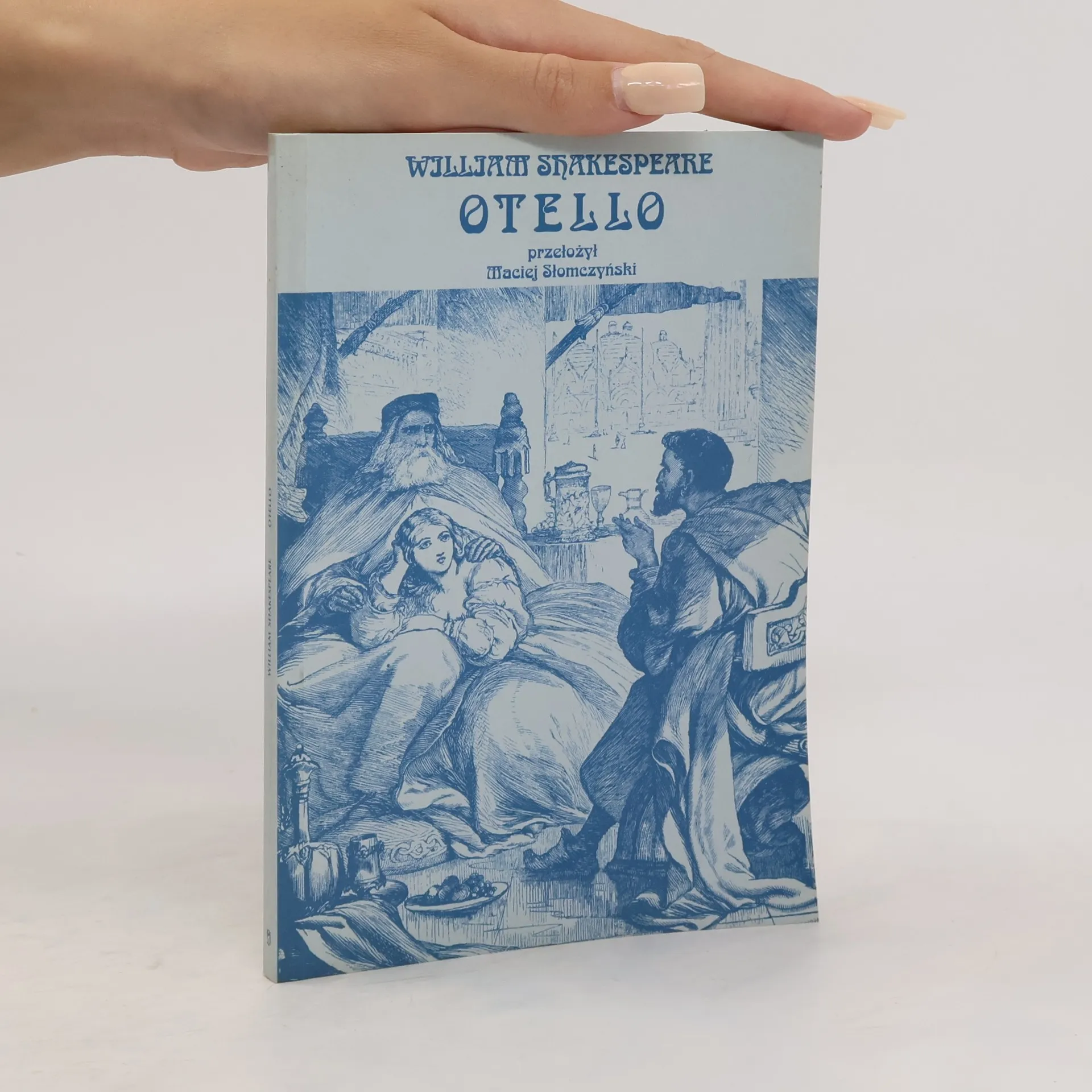
    • Maur Othello, dowódca weneckiej armii, żeni się z Desdemoną. Jego chorąży Jago pod wpływem frustracji sugeruje Othellowi, że Desdemona go zdradza. Choć nic nie potwierdza tych zarzutów, w Othellu budzi się zazdrość, która daje początek tragicznym wydarzeniom.

      Otello
      4,0
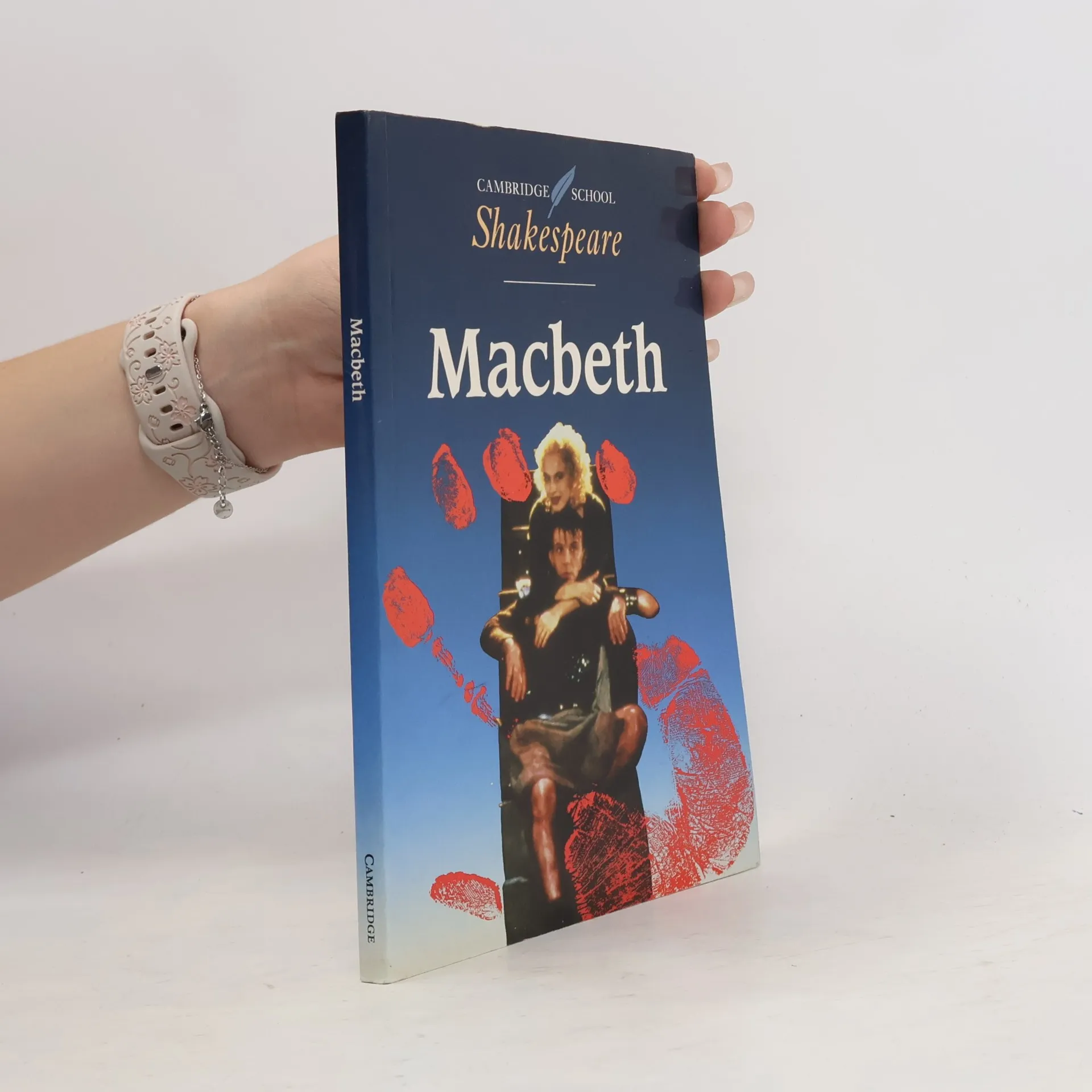
    • A new look at Shakespeare's play in accordance with the work of the Shakespeare and Schools Project, the National Curriculum for English, developments at GCSE and A-level, and the probable development of English and Drama throughout the 1990s. Cambridge School Shakespeare considers the play as theatre and the text as script, enabling pupils to inhabit the imaginative world of the play in an accessible, meaningful and creative way. Cambridge School Shakespeare approaches the plays in a new way, encouraging students to participate actively in examining them, to work in groups as well as individually, to treat each play as a script to be re-created, and to explore the theatrical/dramatic qualities of the text. The editorial comments cater for pupils of all ages and abilities, providing clear, helpful guidelines for school study. The format of the plays is also designed to help all teachers, whether experienced or inexperienced. NB This replaces the information previously issued.

      Macbeth
      3,9
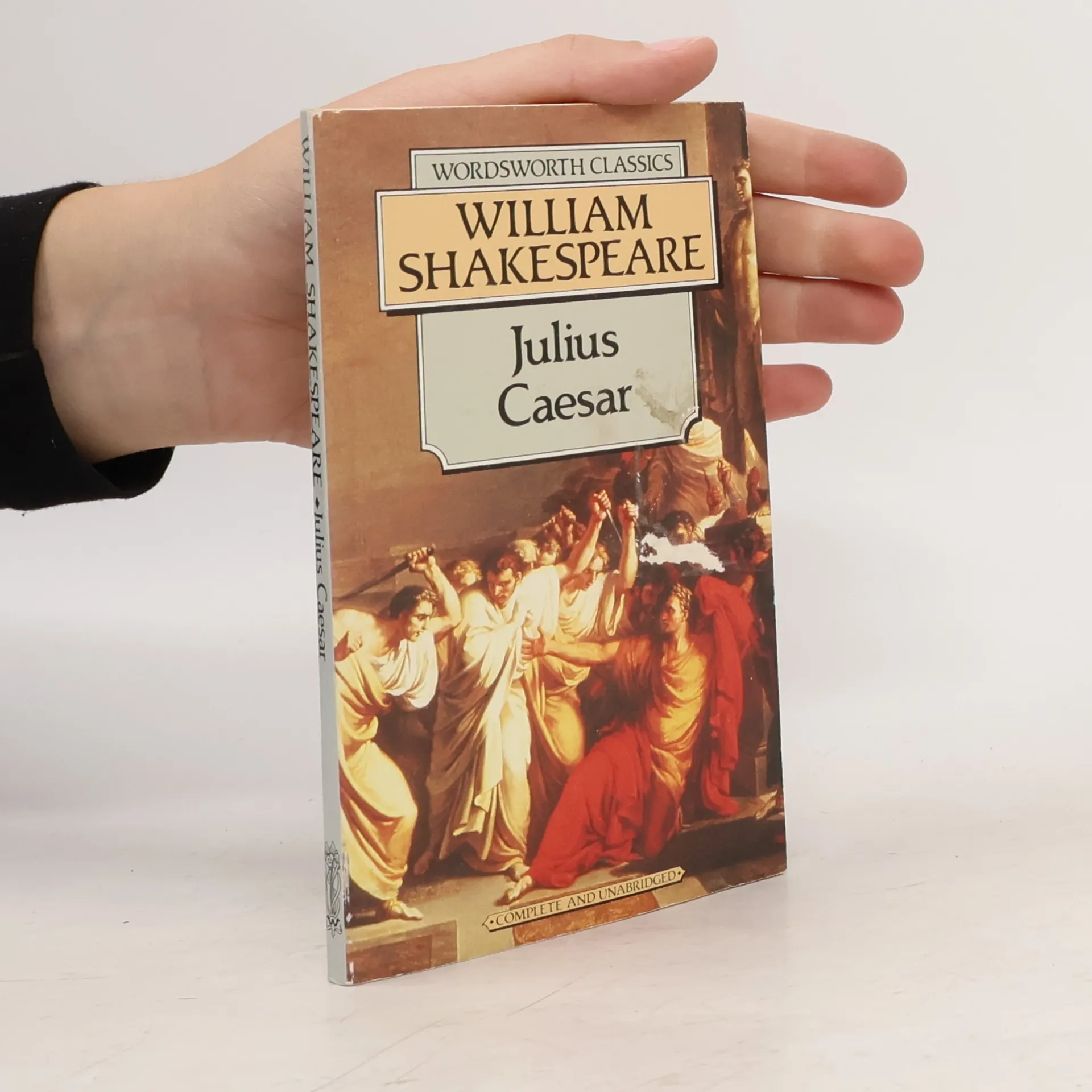
    • Julius Caesar

      • 83 strony
      • 3 godziny czytania

      To the events surrounding the assassination of Julius Caesar in 44BC, Shakespeare introduces the dangerous themes of thwarted ambition and political reaction.

      Julius Caesar
      3,8
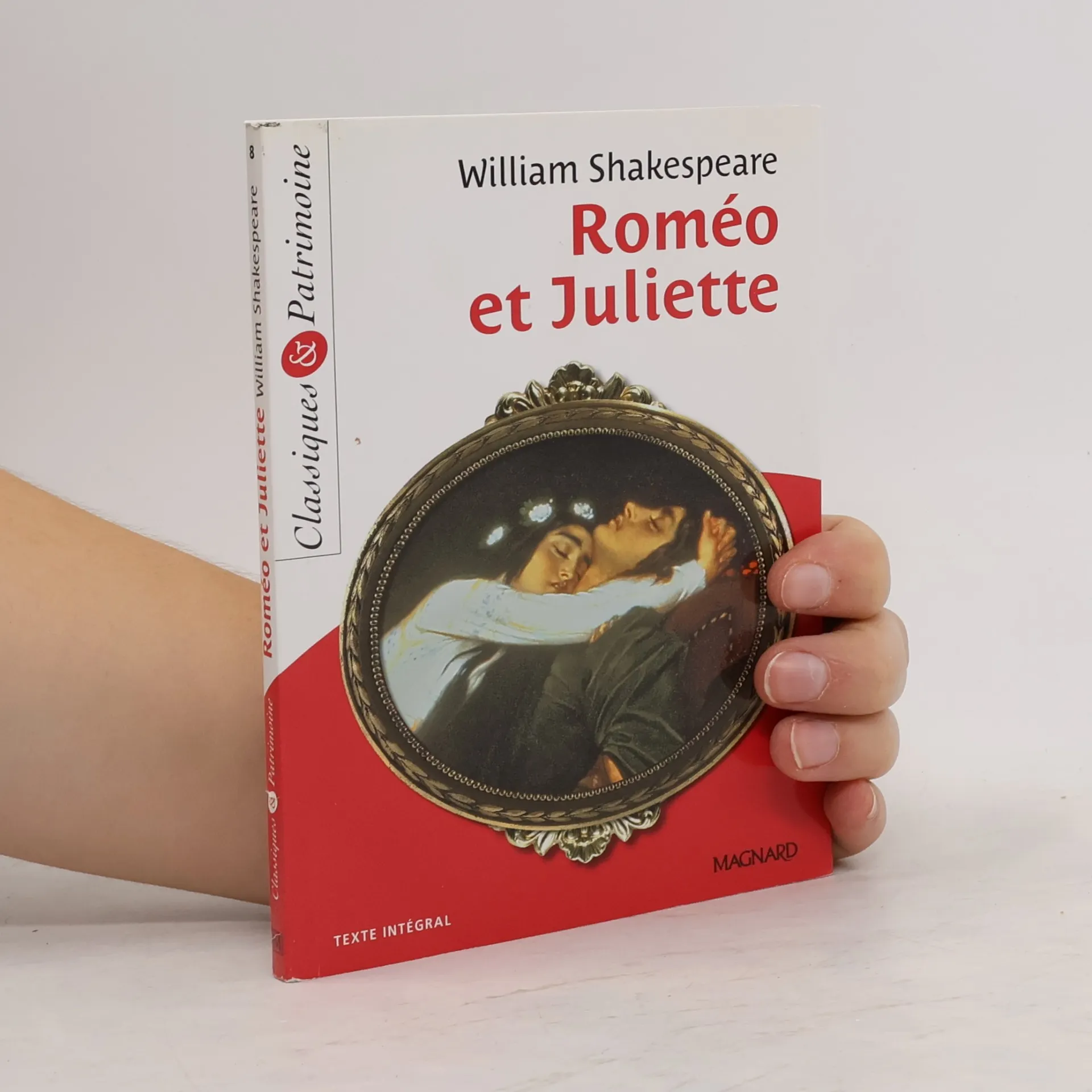
    • Romeo et Juliette

      • 160 stron
      • 6 godzin czytania

      Ponadczasowa historia o miłości, przekład na język francuski.

      Romeo et Juliette
      3,8
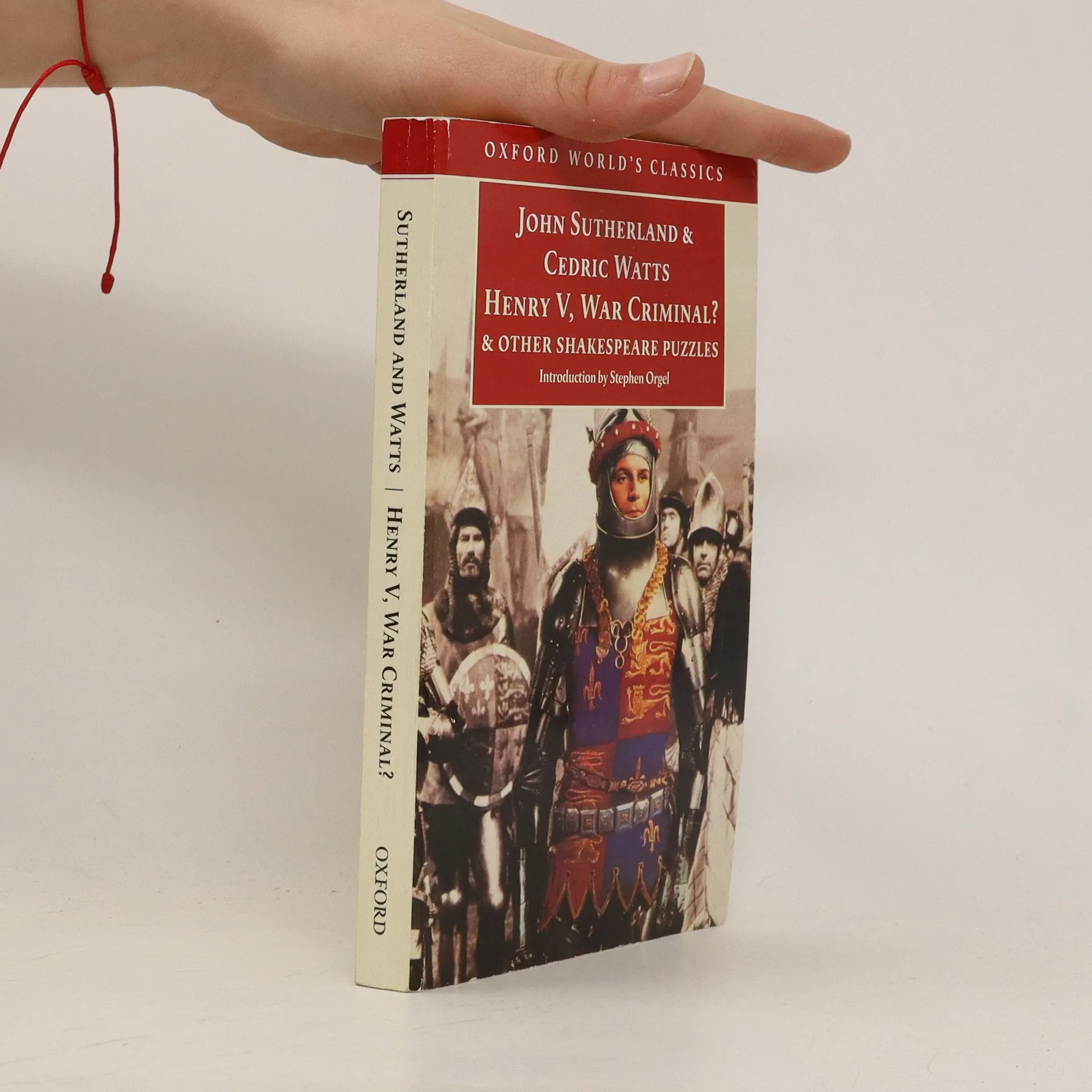
    • Loose ends and red herrings are the stuff of detective fiction, and under the scrutiny of master sleuths John Sutherland and Cedric Watts Shakespeare's plays reveal themselves to be as full of mysteries as any Agatha Christie novel. Is it summer or winter in Elsinore? Do Bottom and Titania make love? Does Lady Macbeth faint, or is she just pretending? How does a man putrefy within minutes of his death? Is Cleopatra a deadbeat Mum? And why doesn't Juliet ask 'O Romeo Montague, wherefore art thou Montague?' As Watts and Sutherland explore these and other puzzles Shakespeare's genuius becomes ever more apparent. Speculative, critical, good-humoured and provocative, their discussions shed light on apparent anachronisms, performance and stagecraft, linguistics, Star Trek and much else. Shrewd and entertaining, these essays add a new dimension to the pleasure of reading or watching Shakespeare.

      Henry V, War Criminal?
      3,7