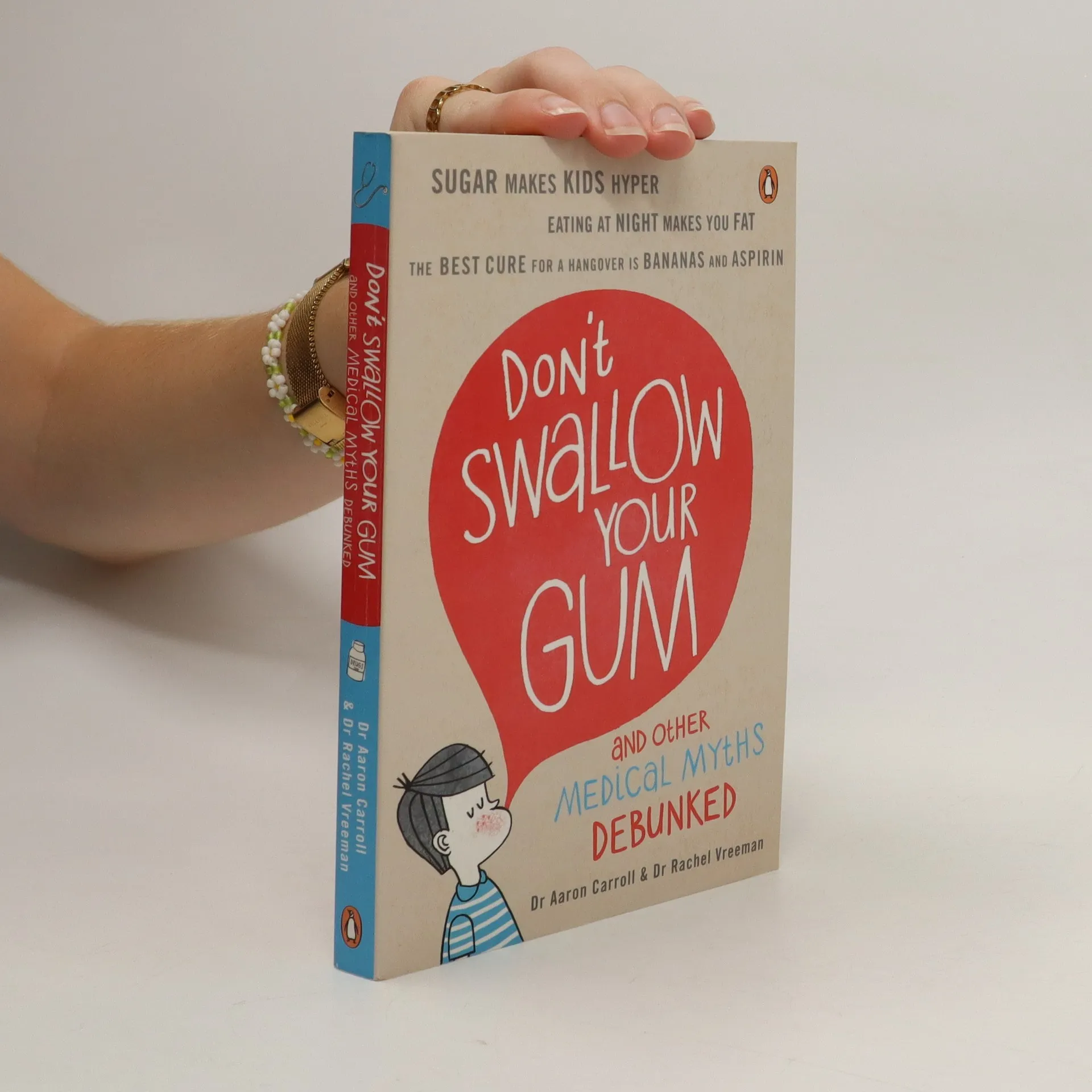
Men with big feet have big penises You should drink at least eight glasses of water a day Sugar makes kids hyper Eating at night makes you fat Chewing gum stays in your stomach for seven years You lose 40% of your body heat through your head Every day, you hear or think things about your body and health that are just not true. Maybe you saw them on TV, read them in magazines or heard them from friends (or even a doctor). This book is for anyone who has wondered about the truth behind these myths. Funny, wacky and full of fascinating facts, Don�t Swallow Your Gum explains why so many of those weird and worrisome things we think about our bodies are mistaken.
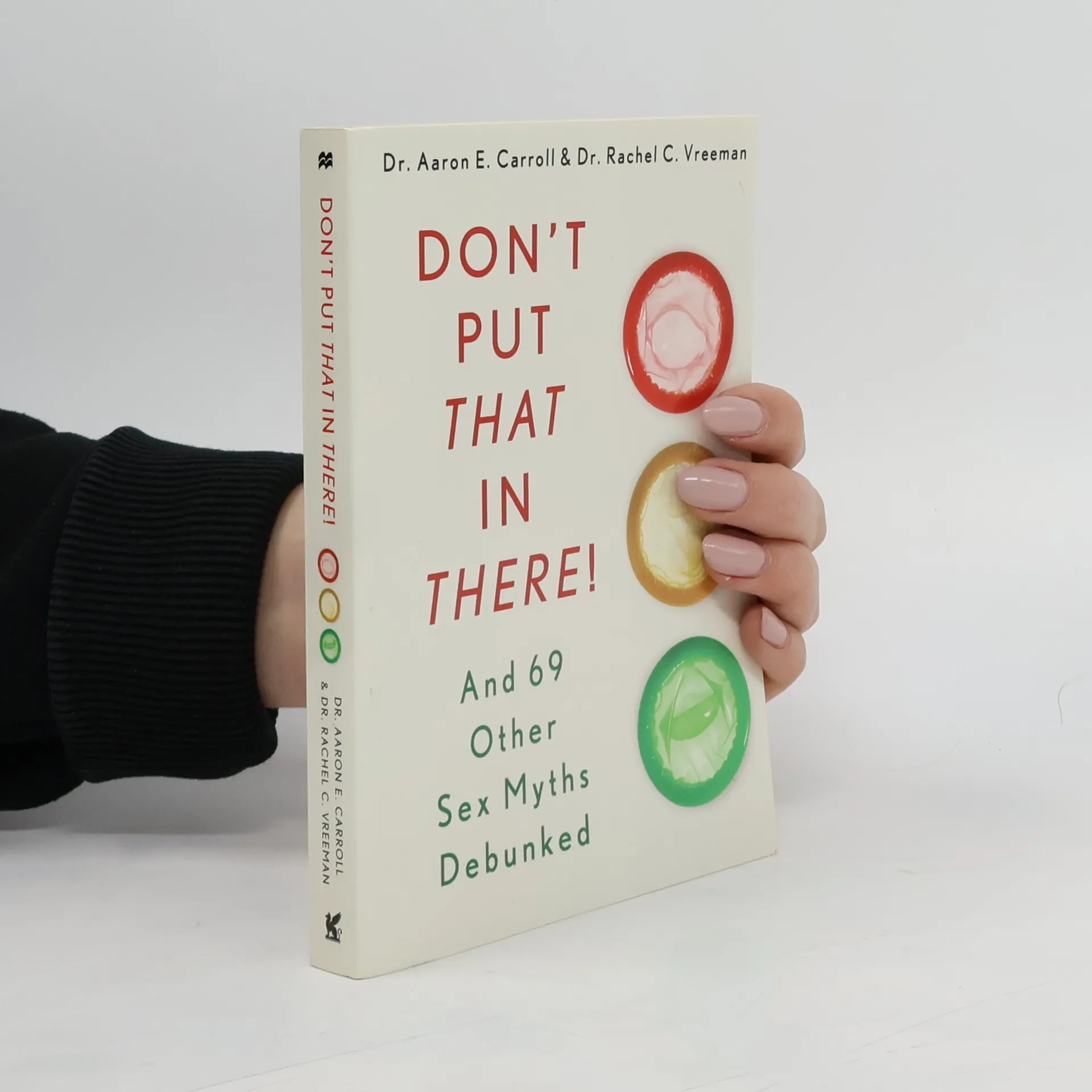
People have more access to medical information than ever before with an abundance of printed and online resources, and yet we still believe "facts" about our bodies and sexuality that are just plain wrong. Don't Put That in There! takes on these myths and misconceptions, and exposes the truth behind some of those weird and worrisome things we think about our bodies, such •The average penis size is seven inches•Squeezing breasts is all fun and games•You shouldn't have sex before the big game•Anal sex will give you cancer•Two condoms are better protection than one•Pubic hair doesn't turn gray•Sex can give you a heart attack•Only men have wet dreams•You can't break your penis•You can run out of spermWith the perfect blend of authoritative research and a breezy, accessible tone, Don't Put That in There! is full of enlightening, practical, and quirky facts that will debunk some of the most perennial misconceptions we believe about sex and sexuality.
Physician and popular New York Times Upshot contributor Aaron Carroll mines the latest evidence to show that many “bad” ingredients actually aren’t unhealthy, and in some cases are essential to our well-being. Advice about food can be confusing. There's usually only one thing experts can agree on: some ingredients—often the most enjoyable ones—are bad for you, full stop. But as Aaron Carroll explains, these oversimplifications are both wrong and dangerous: if we stop consuming some of our most demonized ingredients altogether, it may actually hurt us. In The Bad Food Bible , Carroll examines the scientific evidence, showing among other things that you can: ·Eat red meat several times a week: The health effects are negligible for most people, and actually positive if you're 65 or older. ·Have a drink or two a day: As long as it's in moderation, it will protect you against cardiovascular disease without much risk. ·Enjoy a gluten-loaded bagel from time to time : It has less fat and sugar, fewer calories, and more fiber than a gluten-free one. ·Eat more salt: If your blood pressure is normal, you should be more worried about getting too little sodium than having too much. Full of counterintuitive lessons about food we hate to love, The Bad Food Bible is for anyone who wants to forge eating habits that are sensible, sustainable, and occasionally indulgent.
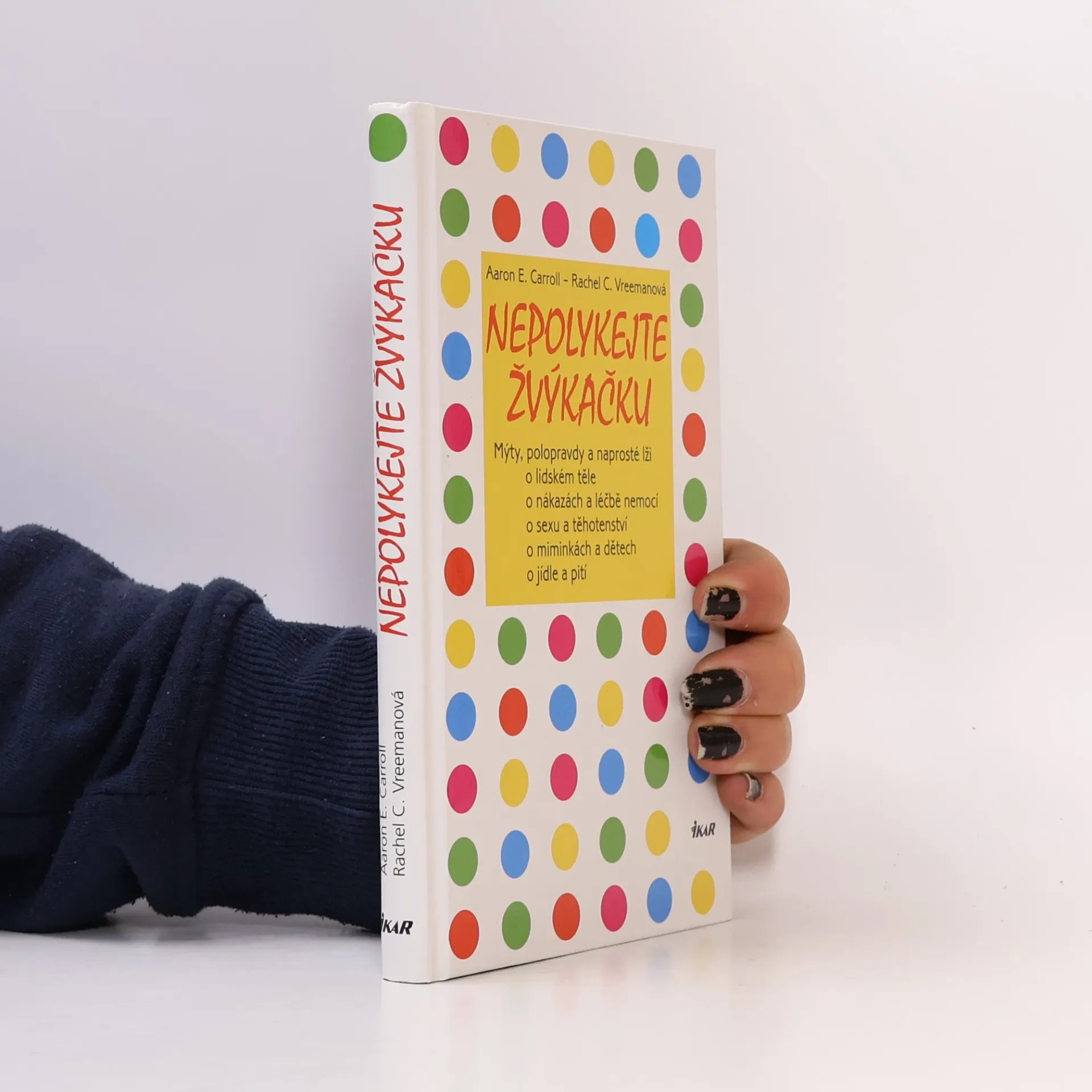
Mýty, polopravdy a naprosté lži o lidském těle a zdraví, nákazách a léčbě nemocí, sexu a těhotenství, miminkách a dětech, jídle a pití. Autoři vyvracejí mnoho předsudků a uvádějí na pravou míru mylné představy. Dokázali spojit seriózní výzkum s břitkým smyslem pro humor a dospěli tak ke skvělému pojednání, jež boří dosavadní mýty o více než 80 praktických a zajímavých tématech týkajících se zdraví a osobní pohody.
První vydání.