Nanking, Dezember 1937: Die japanische Armee verübt ein unvorstellbares Massaker an der chinesischen Zivilbevölkerung. Die amerikanische Missionarin Wilhelmine „Minnie“ Vautrin ist eine von wenigen Mitarbeitern ausländischer Einrichtungen, die sich entschließen, zu bleiben. Gemeinsam mit ihrem kleinen Team verwandelt sie das amerikanische College, das sie leitet, in ein Flüchtlingslager für Frauen und Kinder – und rettet Tausenden von Menschen das Leben. Ein ergreifender Antikriegsroman, der dem Leser von heute das Grauen von damals spürbar macht.
Ha Jin's first novel since Waiting offers a riveting and deftly executed expose of the troubles of contemporary China, set against the background of political unrest at Tiananmen Square. In his powerful new novel, the author of Waiting deepens his portrait of Chinese society while exploring the perennial conflicts between convention and individualism, integrity and pragmatism, loyalty and betrayal. Professor Yang, a respected teacher of literature at a provincial university, has had a stroke, and his student Jian Wan - who is also engaged to Yang's daughter - has been assigned to care for him. What initially seems a simple if burdensome duty becomes more problematic when the professor begins to rave: pleading with invisible tormentors, denouncing his family, his colleagues, and a system in which a scholar is 'just a piece of meat on a cutting board.' Are these just manifestations of illness, or is Yang spewing up the truth? In a China convulsed by the Tiananmen uprising, those who listen to the truth are as much at risk as those who speak it. At once nuanced and fierce, earthy and humane, The Crazed is further evidence of Ha Jin's prodigious narrative gifts.
A collection of 12 short stories that bring to life the daily dramas of Chinese men and women who are beginning to feel the influence of the West while still immersed in a society that attempts to control their every move and thought.
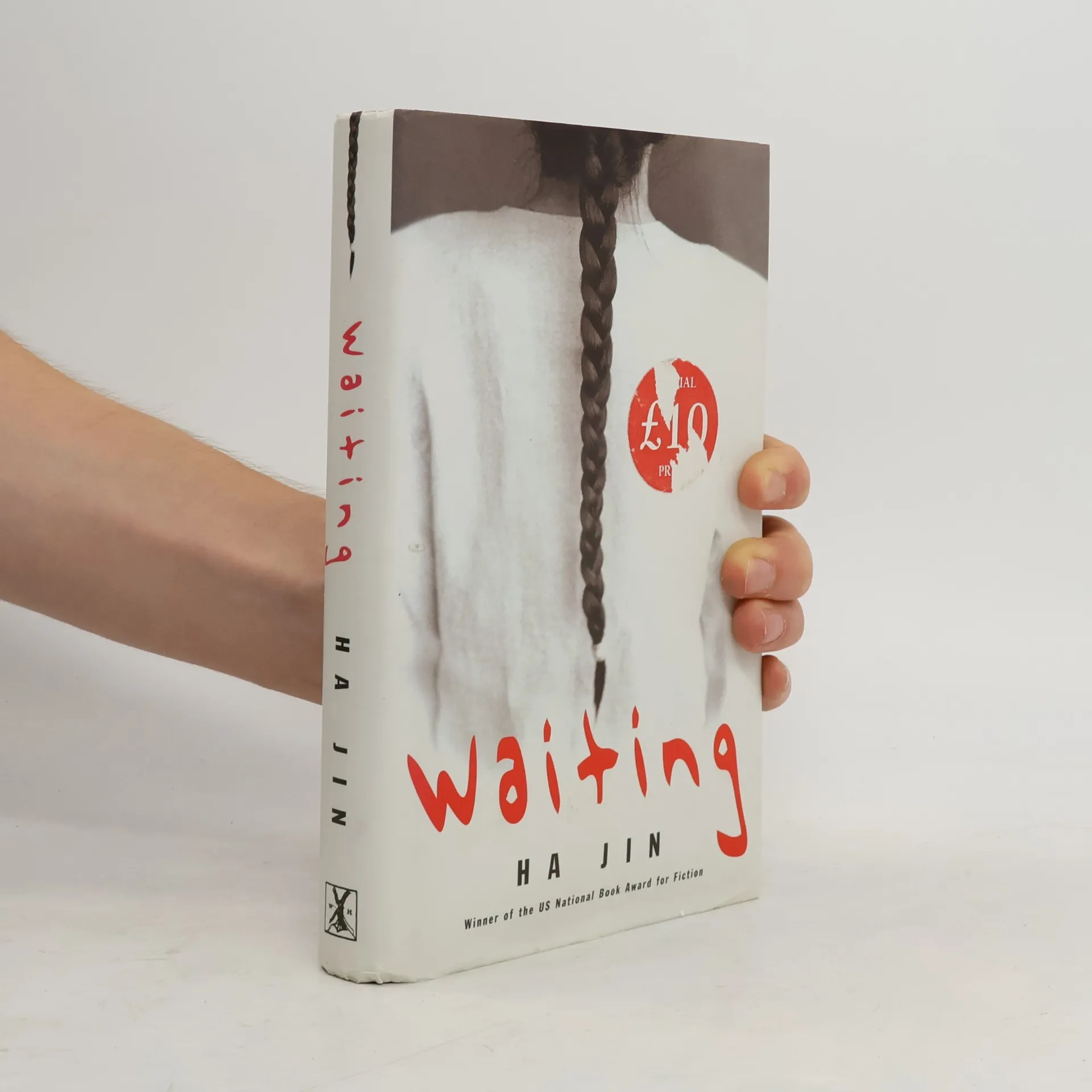
Every summer, Lin Kong returns to Goose Village to divorce his wife, Shuyu, an arrangement that embarrasses him due to her country ways and bound feet. As a Chinese army doctor, Lin is content with his military life until he falls in love with Manna, a nurse at his hospital. However, regulations prevent him from divorcing Shuyu without her consent until 18 years have passed, leading to a cycle of requests for freedom that go unanswered. This creates a poignant tension as Lin and Manna's love is thwarted by obstacles. The novel explores what might happen to a romance like Romeo and Juliet's if stretched over decades, revealing Lin's growing frustration and the realization that he "waited eighteen years just for the sake of waiting." While there is a political allegory woven throughout, it emerges naturally from the characters' experiences rather than being overtly ideological. Lin and Manna's tender moments occur amidst a backdrop of political turmoil, illustrating the contrast between personal and political struggles. Ha Jin's remarkable prose captures the urgency of an unconsummated love affair and the domestic dilemmas that resonate with historical events. The novel stands as a testament to the power of realist storytelling in contemporary literature.