[…] Z oddali usłyszałem coś jak łzawy krzyk kobiety. Ochrypły głos niósł się po nocy, tak nieporównanie wcześniej spokojnej, i sprawił, że ja, dziecko w tym wspomnieniu, zacząłem drżeć jak liść. Widzę siebie przerażonego, z szeroko otwartymi ze strachu oczyma i niewyraźnymi w ciemności rysami twarzy. Ten kobiecy krzyk niósł się jeszcze bardzo długo. Z niecierpliwością i przerażeniem czekałem, aż pojawi się jakiś inny dźwięk, który odpowiedziałby na krzyk kobiety i uspokoił jej płacz – ale taki dźwięk nie nadszedł. Teraz zdaję sobie sprawę, dlaczego byłem wówczas tak przerażony – nigdy nie usłyszałem żadnego dźwięku w odpowiedzi. Nie ma nic, co bardziej wprawiałoby ludzi w drżenie, niż samotny, bezsilny krzyk w deszczowej, nocnej pustce… Yu Hua – jeden z najwybitniejszych współczesnych pisarzy chińskich, ceniony i rozpoznawalny również na Zachodzie. W swojej twórczości dokonuje głębokiej i szczegółowej analizy ludzkiej natury: zła i przemocy, instynktu i pożądania, tradycji i historii. Znany jest z używania czarnego humoru i unikalnych stylów językowych. Zyskał rozgłos m.in. dzięki takim książkom jak: Nie mam własnego imienia, Żyć!, Kroniki sprzedawcy krwi, Chiny w dziesięciu słowach czy Bracia.
余华 Książki
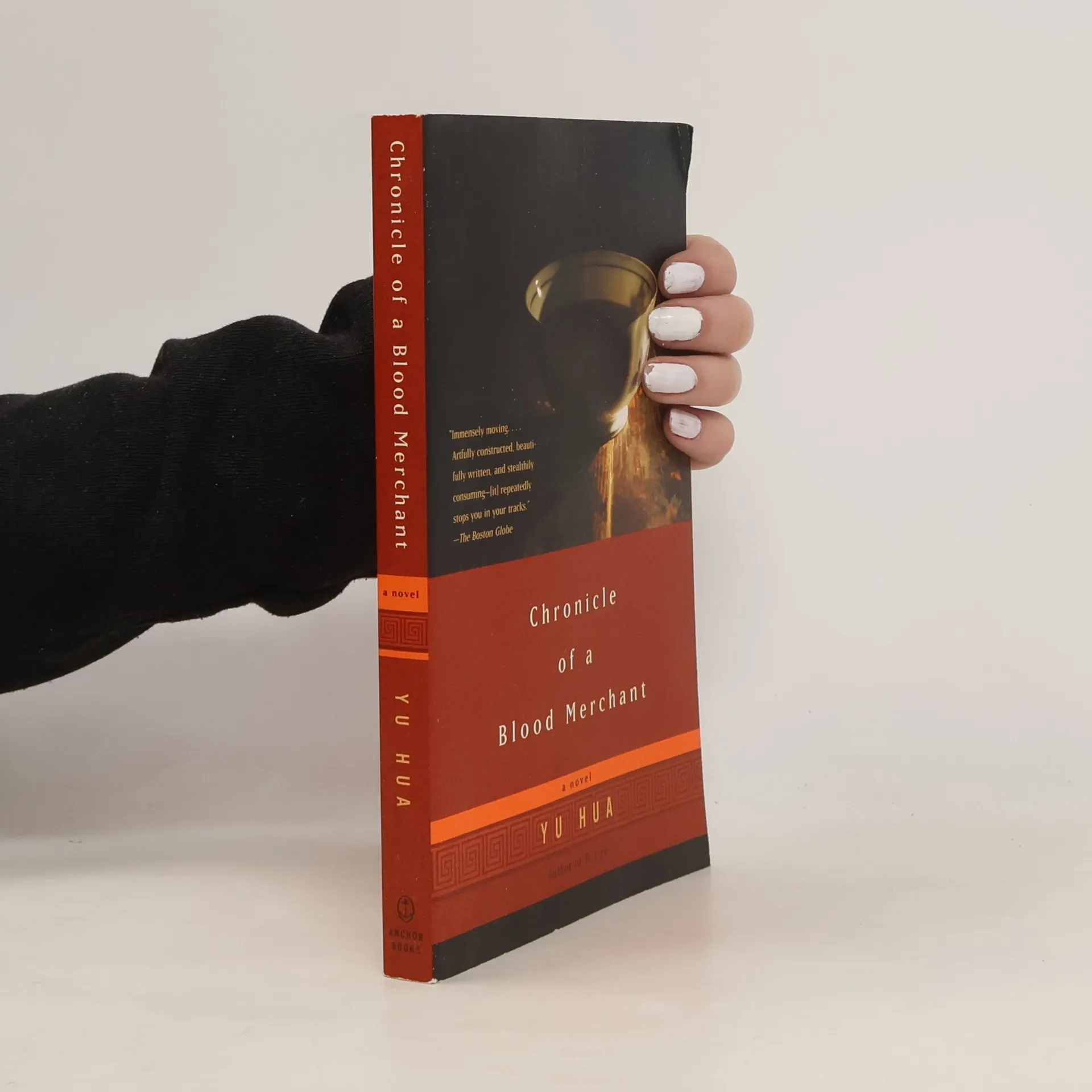


From the author of Brothers and China in Ten Words this celebrated contemporary classic of Chinese literature was also adapted for film by Zhang Yimou. This searing novel, originally banned in China but later named one of that nation's most influential books, portrays one man's transformation from the spoiled son of a landlord to a kindhearted peasant. After squandering his family's fortune in gambling dens and brothels, the young, deeply penitent Fugui settles down to do the honest work of a farmer. Forced by the Nationalist Army to leave behind his family, he witnesses the horrors and privations of the Civil War, only to return years later to face a string of hardships brought on by the ravages of the Cultural Revolution. Left with an ox as the companion of his final years, Fugui stands as a model of gritty authenticity, buoyed by his appreciation for life in this narrative of humbling power.
Chronicle Of A Blood Merchant
- 272 strony
- 10 godzin czytania
One of the last decade's ten most influential books in China, this internationally acclaimed novel by one of the mainland's most important contemporary writers provides an unflinching portrait of life under Chairman Mao.A cart-pusher in a silk mill, Xu Sanguan augments his meager salary with regular visits to the local blood chief. His visits become lethally frequent as he struggles to provide for his wife and three sons at the height of the Cultural Revolution. Shattered to discover that his favorite son was actually born of a liaison between his wife and a neighbor, he suffers his greatest indignity, while his wife is publicly scorned as a prostitute. Although the poverty and betrayals of Mao's regime have drained him, Xu Sanguan ultimately finds strength in the blood ties of his family. With rare emotional intensity, grippingly raw descriptions of place and time, and clear-eyed compassion, Yu Hua gives us a stunning tapestry of human life in the grave particulars of one man's days.
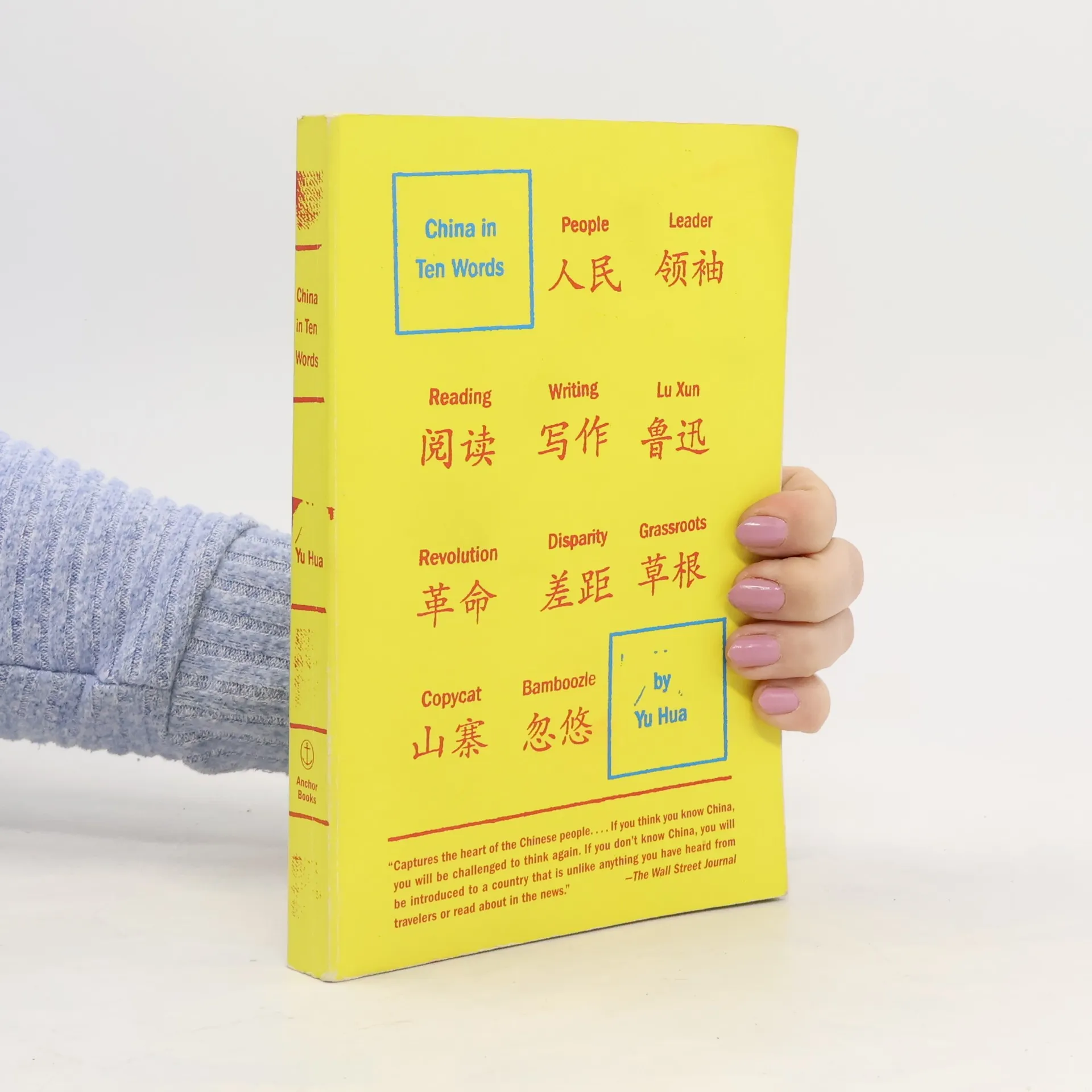
China in Ten Words
- 240 stron
- 9 godzin czytania
From one of China’s most acclaimed writers: a unique, intimate look at the Chinese experience over the last several decades. Framed by ten phrases common in the Chinese vernacular, China in Ten Words uses personal stories and astute analysis to reveal as never before the world’s most populous yet oft-misunderstood nation. In "Disparity," for example, Yu Hua illustrates the expanding gaps that separate citizens of the country. In "Copycat," he depicts the escalating trend of piracy and imitation as a creative new form of revolutionary action. And in "Bamboozle," he describes the increasingly brazen practices of trickery, fraud, and chicanery that are, he suggests, becoming a way of life at every level of society. Witty, insightful, and courageous, this is a refreshingly candid vision of the "Chinese miracle" and all of its consequences.
The controversial bestseller from one of China's most influential novelists
DAS MODERNE CHINA - EINE GROTESKE: Yang Fei ist erst 41 und schon tot. Bevor aber seine Seele ins Jenseits geht, befindet sich der Verstorbene sieben Tage in einem Zwischenreich, wo er sein Leben Revue passieren lässt. Schon seine Geburt ist dramatisch: Die hochschwangere Mutter verliert das Kind auf dem Abort des Zuges, zum Glück findet es der Streckenwärter Yang Jinbiao auf den Schienen und nimmt das Kind auf. Im modernen China bleibt sein Leben dramatisch: der Abriss seiner Wohnung durch Spekulanten, die Verarmung seines Ziehvaters durch Krankheit, und dann verlässt ihn noch seine große Liebe Li Qing für einen reichen Mann.
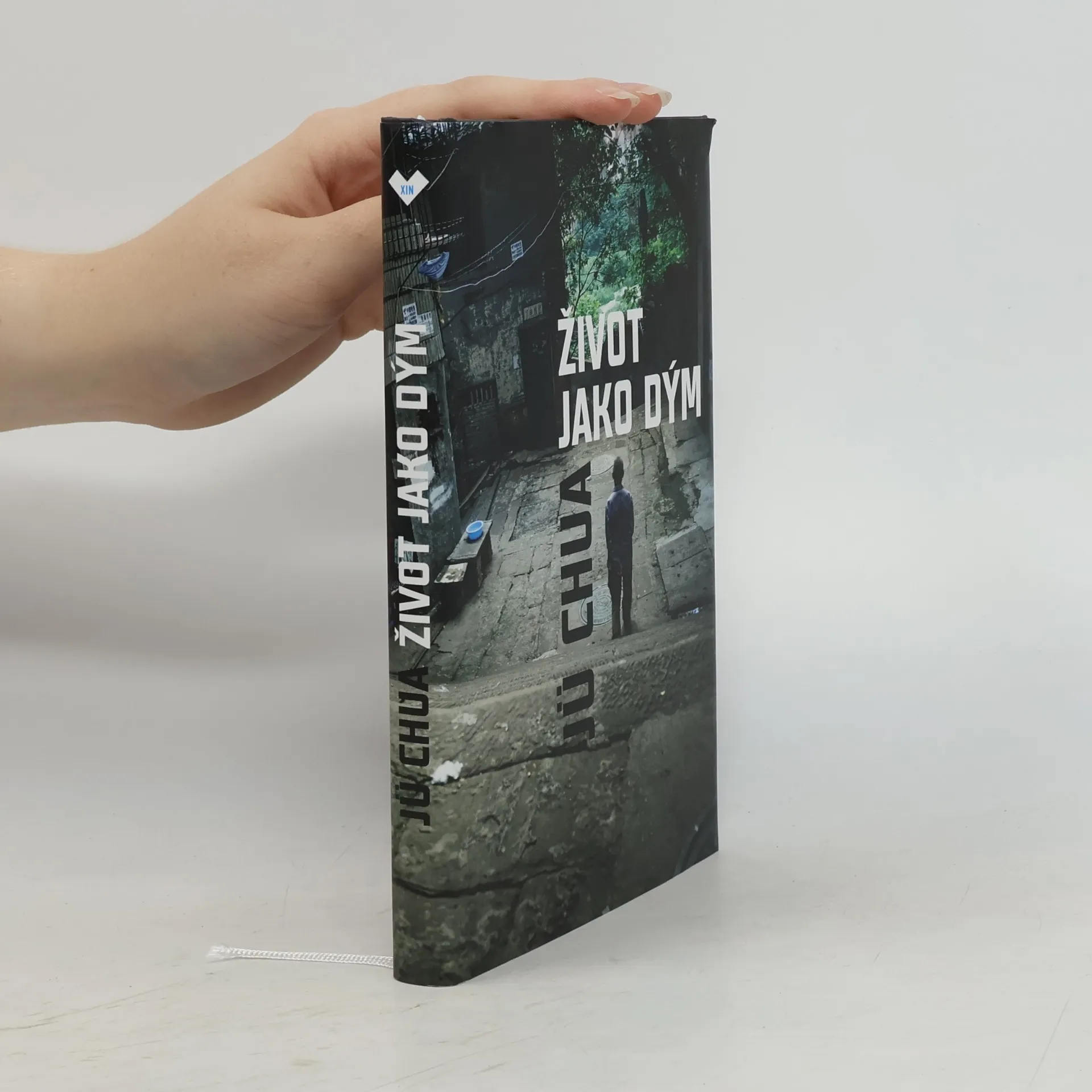
Někdy se člověk probudí a chvíli přemýšlí, jestli to, co právě zažil, byl sen, nebo skutečnost. Hrdinové devíti povídek čínského spisovatele jsou takové nejistotě vystaveni často. Celkem běžně překračují ze světa živých do světa mrtvých, to, co se jim stane ve snu, je stejně důležité jako to, co zažívají ve skutečnosti. Někdy to berou s humorem, jindy jim při tom běhá mráz po zádech. A tak máme příležitost dozvědět se, jaké nepříjemnosti člověk zažije, když si ho spletou s někým jiným, co se honí hlavou řidiči náklaďáku, když usmrtí dítě, jak hledí na svět vesnický blázen, nebo jak to vypadá ve vsi, kde vládne věštec posedlý touhou po dosažení dlouhověkosti.
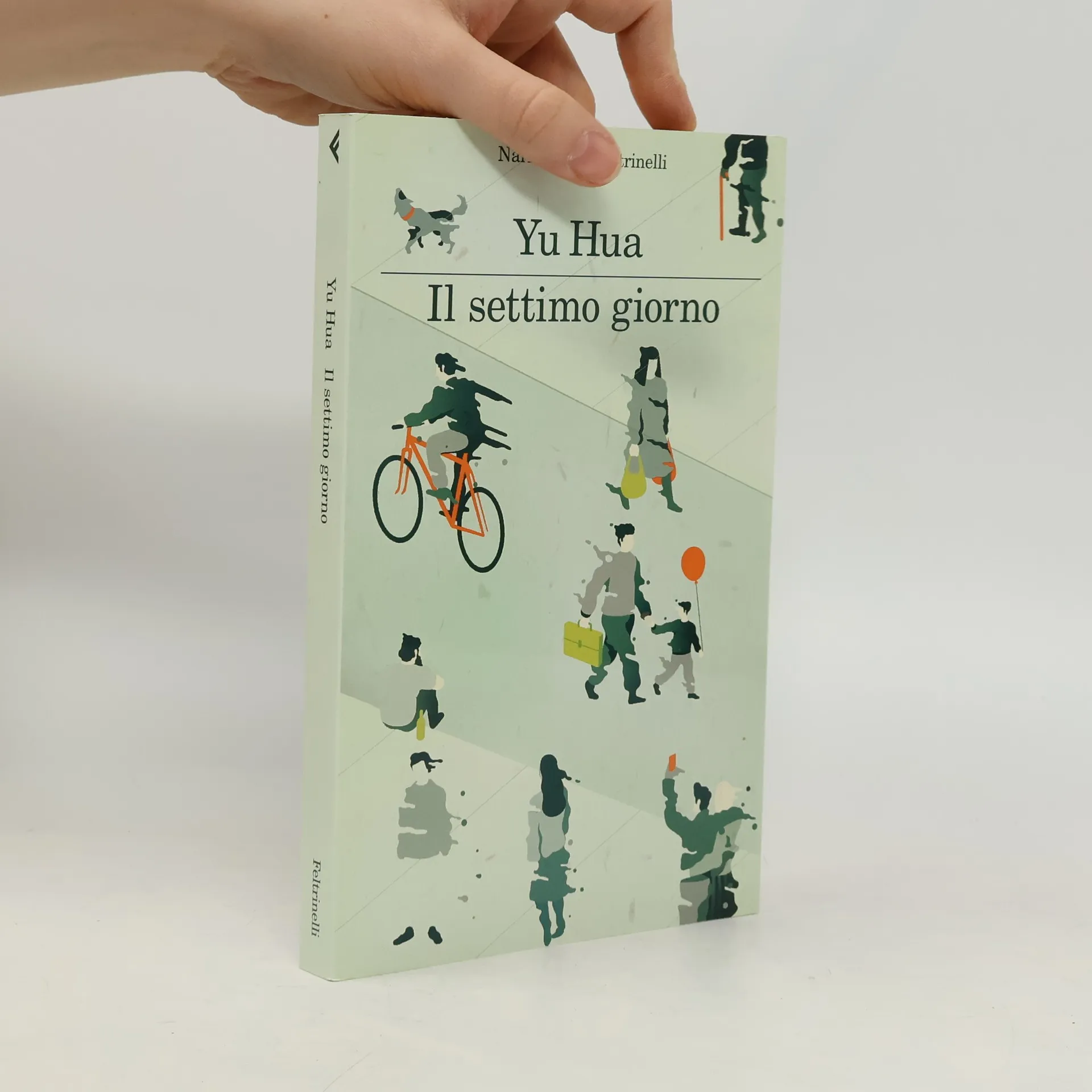
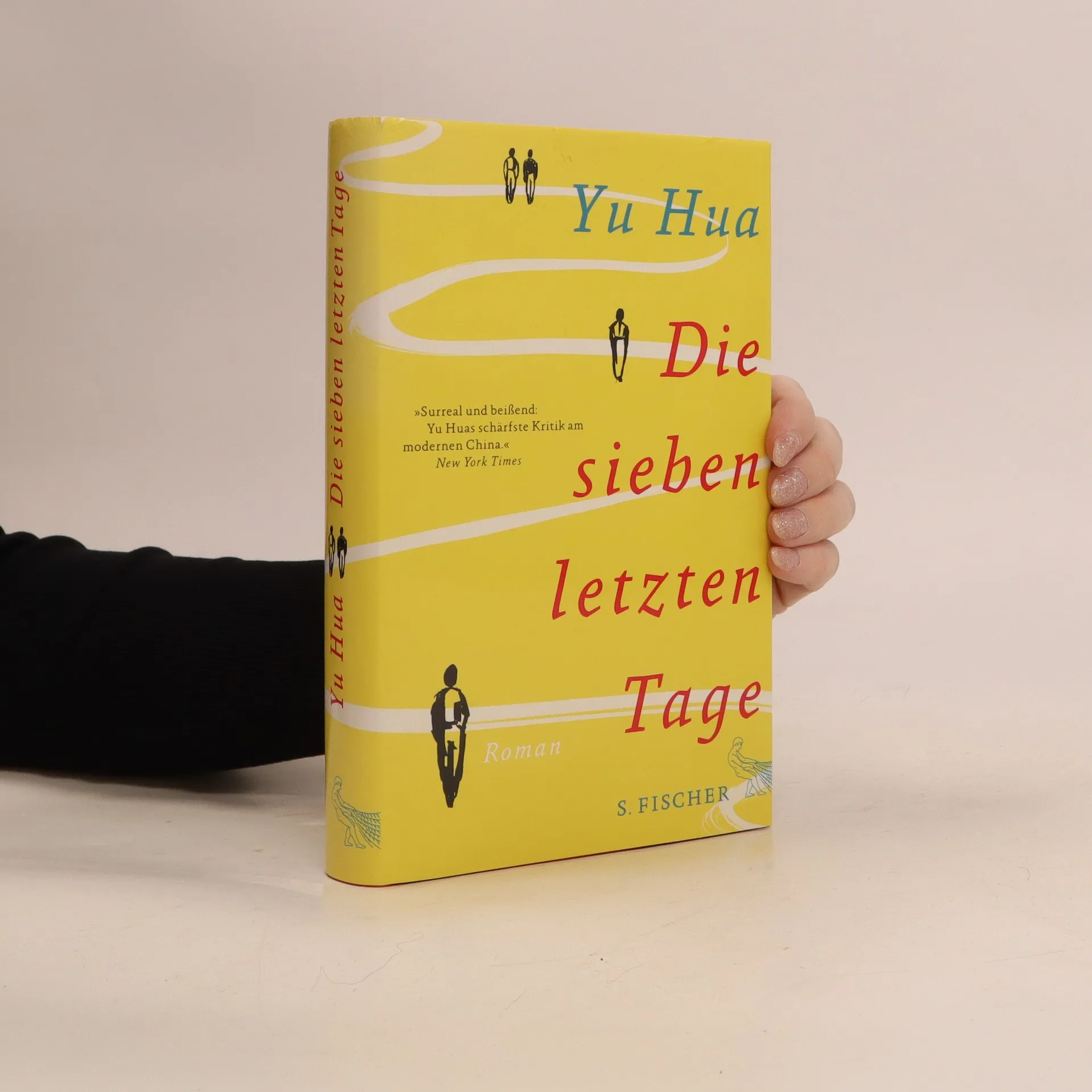
Il settimo giorno
- 188 stron
- 7 godzin czytania
Un’ironica meditazione sul destino e sul senso della fine, una critica feroce della Cina contemporanea, fra comunismo e ipercapitalismo. Yang Fei esce di casa una mattina e trova una fitta nebbia mista a una strana neve luminosa: è in ritardo per la sua cremazione. Inizia così il viaggio nell’Aldilà di un uomo vissuto, troppo brevemente, nella Cina del capitalismo socialista e delle sue aberranti contraddizioni. In un’avventura di sette giorni, il protagonista incontrerà persone care smarrite da tempo, imparando nuove cose su di loro e su se stesso. Conoscenti e sconosciuti gli racconteranno poi la propria storia nell’inferno vero, l’Aldiquà: demolizioni forzate, corruzione, tangenti, feti gettati nel fiume come rifiuti, miriadi di poveracci che pullulano in bunker sotterranei come formiche, traffico di organi, consumismo sfrenato… La morte livella le diseguaglianze, svelando l’essenziale, e i cittadini di questa necropoli soave uscita dalla penna di Yu Hua ci insegnano tutta la semplicità dell’amore.
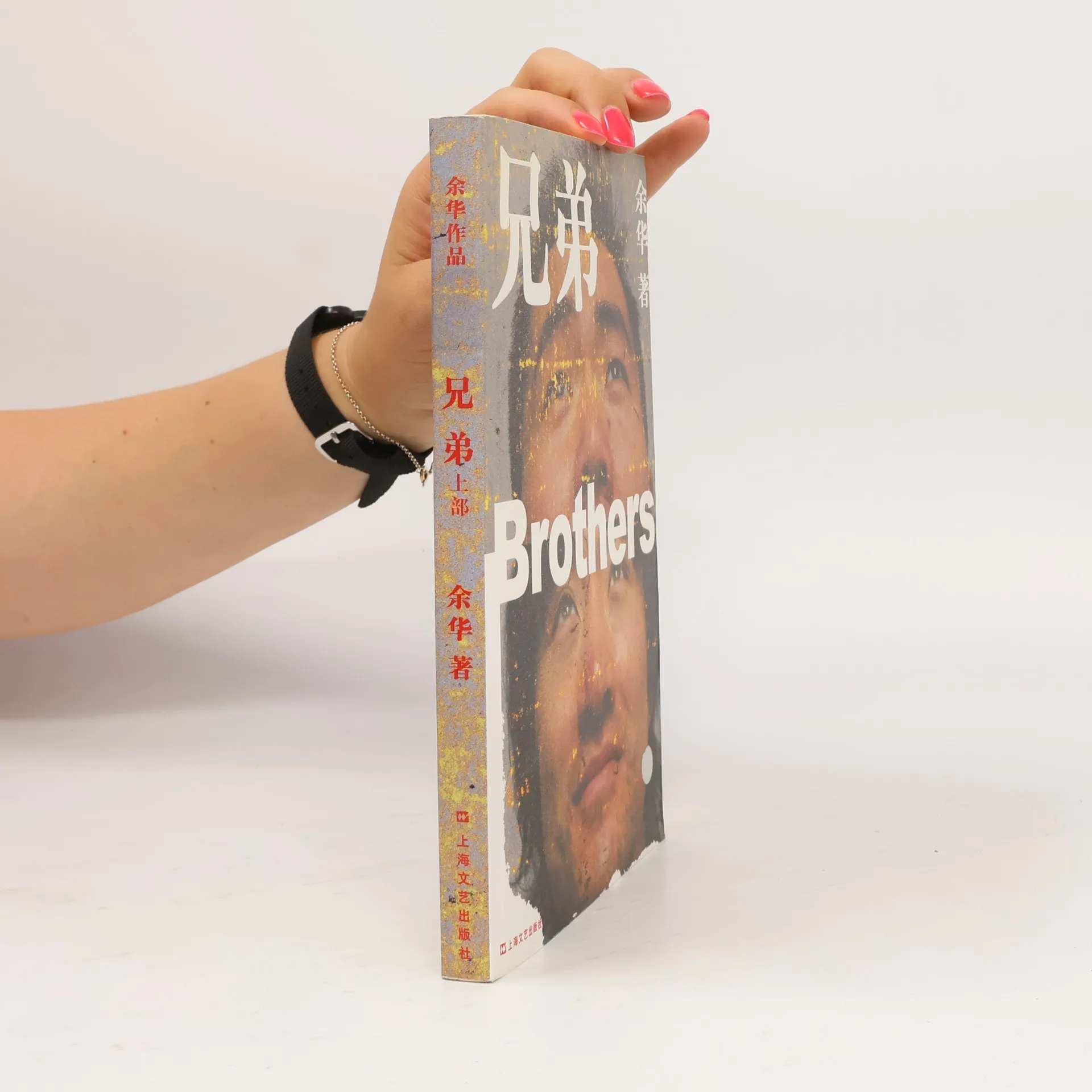
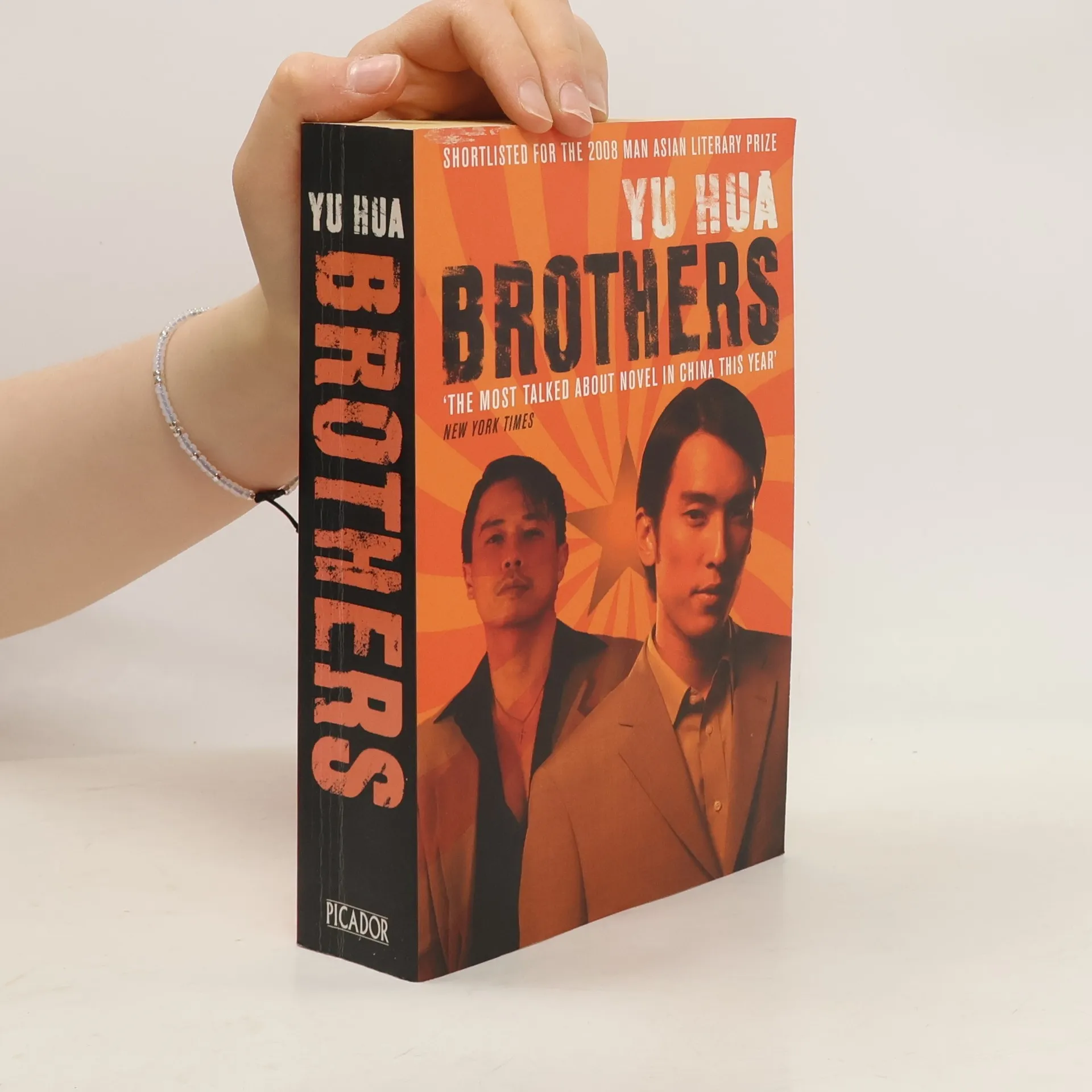
兄弟
- 256 stron
- 9 godzin czytania
Book by Yu, Hua
古典爱情 (Klasická láska)
- 109 stron
- 4 godziny czytania
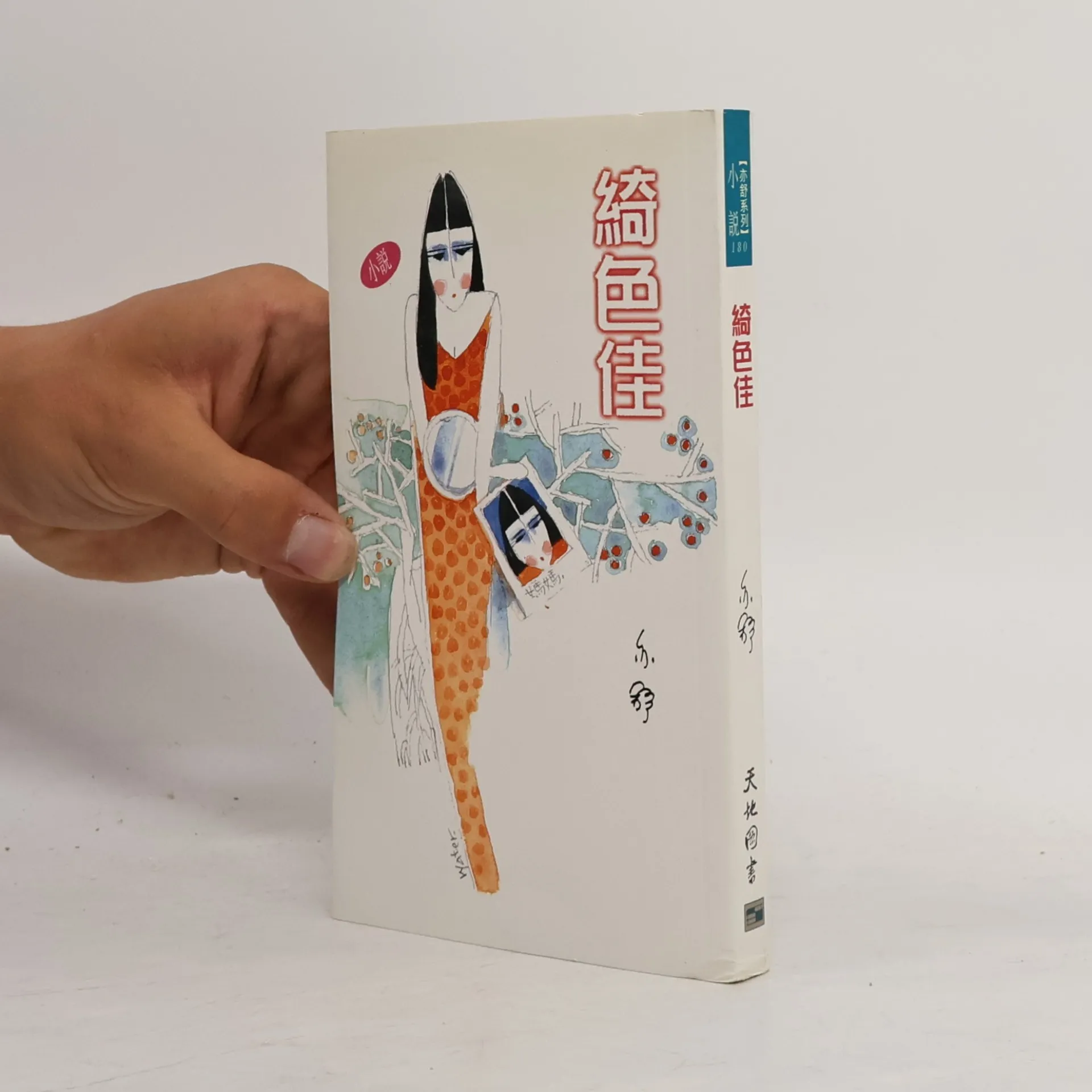
一位清纯善良的白领丽人深爱着她的偶像,面对生活中的悲欢离合毫无怨言,直到发现偶像并未离婚。通过十九封情书,展现了各种爱的主题:迷离、哀愁、嫉妒、绝望与释然。作者以清丽的笔触和优美的文字,细腻地描绘了对完美爱情的思考,展现了其独特的才华。书中前言讲述了心理医生齐大夫与美丽病人亚咪的婚后生活,亚咪突然成名后又失踪,引发了一系列情感纠葛。故事通过丰富的心理描写和细腻的情感刻画,编织出一个现代爱情故事,反映了青春的多愁善感和对生活的追求。书中还探讨了家庭聚会的无聊与食物的乏味,表现了现代人对传统的反思与抵触。通过两位女主角的成长与友谊,展现了生活的酸甜苦辣,以及在复杂的人际关系中,如何面对情感的挑战与选择。整部作品以独特的视角和细腻的情感,描绘了人们在爱情与生活中的困惑与追寻。
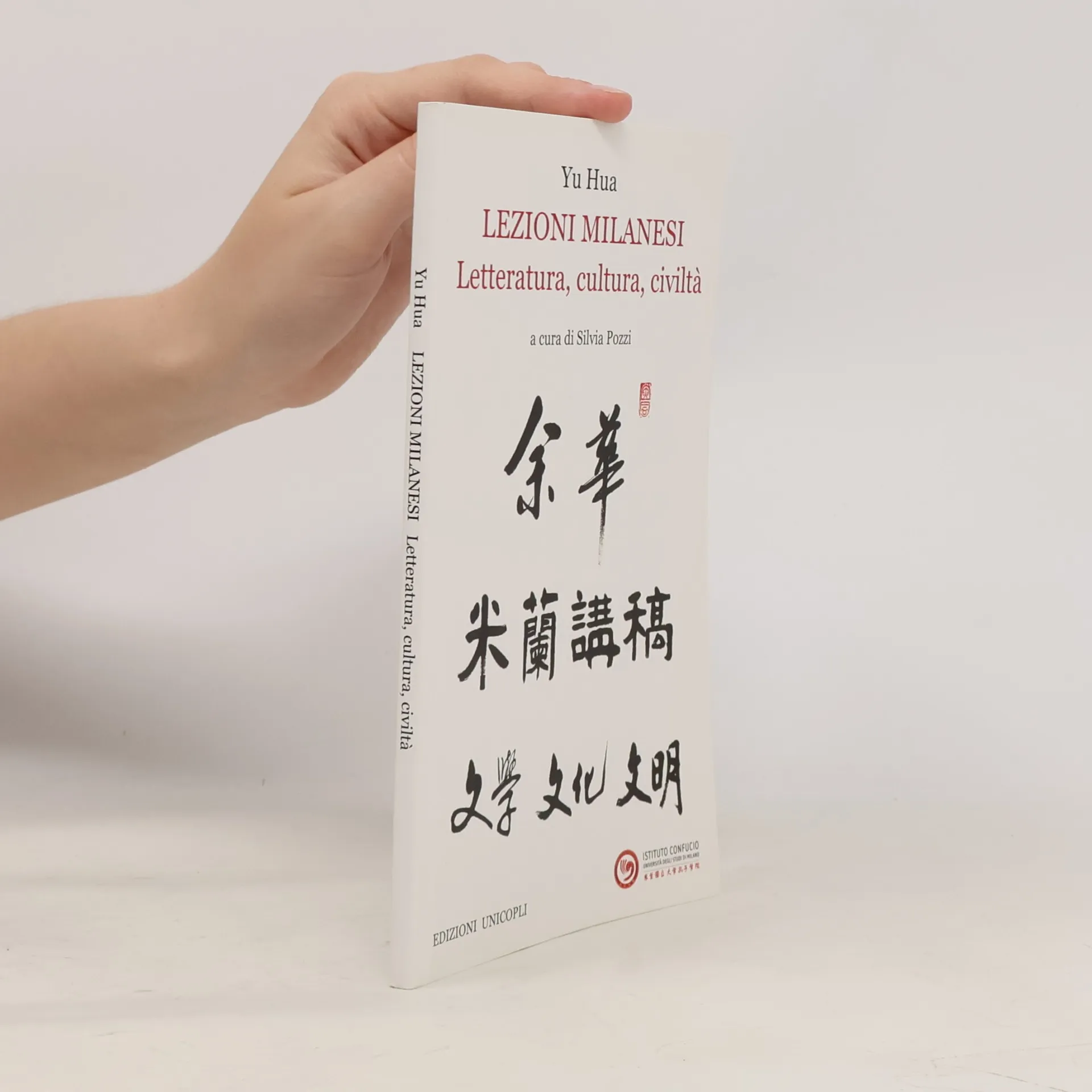
Lezioni milanesi. Letteratura, cultura, civiltà
- 123 strony
- 5 godzin czytania
L'idea di un volume dedicato alle "lezioni milanesi" di Yu Hua nasce dal tour letterario che tra l'ottobre e il novembre 2018 ha portato l'autore cinese in numerose città italiane. Partendo da Milano, Yu Hua ha incontrato studenti e lettori a Torino, Enna, Napoli, Roma, Macerata, Siena, Bologna e Venezia, per tornare poi nella città meneghina con tre lezioni aperte, tenute al Polo di Mediazione Interculturale e Comunicazione dell'Università degli Studi di Milano, in cui ha parlato di letteratura (wenxue), cultura (wenhua) e civiltà (wenming). In cinese queste tre parole sono formate a partire dal carattere wen, "segno scritto", un concetto fondamentale nel passato così come nel presente del Paese. Il volume raccoglie i testi dei tre incontri che Yu Hua ha tenuto a Milano e nei quali ha tracciato, nella forma di un vivace dialogo con studiosi e pubblico in sala, gli orizzonti della letteratura cinese e della propria scrittura, il panorama della cultura della Cina contemporanea e l'essenza della sua civiltà millenaria. Lo stile semplice e la narrazione ironica e lucida di Yu Hua rivivono nelle traduzioni in italiano delle tre lezioni e nei testi originali in lingua cinese che le accompagnano.