
Bookbot

Yuval Noah Harari

    24 lutego 1976
    Yuval Noah Harari
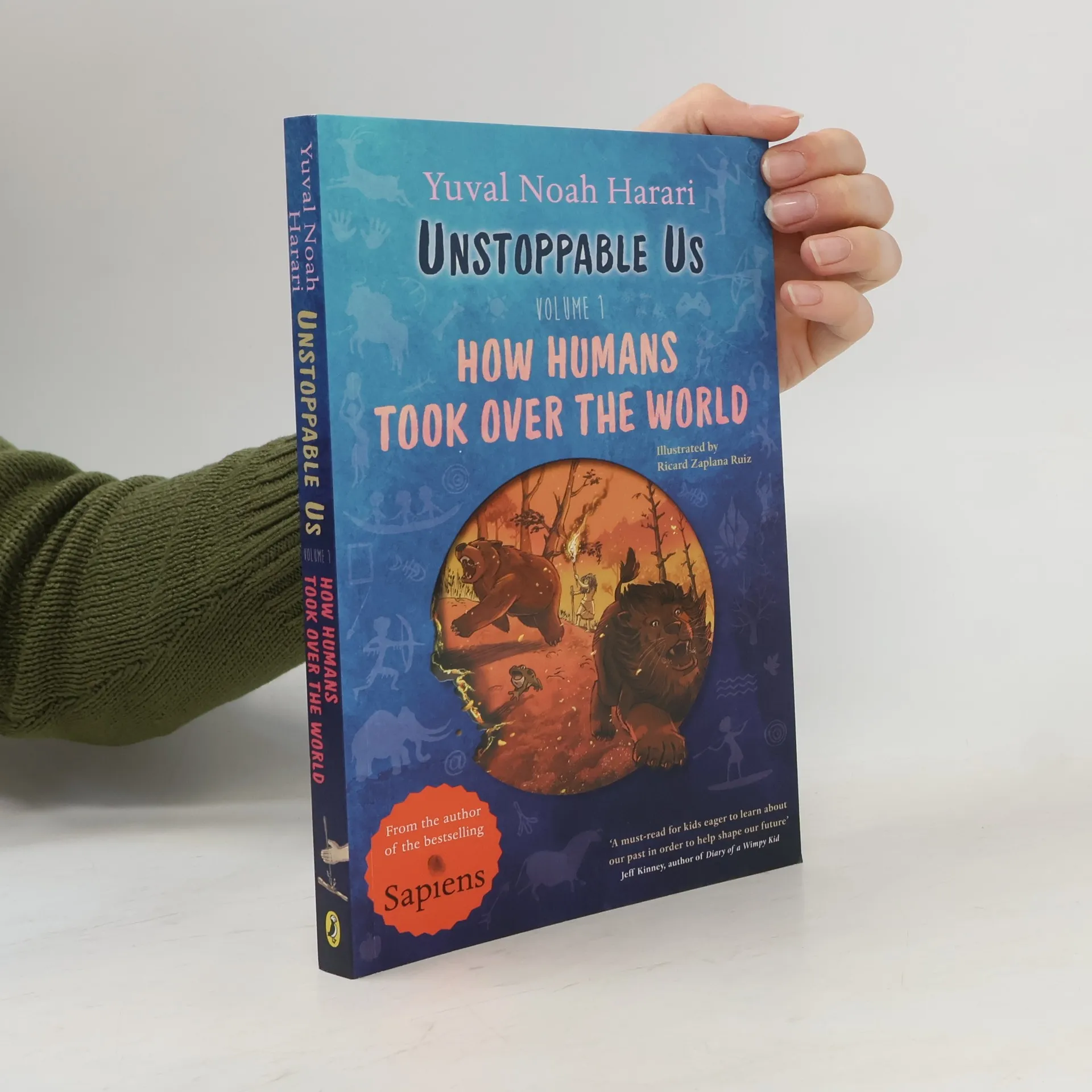
    Unstoppable Us, Volume 1
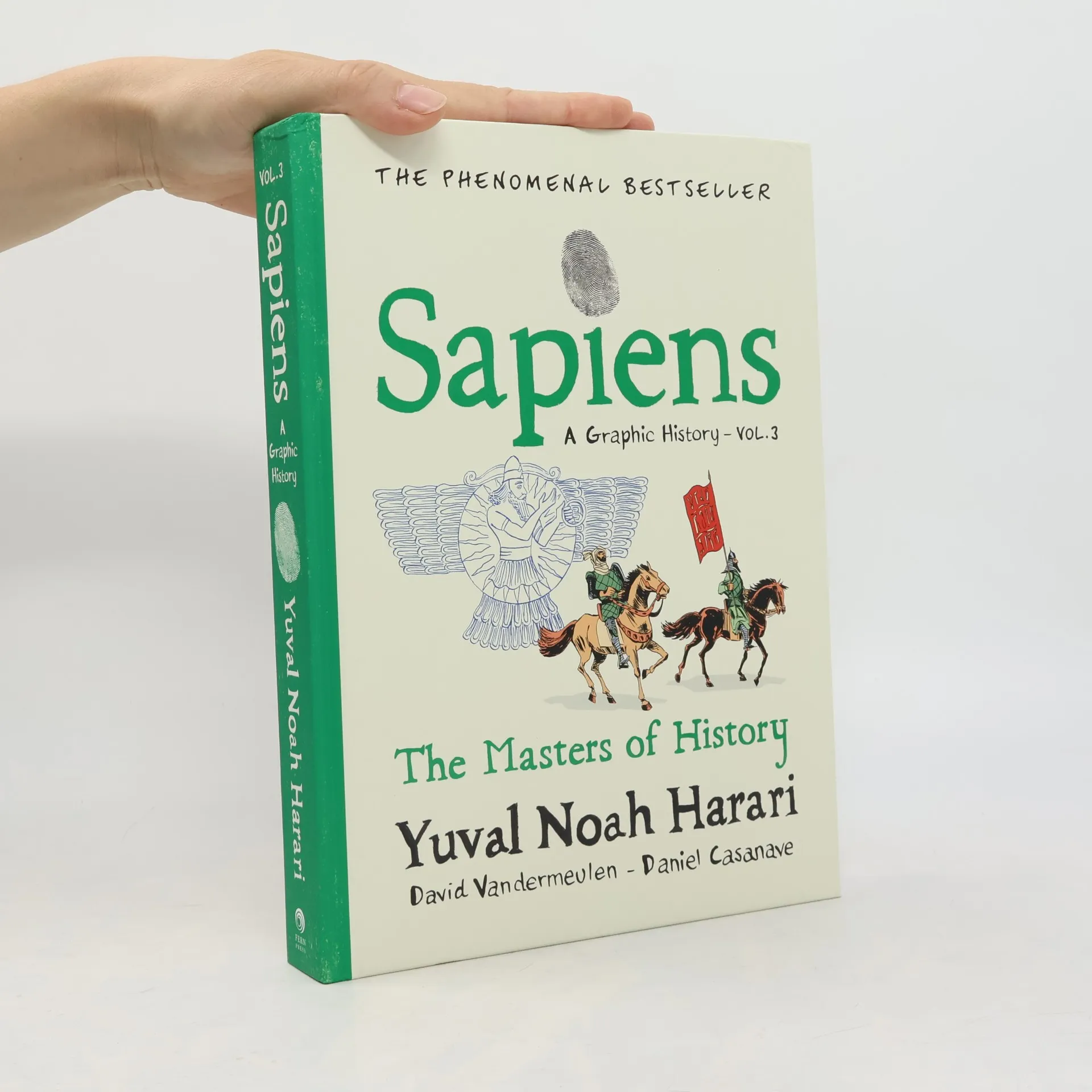
    Sapiens: A Graphic History 3
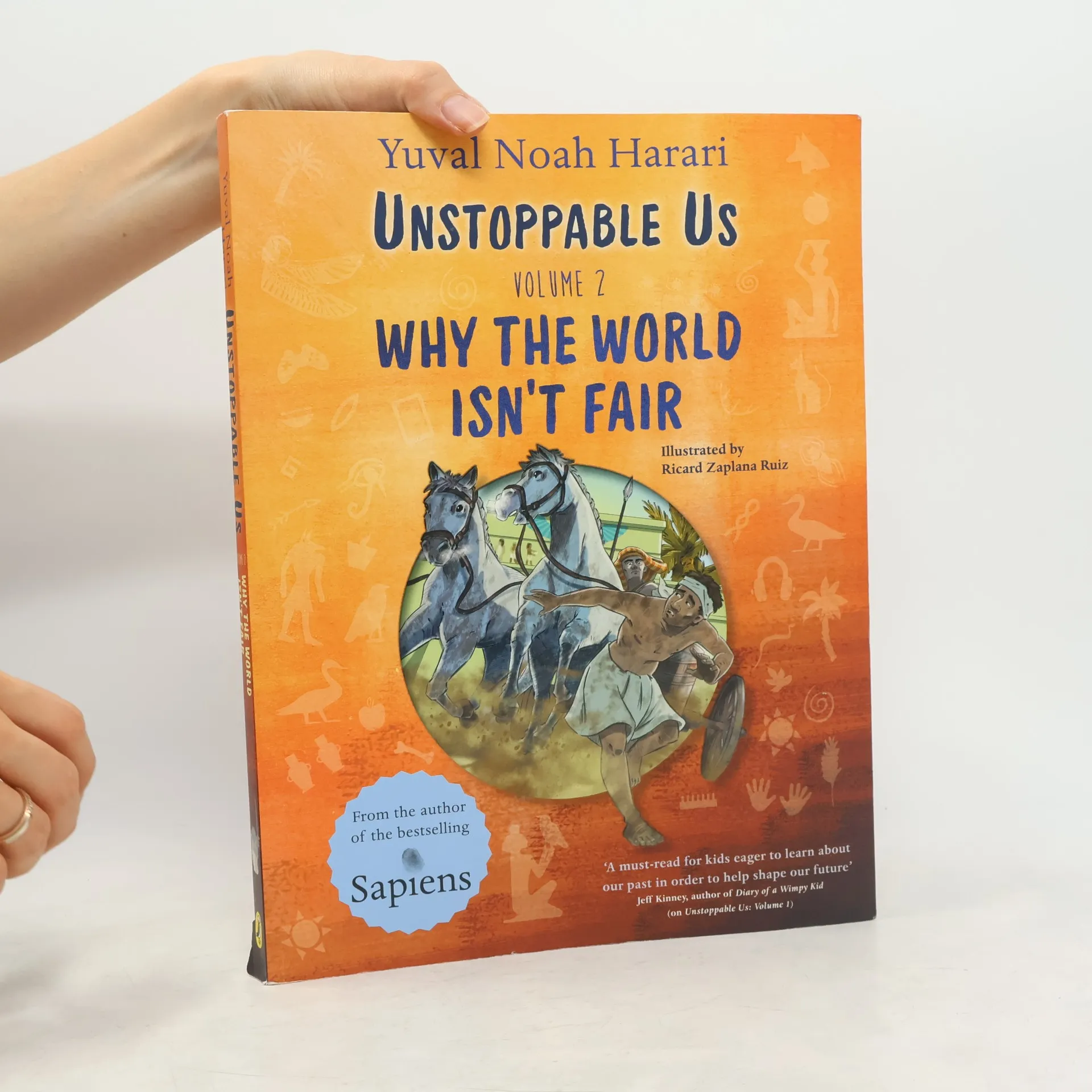
    Unstoppable Us 2: Why the World Isn’t Fair
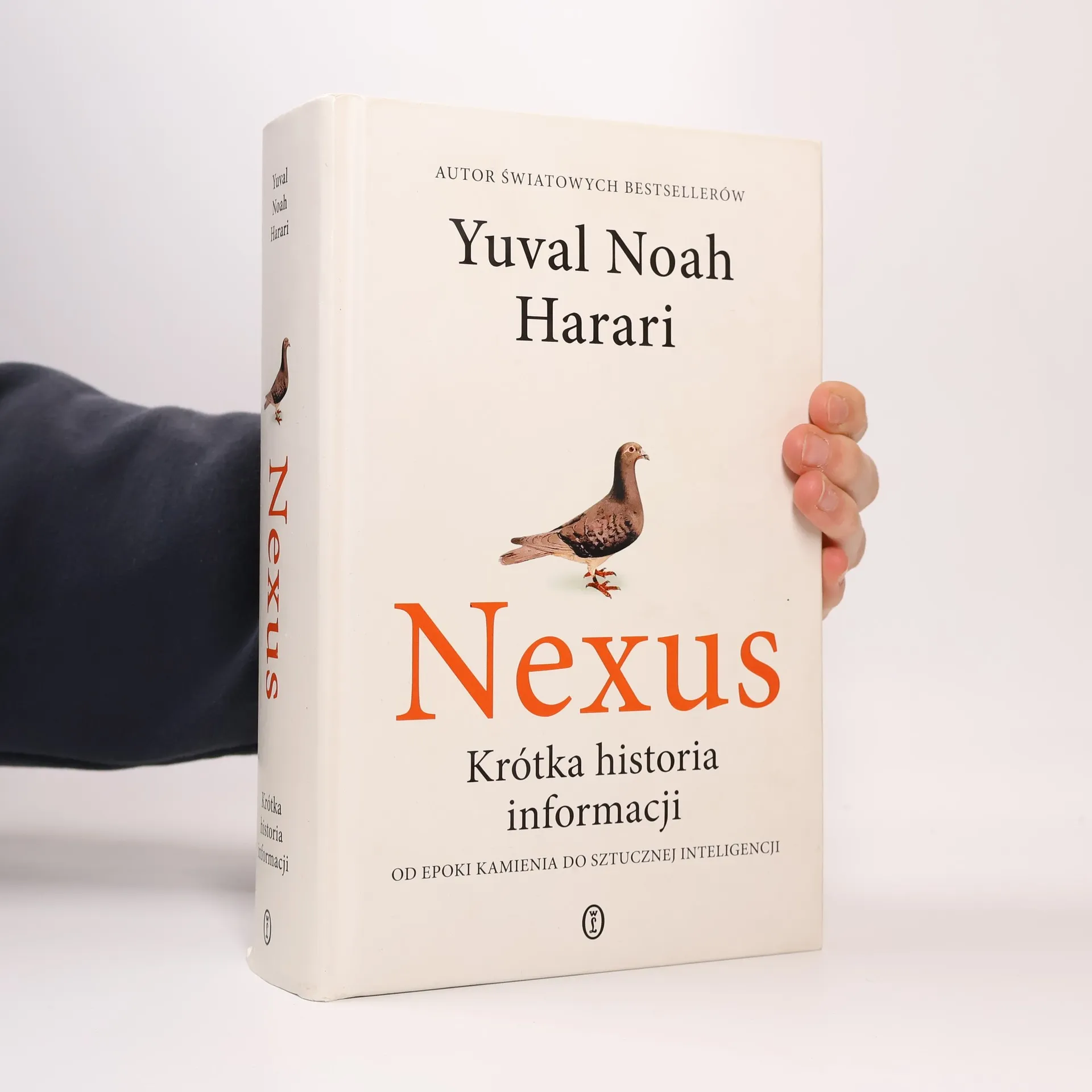
    Nexus. Krótka historia informacji. Od epoki kamienia do sztucznej inteligencji
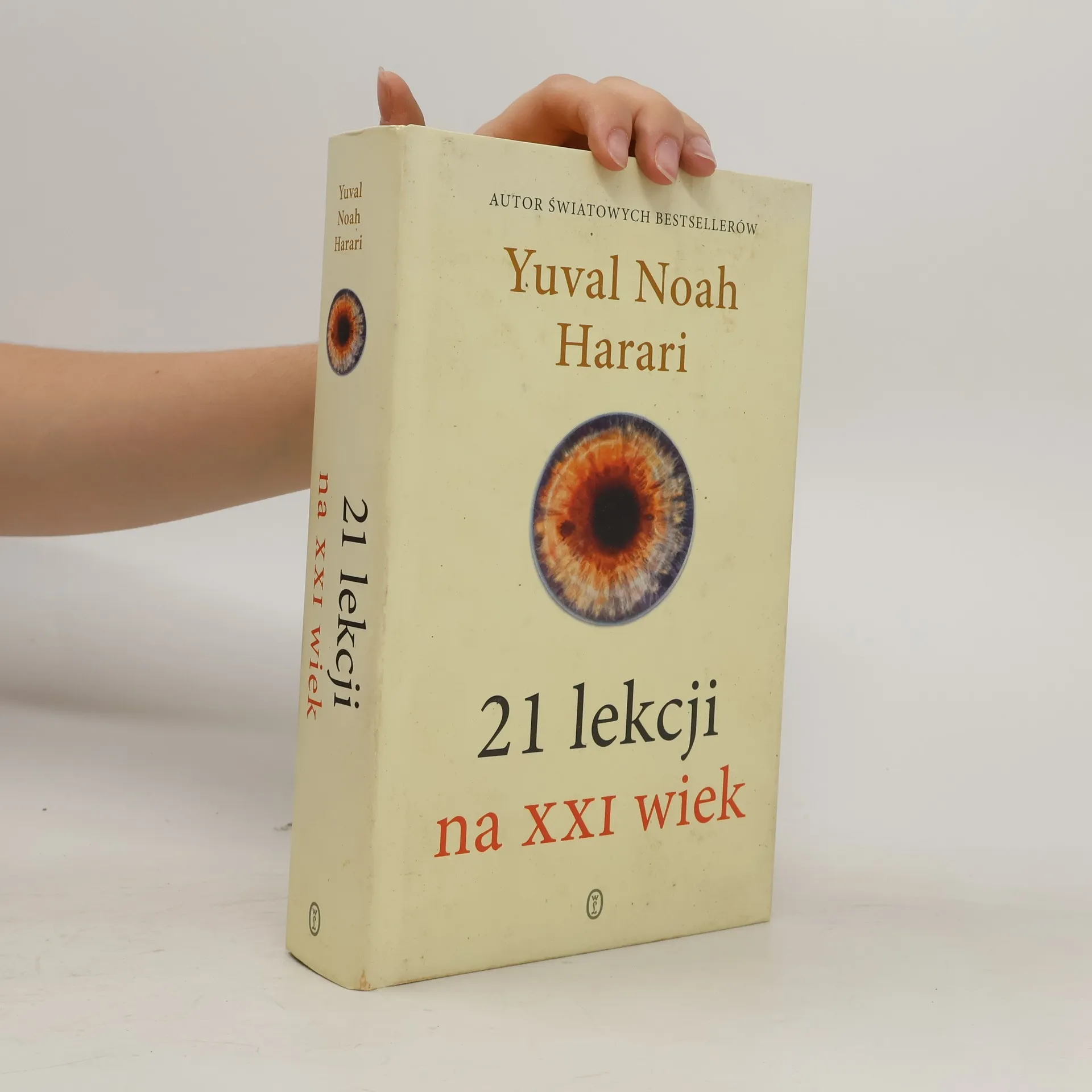
    21 lekcji na XXI wiek
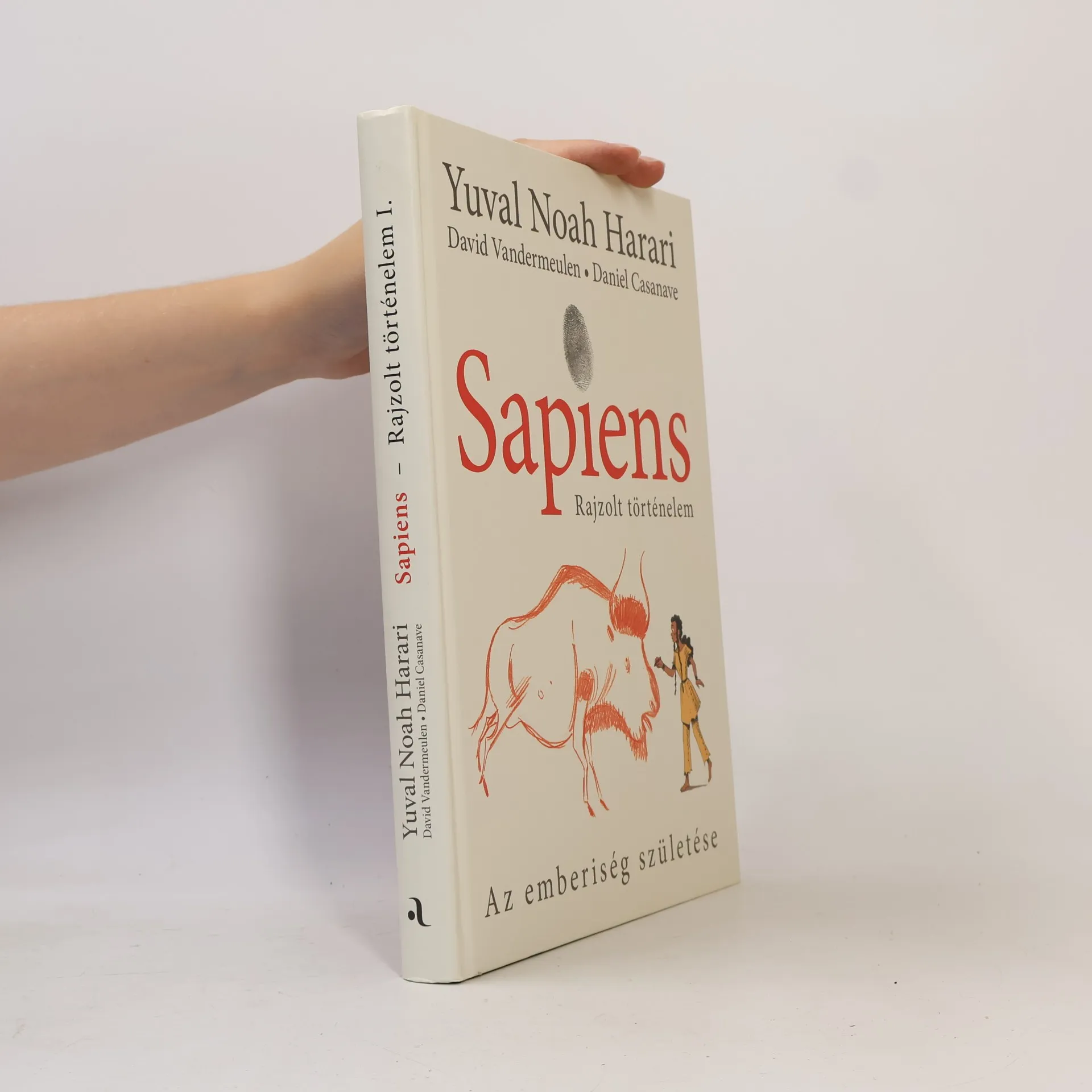
    Sapiens T.1 Opowieść graficzna. Narodziny...
    • Harari w swojej najsłynniejszej pracy przedstawia historię ludzkiego gatunku w nowej graficznej odsłonie. Jak to możliwe, że mało znaczące zwierzę stało się władcą Ziemi, zdolnym do rozszczepiania atomów i manipulacji genami? Ta błyskotliwa opowieść, pełna humoru i odniesień do literatury oraz kultury popularnej, bazuje na bestsellerze, który sprzedał się w 16 milionach egzemplarzy. Autor zaprasza nas do prehistorii, gdzie towarzyszą mu fikcyjne postacie, a graficzny format oferuje nową formę eksploracji przeszłości. Ewolucja gatunku staje się reality show, a spotkanie homo sapiens z neandertalczykiem ukazuje współczesne arcydzieła sztuki. Wyginięcie mamutów przyjmuje konwencję filmu kryminalnego. To epickie, pięknie ilustrowane dzieło, stworzone we współpracy z belgijskim ilustratorem i francuskim twórcą komiksowym, przyciągnie uwagę nawet tych, którzy nie interesują się nauką czy historią. Pierwszy tom serii to wciągająca intelektualna rozrywka dla wszystkich pokoleń. Harari opowiada o kluczowych elementach budujących naszą cywilizację, ukazując, jak krótko jesteśmy na tej planecie. To niezwykle interesująca i prowokująca lektura, którą polecają znane osobistości.

      Sapiens T.1 Opowieść graficzna. Narodziny...
      4,4
    • Jakie wyzwania stawia przed ludzkością teraźniejszość? Nowa książka autora światowych bestsellerów Sapiens i Homo deus. Krótka historia jutra. Yuval Noah Harari, słynny izraelski historyk i wizjoner, w swej najnowszej książce skupia się nie na przeszłości ani na możliwej przyszłości gatunku ludzkiego, lecz na problemach, w obliczu których stoimy obecnie. 21 lekcji na XXI wiek to zaproszenie czytelnika do wzięcia udziału w debacie na temat naszych czasów. Harari z właściwą sobie lekkością, w krótkich rozdziałach, omawia i analizuje zjawiska, które dziś definiują cywilizację homo sapiens i wpływają na jej losy. Donald Trump, Brexit, fake newsy, biotechnologia, sztuczna inteligencja, rozszerzona rzeczywistość, dewastacja środowiska naturalnego, kryzys uchodźczy, terroryzm, schyłek liberalizmu. Co te zjawiska naszej codzienności mówią o człowieku i współczesnym świecie? Harari, jak zwykle, stawia prowokacyjne pytania, ale i udziela błyskotliwych odpowiedzi, dzięki którym nasz coraz bardziej rozpędzony XXI wiek wydaje się choć trochę pojmowalny przez ludzki rozum.

      21 lekcji na XXI wiek
      4,2
    • Historia tego, jak sieci informacji ukształtowały nasz świat przez ostatnie 100 000 lat. Mimo ogromnej mocy, jaką zdobyliśmy dzięki odkryciom, wynalazkom i podbojom, obecnie stoimy w obliczu kryzysu egzystencjalnego. Świat znajduje się na krawędzi ekologicznego upadku, a dezinformacja jest powszechna. Wkraczamy w erę sztucznej inteligencji – nowej sieci informacyjnej, która zagraża naszej egzystencji. NEXUS bada, jak przepływ informacji nas kształtował. Przechodząc od epoki kamienia przez Biblię, wczesnonowożytne polowania na czarownice, stalinizm, nazizm aż po współczesny populizm, Yuval Noah Harari skłania nas do refleksji nad złożoną relacją między informacją a prawdą, biurokracją a mitologią, mądrością a władzą. Analizuje, jak różne społeczeństwa i systemy polityczne wykorzystywały informacje do osiągania swoich celów, zarówno w dobrym, jak i złym celu. Porusza również pilne wybory, przed którymi stoimy, gdy inteligencja nie-ludzka zagraża naszej egzystencji. NEXUS bada nadzieję na odnalezienie wspólnej ludzkiej tożsamości.

      Nexus. Krótka historia informacji. Od epoki kamienia do sztucznej inteligencji
      4,0
    • Something really strange happened 10,000 years ago, and it changed everything. Why did millions of people agree to obey a few leaders? Where did kings and kingdoms come from? The answer to that is one of the strangest tales you'll ever hear. And it's a true story. Have you ever wondered how we got here? From gathering berries and hunting mammoths, to shopping at supermarkets and letting people tell us what to do? You might hear a lot of people say 'the world isn't fair'. But why isn't it? And how did it become so? In Unstoppable Us- Volume 1, we learned how humans told stories to become rulers of the world - for good and bad. Now, in this next chapter of the incredible true tale of the Unstoppables, find out how humans learned to control animals like dogs, chicken and cows . . . And how a handful of humans learned to control everyone else. With full-colour illustrations showing the relentless rise and rise of the human race, this is history like you've never experienced it before.

      Unstoppable Us 2: Why the World Isn’t Fair
      4,4
    • Sapiens: A Graphic History 3

      The Masters of History

      • 288 stron
      • 11 godzin czytania

      Exploring the dynamics of history, this graphic installment delves into the forces that shape civilizations, including money, religion, and empire. With a humorous guide, Heroda Tush, readers encounter a colorful cast of characters, each representing different historical influences, from luck to conquest. This engaging narrative invites reflection on humanity's turbulent journey and the recurring conflicts that challenge our unity. Ideal for readers of all ages, it can be enjoyed independently or as part of the ongoing series.

      Sapiens: A Graphic History 3
      4,3
    • Unstoppable Us, Volume 1

      • 208 stron
      • 8 godzin czytania

      *From the author of the multi-million bestselling Sapiens comes an incredible new story of the human race, for younger readers.* We humans aren't strong like lions, we don't swim as well as dolphins, and we definitely don't have wings! So how did we end up ruling the world? The answer to that is one of the strangest tales you'll ever hear. And it's a true story . . . Have you ever wondered how we got here? From hunting mammoths, to flying to the moon? It is because we are unstoppable. But what made us so? Well, we have the most amazing superpower: the ability to tell stories. Fairy tales have led us from imagining ghosts and spirits to being able to create money (yes, really!). And this has made us very powerful . . . but very deadly. Nothing stands in our way, and we always want more. So get ready for the most amazing story there ever was - the incredible true tale of the Unstoppables. Find out how fire shrank our stomachs, how our ancestors spoke to animals, what football can tell us about being human, how we used our superpower for good and bad . . . and how YOU have the superpower to change the world. With full-colour illustrations showing the relentless rise and rise of the human race, this is history like you've never experienced it before.

      Unstoppable Us, Volume 1
      4,3
    • Animal Liberation Now

      • 368 stron
      • 13 godzin czytania

      Animal Liberation started a worldwide movement when it revealed the abuse of animals in factory farms and laboratories. It demonstrated that these and other practices were the cause of appalling and unnecessary suffering and therefore morally indefensible. In the fifty years since, science has further vindicated Peter Singer's arguments about animal sentience, vegetarianism has become widespread, and the book has helped change the minds of millions. But the situation for animals has in many ways grown worse. Despite improvements in animal welfare in some regions - brought about in large part by this book - in many others the scale of their abuse has reached staggering new depths. This revised edition, of which about two-thirds is entirely new, documents these and other developments, such as the impact of meat consumption on climate and the spread of dangerous new viruses. It refines its arguments in light of new evidence, equips the reader with fresh tools and advice, and shows us all the road ahead. The result, Animal Liberation Now, is a book of galvanising power, relevance and importance.

      Animal Liberation Now
      4,3
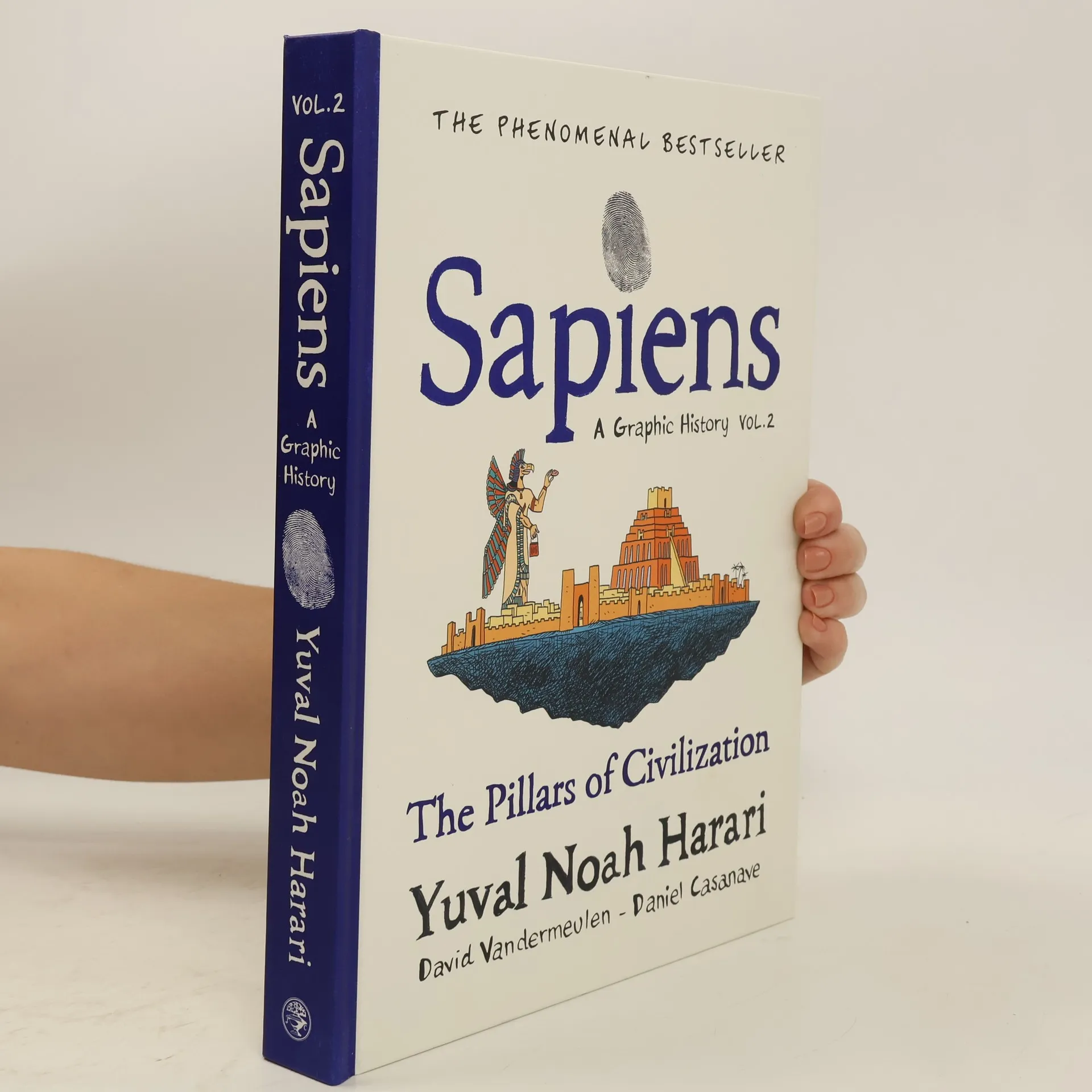
    • Sapiens: A Graphic History 2

      The Pillars of Civilization

      • 256 stron
      • 9 godzin czytania

      In the second "Sapiens" volume, Yuval Noah Harari tells the story of how we took over the world; how an unlikely marriage between a god and a bureaucrat created the first empires; and how war, famine, disease, and inequality became a part of the human condition. The origins of modern farming are introduced through Elizabethan tragedy, the changing fortunes of domesticated plants and animals are tracked in the columns of the Daily Business News, and the story of urbanization is told as a travel brochure offering discount journeys to ancient Babylon and China.

      Sapiens: A Graphic History 2
      4,3
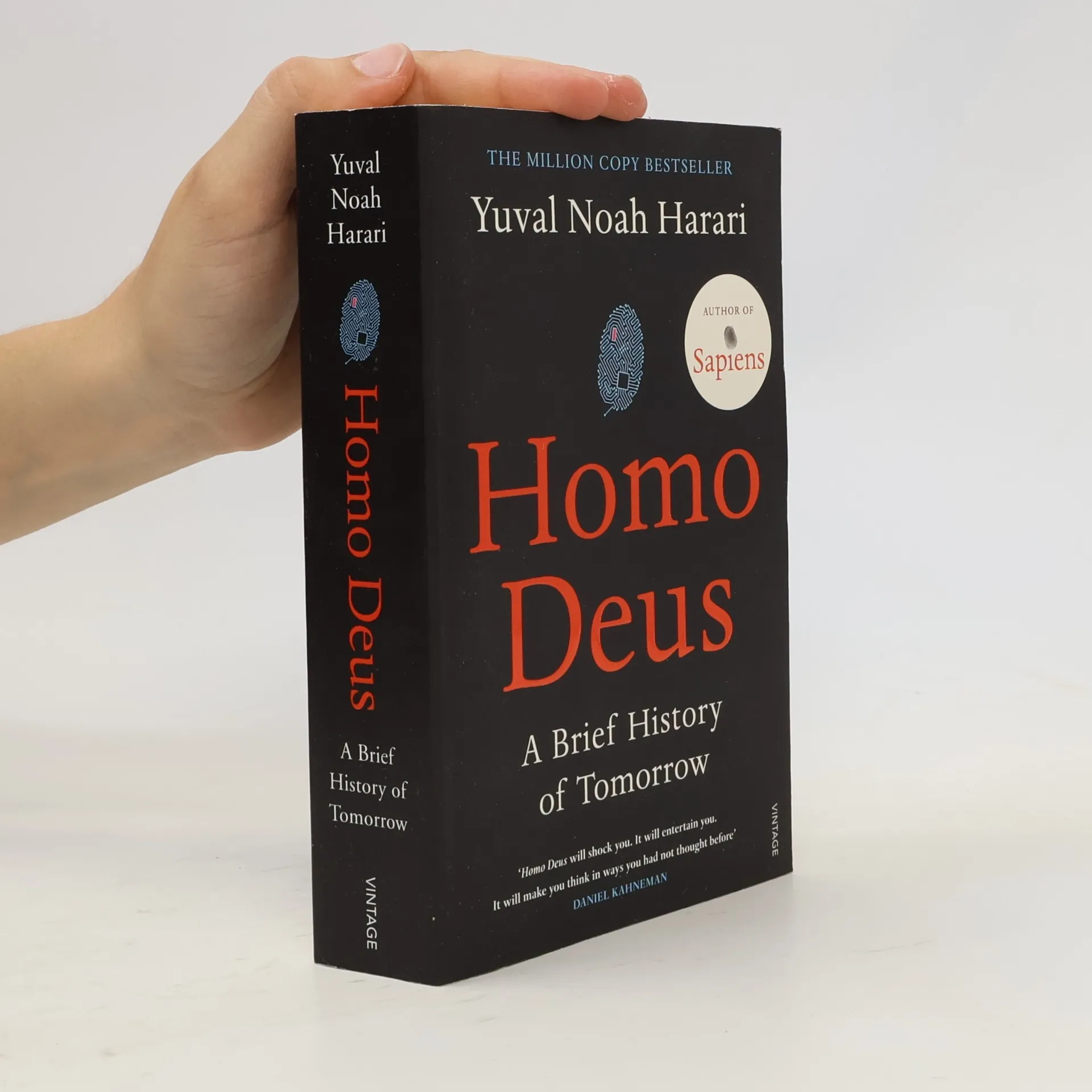
    • Homo Deus. A Brief History of Tomorrow

      • 528 stron
      • 19 godzin czytania

      THE MILLION COPY BESTSELLERSapiensshows us where we came from. Homo Deusshows us where we?re going.Yuval Noah Hararienvisions a near future in which we face a new set of challenges. Homo Deusexplores the projects, dreams and nightmares that will shape the twenty-first century and beyond - from overcoming death to creating artificial life.It asks the fundamental questions- how can we protect this fragile world from our own destructive power? And what does our future hold?'Homo Deuswill shock you. It will entertain you. It will make you think in ways you had not thought before? Daniel Kahneman

      Homo Deus. A Brief History of Tomorrow
      4,2
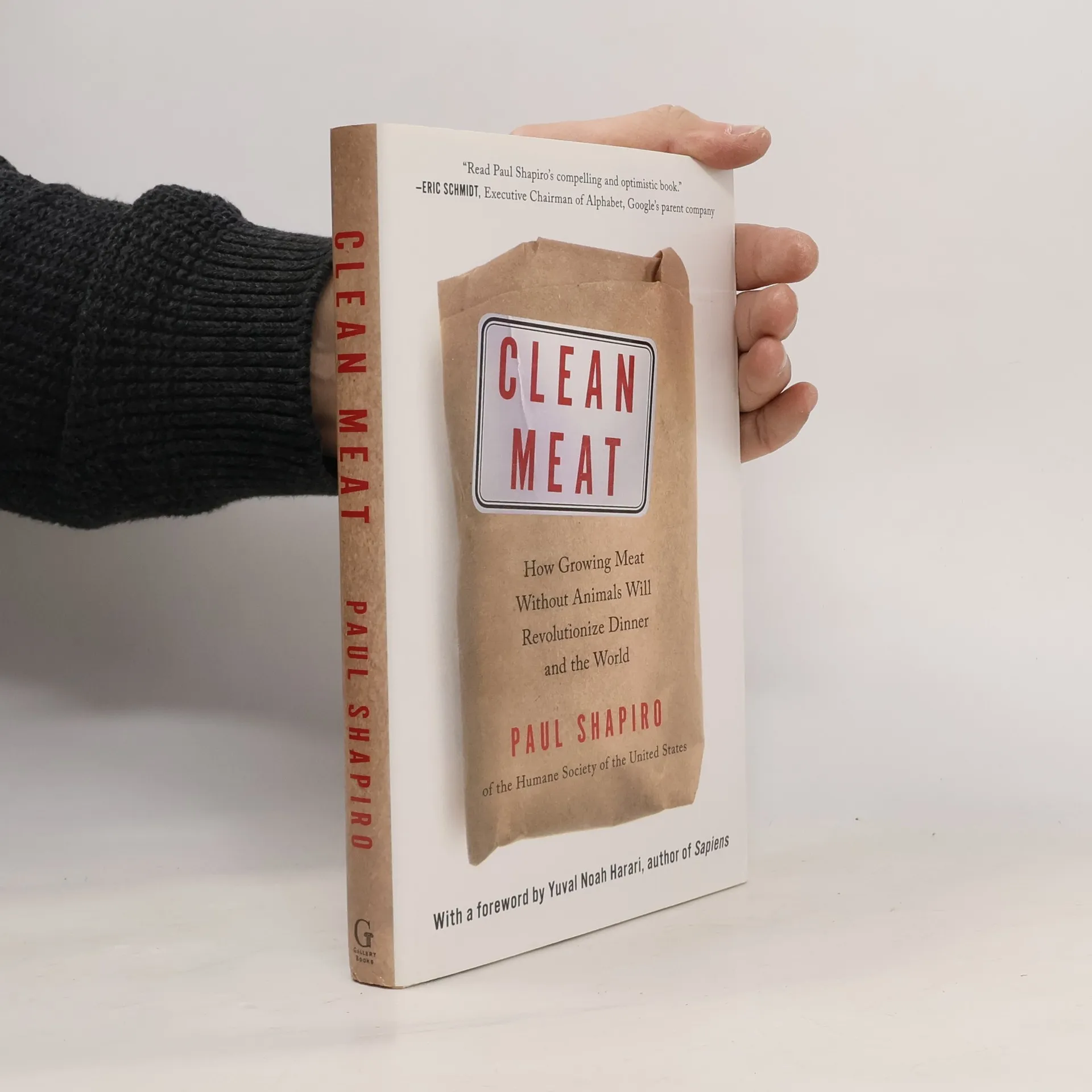
    • Clean Meat

      How Growing Meat Without Animals Will Revolutionize Dinner and the World

      • 256 stron
      • 9 godzin czytania

      A Gallery Book. Gallery Books has a great book for every reader.

      Clean Meat
      4,0
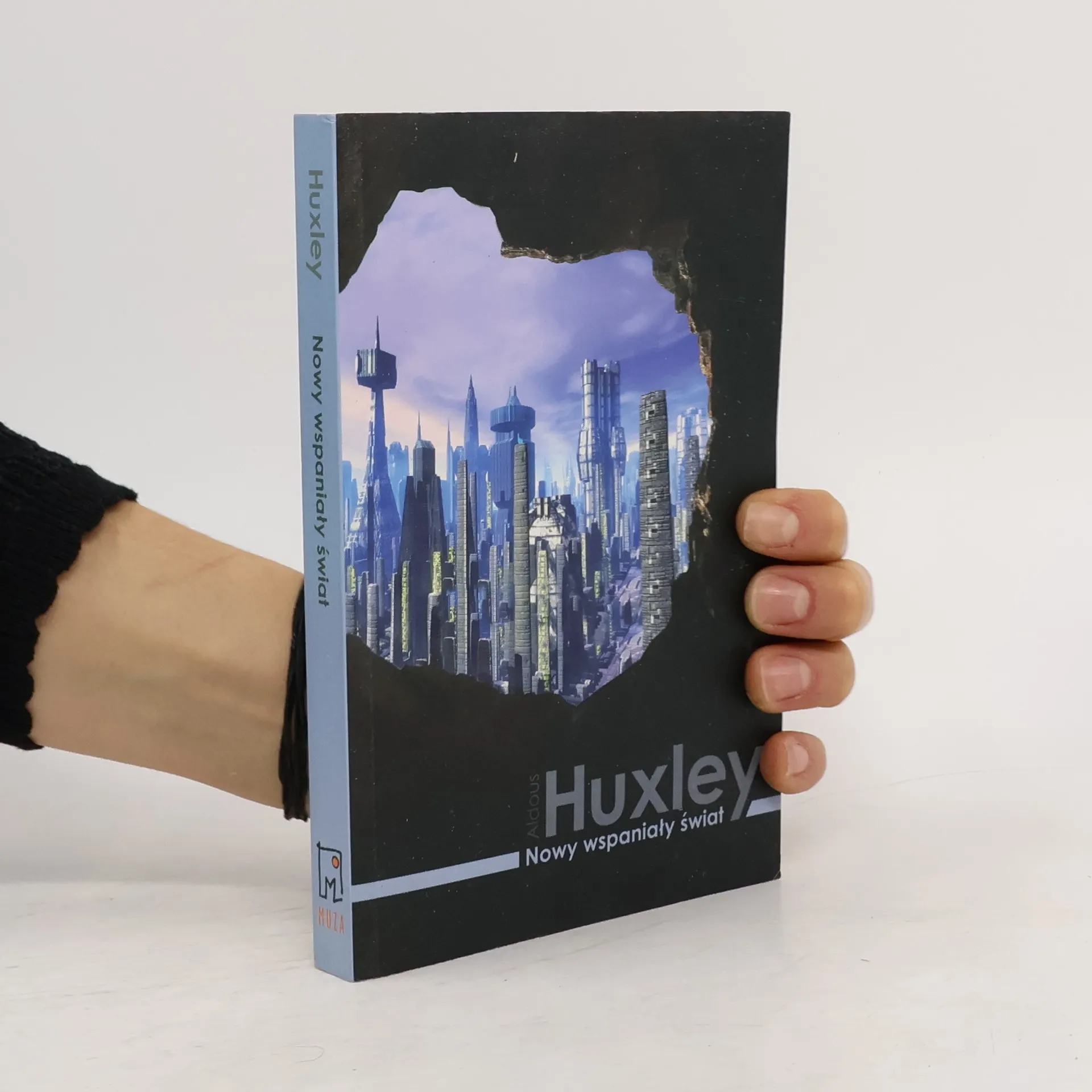
    • Nowy wspaniały świat

      • 254 strony
      • 9 godzin czytania

      Przedstawiona w powieści Huxleya wizja przyszłego społeczeństwa, które osiągnęło stan całkowitego zorganizowania i zrealizowało ideał powszechnej szczęśliwości, jest wizją przerażającą. W roku 2541 (czyli w 632 roku nowej "ery Forda") obywatele Republiki Świata powstają w rezultacie sztucznego zapłodnienia i klonowania. Od niemowlęcia poddawani są wszechstronnemu psychologicznemu i biologicznemu warunkowaniu po to, by w wieku dojrzałym stać się cząstkami kastowej społeczności, złożonej z pozbawionych wyższych uczuć ludzkich automatów. Czy ten "wspaniały świat", w którym dominuje seks, prymitywne rozrywki, narkotyk soma, jest tylko zrodzoną w wyobraźni pisarza fantasmagorią?

      Nowy wspaniały świat
      4,0
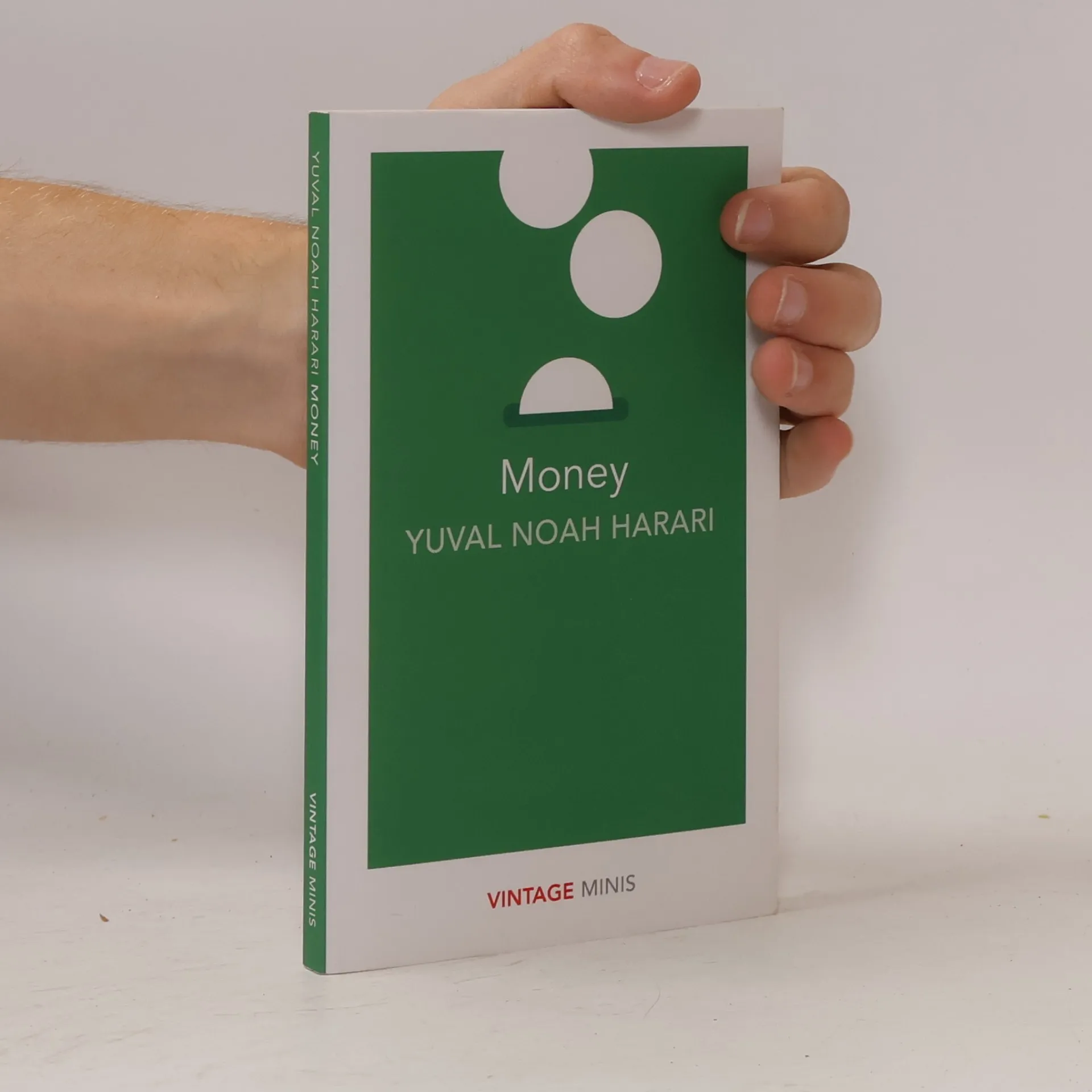
    • Money

      • 144 strony
      • 6 godzin czytania

      Selected from the books Sapiens and Homo Deus by Yuval Noah Harari How did money come to be invented? Why does it now have such significance in our lives? Does it make us happier or unhappier? And what does the future hold for it? With brilliant clarity and insight, Yuval Noah Harari takes the reader on a journey from the very first coins through to 21st century economics and shows us how we are all on the brink of a revolution, whether we like it or not. VINTAGE MINIS- GREAT MINDS. BIG IDEAS. LITTLE BOOKS. A series of short books by the world's greatest writers on the experiences that make us human Also in the Vintage Minis series- Home by Salman Rushdie Babies by Anne Enright Eating by Nigella Lawson Drinking by John Cheever

      Money
      3,9
    • The author of the international bestseller Sapiens: A Brief History of Humankind looks at covert operations and assassination plots in the medieval period, matching anything to be found in our own era.

      Special Operations in the Age of Chivalry, 1100-1550
      3,7
    • The book includes two exclusive essays by Yuval Noah Harari that delve into pressing contemporary issues. "The Crisis of Liberalism" explores the challenges facing liberal democracies today, while "The Theater of Terror" examines the impact of fear and spectacle in modern society. Harari's insights provide a thought-provoking analysis of political and social dynamics, encouraging readers to reflect on the future of governance and the influence of terror in shaping public perception and policy.

      Sapiens/Homo Deus Box Set
      4,6
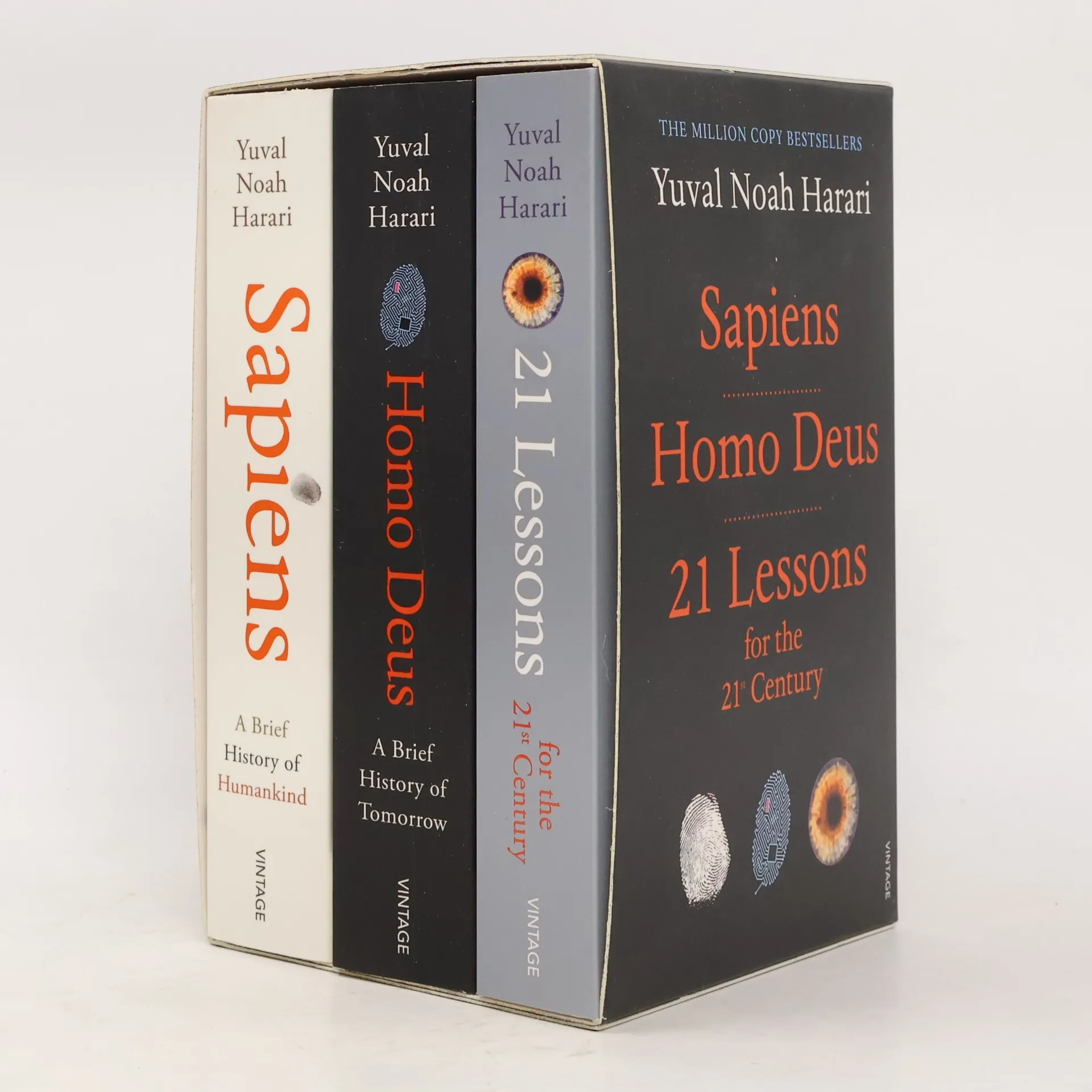
    • This box set offers the trilogy by Harari, a global phenomenon that has captivated millions of readers. Sapiens is a journey through our past, Homo Deus provides a look at our future, and 21 Lessons for the 21st Century explores our present. The overwhelming success of his trilogy has established Harari as a definitive voice in essayistic literature. This collection condenses his monumental work, projecting the history of humanity from the dawn of man and venturing into our coming days, alongside a lucid analysis of our current reality. An unprecedented approach to the human adventure.

      Yuval Noah Harari Box Set: Sapiens, Homo Deus and 21 Lessons for the 21st Century
      4,5
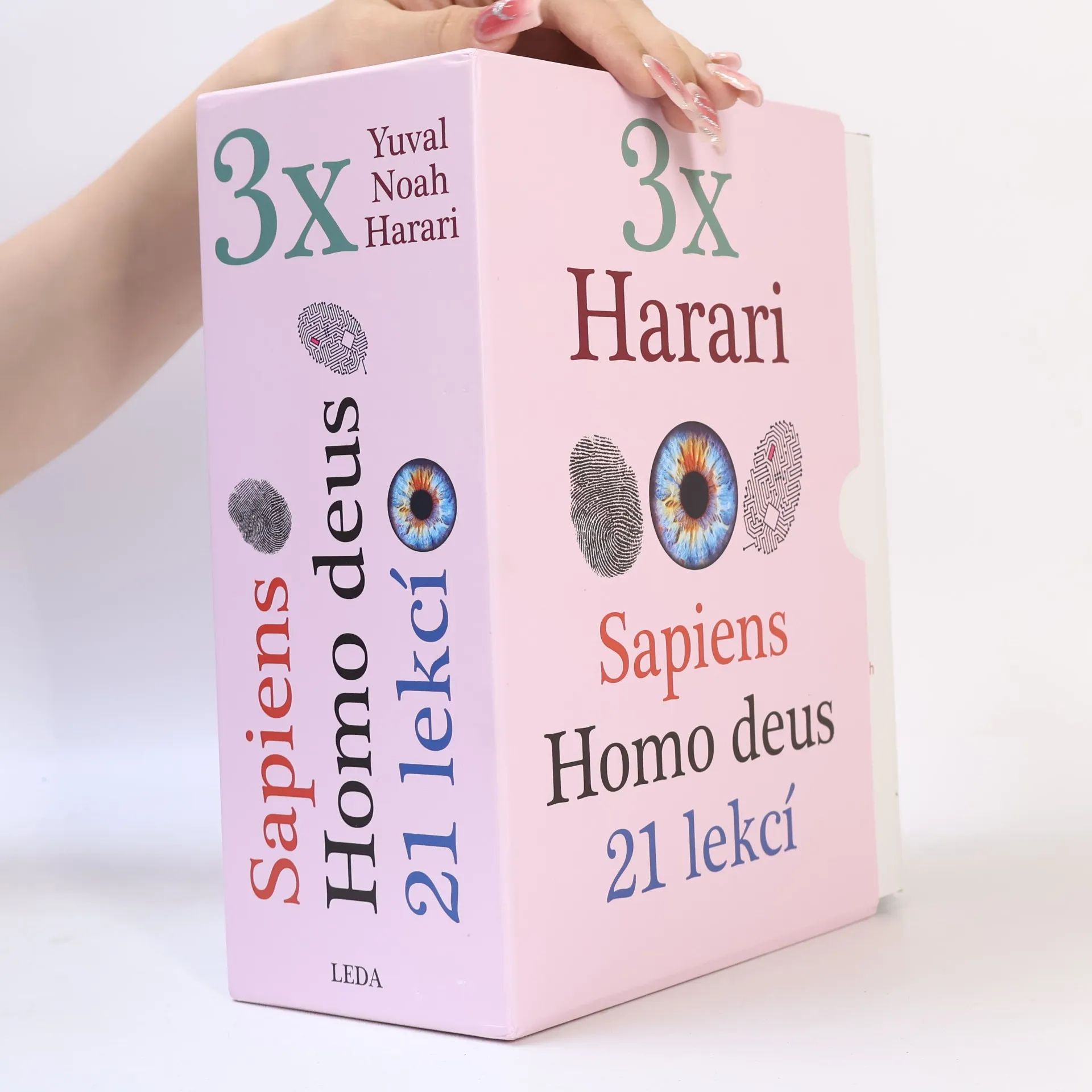
    • Soubor všech tří dosud vydaných knih Yuvala Noaha Harariho v dárkovém boxu. Jedná se o knihy Sapiens, Homo deus a 21 lekcí pro 21. století.

      3x Harari: Sapiens. Homo deus. 21 lekcí
      3,8
    • Das Streben nach Langlebigkeit ist das Ziel jeder Existenz: in der Natur, der Politik, bei Unternehmen und uns Menschen. Oft handeln wir jedoch kurzfristig. In einer sich schnell verändernden Welt ist die Fähigkeit, sofort zu reagieren oder Angebote anzupassen, entscheidend. Gleichzeitig müssen langfristige Strategien für die Zukunft entwickelt und Bewahrenswertes geschützt werden. Die Strategien zur Langlebigkeit sind vielfältig und paradox. Das Abstreifen des Alten und die Erneuerung können ebenso wichtig sein wie das Festhalten an Bestehendem, um kleinere Turbulenzen zu überstehen. Die zentrale Frage bleibt: Wann sollten wir bewahren, wann loslassen? Wo sind robuste Strukturen notwendig, um Langlebigkeit zu sichern, und wo ist kurzfristiges Denken gefragt? Diese Suche nach Antworten zur Kunst der Langlebigkeit wird durch Beiträge von Persönlichkeiten wie Yuval Harari, Sven Regener und Steven Chu bereichert. Sie bringen unterschiedliche Perspektiven ein und reflektieren über die Herausforderungen und Möglichkeiten, die mit dem Streben nach Dauerhaftigkeit verbunden sind. Die Diskussion wird durch visuelle Beiträge von Julie Petter und Thomas Walsh ergänzt.

      Für immer
      1,0
    • Wie aus Feinden Freunde werden

      • 192 strony
      • 7 godzin czytania

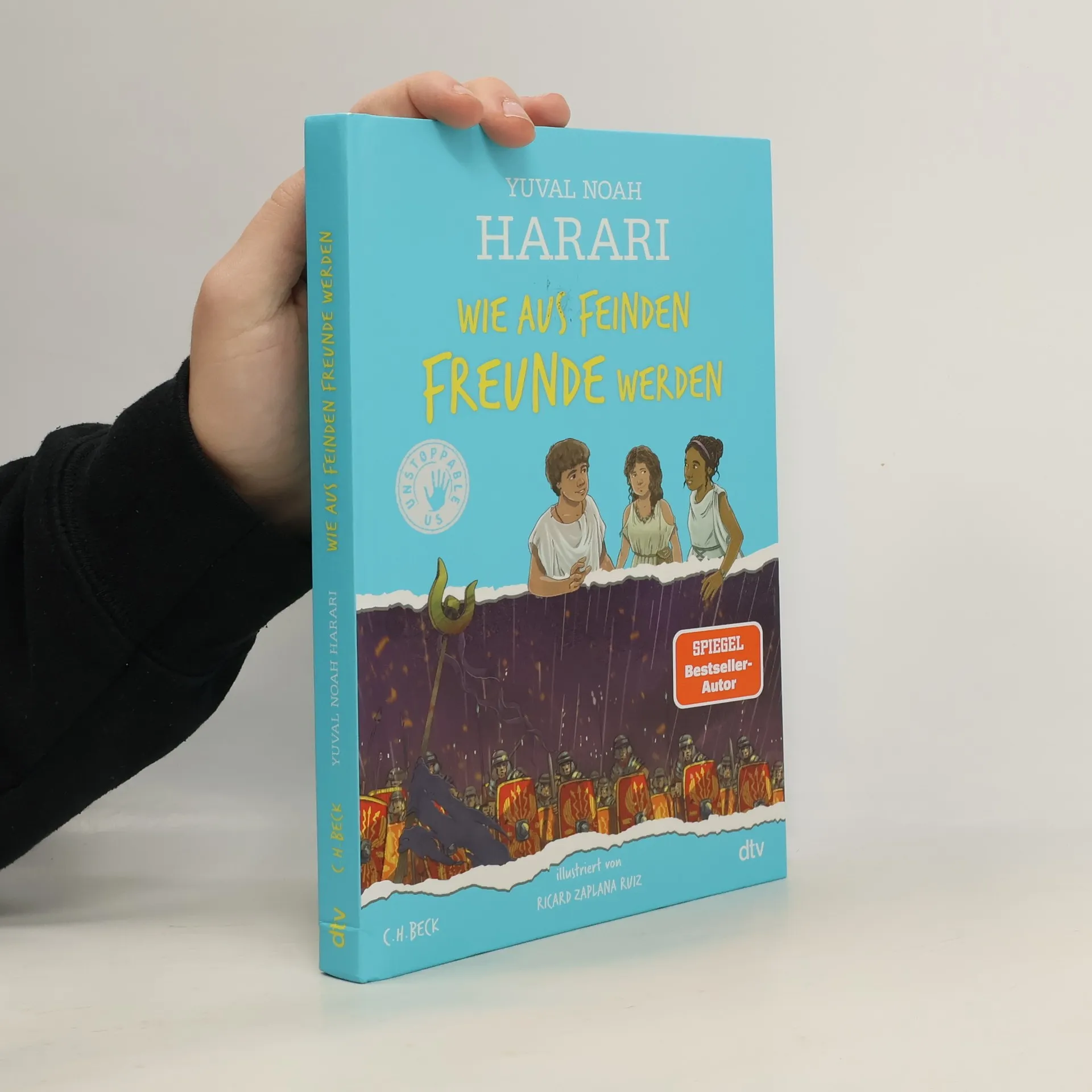
      In seinem neuen Buch untersucht Yuval Noah Harari, warum die Welt nicht friedlich ist und wie Menschen aus verschiedenen Gesellschaften miteinander umgehen. Er beleuchtet historische Begegnungen, Konflikte und friedliche Koexistenz von der Antike bis zum Mittelalter und thematisiert die Herausforderungen des Zusammenlebens verschiedener Kulturen und Religionen.

      Wie aus Feinden Freunde werden
    • Homo Deus

      História Breve do Amanhã - 4.ª edição

      • 472 strony
      • 17 godzin czytania

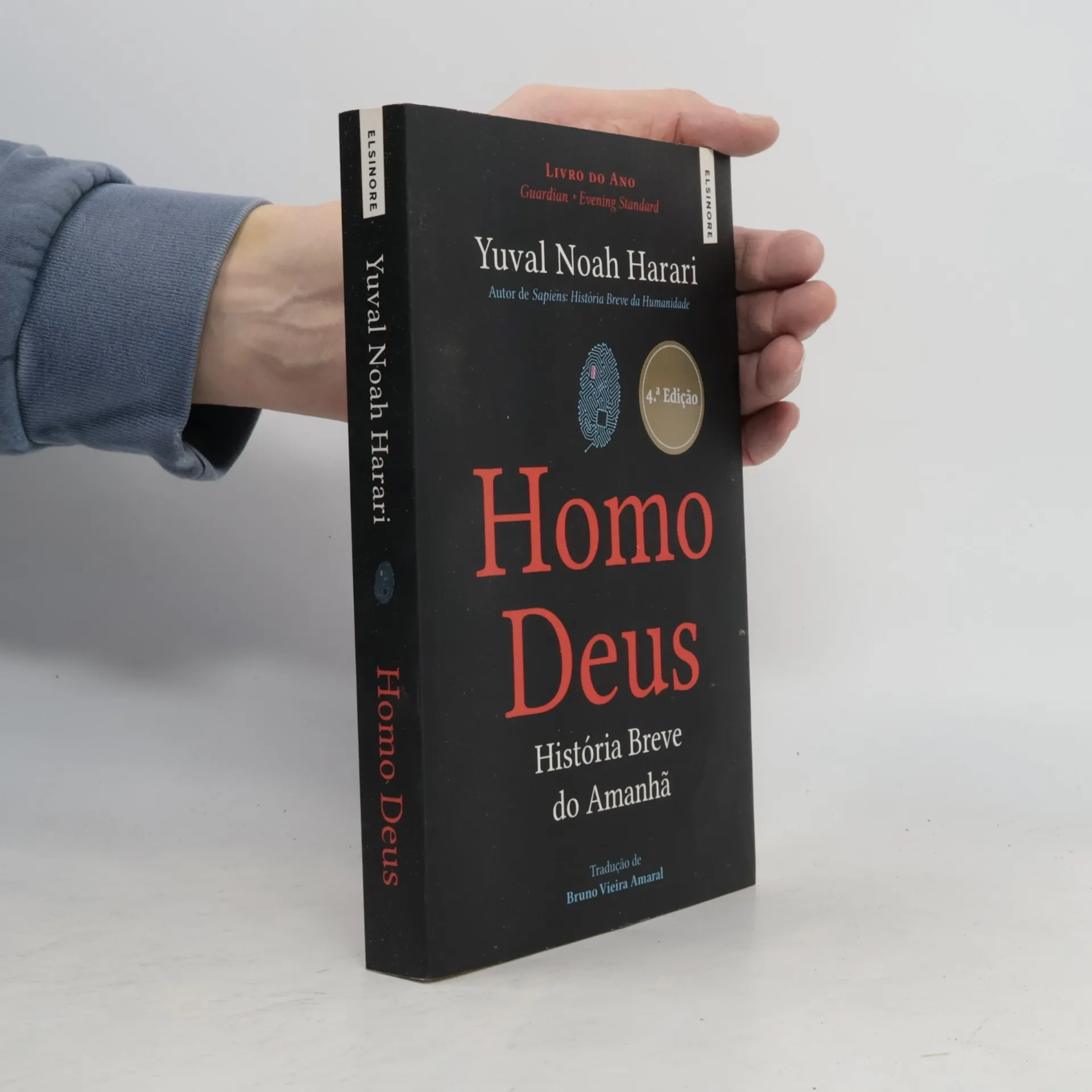
      A história começou quando os homens inventaram os deuses e terminará quando os homens se transformarem em deuses. A guerra desapareceu. É mais provável cometer-se suicídio do que morrer num conflito armado. A fome está a desaparecer. É mais alto o risco de obesidade do que de fome. A morte tornou-se um simples problema técnico. Não alcançámos a igualdade - mas estamos perto de alcançar a imortalidade. O que nos reserva o futuro? <i>Homo Deus</i> explora os projetos, sonhos e pesadelos que darão forma ao século XXI - desde o vencer da morte à vida artificial. Sucessor do bestseller internacional <i>Sapiens: História Breve da Humanidade</i>, coloca as questões fundamentais: para onde seguir a partir daqui? Como proteger o mundo dos poderes destrutivos do ser humano? Chegámos ao próximo passo evolucional: <i>Homo Deus</i>.

      Homo Deus
    • Rajzolt történelem - 1: Sapiens

      Az emberiség születése

      • 248 stron
      • 9 godzin czytania

      A tisztánlátás hatalom. De hogyan láthatjuk át a világban zajló eseményeket anélkül, hogy elvesznénk az apró részletekben? Például úgy, hogy hátrébb lépünk, és megszemléljük a teljesebb képet: az emberi faj történetét. A Sapiens - Rajzolt történelem című képregénysorozat azt meséli el, hogyan lett egy jelentéktelen majom a Föld nevű bolygó ura, és hogyan jutott el odáig, hogy képes széthasítani az atomot, elrepülni a Holdra, vagy módosítani más fajok genetikai kódját. Yuval Noah Harari, a könyv mesélője és társai - Prehisztorikus Bill, Doktor Fikció, Lopez nyomozó és sokan mások - a történelem meghatározó és sorsfordító eseményeibe avatnak be minket. A képregény viccesen és szórakoztatóan tárja elénk az emberiség történetét a Sapiens - Az emberiség rövid története című nemzetközi sikerkönyv alapján, amelyet 60 nyelvre fordítottak le, és több mint 16 millió példányban kelt el világszerte. Szellemessége, humora és érdekes karakterei azokat is magukkal ragadják, akiket egyébként nemigen köt le a tudomány és a történelem. Az emberiség születése a négyrészes képregénysorozat első kötete.

      Rajzolt történelem - 1: Sapiens
    • Was du wissen musst, um die Welt zu retten

      Unstoppable Us 4

      • 208 stron
      • 8 godzin czytania

      Wie wir die Macht des Wissens entdeckten und wie wir es zu unserem Wohl einsetzen können Kaum etwas hat das Leben der Menschen so stark verändert wie die wissenschaftliche Revolution. Durch sie entdeckten wir unbekannte Territorien, bekämpften Hunger und Krankheiten und erlangten einen nie gekannten Wohlstand. Doch der Fortschritt hat auch negative Seiten: Völker wurden bekämpft, die Umwelt zerstört und die Atombombe bedroht die Menschheit. Mit der künstlichen Intelligenz kommt ein neuer Player ins Spiel, der der Vorherrschaft der Menschen auf der Erde ein Ende bereiten könnte. Wie kann es uns Menschen gelingen, diese Entwicklungen in die richtigen Bahnen zu lenken? Wie können wir dank unseres Wissens unseren Planeten und die Lebewesen darauf retten? Dieser Frage widmet sich Harari lebendig, klug und unterhaltsam.

      Was du wissen musst, um die Welt zu retten
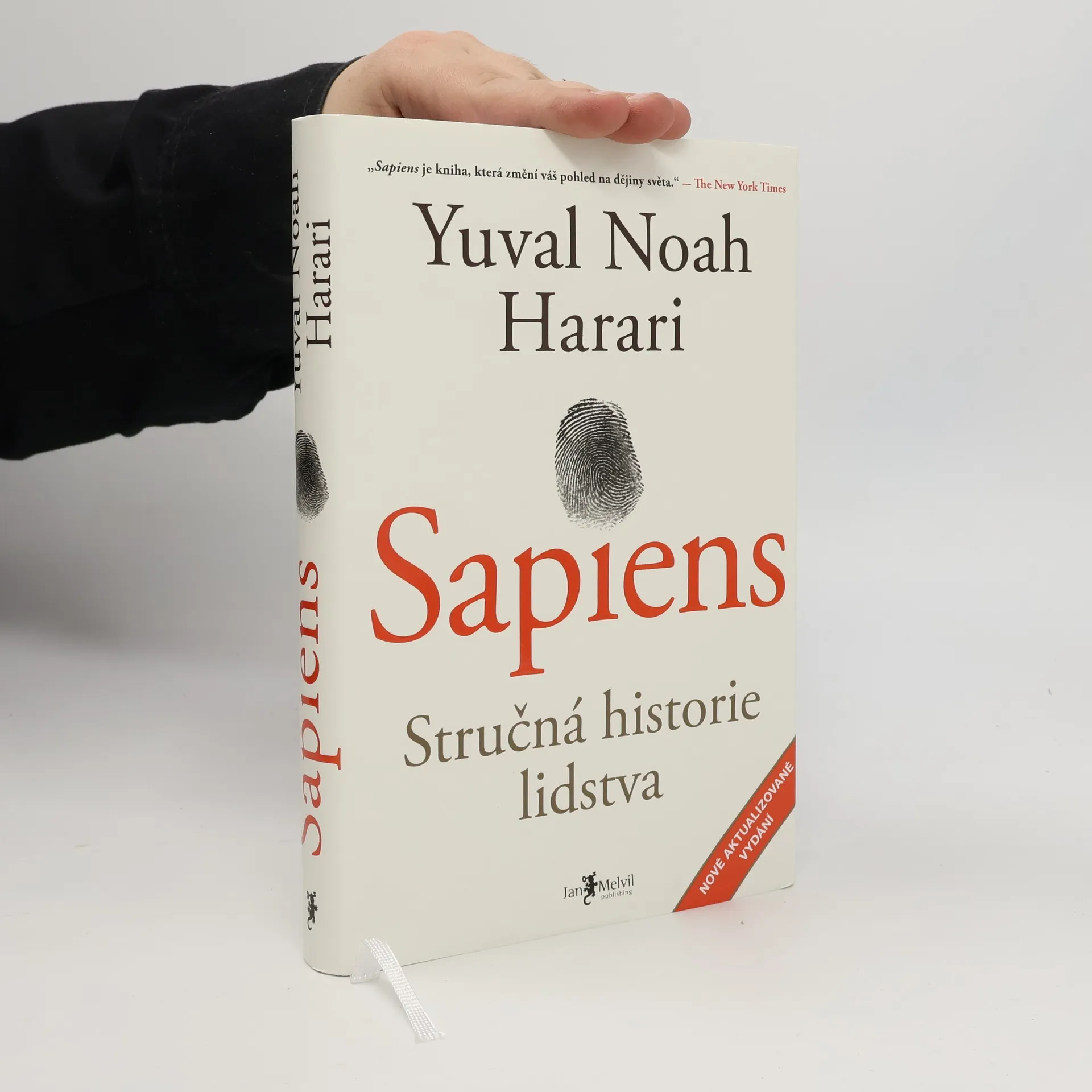
    • Sapiens

      Stručná historie lidstva

      Sapiens