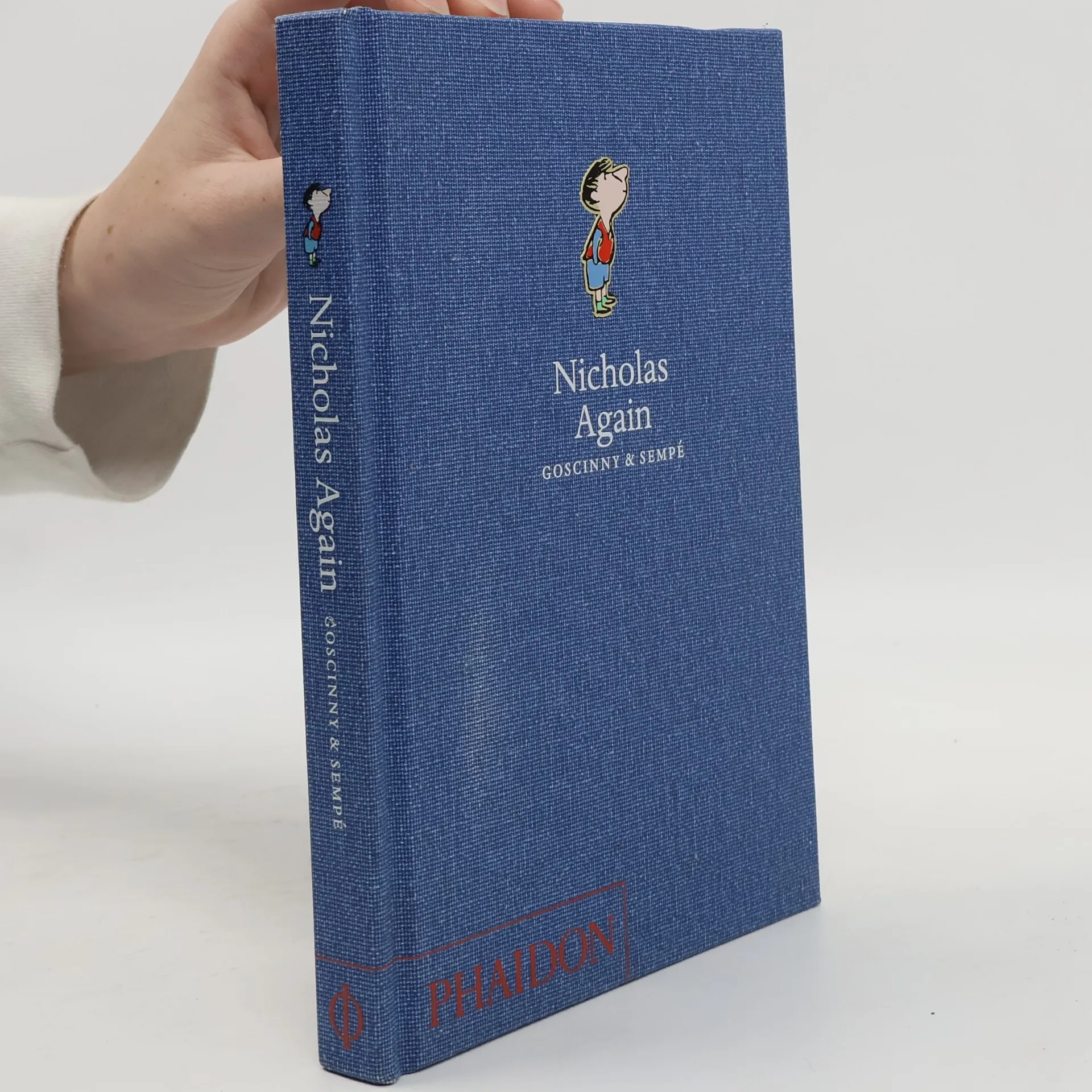
"Nicholas Again" is the second book in a five-part series about a charming schoolboy, Nicholas, who often finds himself in trouble. Written by René Goscinny and illustrated by Jean-Jacques Sempé, it depicts the humorous adventures of Nicholas and his friends, captivating readers for over forty years.
Paměti světoznámého rakouského autora jsou jednou z jeho nejlepších a nejdůležitějších knih, ale i jedním z pramenů pro pochopení novodobé evropské kultury. V knize jsou zachyceny formou očitého svědectví všechny nejdůležitější události novodobé evropské historie, atmosféra jejích měst a setkání s desítkami nejvýznamnějších evropských osobností.
In his sixth album, Jean-Jacques Sempé explores the contradictions and absurdities of modern life through illustrations and cartoons. Originally published in France in 1970, "Highs and Lows" is now available in English for the first time, appealing to both cartoon enthusiasts and a wider audience.
How can lovely Queen Cleopatra show Julius Caesar that ancient Egypt is still a great nation? Her architect Edifis recruits his Gaulish friends to help him build a magnificent palace within three months. There are villainous saboteurs to be outwitted, but Asterix, Obelix and Getafix still find time to go sight-seeing - and leave their mark on the pyramids and the Sphinx's nose.
This fifth album by Jean-Jacques Sempé includes familiar characters like artists and psychologists, alongside tyrannical computers and friendly aliens. With fresh humor and beautiful illustrations in Sempé's unique style, it will attract both cartoon enthusiasts and a broader audience.
Co robi dziewczyna, której właśnie złamano serce? To proste: gada przez telefon z przyjaciółką, pochłania czekoladę i całymi dniami rozpamiętuje swoje nieszczęście. Ale Gwen - podróżniczka w czasie mimo woli - musi wziąć się w garść, chociażby po to, żeby przeżyć. Nici intrygi z przeszłości także dziś splatają się w zabójczą sieć. Złowrogi hrabia de Saint Germain jest bardzo bliski swego celu: Gwendolyn musi stanąć do walki o prawdę, miłość i własne życie.
One of Kafka's most famous stories, 'Metamorphosis' explores the notions of alienation and human loneliness, demonstrating his extraordinary narrative techniques and depth of imagination. In the second story the relationship between a father and son is explored.
Juliusz Cezar otrzymuje od jednego z dowódców niezwykły podarunek –
Kakofoniksa – słynnego galijskiego barda. Nieświadomy sytuacji bohater jest
przekonany, że czekają go występy. Jednak Cezar nie okazuje zainteresowania
muzycznym talentem Kakofoniksa i po stwierdzeniu, że ten nie nadaje się na
gladiatora, postanawia rzucić go lwom na pożarcie w trakcie zbliżających się
Igrzysk. Na ratunek spieszą mu Asteriks i Obeliks i, by dostać się do
Koloseum, w którym ma być stracony ich towarzysz, postanawiają zostać
gladiatorami.
Though the emperor banishes the nightingale in preference of a jeweled mechanical imitation, the little bird remains faithful and returns years later when the emperor is near death and no one else can help him.
'Matches, buy my matches, ladies and gents!' calls Luise Pogge, a.k.a. 'Dot', evening after evening, standing on Weidendammer Bridge in the middle of Berlin. Of course, her wealthy parents have no idea of her whereabouts, believing her to be in the safe care of her nanny, Miss Andacht. But Miss Andacht is being blackmailed by her shady fiancé, which is where Dot comes in. Anton, on the other hand, has to beg because he and his mother are paupers, and desperate. When the two children make friends on the streets of Berlin, Dot, who is no fool, has a brilliant idea which is sure to solve both their problems, and in the process they even solve a dastardly crime...
Set in post-war Berlin, the story follows 15-year-old Ben, who dreams of becoming a black marketeer. His life takes a dark turn when he discovers the body of a young German woman at the Uncle Tom's Cabin subway station, revealing a brutal crime that shakes the community. As he grapples with the implications of the murder and its impact on his ambitions, Ben navigates a world filled with danger and moral ambiguity amidst the chaos of a divided city.
Do jedynej galijskiej wioski, która nie płaci podatków Rzymianom, przybywa
wódz Amoralfiks, by ukryć pieniądze przed rzymskimi poborcami. Wódz
Asparanoiks postanawia pomóc rodakowi i przechować kociołek pełen sestercji.
Zleca to zadanie Asteriksowi. Dzielny wojownik czuwa całą noc, by nad ranem
przekonać się, że pieniądze zniknęły! Asparanoiks uważa, że cała wioska
straciła honor i skazuje Asteriksa na wygnanie. Wraz z nim osadę opuszczają
wierni przyjaciele – Obeliks i Idefiks. Asteriks i Obeliks nie mogą pogodzić
się z perspektywą życia w niesławie, postanawiają więc jak najszybciej zarobić
pieniądze i zwrócić je Amoralfiksowi. Chwytają się wszystkich sposobów:
szukają gotówki w obozie rzymskim Delirium, napadają na piratów, handlują
dzikami, walczą na arenie z gladiatorami, próbują swych sił w teatrze, grają
na wyścigach. Gdy w żaden sposób nie udaje im się napełnić kociołka, pozostaje
ostateczne rozwiązanie – napad na bank rzymski...
Czy wiecie, co to jest strach? Dawni wikingowie nie wiedzieli. Postanowili
zatem wyprawić się na południe, by mieszkające tam ludy nauczyły ich trząść
się ze strachu jak osiki. Cóż, bitni Normanowie trafili akurat na Galów,
którzy też nie wiedzieli, czym jest strach. Na szczęście w wiosce pojawił się
młodziutki krewny wodza Asparanoiksa – Skandaliks, który okazał się
straszliwym tchórzem. Tylko od niego wikingowie mogą się dowiedzieć, co
oznacza wyrażenie „bać się”, a jedynym sposobem na zdobycie tej wiedzy jest
porwanie młodego Gala.
Rzymianie nie ustają w próbach podporządkowania sobie ostatniej opornej galijskiej osady! Tym razem planują podstępnie wykorzystać stary galijski obyczaj walki wodzów. Gdy jeden z wodzów wyzywa drugiego na pojedynek - ten nie może odmówić, a pokonany oddaje się wraz z całym ludem pod rządy zwycięzcy. Asparanoiksa ma pokonać kolaborujący z Rzymem galijski wódz Kolaboriks. Aby tak się stało, Asparanoiks nie może się napić dającego nadludzką siłę magicznego wywaru, który sporządza druid Panoramiks. Rzymianie szykują więc na druida zasadzkę w lesie, gdy ten idzie po zioła potrzebne do sporządzenia napoju. Jednak podstęp się nie udaje, gdyż czujni Asteriks i Obeliks w porę ich przepędzają. Niestety Obeliks tak niefortunnie rzuca menhirem, że głaz, zamiast w Rzymian, trafia Panoramiksa. Od tego uderzenia druidowi pomieszało się w głowie i nie pamięta receptury magicznego wywaru. Zbliżająca się walka wodzów wydaje się być dla nich przegrana. Jednak Galowie nie poddają się i wpadają na pewien pomysł...
As Bluejay--Mo's fictitious double--tries to keep the Book of Immortality from unraveling, Adderhead kidnaps all the children in the kingdom, asking for Bluejay's surrender or the children will be doomed to slavery in the silver mines.
A dead man hangs from the portal of St Paul's Chapel in Damascus. He was a Muslim officer - & he was murdered. But when Detective Barudi sets out to interrogate the man's mysterious widow, the Secret Service takes the case away from him. Barudi continues to investigate clandestinely & discovers the murderer's motive.
Setting out to find his grandfather, Listener carries with him a mysterious stone which takes him far away to do great harm. But, through the magical powers of the stone and his grandfather's flute, he also comes to find happiness and to possess a power greater than life itself.
Dwaj Galowie, których zadaniem jest noszenie na tarczy wodza Asparanoiksa
zatruli się nieświeżą rybą… Tak zaczyna się kolejna awantura między
mieszkańcami galijskiej wioski. Brak świeżych ryb sprawia, że Asteriks i
Obeliks wypływają w morze. A ponieważ nie mają żadnego doświadczenia jako
rybacy – zamiast zarzucić sieć, po prostu ją wyrzucają. Potem zaczyna się
sztorm i łódź bohaterów zaczyna płynąć w nieznanym kierunku. Kiedy dobija do
jakiegoś lądu, Galowie są tak głodni, że zajadają się… indykiem nadziewanym
niedźwiedziem! Przystrojonych w pióropusze tubylców biorą za Rzymian, potem za
Traków albo Kreteńczyków i usilnie starają się opowiedzieć dziwnym mieszkańcon
nieznanej krainy, kim są. Kiedy jednak wódz wioski zamierza ożenić Obeliksa ze
swoją córką, przyjaciele wsiadają do dziurawej łodzi i odpływają – byle dalej.
Na morzu napotykają wikingów i trafiają do ich krainy – jako przedstawiciele
nowego świata!
W dolinie srebrnych smoków panuje kojący spokój. Do czasu Pewnego dnia
Szczurzyca przynosi straszne wieści: Ludzie nadchooodzą!. Nieustraszony młody
smok Lung postanawia wyruszyć w poszukiwaniu legendarnego Skraju Nieba
miejsca, gdzie te piękne stworzenia mogą żyć w pokoju. Dołączają do niego...
číst celé
Hansel and Gretel is part of the Ladybird Favourite Tales, which are the timeless treasured stories that generations of children have grown up with and loved. These easy-to-read retellings, enhanced by exciting, richly colourful illustrations, faithfully capture all the magic of the original stories.
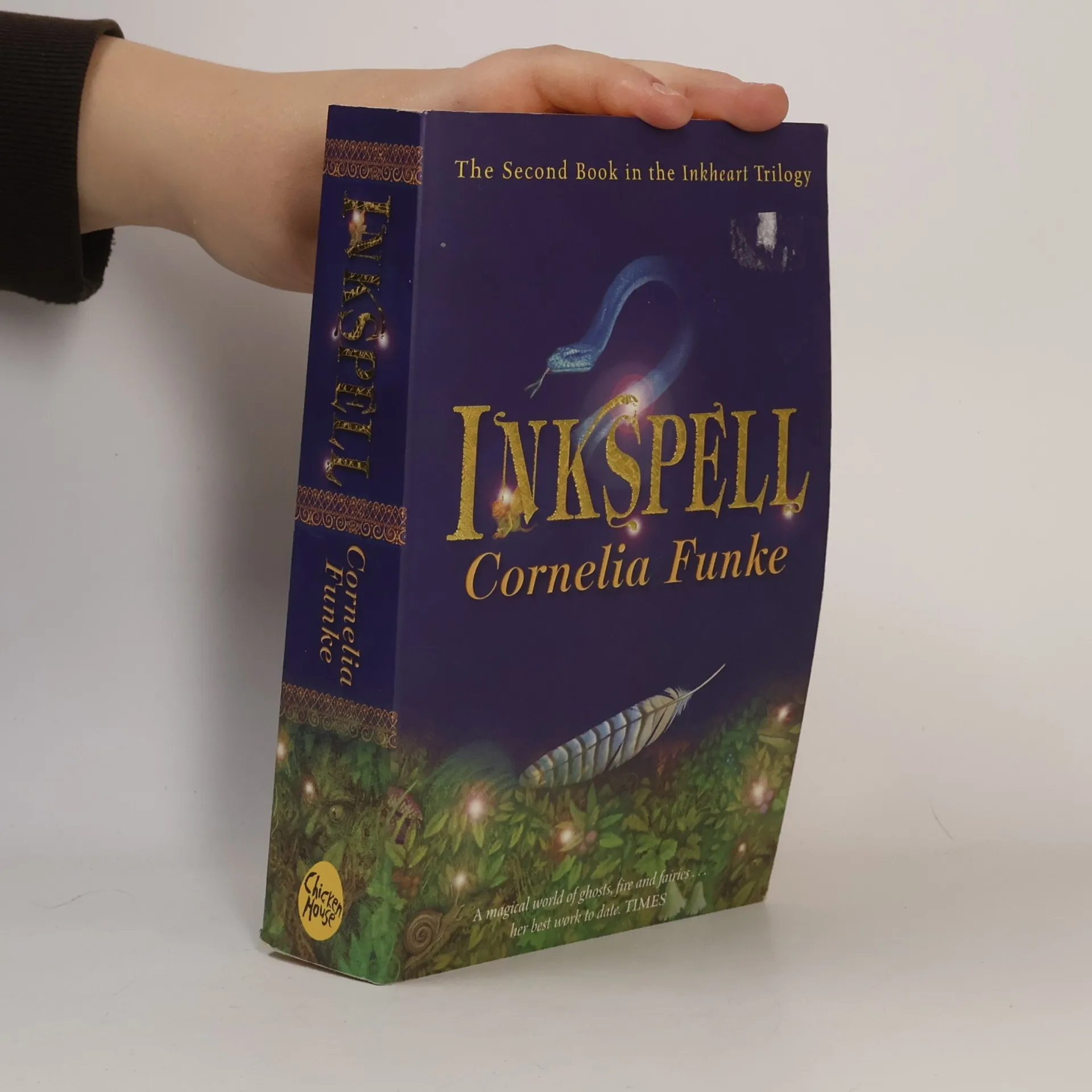
CAUGHT BETWEEN THE COVERS OF A CURSED STORY... Ever since the extraordinary events of Inkspell , when the enchanted book Inkheart drew Meggie and her father, Mo, into its chapters, life in the Inkworld has been more tragic than magical. The fire-eater Dustfinger is dead, having sacrificed his life for his apprentice Farid's, and now, under the rule of the evil Adderhead, the fairy-tale land is in bloody chaos, its characters far beyond the control of Fenoglio, their author. Even Elinor, left behind in the real world, believes her family to be lost - lost between the covers of a book. Facing the threat of eternal winter, Mo inks a dangerous deal with Death itself. There yet remains a faint hope of changing the cursed story - if only he can fill its pages fast enough. Inkdeath - the captivating final tale in the Inkheart trilogy.
Although a year has passed, not a day goes by without Meggie thinking of the extraordinary events of Inkheart, and the story whose characters strode out of the pages and changed her life for ever. But for Dustfinger, the fire-eater, torn from his world of words, the need to return has become desperate. When he finds a crooked storyteller with the magical ability to read him back, he sets in motion a dangerous reversal that sees the characters of Inkheart transported to a charmed Inkworld, about to be fought over by rival rebels and princes.
VIENNA PASSION is a novel of love, mistresses and music. It tells the story of Rosa, a chambermaid, royal mistress and murderess, whose life mirrors all the sordid glamour of Vienna at the turn of the century. Rosa's story is interleaved with another woman's tentative romance: that of Magnolia, a young New Yorker, and her singing-teacher in Vienna. Despite her lover's hypochondria and mother-fixation, however, Magnolia is just as much her own woman as Rosa ever was. More so, indeed, than either woman could ever have imagined.
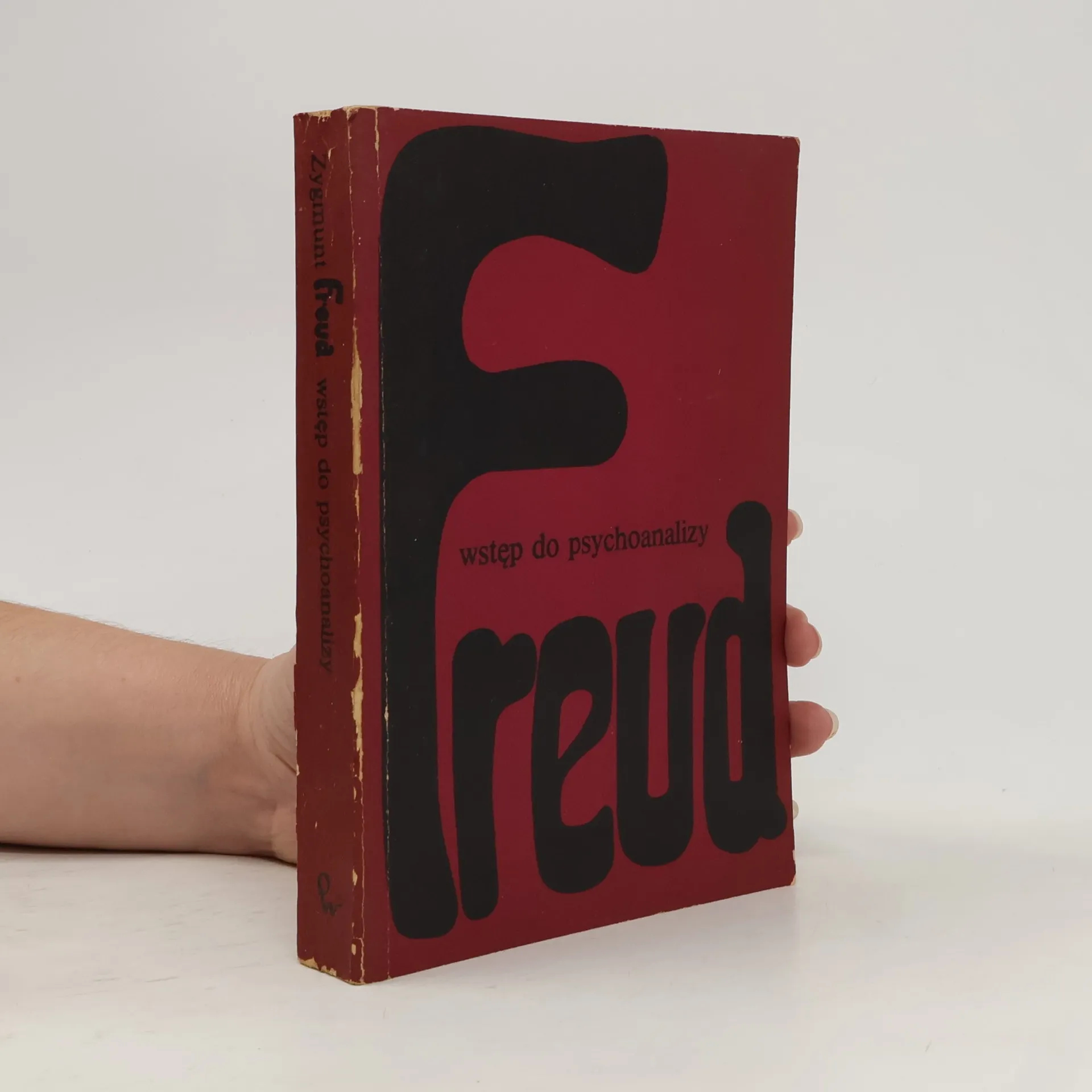
"Wstęp do psychoanalizy" to najbardziej znana, klasyczna już książka Freuda, która zapoczątkowała rozwój i popularyzację psychoanalizy jako teorii, metody badawczej i środka terapii. Zawiera cykl wykładów wygłoszonych przez autora w latach 1915-1917 przed audytorium składającym się z lekarzy i "laików obojga płci", którym wyjaśniał podstawowe założenia swej koncepcji. Znając główne zastrzeżenia, jakie wobec niej wysuwano, wykłady te potraktował niezwykle poważnie, przygotowując je w postaci napisanego tekstu. W pierwszych wykładach analizuje czynności pomyłkowe i marzenia senne, udowadniając istnienie nieświadomości. Przedstawia przede wszystkim te objawy nieświadomości, które występują w życiu codziennym. Pokazuje, że nic w naszej psychice nie jest przypadkowe. Są tylko zjawiska zrozumiałe, które umiemy interpretować, i niezrozumiałe, których jeszcze zinterpretować nie umiemy. W dalszych wykładach autor wyjaśnia podstawy nauk o nerwicach, prezentuje również trzy zasadnicze wątki teorii psychoanalitycznej: teorię lęku, teorię libido i narcyzmu oraz teorię przeniesienia.
Długo wyczekiwany, premierowy album o przygodach niezwyciężonych Galów!
Piktowie to mieszkańcy starożytnej Szkocji, przerażający wojownicy z licznych
klanów, których miano, nadane przez Rzymian, dosłownie oznacza „malowani
ludzie”. Asteriks u Piktów jest, zgodnie z najlepszą tradycją przygód
najsłynniejszego z Galów, barwną podróżą do krainy bogatych obyczajów oraz
opowieścią o ludziach, którzy słynęli ze znakomitych gier słownych i gagów. Na
forach czytelniczych czynione są zakłady i toczą się zażarte dyskusje...
Whisky? Rzucanie pni? Dudy? Nazwiska na Mac? Początki Muru Hadriana i
pochodzenie potwora z Loch Ness wreszcie ujawnione? A może nawet, kto wie,
Galowie w kiltach... Totalna niespodzianka! Zwłaszcza że to pierwszy album
stworzony przez nowych autorów – scenarzystę Jeana-Yvesa Ferriego oraz
rysownika Didiera Conrada.
Asteriks i Obeliks obchodzą urodziny – z tej okazji w wiosce zjawiają się ich
matki Żelatyna i Pralina. Przywożą prezenty i życzenia od ojców, którzy
musieli pozostać w Condate. Wśród podarków są wyjątkowo cenne miecz i hełm.
Ojcowie naszych bohaterów odkupili te przedmioty od pewnego pijanego
rzymskiego legionisty. Prawowitym właścicielem miecza i hełmu okazuje się
Pompejusz – przeciwnik polityczny Cezara – który w dalekiej Galii próbuje
spiskować przeciwko władcy Rzymu. Ale zanim zmierzy się z Juliuszem Cezarem,
zechce odebrać Asteriksowi i Obeliksowi swoją własność. A ponieważ wie, że
Galowie są niezwyciężeni, posyła do ich wioski piękną aktorkę Latraviatę, by
ta, ucharakteryzowana na Falbalę, oczarowała bohaterów i odzyskała elementy
uzbrojenia Pompejusza.
Któregoś dnia Asteriks znajduje przed swoją chatą niemowlę. Aby uciąć plotki
roznoszące się po wsi Asteriks i Obeliks muszą odnaleźć prawdziwych rodziców
dziecka. Jednak do tego czasu Asteriks i Obeliks muszą nie tylko zastąpić
chłopcu matkę, ale także czuwać nad jego bezpieczeństwem, gdyż do Gali przybył
Brutus, przybrany syn Cezara, z zamiarem porwania dziecka...
'Already hailed as a Cold War classic.' Boyd Tonkin, Independent Books of the Year 'Utterly absorbing, funny and humane. A romp through a twisted century in the heart of Europe.' Anna Funder, author of Stasiland International bestseller and Winner of the German Book Prize A sweeping story of one family over four generations in East Germany: the intertwining of love, life and politics under the GDR regime.
Francis, the clever feline, ventures into the countryside, which quickly turns into a terrifying odyssey. He encounters a decapitated cat and becomes embroiled in a murderous tale involving blind cats, wild hunters, cunning allies, and a beautiful seductress. Only the curious cat detective can end the killing spree, but the cruelty of animals and human madness take their toll.
'According to Plato, fools do not strive for the beautiful and the good, for divine bliss, because they are satisfied with themselves. The wise do not strive for it either because they already have those things. Only the people in between, half-way between fools and the wise, you and I and all the others waiting patiently here in a traffic jam for the next green light, are vulnerable to the arrow of Eros.' On Love and Death is a witty and inspiring meditation on the erotic link between the two great forces of human existence. Patrick S|skind provocatively draws on scenes as contemporary as a young couple having oral sex while stuck in traffic, as literary as Thomas Mann's discovery of forbidden love in his seventies, and as mythical as the stirring tales of death conquered through love in the narratives of Orpheus and Jesus.
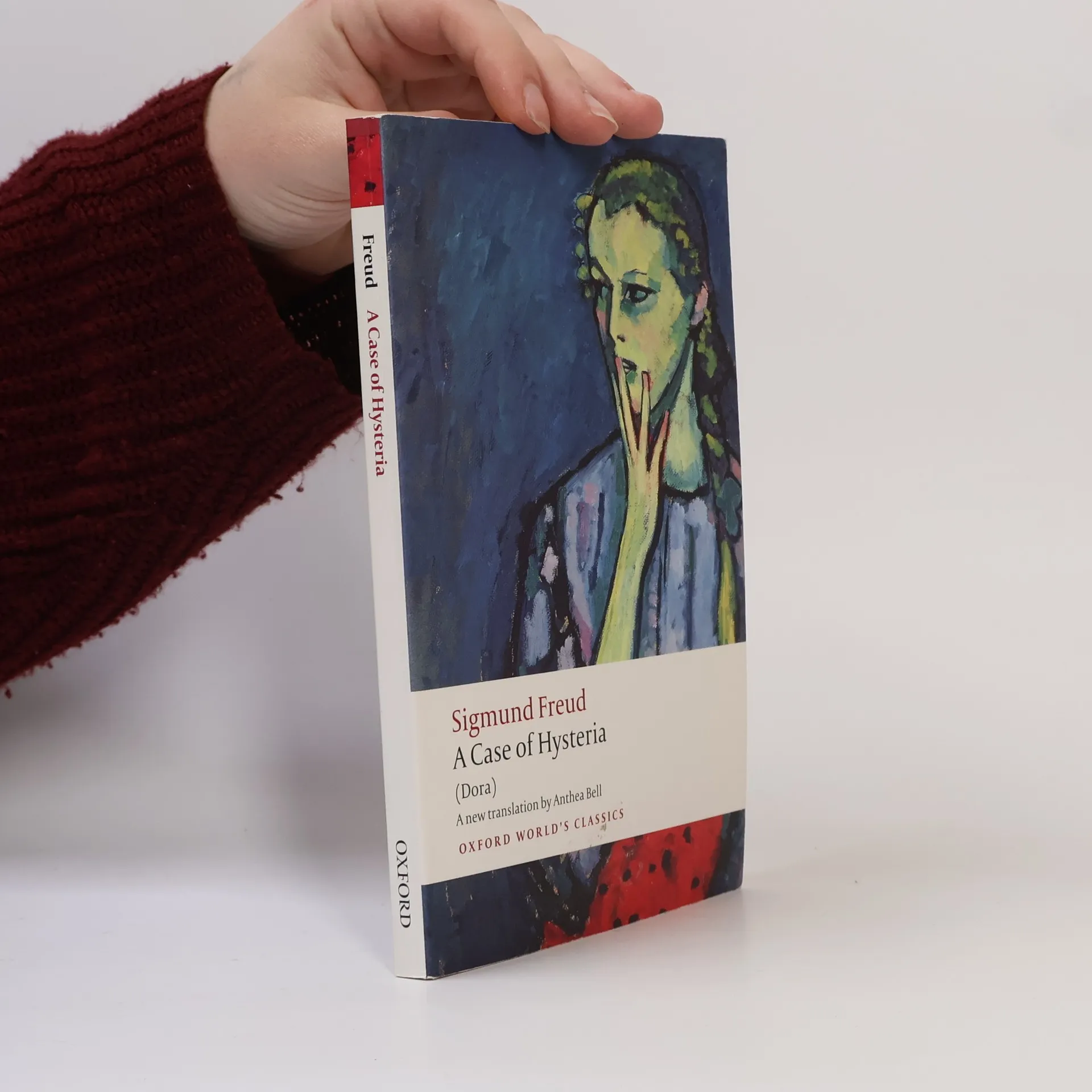
A Case of Hysteria reveals how Freud dealt with patients and interpreted their statements. A crucial text in the development of his theories, it is famous for its literary qualities, and the story of 'Dora' and her unhappy family is as dramatic as a modern novel. This new translation includes a fascinating introduction to the work.
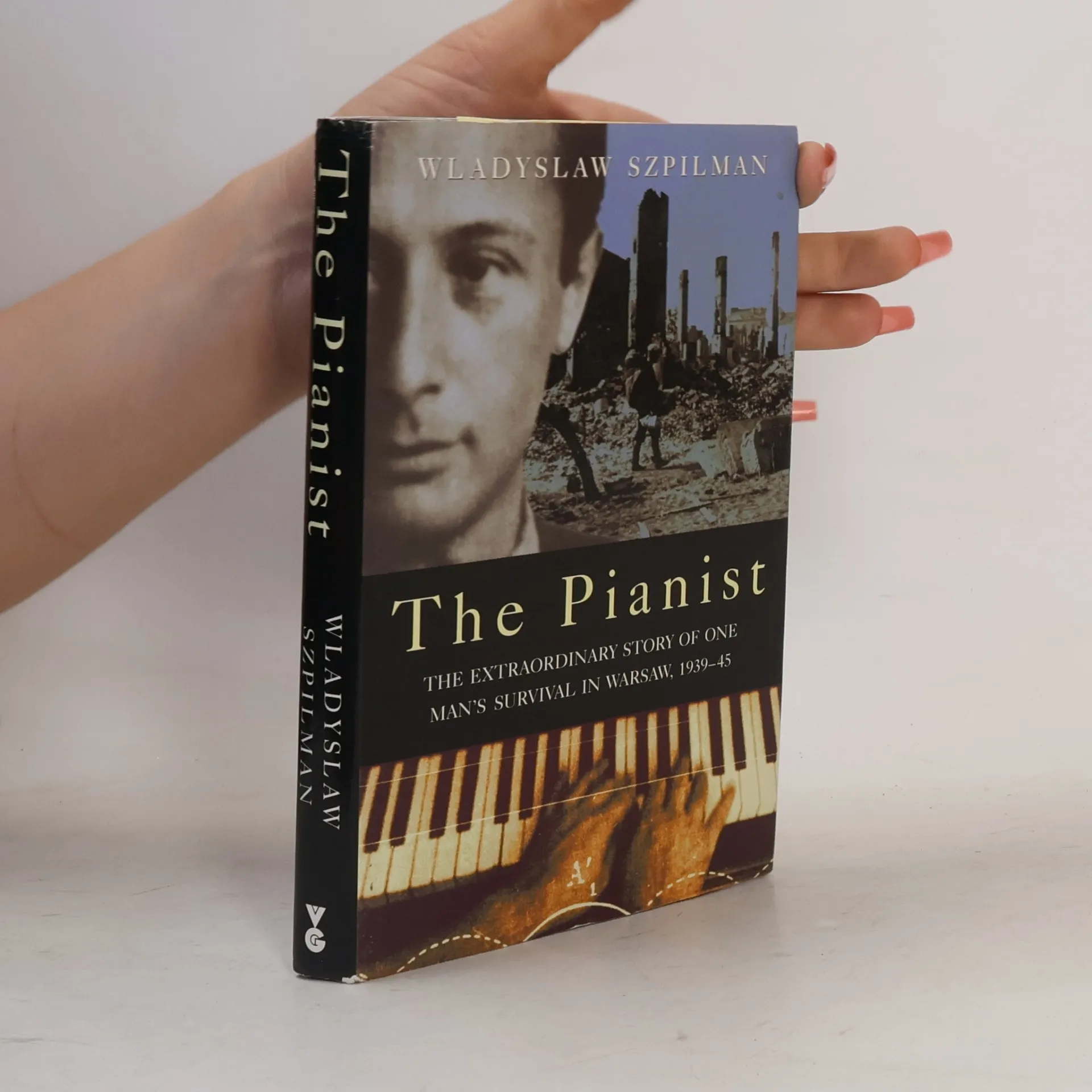
The Extraordinary Story of One Man's Survival in Warsaw, 1939–45
222 strony
8 godzin czytania
The last live broadcast on Polish Radio on September 23, 1939, featured Chopin's Nocturne in C# Minor, played by Wladyslaw Szpilman, until German shelling interrupted. Six years later, the same piece and pianist resumed broadcasting. Szpilman's account details the years in between, marked by the death and cruelty inflicted on Warsaw's Jews, conveyed with a dispassionate restraint born of shock. Now 88, Szpilman has not revisited his painful memories since writing them in 1946. His family was deported to Treblinka, where they perished; he survived due to a music-loving policeman. This was just one of many fortunate escapes as he hid among the ruins of the Warsaw Ghetto, enduring hunger and despair. Ironically, it was German officer Wilm Hosenfeld who saved him by bringing food and warmth to his hiding place. Hosenfeld later died in a Stalingrad labor camp, but his diary entries reveal his bewilderment at the madness he witnessed, providing a stark contrast to Szpilman's nightmarish experiences. Initially published in Poland in 1946, Szpilman's account was withdrawn by Stalinist authorities for its candid portrayal of collaboration with the Nazis. Rediscovered by his son in 1997, it was published in Germany, and this robust translation by Anthea Bell is the first in English. Before the Nazi occupation, Poland had 3,500,000 Jews; after, only 240,000 remained. Szpilman's extraordinary survival story gives voice to the millions who
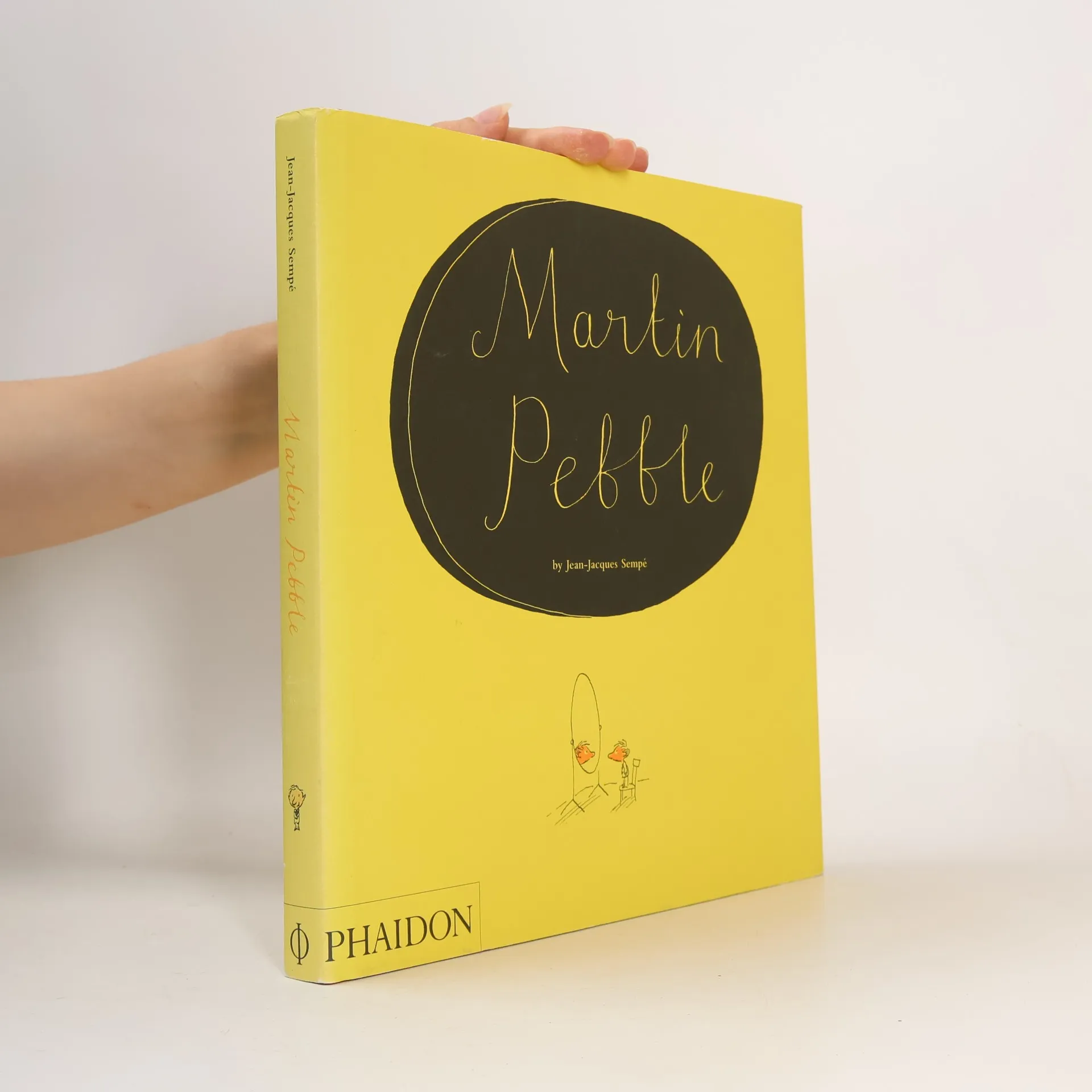
This classic illustrated children's book by Jean-Jacques Sempé tells the story of Martin Pebble, a boy who blushes constantly. When he meets another boy who sneezes for no reason, a lifelong friendship begins. With Sempé's unique drawings and delightful text, it appeals to both children and adults.
Arrested in Cologne for remarking that the Fuhrer looked sweaty, nineteen-year-old Sanna has fled to Frankfurt. But her troubles are far from over. Her best friend Gerti has fallen for a Jewish boy, her brother writes books that have been blacklisted, and her own aunt could turn her in to the authorities at any moment. Darkly humorous and utterly heart rending, this gripping novel vividly captures the terror and hysteria of pre-war Nazi Germany.
On her way to marry a distant Prince, a young Princess is forced to trade places with her evil waiting-maid and becomes a goose girl instead of a bride when she reaches her destination.
„Malutka Czarownica” to jedna z tych magicznych książek, które – przeczytane w
dzieciństwie – zapamiętuje się na całe życie. Wielu dorosłych wspomina tę
uroczą powieść pełną czarów i niezwykłych przygód jako jedną z najważniejszych
i najbardziej ukochanych lektur lat dziecięcych. Teraz także ich dzieci będą
mogły zapomnieć o całym świecie, śledząc z zapartym tchem perypetie Malutkiej
Czarownicy i mówiącego kruka Abraksasa, i poznać zdumiewający sekret: czym zła
czarownica różni się od dobrej. „Malutka Czarownica” powraca odświeżona
edytorsko i wzbogacona o unikalne, niepublikowane nigdy wcześniej ilustracje
Danuty Konwickiej. Była sobie Malutka Czarownica, która miała tylko sto
dwadzieścia siedem lat, a to, jak na czarownicę, jest naprawdę bardzo mało. Za
mało, by być zaproszoną na tańce dorosłych czarownic. Jednak Malutka
Czarownica nie zamierzała czekać na zaproszenie. I tak zaczęły się jej
kłopoty…
Asteriks i Obeliks zwiedzili pół świata, ale dopiero w 24. tomie przygód
trafili do Belgii, by poznać swych pobratymców – belgijskich Galów. Pretekstem
do tego spotkania stały się dziwne nastroje wśród legionistów rzymskich. Otóż
nagle zaczęli oni uważać naszych Galów za wyjątkowo spokojnych w porównaniu z
wojowniczymi Belgami. Wódz osady Asparanoiks nie mogł ścierpieć, że ktoś
odebrał jego niezwyciężonym współmieszkańcom palmę pierwszeństwa! Postanowił
natychmiast udać sie do Belgów i przekonać ich oraz cały świat, kto jest
najdzielniejszy. Asteriks i Obeliks wyruszyli wraz ze swoim wodzem.