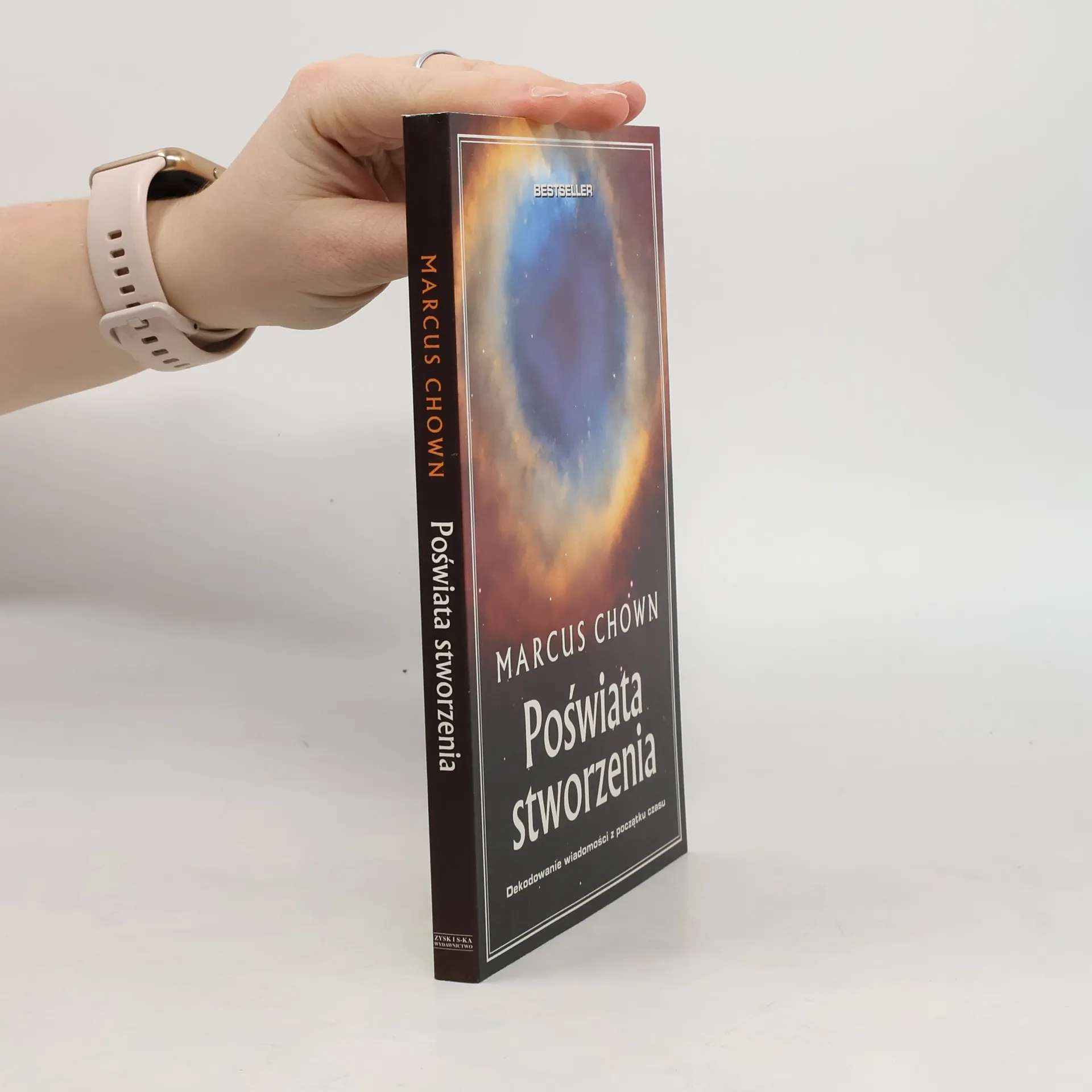
Stephen Hawking określił to jako 'odkrycie stulecia, jeśli nie wszechczasów', jednak naukowcy, którzy jako pierwsi zidentyfikowali promieniowanie kosmiczne, uznawane za echo wielkiego wybuchu, musieli przyznać, że było to bardziej przypadkowe niż zamierzone.
The two towering achievements of modern physics are quantum theory and Einstein's general theory of relativity. Together, they explain virtually everything about the world we live in. But, almost a century after their advent, most people haven't the slightest clue what either is about. Did you know that there's so much empty space inside matter that the entire human race could be squeezed into the volume of a sugar cube? Or that you grow old more quickly on the top floor of a building than on the ground floor? And did you realize that 1% of the static on a TV tuned between stations is the relic of the Big Bang? Marcus Chown, the bestselling author of What A Wonderful World and the Solar System app, explains all with characteristic wit, colour and clarity, from the Big Bang and Einstein's general theory of relativity to probability, gravity and quantum theory. 'Chown discusses special and general relativity, probablity waves, quantum entanglement, gravity and the Big Bang, with humour and beautiful clarity, always searching for the most vivid imagery.' Steven Poole, Guardian
In 1965 Arno Penzias and Robert Wilson discovered the heat afterglow of the
big bang. - How Satyendra Nath Bose and Albert Einstein in 1924 predicted the
existence of a weird state of matter close to absolute zero in which trillions
of atoms behave as a single entity.
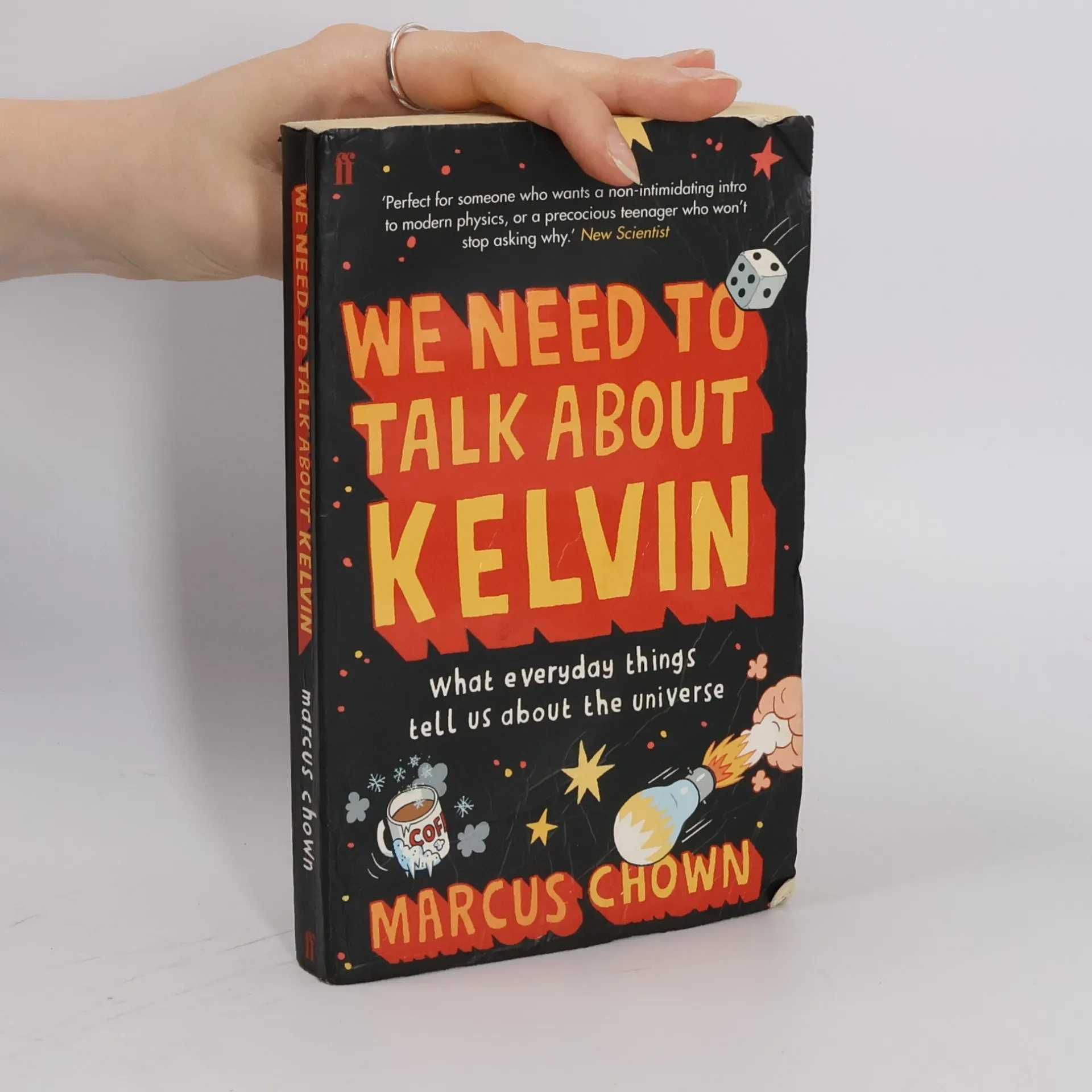
The two monumental achievements of modern physics, quantum theory and Einstein's general relativity, explain nearly everything about our world. For instance, did you know that the entire human population could fit into the volume of a sugar cube due to the vast empty space within matter? Or that aging occurs faster on higher floors of a building? Remarkably, 1% of the static on untuned TVs is a remnant of the Big Bang. These astonishing facts stem from quantum physics and relativity, which have made the modern world possible, leading to innovations like lasers, computers, and nuclear reactors, while also explaining natural phenomena like the sun's shine and the solidity of the ground. Despite their significance, these theories are often seen as fragmented and incomprehensible to the average person. However, author Marcus Chown challenges this notion, echoing Einstein's belief that the core ideas of science are fundamentally simple and can be communicated clearly. If you feel left behind by the wonders of modern physics, it's not too late. In Chown's skilled hands, the complexities of quantum physics and relativity become accessible and enjoyable. Prepare to be engaged as an experienced science communicator guides you through some of the most profound concepts in human thought.
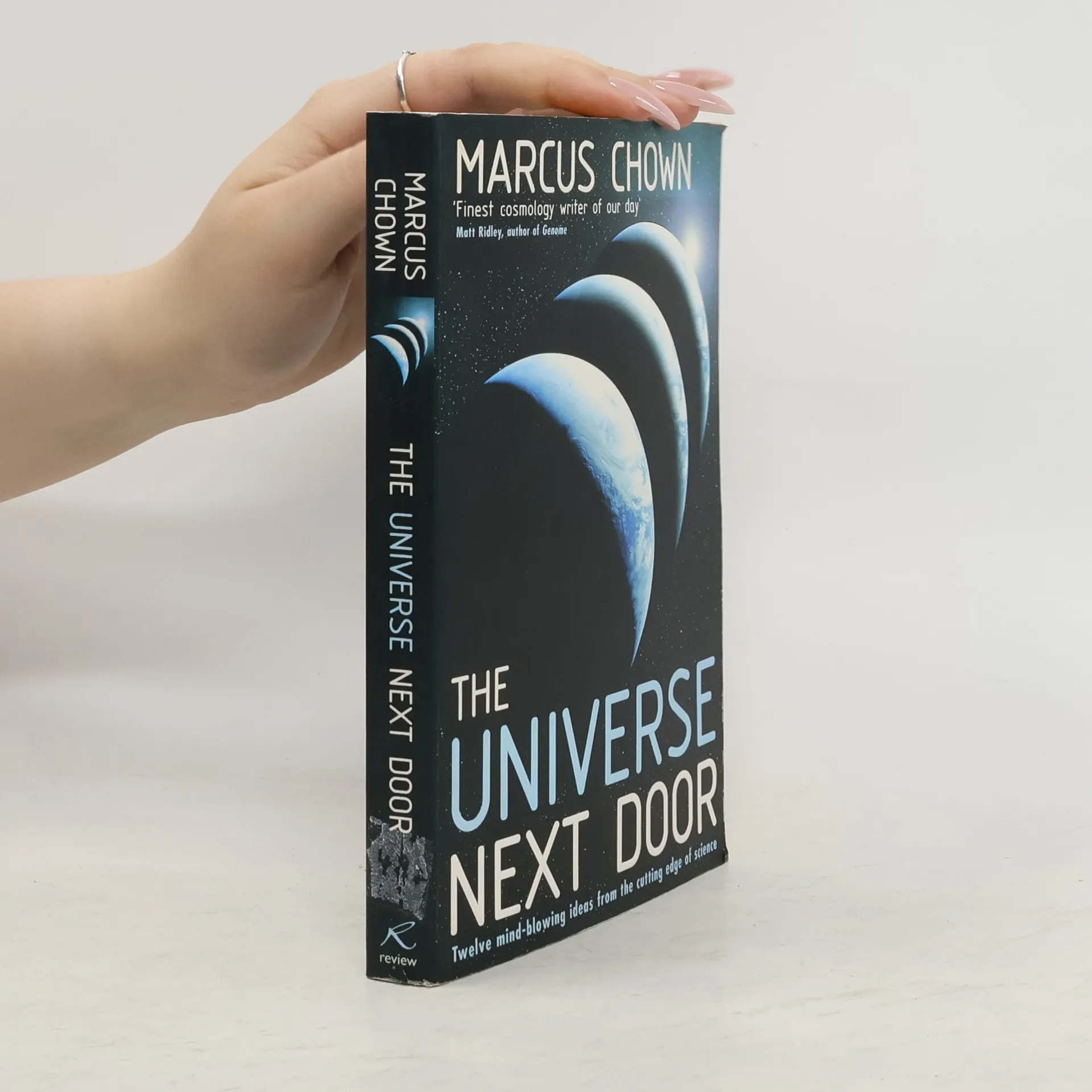
Can time run backwards? Can we live forever? Could our universe have been created as a DIY experiment by superior beings in another universe? These questions may sound crazy but they explore the limits of our current knowledge and highlight the key issues modern scientists are wrestling to understand. As Cosmology Consultant at the New Scientist, Marcus Chown often comes across ideas that leave his head spinning. In this hugely entertaining, accessible and mind-blowing book, he explores the ramifications of, as he puts it, science with the 'wow!' factor.
Marcus Chown's extraordinary account of how scientists unravelled the mystery of atoms, and helped to explain the dawn of life. It is one of the greatest detective stories in the history of science. In fact, it is two puzzles intertwined, for the stars contain the key to unlocking the secret of atoms, and the atoms the solution to the secret of stars.
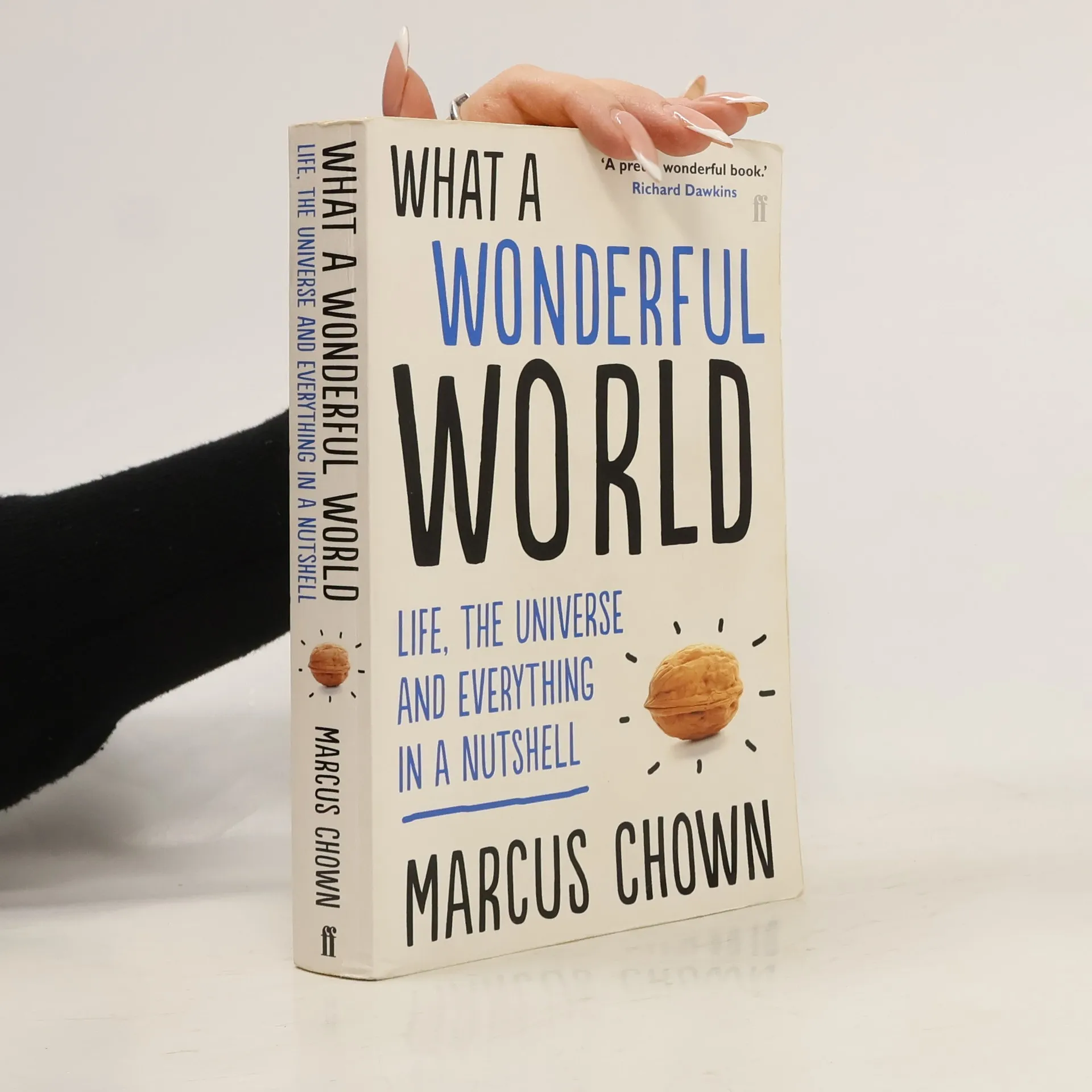
Why do we breathe? What is money? How does the brain work? Why did life invent sex? Does time really exist? How does capitalism work - or not, as the case may be? Where do mountains come from? How do computers work? How did humans get to dominate the Earth? Why is there something rather than nothing? In 'What a Wonderful World', Marcus Chown uses his vast scientific knowledge and deep understanding of extremely complex processes to answer simple questions about the workings of our everyday lives.
In Chown's most ambitious book to date he sets out to answer some of the most provocative questions of today:- Is Elvis alive and kicking in another space domain?- Will we ever find ET?- What's beyond the edge of the Universe?- Did aliens build the stars?- Can we live forever?
An introduction to cosmology instructs readers on how to recognize cosmic qualities in the everyday world, from the paradoxical size of atoms versus light waves to the ways in which television static reflects the origins of the universe.
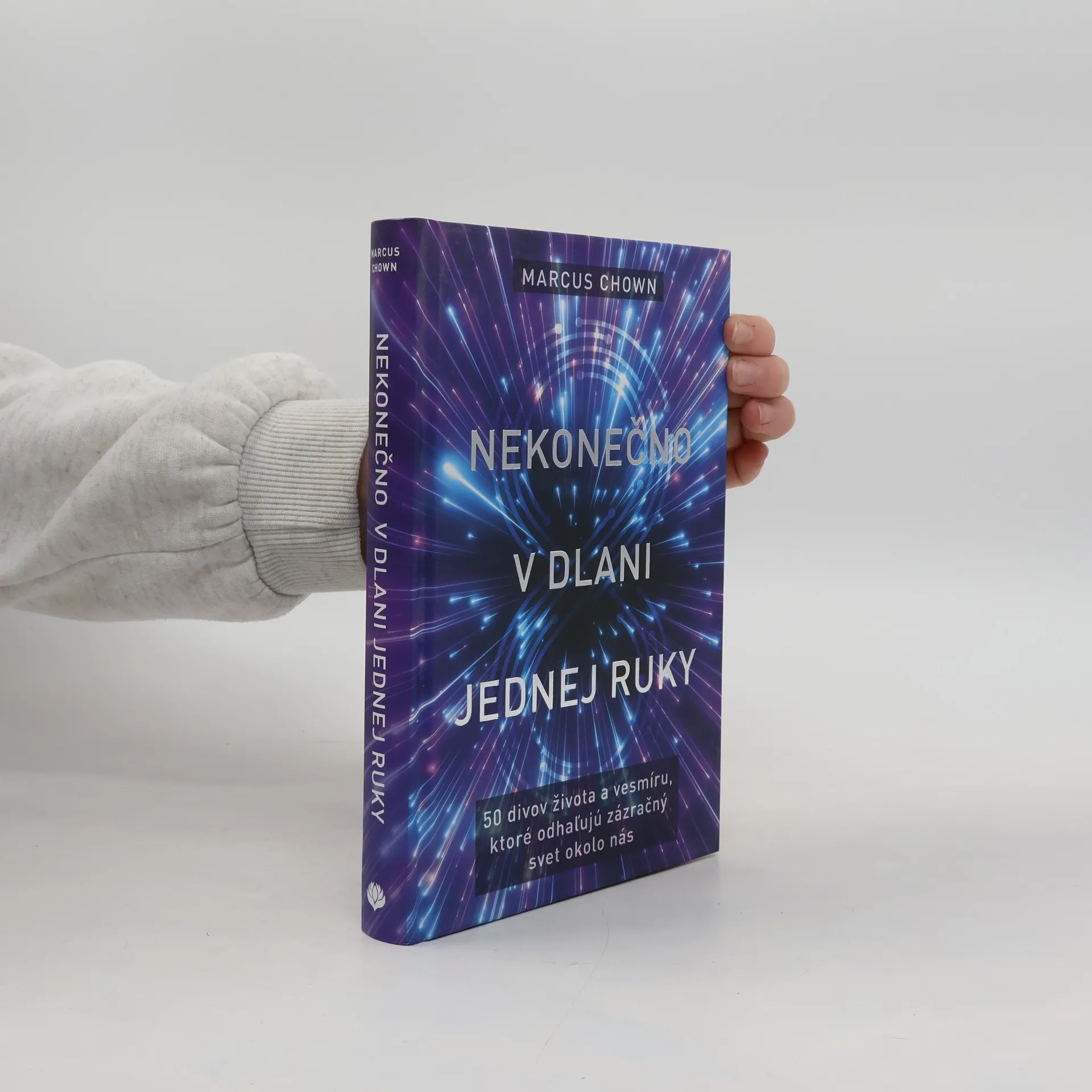
Je možné, že celé ľudstvo by sa mohlo vtesnať do priestoru veľkého ako kocka cukru? Mohla by explózia jediného komára vyhladiť život na Zemi? Čo všetko potrebujeme na zostrojenie stroja času?
Aj na tieto otázky odpovedá obľúbený britský spisovateľ a popularizátor vedy Marcus Chown vo svojej knihe. Predstavuje 50 nesmierne zaujímavých, niekedy priam úžas vzbudzujúcich vedeckých faktov z oblasti biológie, antropológie, astronómie či fyziky, ktorými chce poukázať na výnimočnosť sveta, v ktorom žijeme. Aj tie najodbornejšie poznatky pritom podáva veľmi jednoducho, s nadhľadom a vtipom, čím z knihy plnej faktov robí dobrodružný príbeh objavovania zázrakov Zeme a vesmíru.
Der Big Bang in 140 Zeichen Der englische Wissenschaftsjournalist Marcus Chown und der niederländische Wissenschaftsjournalist Govert Schilling haben sich 1998 auf einer Insel in der Karibik kennengelernt und dann wieder aus den Augen verloren. 2010 sind sie sich auf Twitter wieder begegnet. Da hatte Schilling schon angefangen, regelmäßig Kurzinfos zu einem astronomischen Stichwort zu twittern. Chown griff die Idee auf. Sie begannen einen Twitter-Dialog. Das Feedback der »Follower« war enthusiastisch. Auch wenn es für die Herren gelinde gesagt eine Herausforderung war, zum Beispiel so etwas wie den Big Bang in ein paar Tweets mit jeweils 140 Zeichen zu erklären. Entsprechend den 140 Zeichen pro Tweet ist das Ganze nach 140 Fragen geordnet, von: Warum ist der Himmel blau? bis: Was sind Gravitationswellen? Dazu gibt es 10 bis 15 Tweets mit Kurzinfos.