
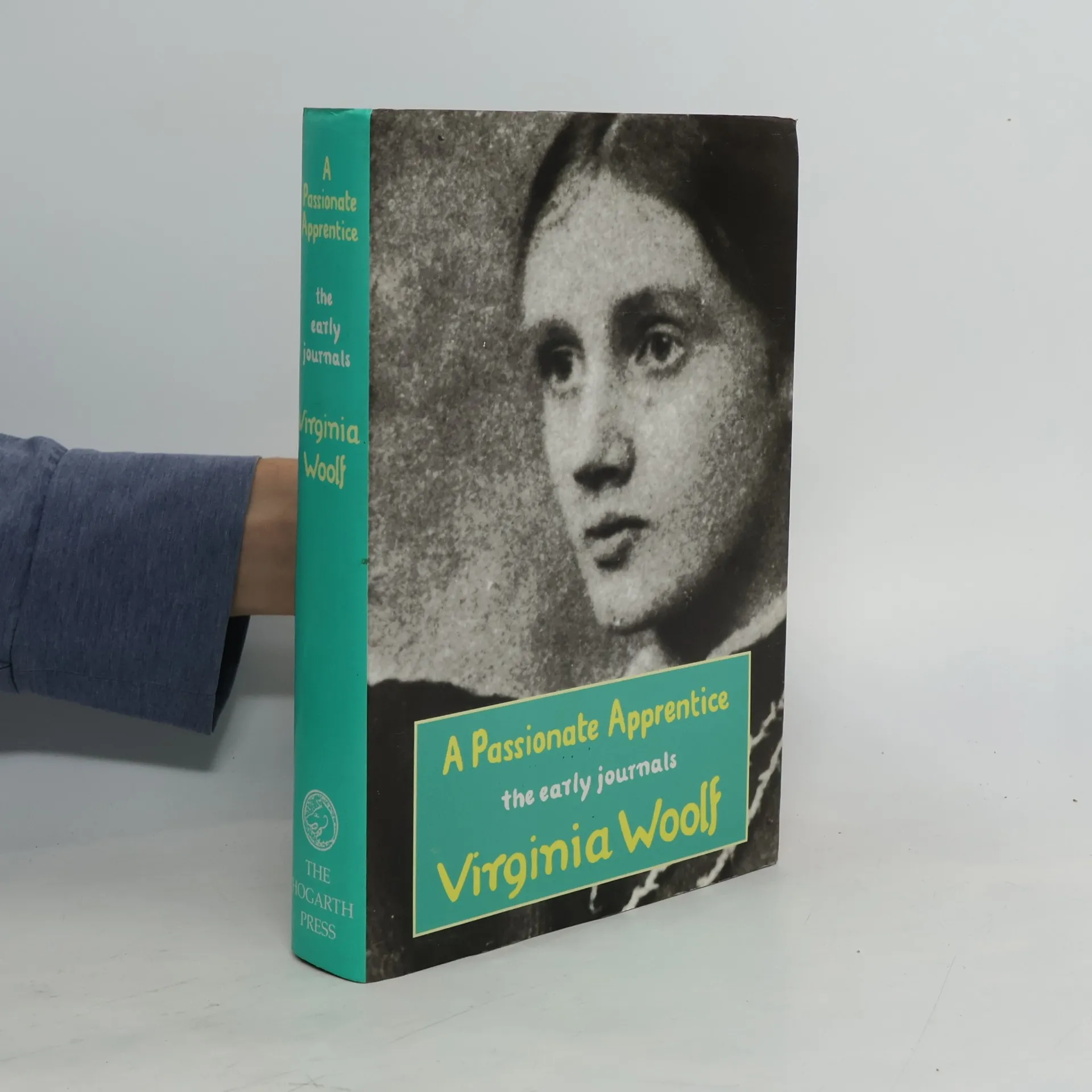
Covering the years 1897-1909, these journals complete the autobiographical sequence of Virginia Woolf's diary and letters and provide a picture of the circumstances in which she taught herself her craft. Many of the incidents of these years were to profoundly influence the rest of her life and were to become recurring themes in her novels: the death of her father, trips to Spain, Italy and Greece, and first encounters with those who were to form the Bloomsbury group.
David Bradshaw Kolejność książek (chronologicznie)


Doors of Perception
- 144 strony
- 6 godzin czytania
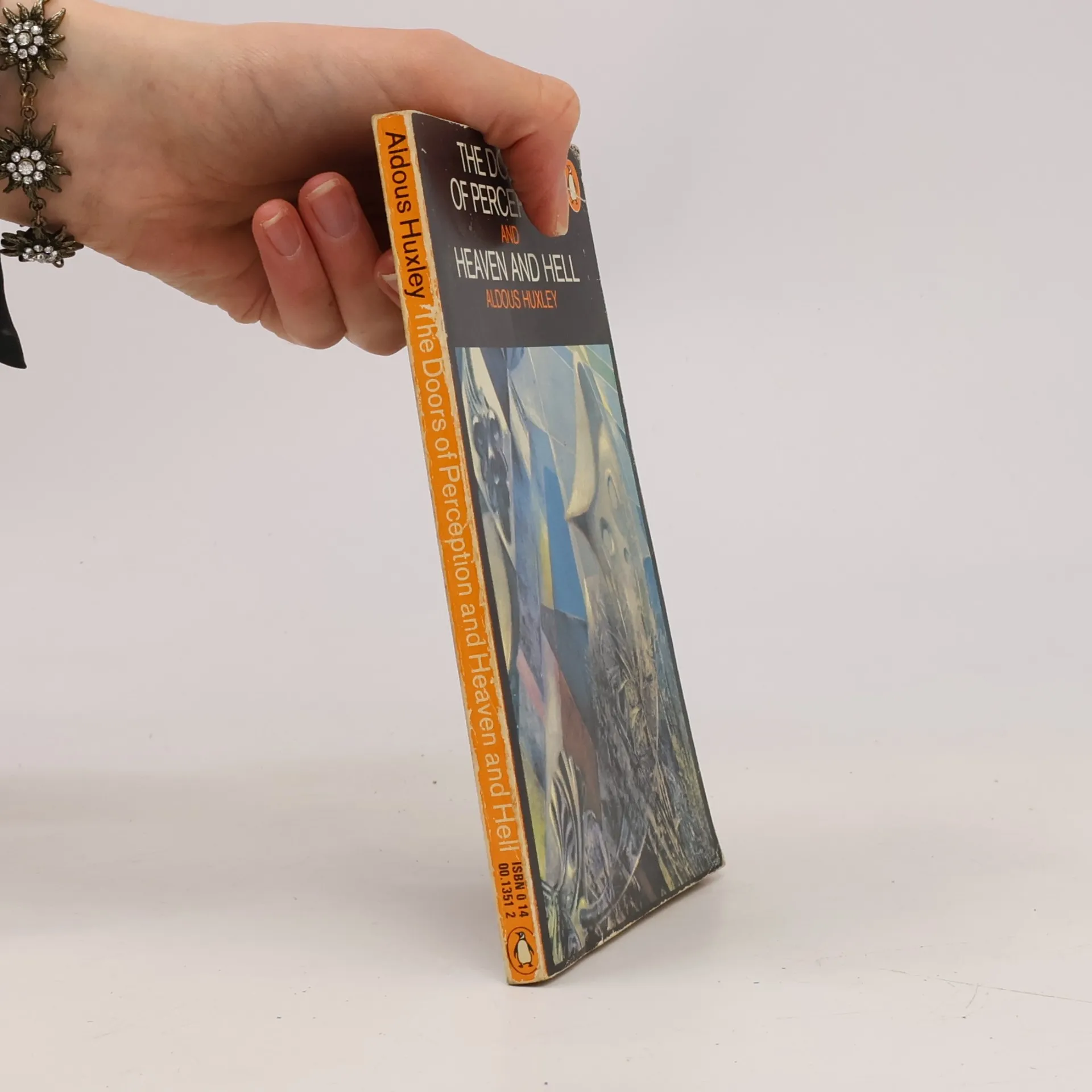
As only he can, Aldous Huxley explores the mind's remote frontiers and the unmapped areas of human consciousness. These two astounding essays are among the most profound studies of the effects of mind-expanding drugs written in this century. Contains the complete texts of The Doors of Perception and Heaven and Hell , both of which became essential for the counterculture during the 1960s and influenced a generation's perception of life.
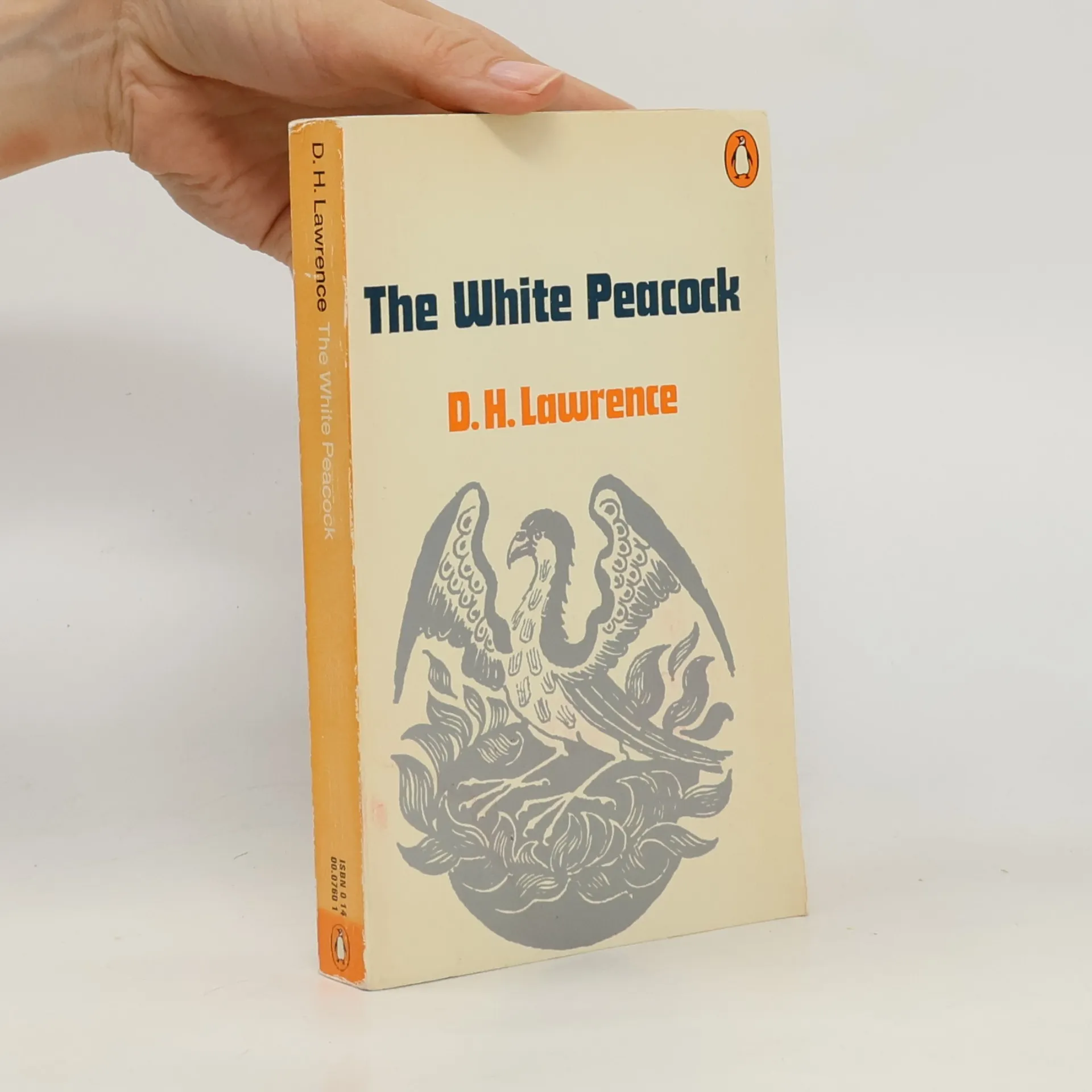
The White Peacock, narrated by Cyril Beardsall, explores the complexities of love and marriage in Nethermere. His sister Laetitia is torn between two suitors, George and Leslie, ultimately choosing Leslie. Both marriages lead to unhappiness, highlighting the themes of mismatched unions and the tension between urban and rural life.
Studies in Social, Political, and Legal Philosophy: Same Sex
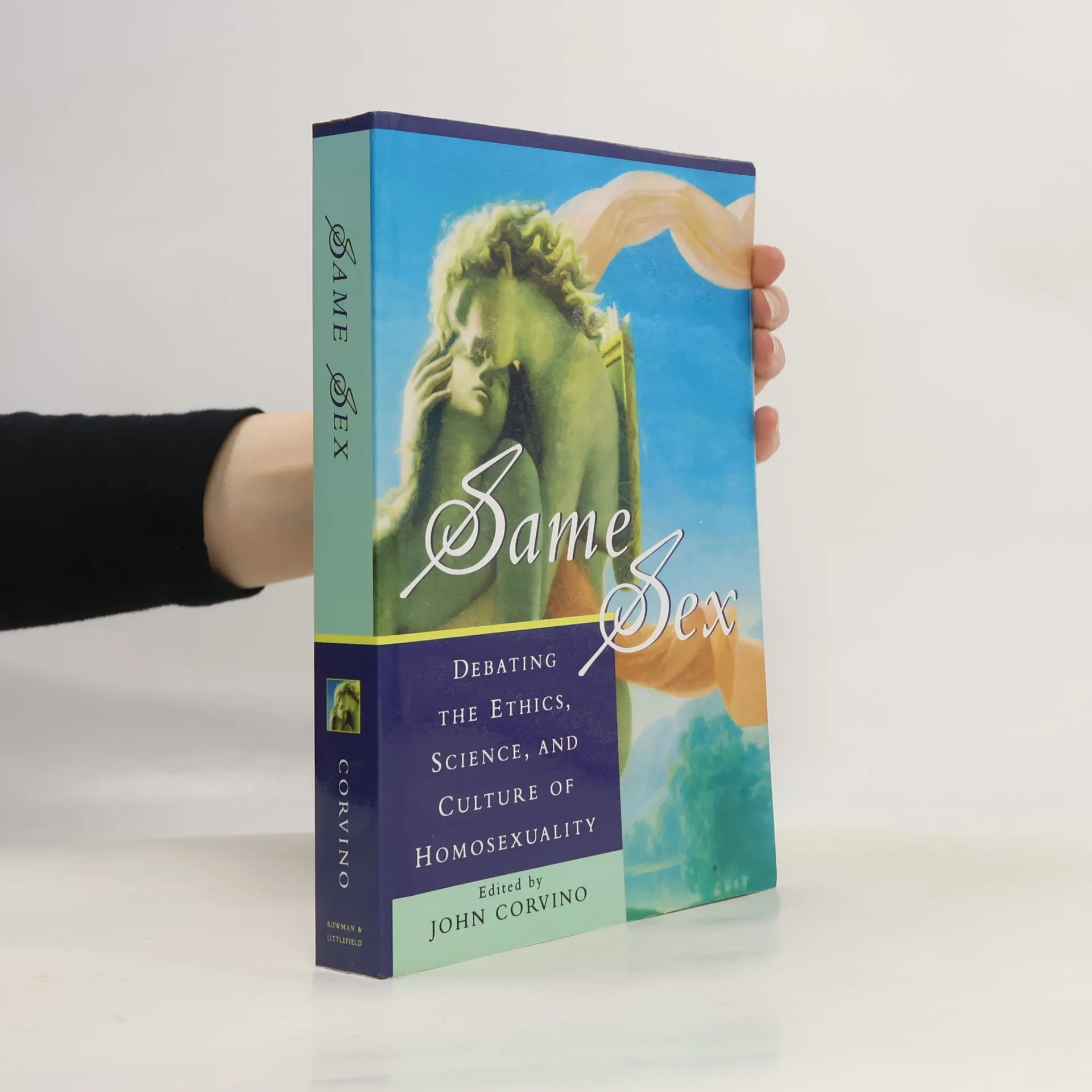
Debating the Ethics, Science, and Culture of Homosexuality
- 422 strony
- 15 godzin czytania
...attempts to substitute reason and scholarship for diatribe.―The Washington Post Are gay rights equal rights or special rights? Is homosexuality immoral? While contributors to Same Sex, including the late John Boswell, David M. Halperin, and George Chauncey, often clash in opinion, they share a fundamental commintment to careful, rational discussion. Essential reading for anyone looking towards a better understanding of gays, lesbians, and the issues that surround them.
Nowy wspaniały świat
- 254 strony
- 9 godzin czytania
Przedstawiona w powieści Huxleya wizja przyszłego społeczeństwa, które osiągnęło stan całkowitego zorganizowania i zrealizowało ideał powszechnej szczęśliwości, jest wizją przerażającą. W roku 2541 (czyli w 632 roku nowej "ery Forda") obywatele Republiki Świata powstają w rezultacie sztucznego zapłodnienia i klonowania. Od niemowlęcia poddawani są wszechstronnemu psychologicznemu i biologicznemu warunkowaniu po to, by w wieku dojrzałym stać się cząstkami kastowej społeczności, złożonej z pozbawionych wyższych uczuć ludzkich automatów. Czy ten "wspaniały świat", w którym dominuje seks, prymitywne rozrywki, narkotyk soma, jest tylko zrodzoną w wyobraźni pisarza fantasmagorią?