Klasyka literatury w nowej edycji to znakomity pretekst, by powrócić do dzieł
wybitnych i ważnych – przypomnieć je sobie, przeżyć i zinterpretować na nowo
lub odkryć, czytając po raz pierwszy. Seria obejmuje arcydzieła polskiej i
światowej literatury pięknej – utwory, które mimo upływu lat wciąż zachwycają,
intrygują, wzruszają i skłaniają do refleksji.
Bracia Karamazow to ostatnia i najdojrzalsza powieść Fiodora Dostojewskiego. Opowiada dzieje czterech braci, których łączy tragedia: zabójstwo ojca. Każdy z nich, obciążony własnymi winami, kierowany emocjami i pożądaniem, na swój sposób usiłuje odnaleźć miejsce w mrocznej mozaice rodziny Karamazowów. Powieść rosyjskiego mistrza jest uznawana za jedno z największych dzieł w historii literatury. Obok wątków obyczajowych porusza fundamentalne problemy, z którymi zmaga się ludzkość: pytanie o istnienie Boga w racjonalnym świecie, trwałość wartości w obliczu zmian i nieświadome krążenie człowieka między złem i pokutą. Nowy kongenialny przekład Adama Pomorskiego wraz z komentarzami i posłowiem pozwala polskiemu czytelnikowi w pełni rozsmakować się w rozległej panoramie powieści.
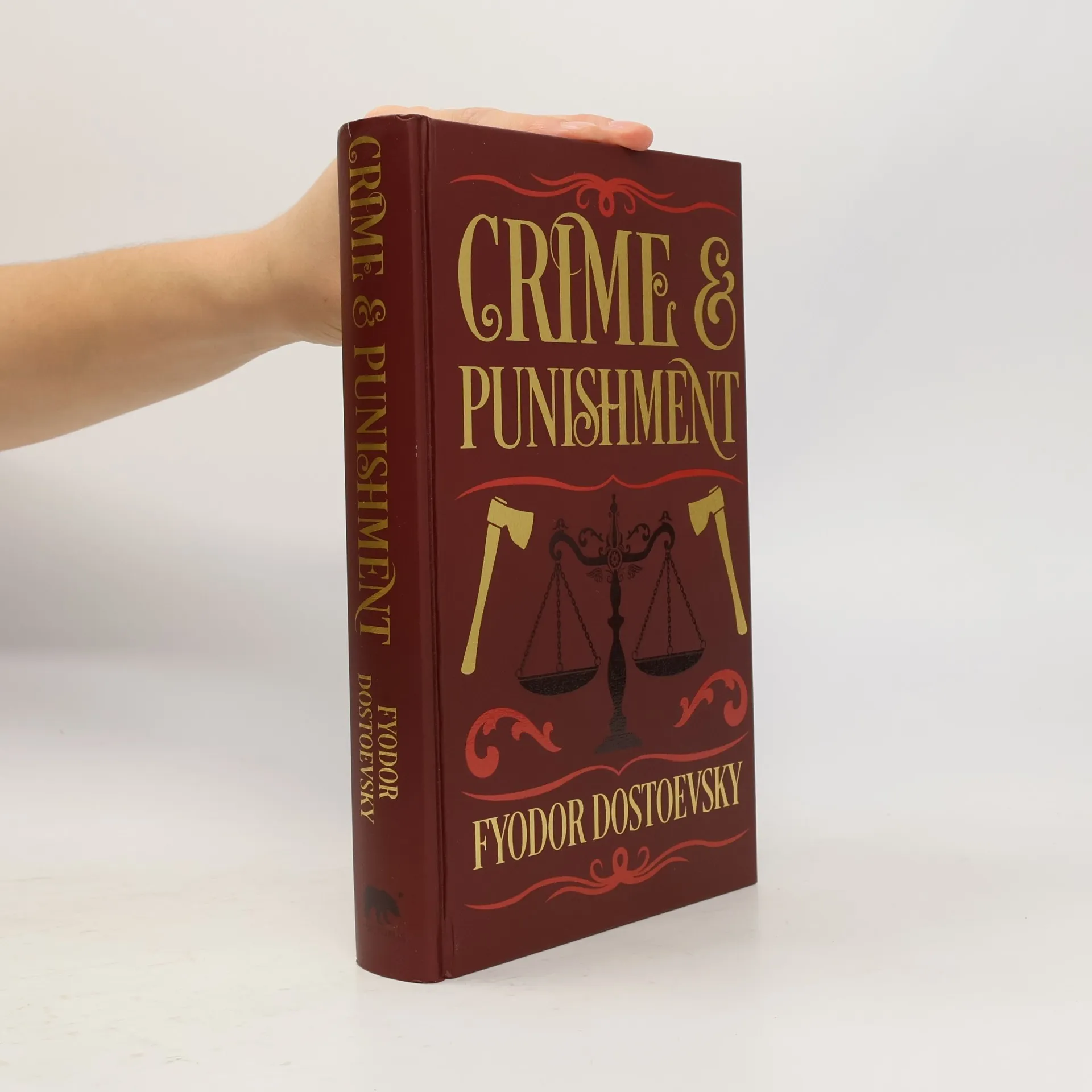
This classic Russian novel has it all: murder, suspense, passion, struggle, and redemption. Originally published in 1866, Crime and Punishment is a psychological thriller that deals with issues of morality, conscience, and redemption. Widely considered to be one of the greatest novels written in any language, this novel explores the life of Rodin Raskolnikov, a young Russian man who robs and murders a pawnbroker to save himself from a life of poverty. As a consequence, he must deal with the oppressive mental anguish of being a criminal while attempting to maintain relationships with his friends and family.
Pozycja zaliczana do powieści sentymentalnych w dorobku pisarza. W utworach
tych autor nie wzdraga się przed obnażaniem jasnych i ciemnych (tych jest
więcej) stron z życia marginesów społecznych Petersburga. Znamienne jest to,
że zło i zgnilizna moralna dominują nad dobrem. Dominują naturalnie w sensie
ilościowym, bo przewagę moralną Dostojewski daje dobru. Skrzywdzeni i poniżeni
to przede wszystkim powieść o przebaczeniu. Dokładniej mówiąc, o przebaczeniu
przez ojca córce, ale i na odwrót. Narrator, Iwan Piotrowicz, to młody pisarz
ledwo wiążący koniec z końcem. Nosi on wyraźne cechy samego Dostojewskiego.
Nasz narrator jest postacią jednoznacznie pozytywną, altruistyczną i
praktycznie pozbawioną wad. Wyidealizowany i poczciwy Wania w żadnym wypadku
nie drażni. Po prostu pozwala nam spokojnie myśleć o całej reszcie, co zresztą
i on sam robi. Iwan pomaga bowiem Natalii Nikołajewnej, która uciekła z
rodzinnego domu, by zamieszkać z ukochanym Alioszą… Powyższy opis pochodzi od
wydawcy.
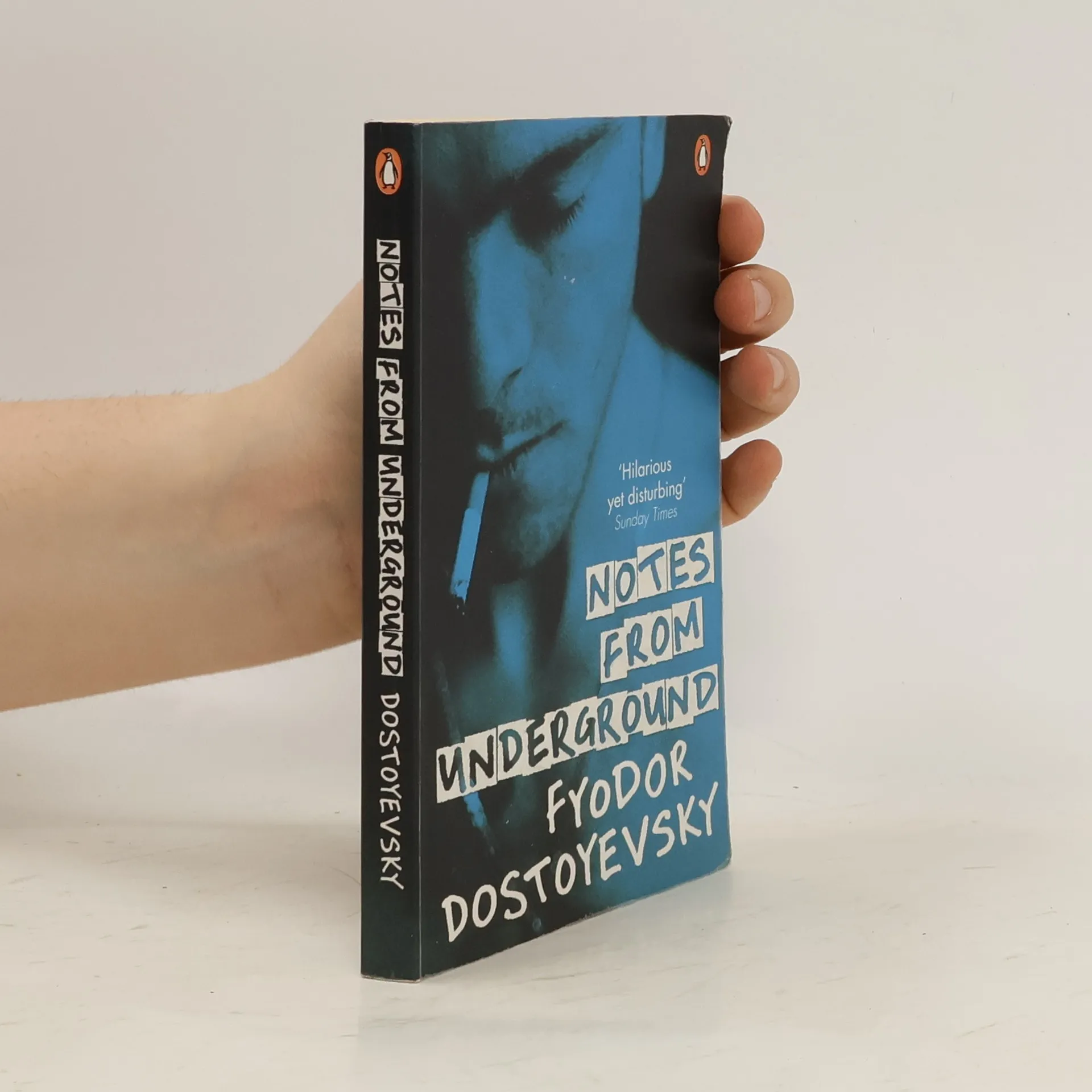
How far would you go to escape the real world? The underground man had always felt like an outsider. He doesn't want to be like other people, working in the 'ant-hill' of society. So he decides to withdraw from the world, scrawling a series of darkly sarcastic notes about the torment he is suffering. Angry and alienated, his only comfort is the humiliation of others. Is he going mad? Or is it the world around him that's insane?
Oto powieść, z utworów Dostojewskiego kto wie czy nie największa, na pewno zaś
najgłębiej badająca mroczne tajniki duszy, a zarazem wzywająca do wytrwania w
poszukiwaniu
Man is sometimes extraordinarily, passionately, in love with suffering...
205 stron
8 godzin czytania
Fyodor Dostoyevsky was born on November 11, 1821, and was introduced to literature early in life, with his mother teaching him to read and write using the Bible. His literary immersion was profound, fueled by his parents' nightly readings. Tragedy struck in 1837 when his mother died of tuberculosis, and he and his brother were enrolled at the Nikolayev Military Engineering Institute, where Dostoyevsky found little interest in military studies, preferring drawing and architecture. His father's death in 1839 may have triggered his epilepsy, yet he persevered, eventually becoming an engineer cadet. His first completed work, a translation of Balzac's "Eugénie Grandet," was published in 1843 but failed commercially. He then wrote "Poor Folk," which was a success, followed by "The Double," which received poor reviews and exacerbated his health issues. Involved in socialist circles, Dostoyevsky faced arrest in 1849 for distributing banned works, leading to a death sentence commuted to four years of hard labor in Siberia. His prison experiences inspired "The House of the Dead," published in 1861. He later completed "The Gambler" in just 26 days. Despite continued health decline, including a diagnosis of pulmonary emphysema, he published "Demons" in 1873. Dostoyevsky died on February 9, 1881, after suffering multiple pulmonary hemorrhages.
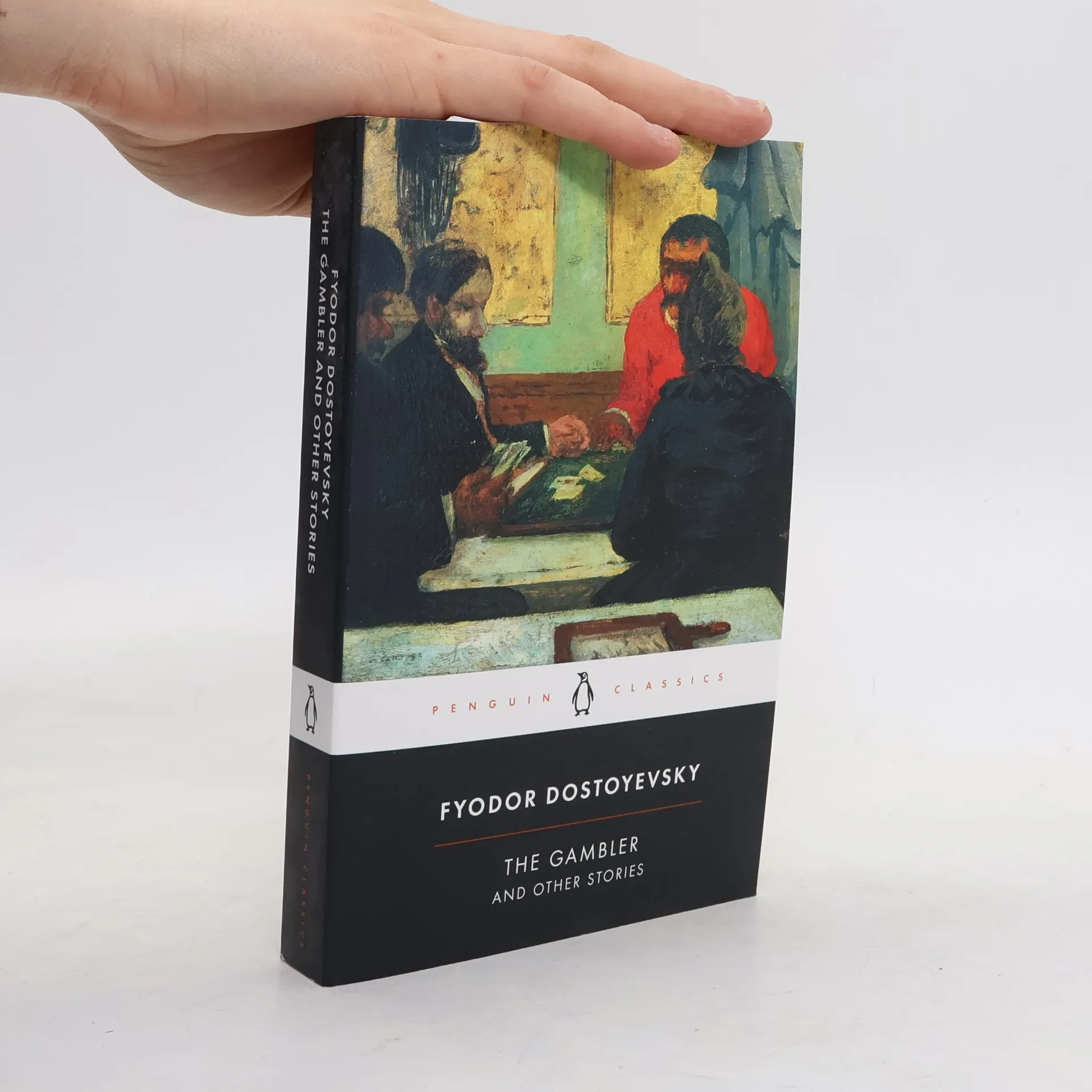
A collection of one novella and six short stories - The Gambler, Bobok, The
Dream of a Ridiculous Man, A Christmas Party and a Wedding, A Nasty Story and
The Meek One.
Pomysł napisania "Anny Kareniny" powziął Tołstoj w r. 1870, dopiero jednak w marcu 1873 r. rozpoczął pracę nad powieścią. W początku 1874 r. Tołstoj oddał do druku pierwsze pięć arkuszy. Druk został jednak przerwany. Tołstoj znacznie rozwinął i pogłębił swój pierwotny pomysł. "Anna Karenina" stała się wielką powieścią ukazującą losy bohaterów na tle życia rosyjskiego i stosunków społecznych Rosji w latach 1870-75. W wydaniu książkowym powieść w całości po raz pierwszy ukazała się w r. 1878. W Polsce pierwszą wzmiankę o "Annie Kareninie" znajdujemy w r. 1876 w "Dzienniku Warszawskim" wydawanym przez carskie władze zaborcze.
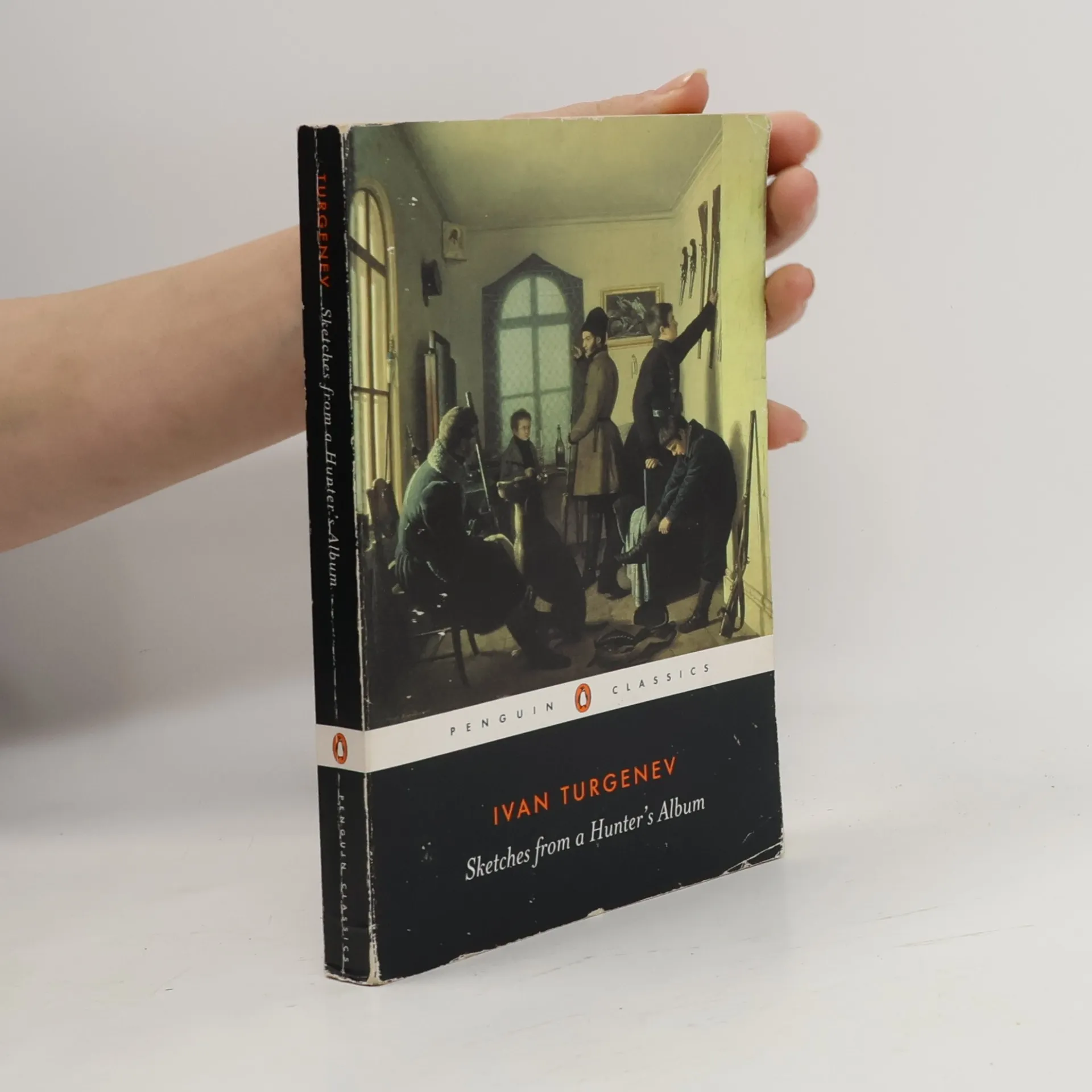
First published in 1852, Sketches from a Hunter's Album is a loose series of
lyrical stories of rural life under serfdom. This expanded edition includes
all Turgenev's other short stories.
W duszy bohaterów Dostojewskiego zawsze toczy się walka pomiędzy dobrem a
złem, ale zenit osiąga ona właśnie w duszy głównego bohatera tej powieści,
dziewiętnastoletniego Arkadiusza Wiersiłowa. Znajduje się on w
okolicznościach, które czynią problem wyboru możliwym i nieuniknionym.
Możliwość zawiera się w jego młodości, nieukończeniu procesu kształtowania
osobowości. Nieuniknioność zawiera się w stanie już zaczętego rozpadu jego
osobowości, moralnego i psychicznego. Pisarz pokazuje, jak formuje się ona
przez chciwość, żądzę zysku i rozpustę. W dodatku młokos to młody chłopak,
który kocha swego ojca, ale do końca nie potrafi odpowiedzieć na pytanie, czy
jest on bohaterem, czy łajdakiem.
Wieczny mąż, podobnie jak inne utwory Dostojewskiego, zbudowany jest na
charakterystycznych dla prozy rosyjskiego pisarza „przeklętych problemach”.
Wiarołomstwo, żądza zemsty, topienie własnych lęków i rozpaczy w alkoholu,
psychologiczny sadyzm i masochizm – oto, co dręczy jego bohaterów. Dostojewski
ukazuje ich w całym wewnętrznym skomplikowaniu, jako jednostki głęboko
nieszczęśliwe, napiętnowane poczuciem klęski i winy.
The Insulted & Injured, published soon after Dostoevsky's political imprisonment, clearly foreshadows his later preoccupation with unconscious psychological drives & their external effects on the lives of his characters. Where his later works carry these drives to inevitably dramatic conclusions, The Insulted & Injured confines them within the smaller boundaries of everyday event. In this story the impulse toward self-abnegation in love, which appears so markedly in both Vanya & Natasha, isn't itself enough to direct their lives; instead, it combines with their social world & the mundane ambitions of Prince Valkovsky to defeat their hope of happiness. Of all the characters in the novel, only Natasha's lover, the Prince's son Alyosha-the person least driven to mold life to his own terms-emerges untouched. Here are, to a greater extent than in Dostoevsky's more familiar works, flesh-&-blood people as we see them around every day. They are made up of both good & evil, of will & acceptance. Unfailingly they command interest & illuminate understanding.
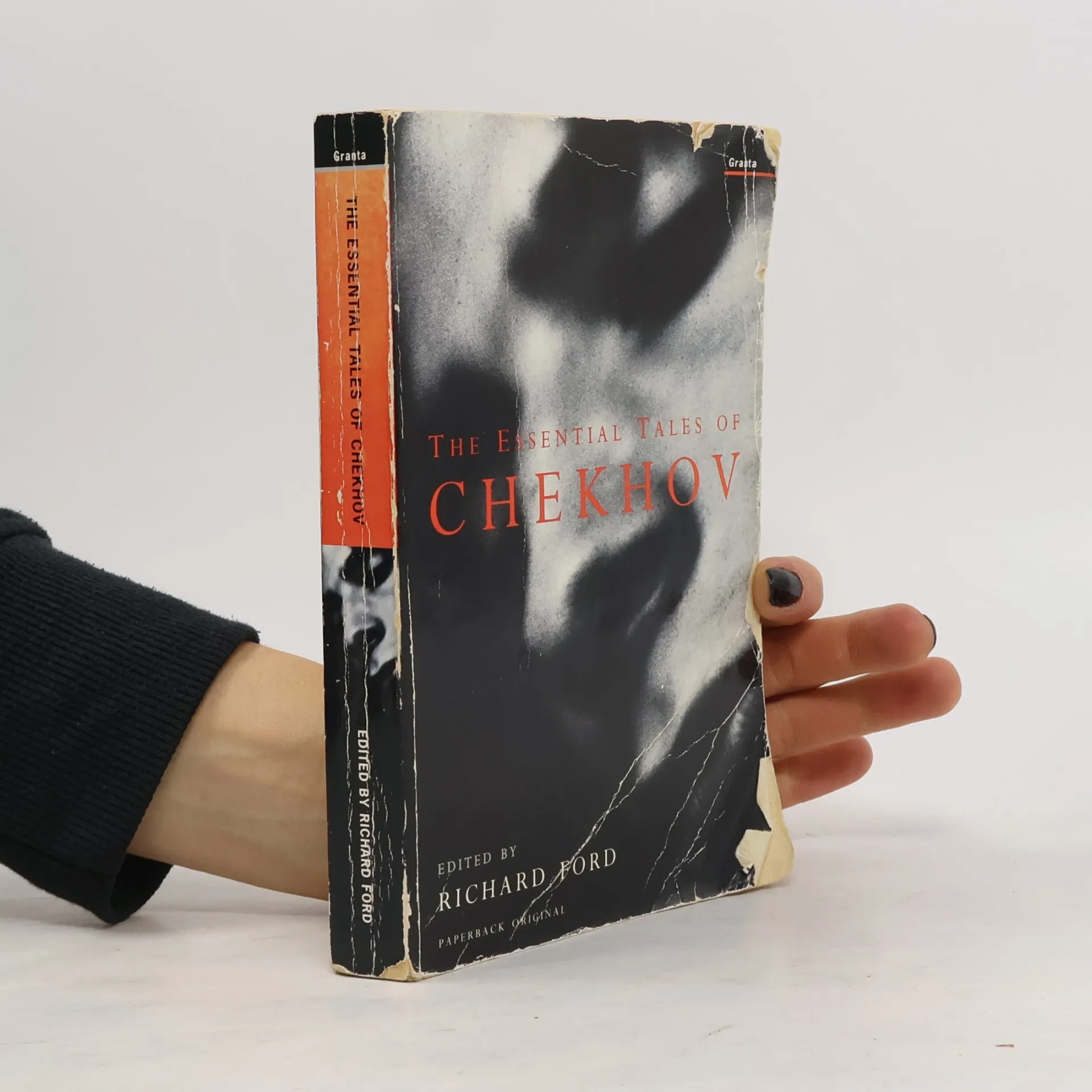
In this collection of 20 short stories, the editor Richard Ford has selected his personal favourites of Chekhov's work. Includes are The Kiss, The Darling, as well as lesser known tales such as A Blunder, Hush and Champagne.
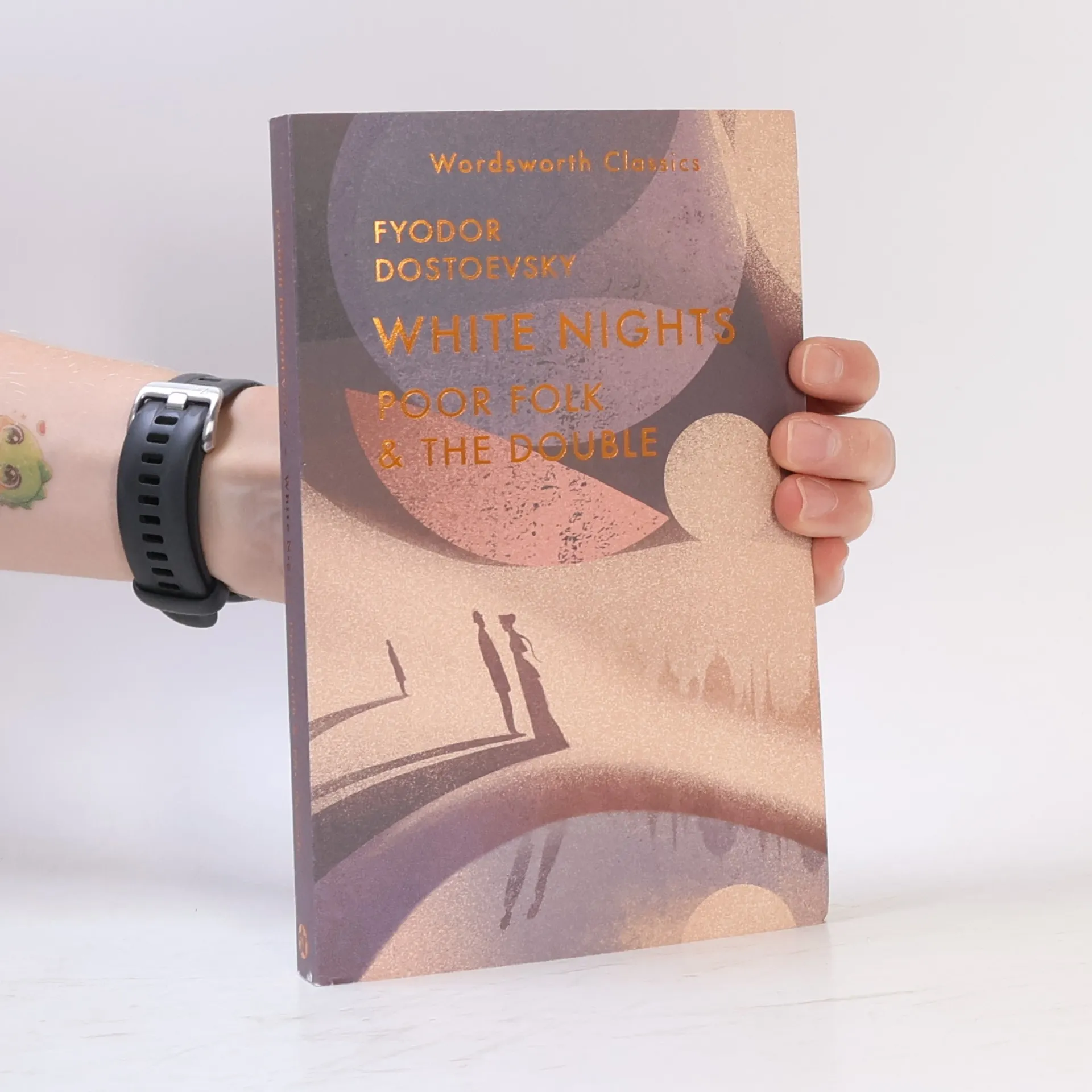
'White Nights' is one of Dostoevsky's earlier short stories but one of his most enduringly popular. It tells the story of four nights in the life of the lonely narrator, who meets and falls in love with the mysterious and beautiful Nastenka. Poor Folkwas Dostoevsky's first novel, written to try and alleviate his financial plight, and was a commercial success. It tells the story of Makar Devushkin, a clerk, and Varvara Dobroselova, a seamstress, by means of the letters they exchange; they are in love, but too poor to marry. Its exploration of humanitarian themes led to it being described as Russia's first 'social novel'. By contrast, Dostoevsky's second novel, The Doublewas not well received. First published in 1846, it was revised and republished by Dostoevsky in 1866, but he did not consider it a success. By contrast, Vladimir Nabokov called it 'the best thing he ever wrote' and described it as 'a perfect work of art'.
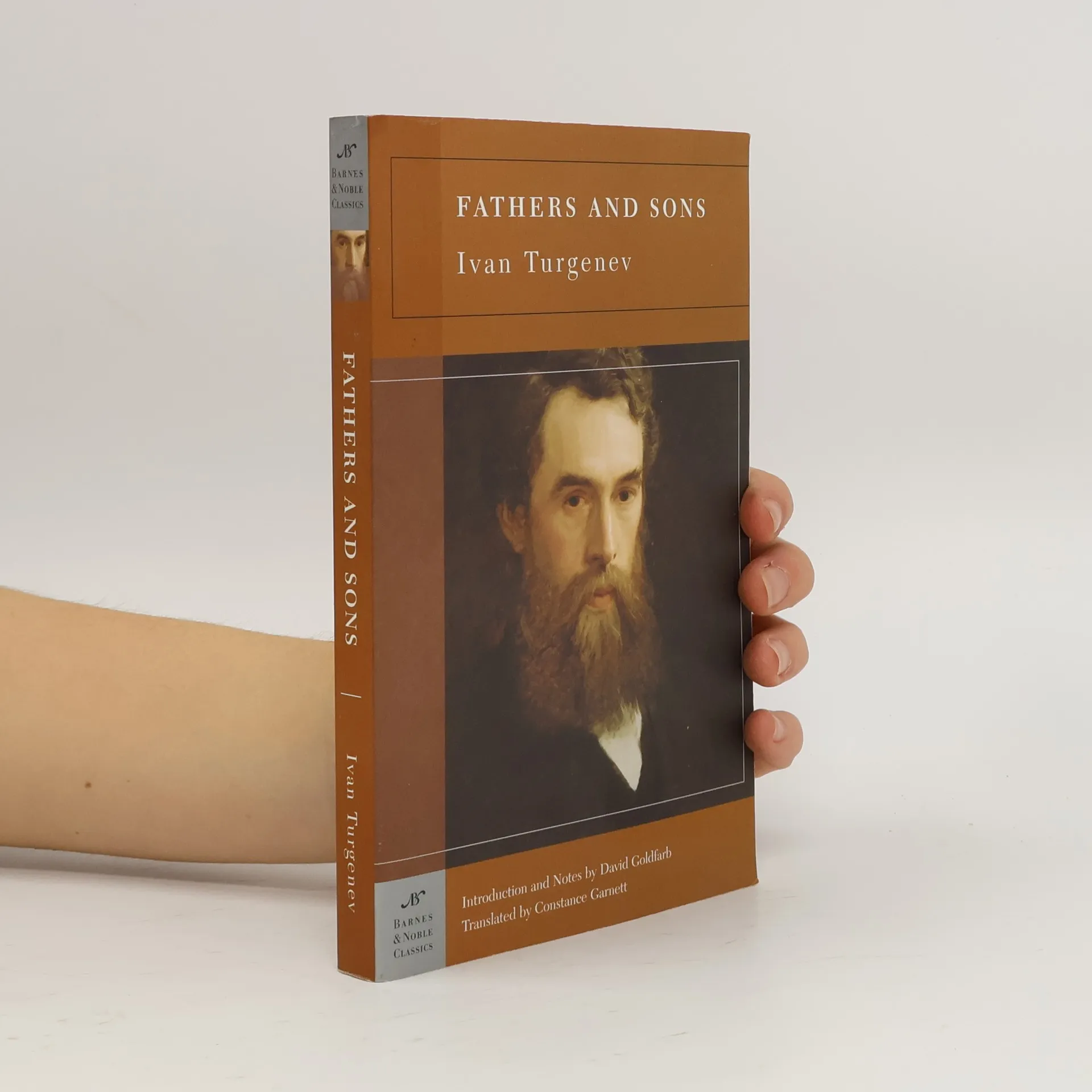
Youth rebels. It was true in Russia in 1862 when Fathers & Sons appeared. At its center stands Evgeny Bazarov, medical student, doctor's son & nihilist. Bazarov rejects authority, all so-called truths based on faith rather than science & experience. His ideas bring him into conflict with his best friend, recent graduate Arkady Kirsanov, with Arkady's family, with his own parents & eventually with his emotions when he falls in love with the beautiful Madame Odintsova.