Alceste abhors hypocrisy and the well-rehearsed, sycophantic pleasantries of
the chattering classes. But having savaged Covington - a theatre critic who
thinks he can write plays - Alceste goes on to attack Jennifer, the woman he
really loves. What if his determination to tell the truth proves more
destructive than their instinct to avoid it?
Skąpiec jest prozatorską komedią w pięciu aktach francuskiego dramaturga
Moliera, należącą do kanonu literatury barokowej. Utwór prezentuje gatunek
komedii charakterów. Jej główny bohater, Harpagon, jest typem karykaturalnego
chytrusa, kierującego się w swoim postępowaniu wyłącznie pazernością i
szukaniem korzyści materialnych. Bogaty, nielojalny i nieufny wobec
wszystkich, nie wyłączając własnych dzieci, ma trzy obsesje: lichwę, wydanie
swojej córki za mąż za bogatego wdowca i zapewnienie bezpieczeństwa ukrytej
szkatule złota. Sztuka ukazuje z przymrużeniem oka, w jaki sposób namiętność
do bogactwa przemienia i oddala od szczęścia zarówno głównego bohatera, jak i
całe jego otoczenie. W dzisiejszym goniącym za pieniądzem świecie śmiejemy się
z komedii Moliera przez łzy. Nigdy molierowska denuncjacja chytrości jako zła
nie była równie aktualna i potrzebna. Pierwsza inscenizacja Skąpca miała
miejsce w 1668 roku w Paryżu z Molierem w roli Harpagona. Od tego czasu,
sztuka doczekała się licznych przedstawień teatralnych, także w Polsce.
Lektura dla klasy VIII i szkół średnich
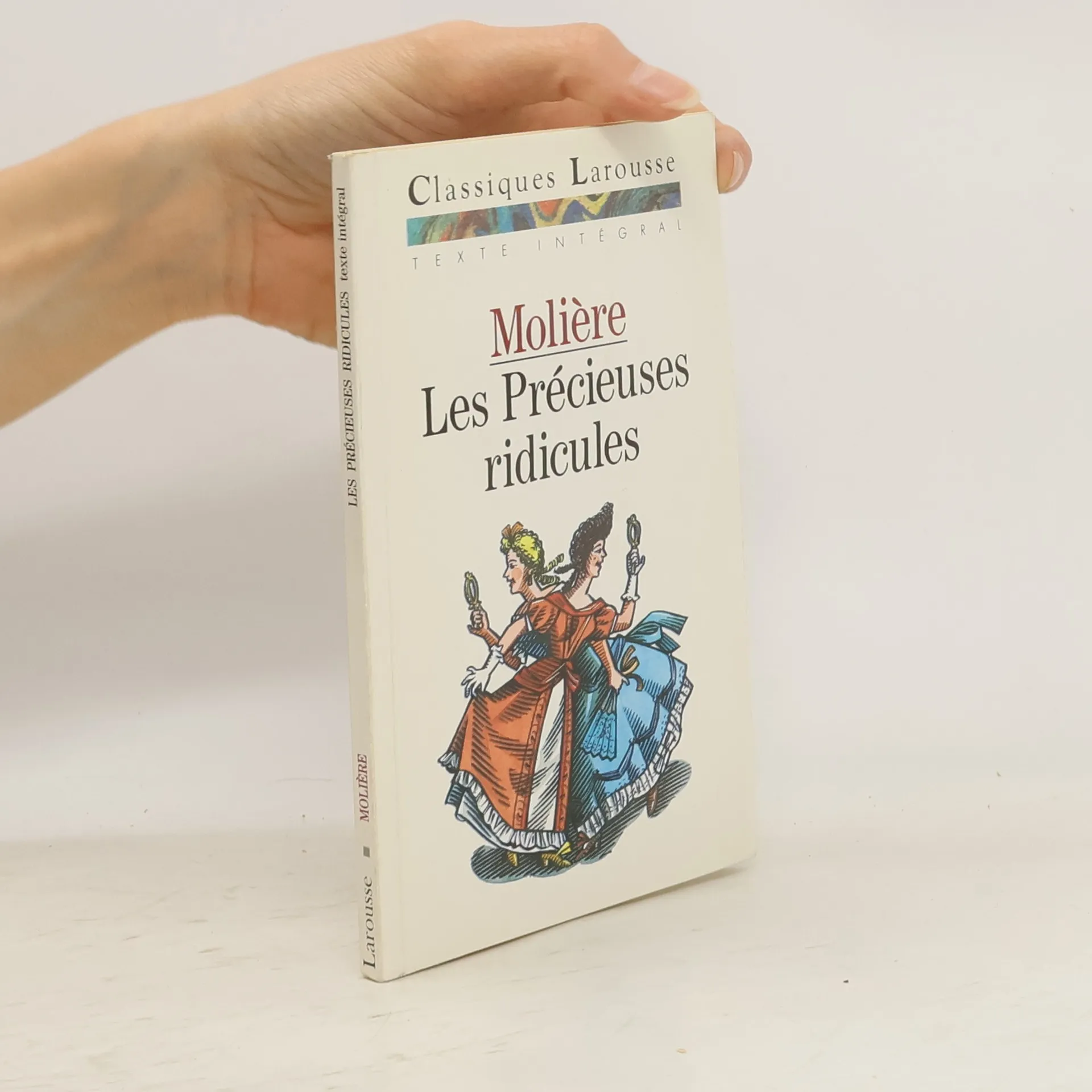
In "Les Précieuses Ridicules," Molière presents a satirical portrait of the morals of his time through the story of two young women, Angélique and Cathérine, who aspire to an ideal of refinement and distinction. They are seduced by ridiculous suitors, illustrating the pitfalls of pretension and illusion. The play explores themes such as love, marriage, and social critique, using humor and farce to denounce the excesses of society. Molière, with his incisive style, manages to provoke laughter while encouraging reflection on the norms and values of his era. "Les Précieuses Ridicules" remains an emblematic work of classical theater, offering a relevant analysis of human relationships and social conventions.