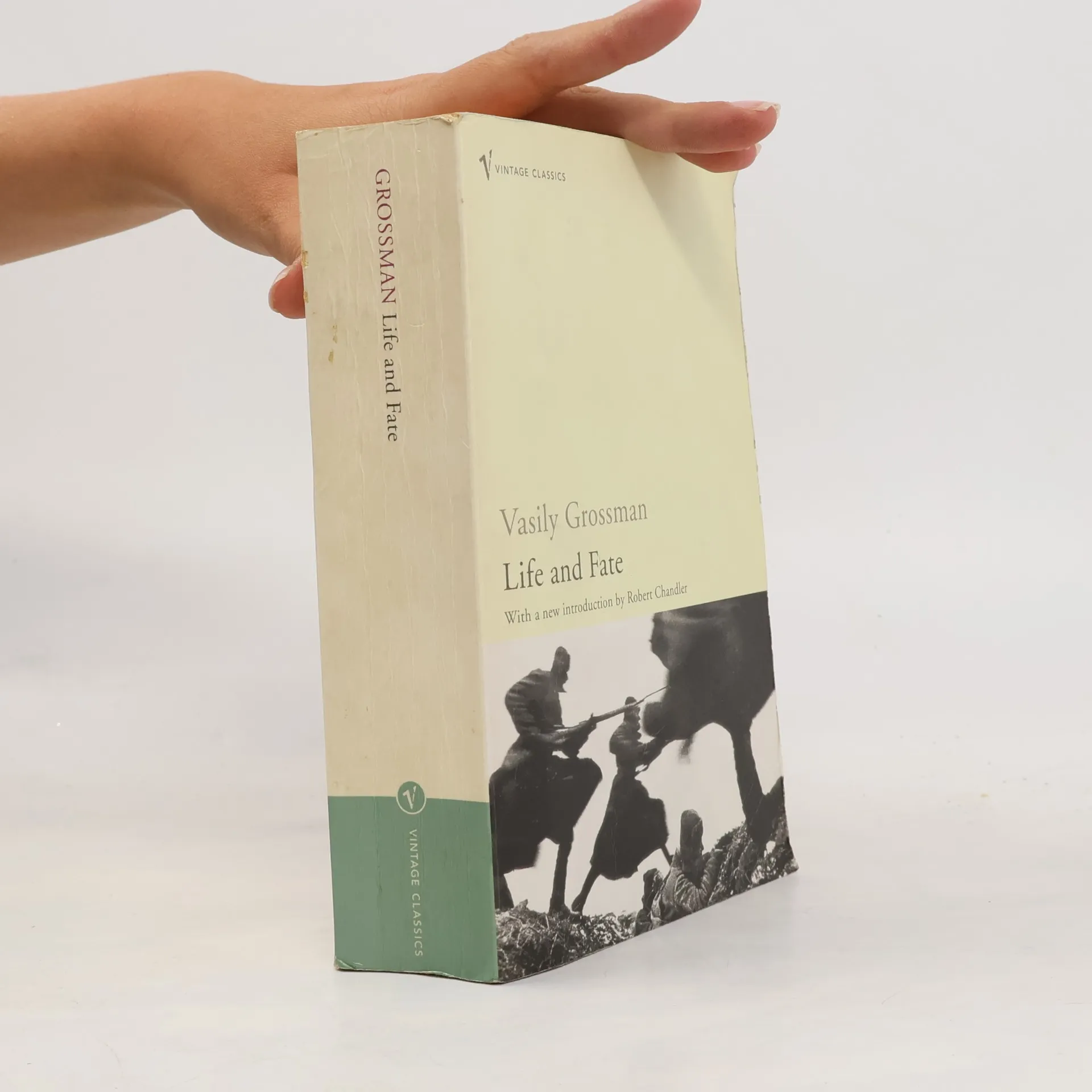
Completed in the late 1950s by its distinguished Russian author, this novel has been recognized as fiction on an epic scale: powerful, deeply moving, and devastating in its depiction of a world mutilated by war and ideological tyranny.
One of Pushkin’s most thrilling prose works, Dubrovsky follows the adventures of an aristocrat-turned-brigand and his audacious scheme for revenge. It is published here with the short story Egyptian Nights. Dubrovsky is the son of a landowner whose property has been confiscated by a corrupt and malicious general. After his father dies, and his faithful servants burn his ancestral home to the ground, Dubrovsky turns to crime. But to achieve his ultimate aim of avenging his father, he must resort to subtler means than banditry. Masquerading as a French tutor, he enters the General’s house and sets about beguiling his daughter. Asking hard questions of our faith in social institutions, in particular the law, Dubrovsky displays the considerable storytelling skill of Russia’s greatest poet. Alexander Pushkin wrote lyric and narrative poems, but his masterwork is the verse novel Eugene Onegin.
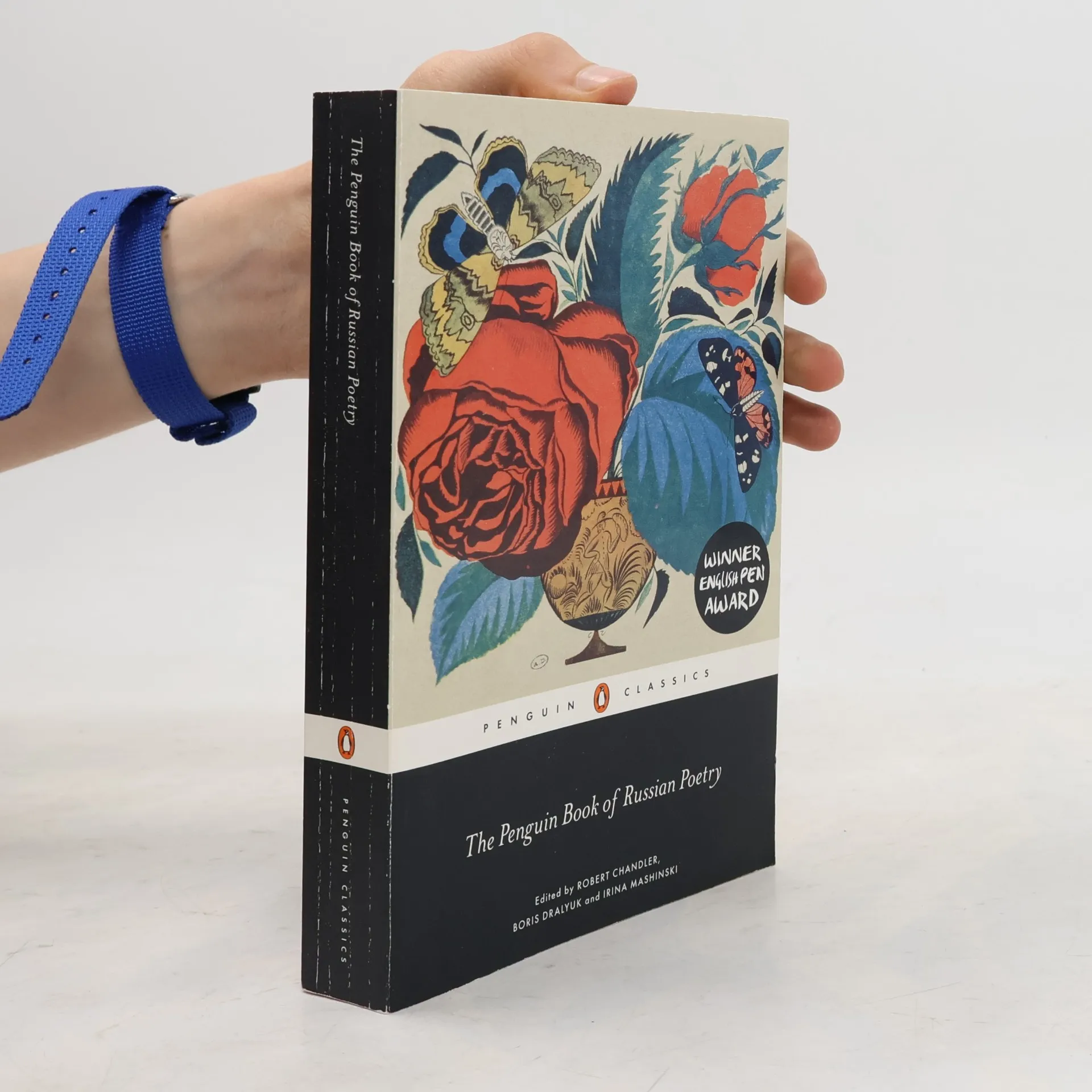
"Whether romantic, realistic, surreal, mocking or blackly comic, poetry has been at the heart of Russian life and culture for centuries. This new anthology presents the best of Russian verse, from the 'Golden Age' of Pushkin and his contemporaries, through the symbolist Alexander Blok and twentieth-century masters such as Osip Mandelstam and Marina Tsvetaeva, and on to lesser-known and modern works."--Back cover
Vasily Grossman wrote three novels about the Second World War, each offering a distinct take on what a war novel can be, and each extraordinary. A common set of characters links Stalingrad and Life and Fate, but Stalingrad is not only a moving and exciting story of desperate defense and the turning tide of war, but also a monumental memorial for the countless war dead. Life and Fate, by contrast, is a work of moral and political philosophy as well as a novel, and the deep question it explores is whether or not it is possible to behave ethically in the face of overwhelming violence. The People Immortal is something else entirely. Set during the catastrophic first months of the German invasion of the Soviet Union, this is the tale of an army battalion dispatched to slow the advancing enemy at any cost, with encirclement and annihilation its promised end. A rousing story of resistance, The People Immortal is the novel as weapon in hand.