"Adopting a case-study approach, the author provides theoretically informed readings of Pamela Tristram Shandy, Emma, Jane Eyre, The Mill on the Floss, Bleak House, The Spoils of Poynton, Mrs. Dalloway and Midnight's Children as well as short stories by Thomas Hardy and Katherine Mansfield. While primarily an introductory guide, the book also offers a distinct approach to the history of novel criticism that will engage readers interested in the genre at the levels."--BOOK JACKET.
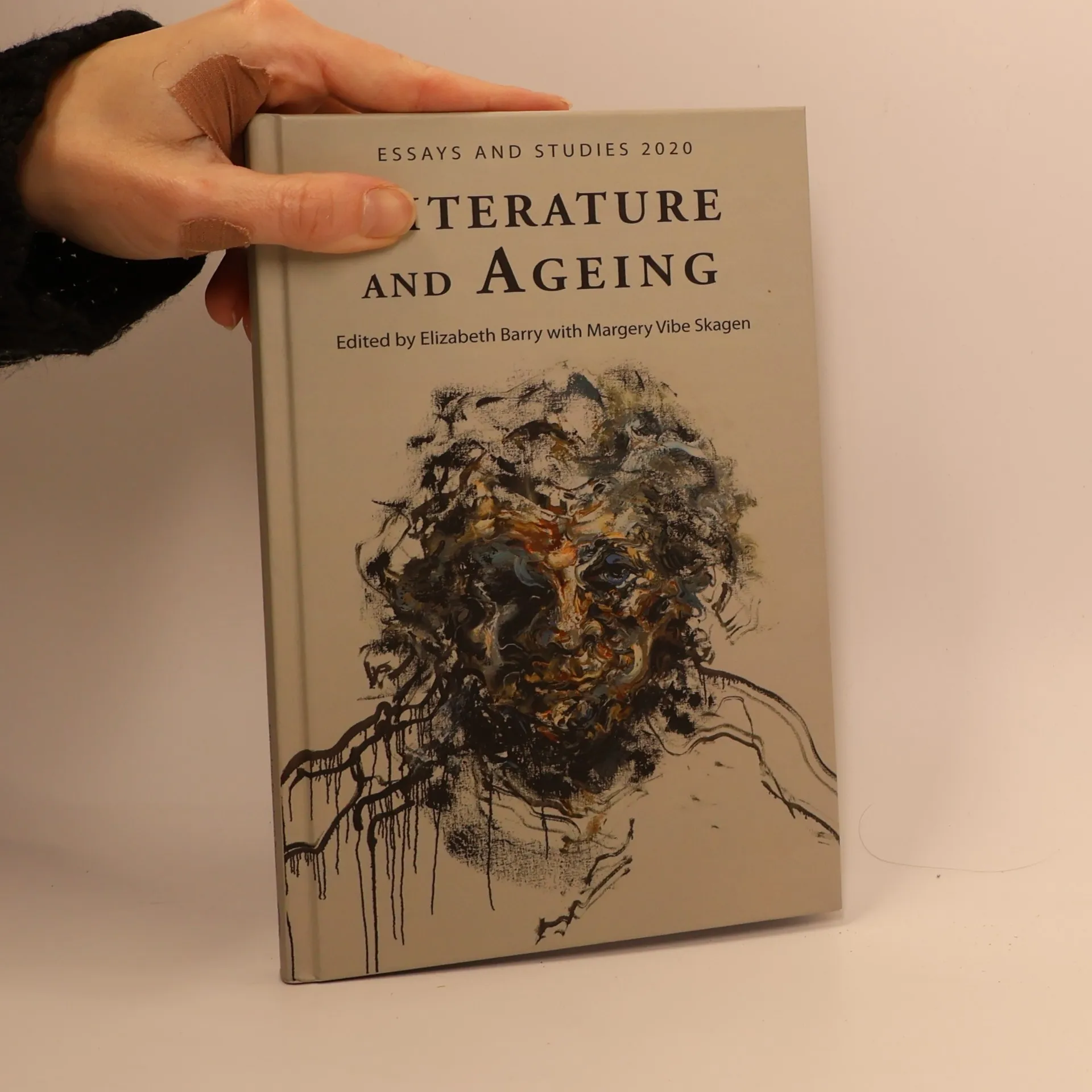
This collection explores the representation of aging in literature from the mid-nineteenth century to the present, highlighting how experiences of growing old have evolved alongside changes in longevity, senescence science, and state pensions. It challenges the notion that old age is a mundane phase outside literary narratives, asserting instead that aging increasingly becomes the central story. As the older population grows and political tensions arise over generational resources, literature prompts critical reflection on the cultural perceptions of aging. The volume examines age-related narratives in the context of futurity, precarity, and climate change, revealing stories of resistance against colonial imperialism and reproductive futurism through the lens of age. It also interrogates the lived experiences of aging, questioning individualistic views of selfhood, work, and care. The literary works analyzed, from authors such as Margaret Drabble, Samuel Beckett, and Matthew Thomas, engage with our feelings about aging, which often shape our understanding of the subject. This inquiry into the symbolic aspects of aging is crucial as society grapples with the implications of an increasingly older demographic.