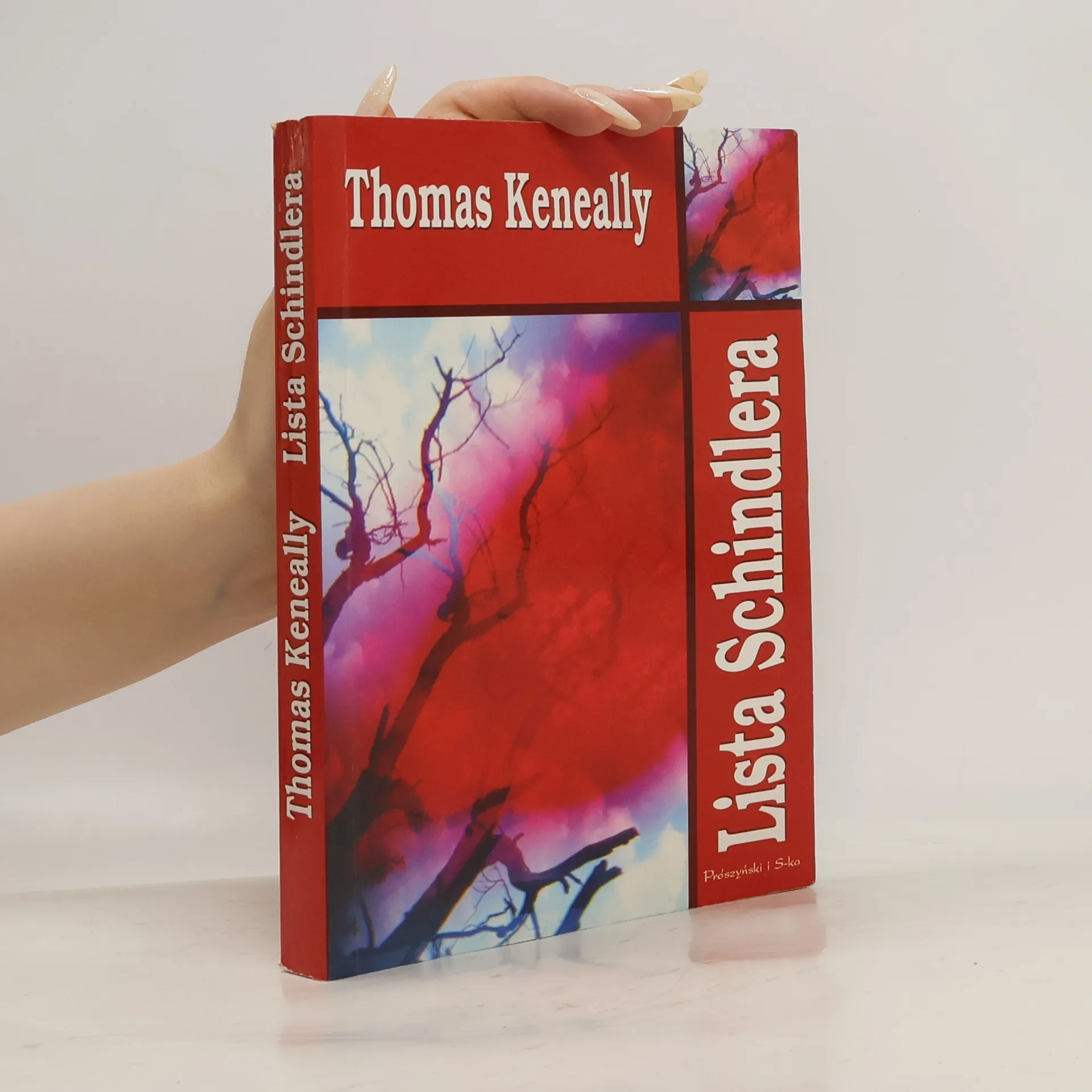
Niemiecki przemysłowiec, członek NSDAP, hedonista i kobieciarz, który ryzykując życie i majątek ratuje tysiąc dwustu Żydów, pracowników swojej fabryki – historia Oskara Schindlera to jeszcze jeden dowód, że życie pisze najbardziej nieprawdopodobne scenariusze. Ta niezwykła opowieść, która zyskała ostateczny kształt w poruszającym filmie Stevena Spielberga, rozegrała się podczas wojny, ale na nowo zaczęła się w 1982 roku, kiedy australijski powieściopisarz Thomas Keneally poznał Poldka Pfefferberga, jednego z Żydów ocalonych przez Oskara Schindlera. Zainspirowany jego wspomnieniami i wyprawą do Polski, stworzył powieść „Schindler’s Ark”, nagrodzoną prestiżową Nagrodą Bookera, która stała się podstawą filmu Spielberga z 1993 roku (po ekranizacji tytuł książki zmieniono na „Listę Schindlera”).
Han Visserman Książki

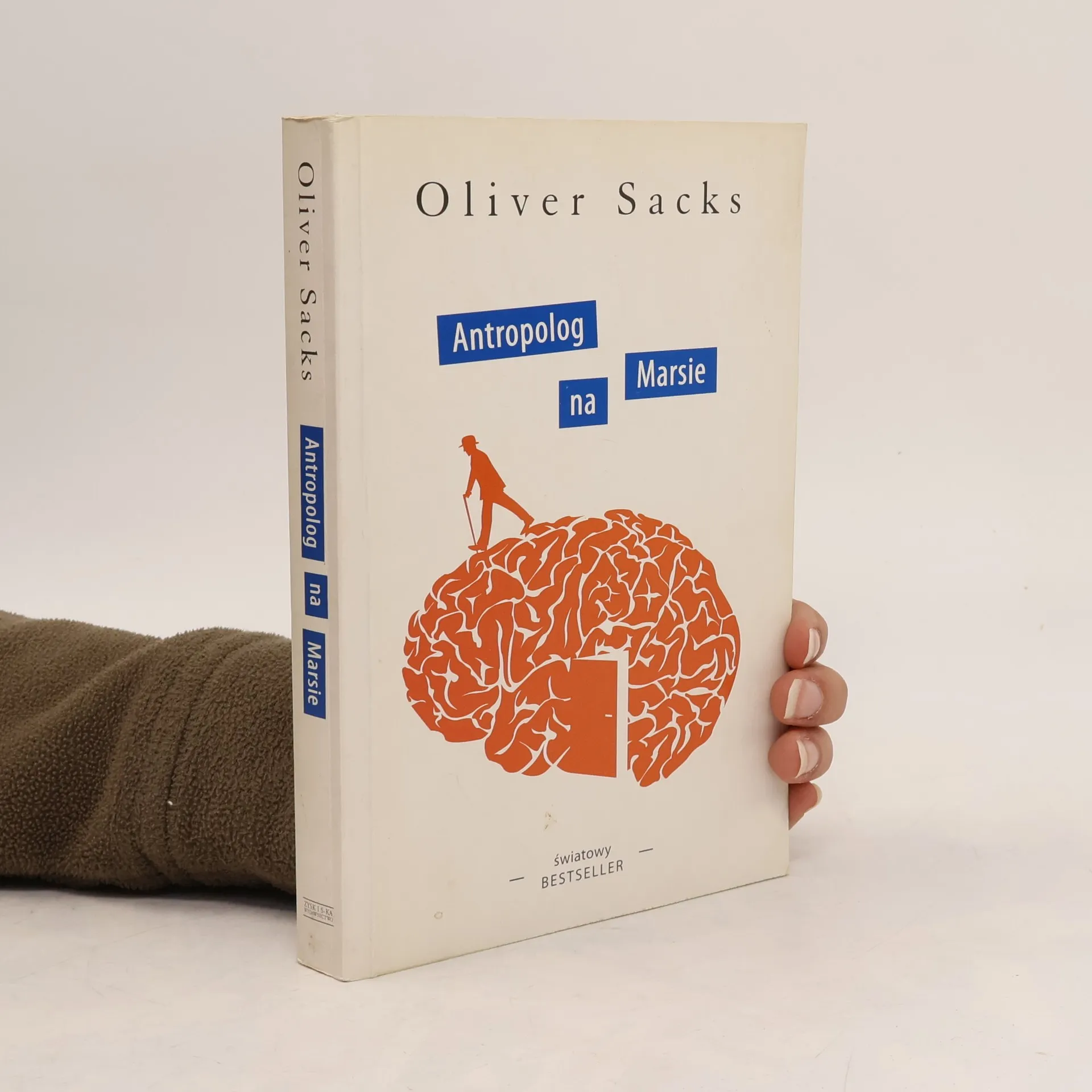
Antropolog na Marsie
- 386 stron
- 14 godzin czytania
'Pacjenci z problemami natury neurologicznej - napisał kiedyś Oliver Sacks - to podróżnicy po niezwykłych krainach'. Zbiór opowiadań Antropolog na Marsie przedstawia portrety siedmiu takich podróżników. Choć zranieni i okaleczeni, potrafią znależć w sobie siłę, która zmienia ich tożsamość i życie, a tym samym ułatwia przetrwanie w nowych warunkach. Świata tych ludzi nie da się poznać na szpitalnej sali, więc Sacks zdejmuje biały kitel i towarzyszy swoim pacjentom w ich codziennym życiu. Czuje się - jak sam mówi - jak neuroantropolog, ale przede wszystkim jak lekarz wzywany na domowe wizyty, wizyty na skraj egzystencji.
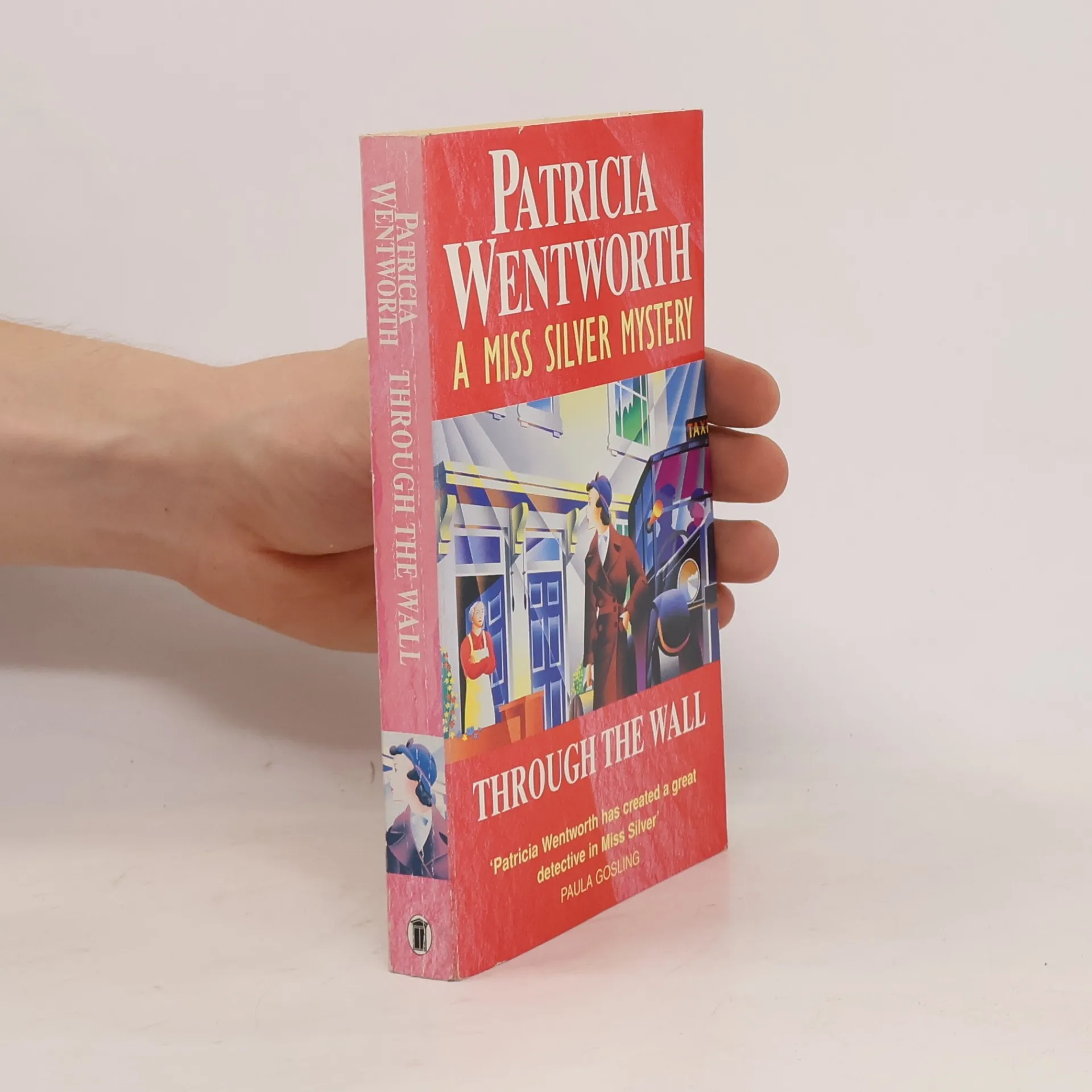
Through the Wall
- 256 stron
- 9 godzin czytania
Most of Marion's relations would prefer her dead, and one of them will not stop at murder . . . Classic crime in stunning new packaging.
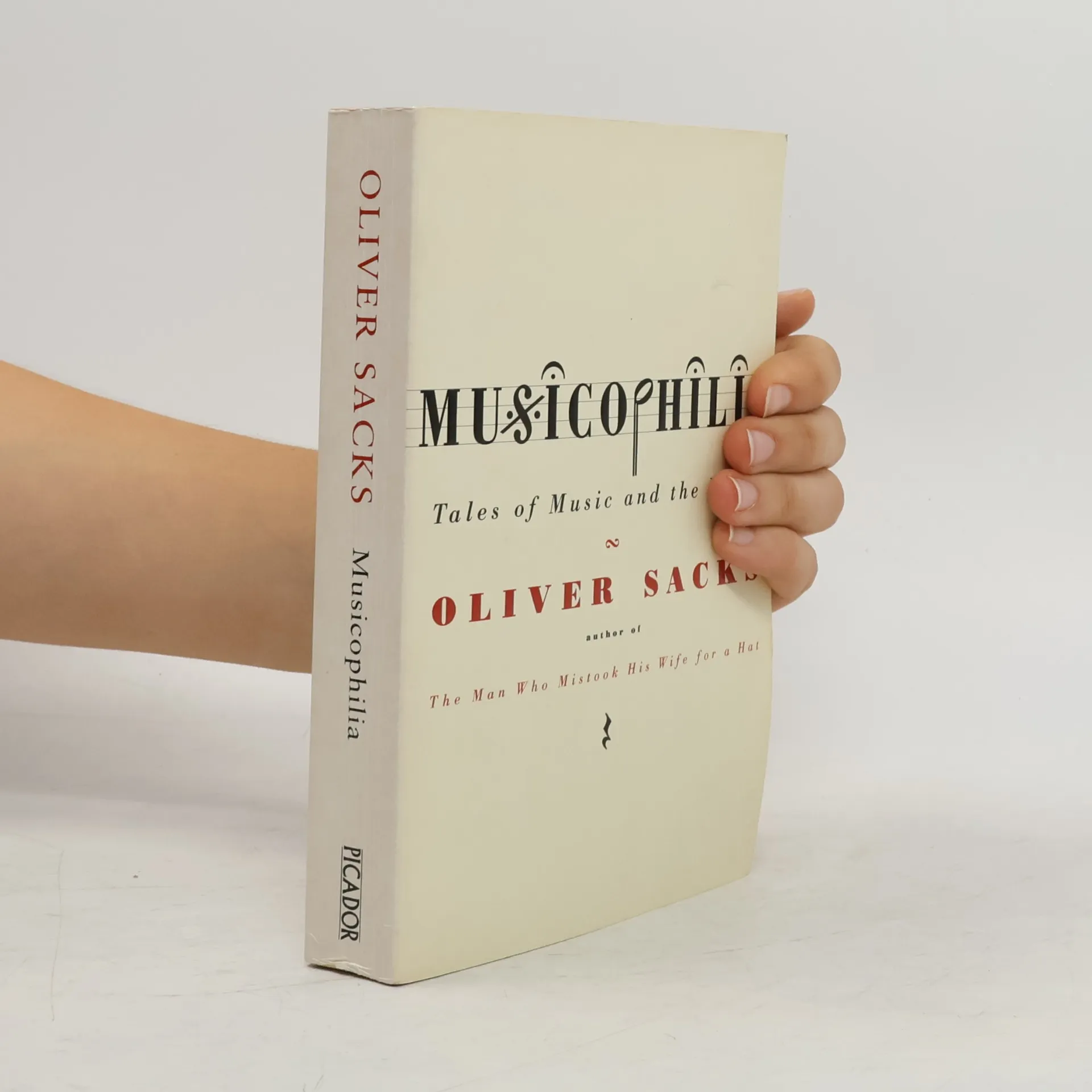
‘A humane discourse on the fragility of our minds, of the bodies that give rise to them, and of the world they create for us.’ Daily Telegraph Oliver Sacks’ compassionate tales of people struggling to adapt to different neurological conditions have fundamentally changed the way we understand our own minds. In Musicophilia, he examines the powers of music through the individual experiences of patients, musicians and everyday people – those struck by affliction, unusual talent and even, in one case, by lightning – to show not only that music occupies more areas of the brain than language does, but also that it can calm and organize, torment and heal. Always wise and compellingly readable, these stories alter our conception of who we are and how we function, and show us an essential part of what it is to be human. ‘Fascinating. Music, as Sacks explains, “can pierce the heart directly”. And this is the truth that he so brilliantly focuses upon – that music saves, consoles and nourishes us’ Daily Mail ‘Irresistible, astonishing and moving’ Spectator ‘Deeply warm and sympathetic’ Guardian
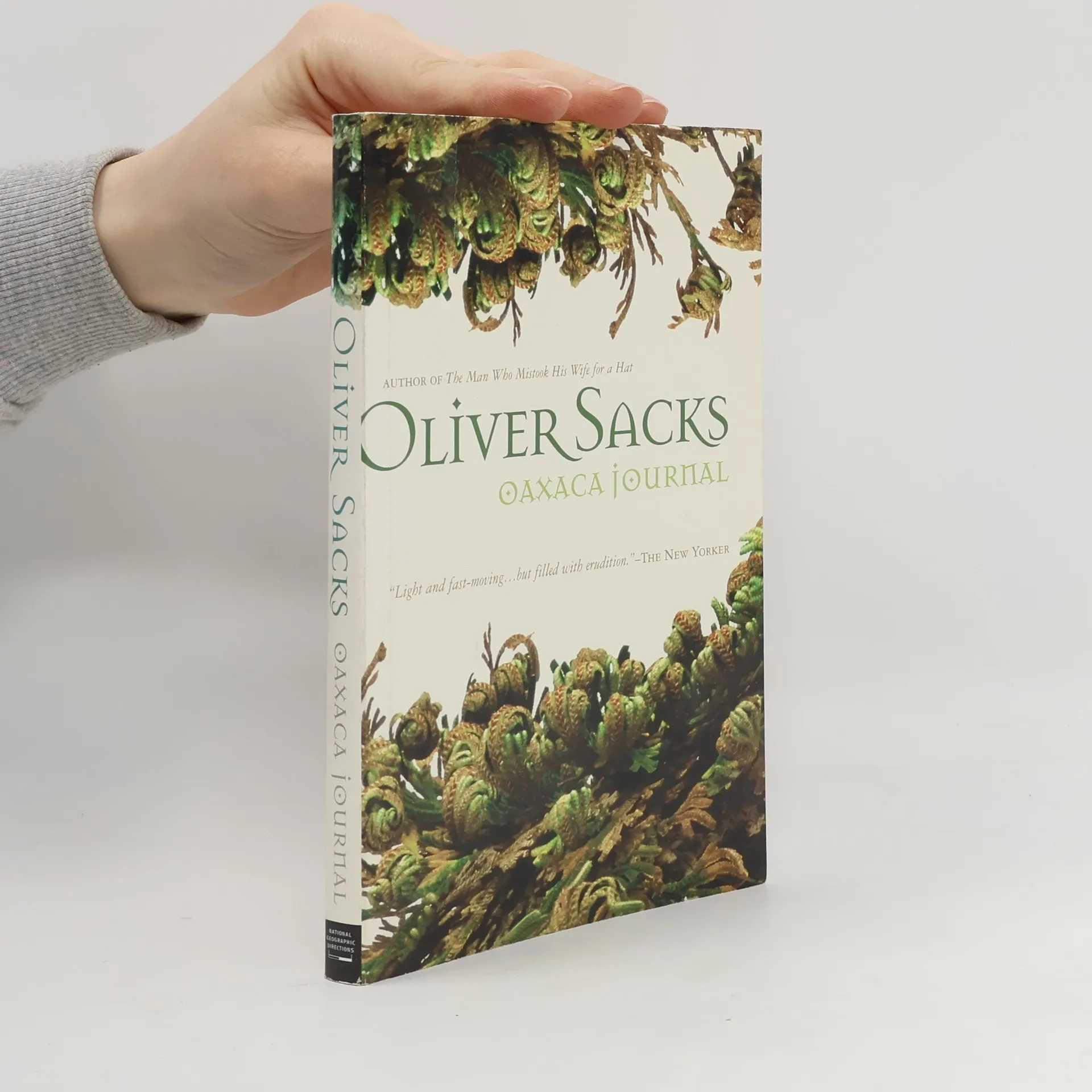
National Geographic Directions: Oaxaca Journal
- 160 stron
- 6 godzin czytania
The best-selling author of Awakenings and The Man Who Mistook His Wife for a Hat, Oliver Sacks is well know as an explorer of the human mind—a neurologist with a gift for complex, insightful portrayals of people and their conditions. However, he is also a card-carrying member of the American Fern Society, and since childhood has been fascinated by these primitive plants and their ability to survive and adapt in many climates.Oaxaca Journal is Sacks's spellbinding account of his trip with a group of fellow fern enthusiasts to the beautiful, history-steeped province of Oaxaca, Mexico. Bringing together Sacks's passion for natural history and the richness of human culture with his sharp eye for detail, Oaxaca Journal is a captivating evocation of a place, its plants, its people, and its myriad wonders.
Dubbelspoor naar de dood
- 200 stron
- 7 godzin czytania
De Amsterdamse rechercheur Van der Valk tracht de herkomst van anonieme dreigbrieven in een Drents dorpje te achterhalen.
Mercy : roman. Dutch
- 275 stron
- 10 godzin czytania
De ongewenste dochter van een getrouwde vrouw en een pastoor groeit op bij een kluizenaar in een Canadees moeras.
Zes verhalen van Ierse schrijvers.