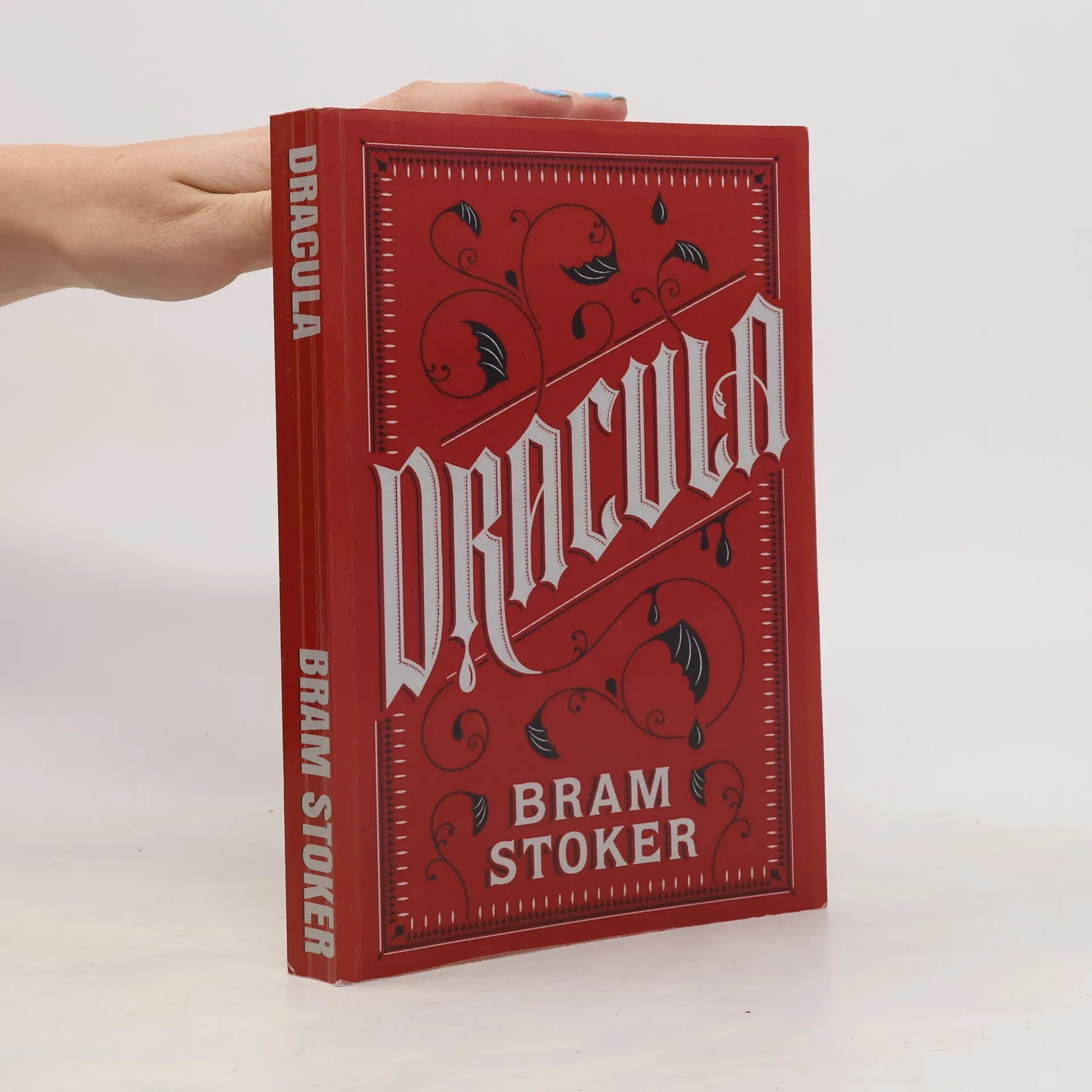
Dracula has been attributed to many literary genres including vampire literature, horror fiction, the gothic novel and invasion literature. Structurally it is an epistolary novel, that is, told as a series of diary entries and letters. Literary critics have examined many themes in the novel, such as the role of Victorian culture, conventional and conservative women sexuality, immigration, colonialism, postcolonialism and folklore. Although Stoker did not invent the vampire, the novel's influence on the popularity of vampires has been singularly responsible for many theatrical and film interpretations throughout the 20th and 21st centuries.
Luigi Lunari Kolejność książek (chronologicznie)

Wicekrólowie
- 696 stron
- 25 godzin czytania
Czytelnik pierwszego polskiego wydania Wicekrólów otrzymuje dzieło niezwykłe, uznawane za największą włoską powieść po Narzeczonych Alessandra Manzoniego, według samego Leonardo Sciascia. Ta złożona historia, pełna wyrazistych postaci, osadzona w kontekście Risorgimenta, ukazuje sycylijską kulturę myślenia pokoleniowego i rytualnego bycia na świecie. Federico De Roberto, autor, rozpoczął pracę nad swoim arcydziełem w 1891 roku, a jego wydanie miało miejsce w 1894. Powieść przyjmuje charakter opowieści rodzinnej, w której rodzina staje się laboratorium odwiecznych obyczajów, łączących perfidię, przywiązanie i obrzędowość z okrucieństwem, dziedziczną bezdusznością oraz pragnieniem posiadania i zemsty. Czytelnik, biorąc do ręki tę książkę, staje nad wzburzonym, a jednocześnie niepokojąco nieruchomym morzem. Wchodząc w głąb lektury, może poczuć się oszołomiony nową wiedzą o nieznanym lądzie. Jeśli zawirowania fabuły przytłoczą go, stanie się kompetentny w zakresie sycylijskiego fatum, wyspowej niezmienności i obsesji bezruchu, które wciąż przenikają powietrze wielu tamtejszych domów i instytucji.
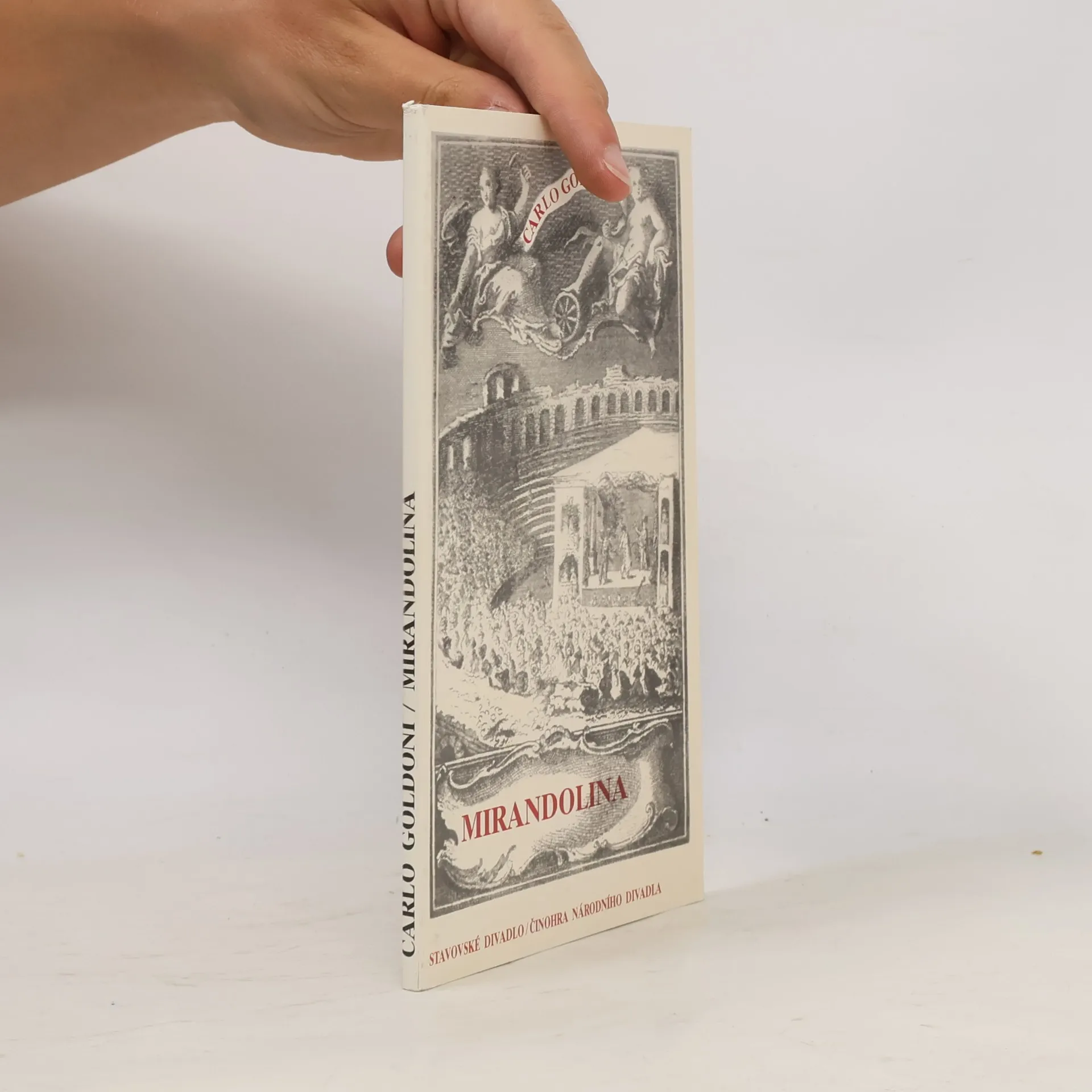
Komedie slavného italského dramatika z roku 1753, jejíž hlavní postavou je mazaná benátská hostinská, která nemá nouzi o nápadníky a dovede si s nimi rázně poradit, patří mezi Goldoniho veselohry, které vždy dokáží skvěle pobavit diváka a jistě potěší i čtenáře. Vychází v překladu Jana Vladislava jako 169. svazek edice D.
Ancora oggi storici e uomini di fede si interrogano su quella pagina grande e atroce che fu la conquista dell'Impero Azteco che viene qui raccontata in un travolgente romanzo che ricostruisce alla perfezione i fatti e l'epoca ma soprattutto le due grandi figure protagoniste: Cortés e Montezuma. Quale fu la vera causa che spinse un manipolo di avventurieri guidati da un allora oscuro uomo d'armi a conquistare l'impero del Messico? L'avidità di ricchezze? La sfida dell'ignoto? Il desiderio di addentrarsi in un continente sconosciuto e di scoprirne i misteri? L'ansia di diffondere la fede cristiana? La sete di strage? La voglia di diventare potenti in un mondo nuovo? E perché per ottenere una o tutte queste cose non si esitò a cancellare un'antichissima civiltà?
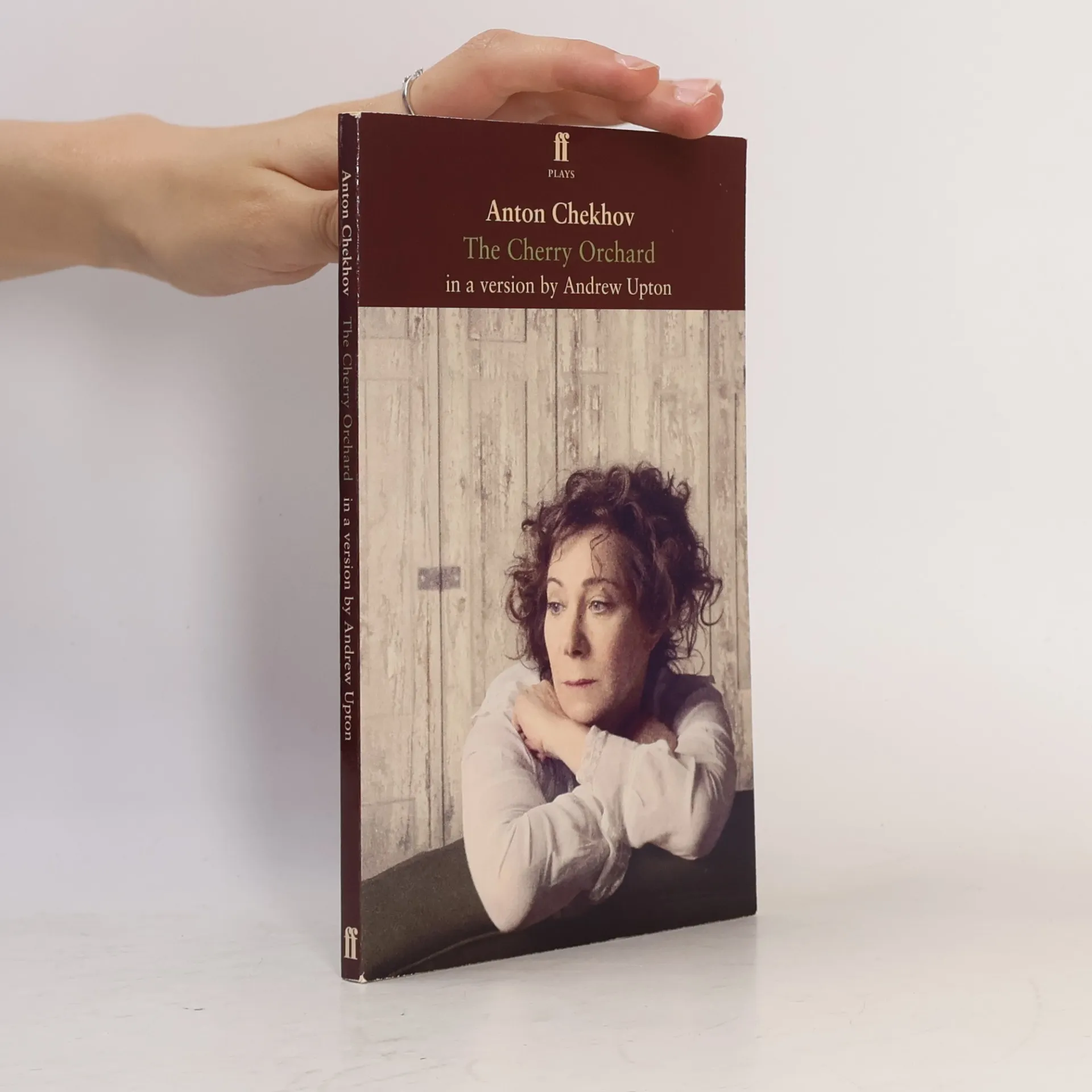
The Cherry Orchard
- 88 stron
- 4 godziny czytania
Luxuriating in her fading moneyed world and regardless of the increasingly hostile forces outside, she and her brother snub the lucrative scheme of Lopakhin, a peasant turned entrepreneur, to save the family estate.
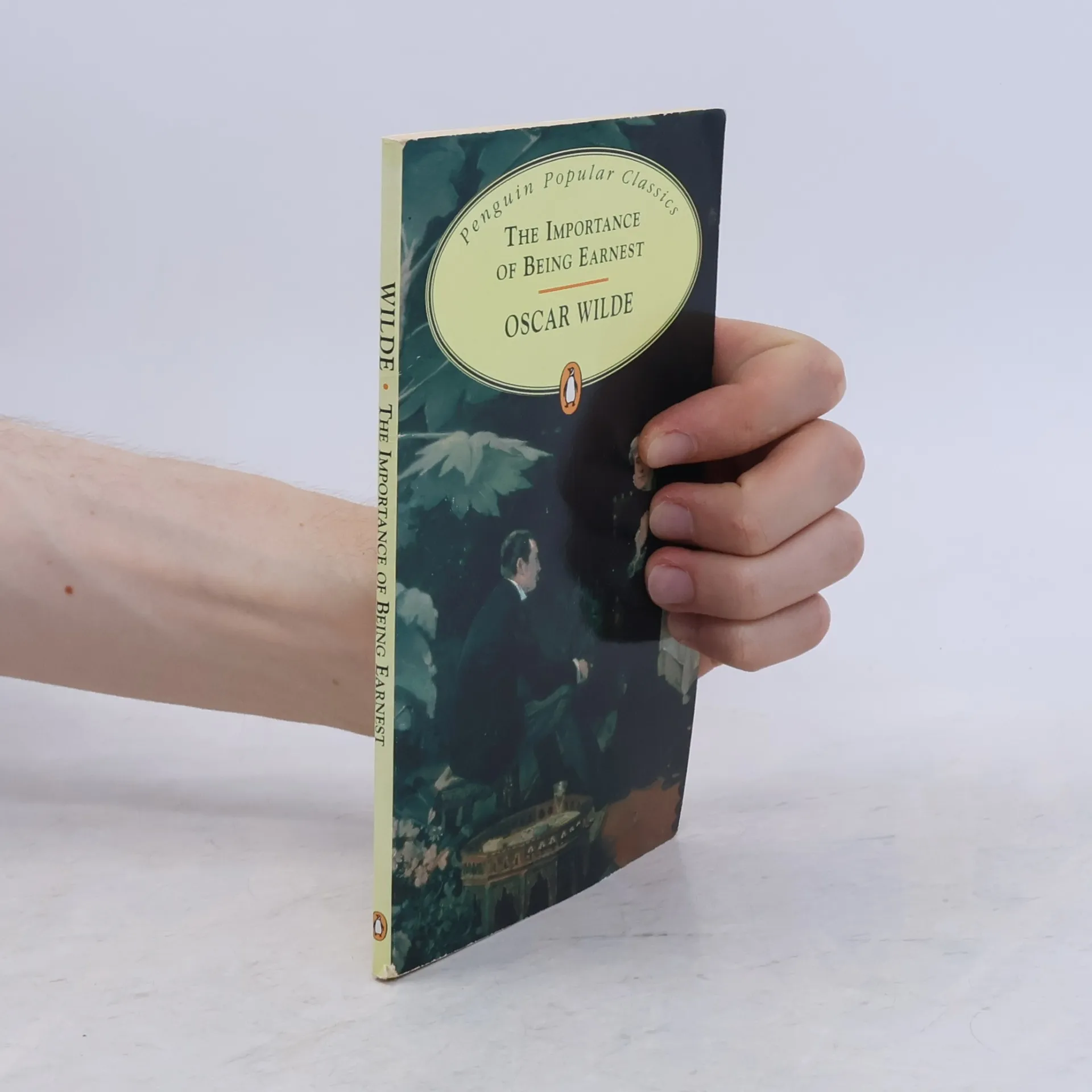
Oscar Wilde's brilliant play makes fun of the English upper classes with light-hearted satire and dazzling humour. It is 1890's England and two young gentlemen are being somewhat limited with the truth. To inject some excitement into their lives, Mr Worthing invents a brother, Earnest, as an excuse to leave his dull country life behind him to pursue the object of his desire, the ravishing Gwendolyn. While across town Algernon Montecrieff decides to take the name Earnest, when visiting Worthing's young ward Cecily. The real fun and confusion begins when the two end up together and their deceptions are in danger of being revealed.
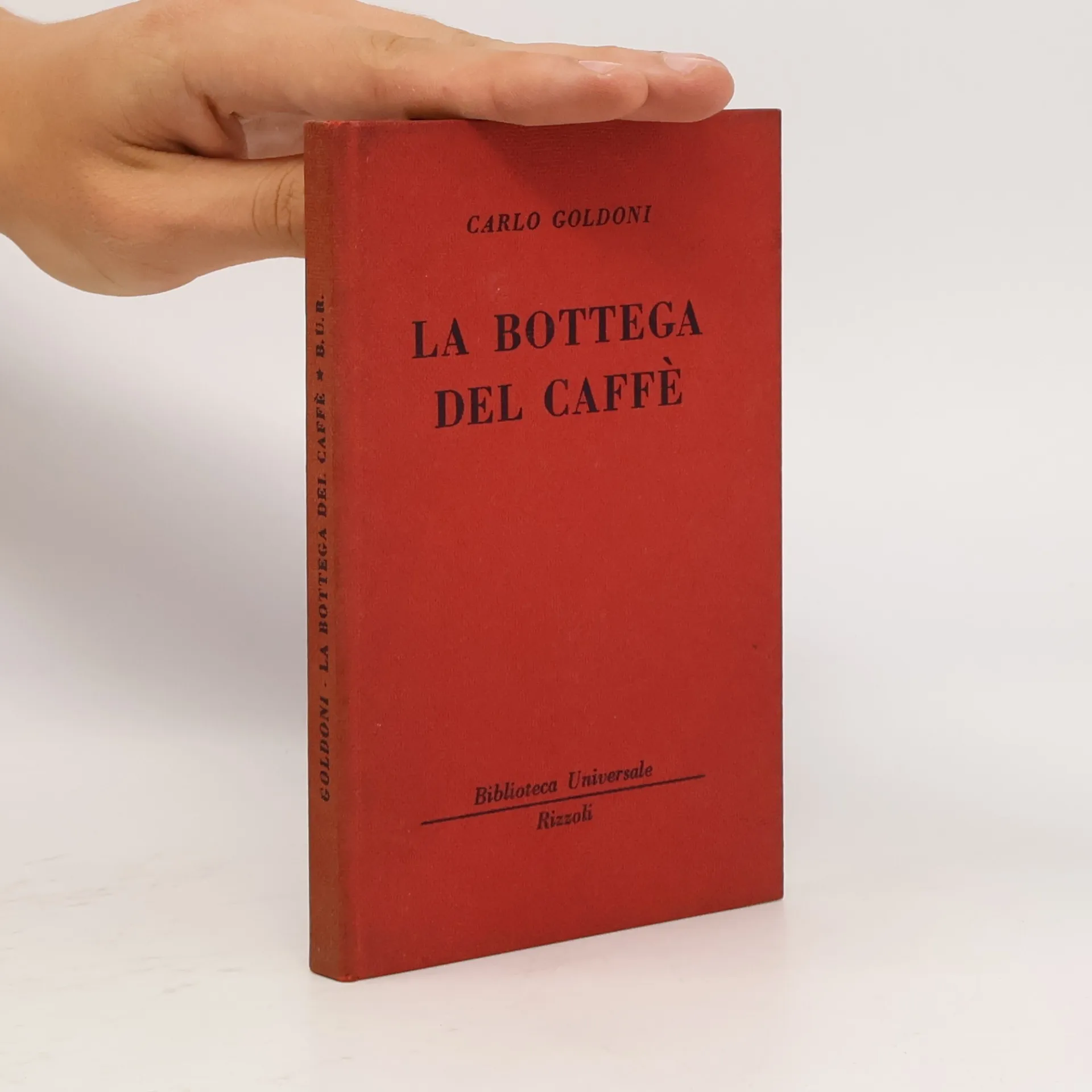
Con la propensione all'ascolto, originariamente determinata da un difetto visivo, don Marzio è il prototipo di quei frequentatori di caffè che sanno di questo e di quello, che raccolgono notizie dalla voce degli altri e dalle gazzette per farsene portavoce, senza la cura di controllarle e di verificarne la fondatezza, mescolando verità e invenzione. Nella bottega del caffè si nasconde una vena scientifico-filosofica caratteristica del diciottesimo secolo e non manca quel doppio livello di lettura, quell'aspetto metateatrale che più volte si ritrova nel Goldoni.