Insieme, di notte, Maggie e Tristan lavorano per ridare vita al giardino abbandonato di lei, presso la costa del New England; e man mano che riscoprono le specie rare soffocate dalle erbacce, che restituiscono respiro ai cespugli e la forza ai rampicanti, liberano anche dentro di sé istinti, emozioni e ricordi sepolti, arrivano a capire il senso della propria esistenza...
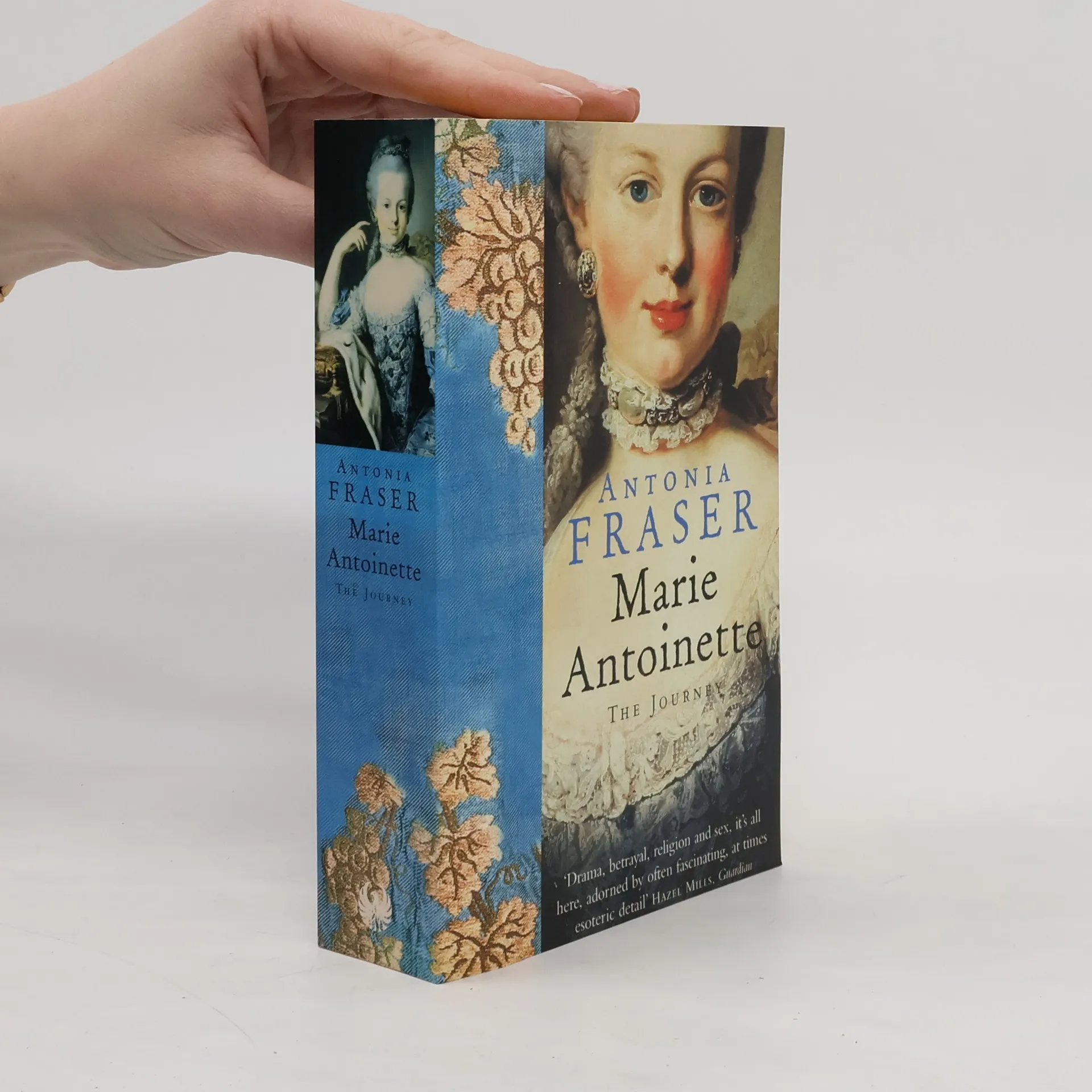
'Drama, betrayal, religion and sex, it's all here ... Fascinating' GUARDIAN 'Beautifully paced, impeccably written ... Don't miss it' INDEPENDENT 'Fraser is at her best here, lucid, authoritative and compassionate' SUNDAY TIMES 'Superbly researched ... the definitive work on the ill-fated queen' CATHOLIC HERALD Marie Antoinette's dramatic life-story continues to arouse mixed emotions. To many people, she is still 'la reine méchante', whose extravagance and frivolity helped to bring down the French monarchy; her indifference to popular suffering epitomised by the (apocryphal) words: 'let them eat cake'. Others are equally passionate in her defence: to them, she is a victim of misogyny. Antonia Fraser examines her influence over the king, Louis XVI, the accusations and sexual slurs made against her, her patronage of the arts which enhanced French cultural life, her imprisonment, the death threats made against her, rumours of lesbian affairs, her trial (during which her young son was forced to testify to sexual abuse by his mother) and her eventual execution by guillotine in 1793.
Wyobraźcie sobie, że w noc przed śmiercią na gilotynie Maria Antonina ukrywa w więziennej celi dziennik... Maria Antonina, królowa Francji, żona Ludwika XVI, ścięta jak jej małżonek w dobie rewolucji francuskiej. Postać nietuzinkową, kobieta wielbiona i nienawidzona, podziwiana i wyszydzana. Wiąże się z nią wiele skandali obyczajowych, a sporo krzywdzących opinii na jej temat przeszło do historii. Carolly Erickson w niezwykle błyskotliwy sposób przemawia głosem królowej, opisując jej nadzieje i cierpienie. Oczarowani śledzimy szczegóły niezwykłego, bogatego życia - od czasów gdy nastoletnia Maria Antonina zaczęła prowadzić dziennik aż po ostatnie dni, gdy czekała na krwawe spotkanie z gilotyną. "Pochłonęłam Tajemny dziennik Marii Antoniny w dwa dni, a kiedy skończyłam, raz jeszcze przeczytałam ostatnie strony, łakoma jak dziecko, które zbiera z talerzyka ostatnie okruchy tortu czekoladowego". Judith Warner, The New York Times Book Review "W tej doskonałej powieści historycznej Maria Antonina odzyskuje dobre imię... fascynujący lecz skorumpowany dwór francuski, rosnące niepokoje społeczne, okrutne ubóstwo, intrygi - wszystko znajduje tu swoje miejsce". Deirdre Donahue, USA Today