
Bookbot

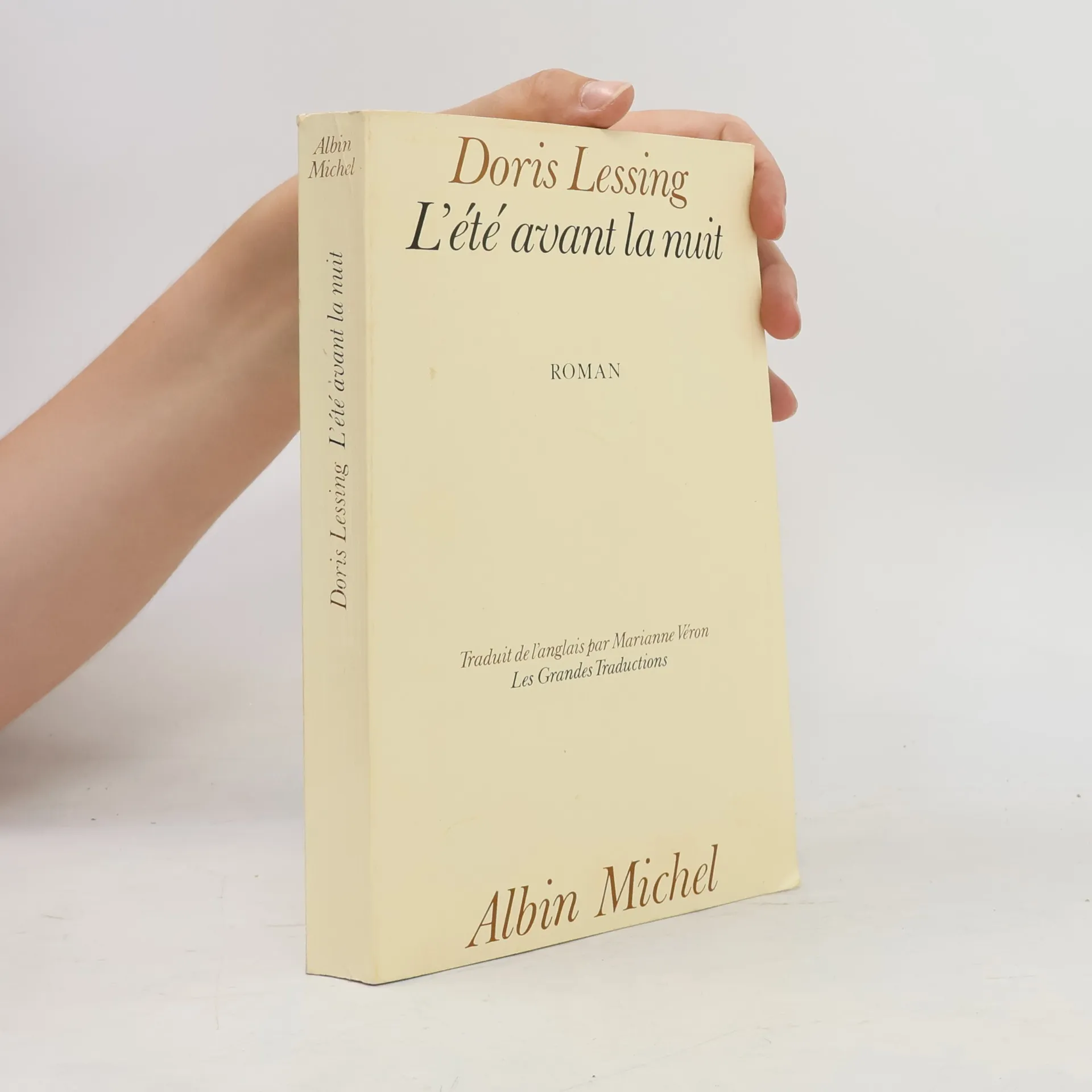
Marianne Véron

    L'Été avant la nuit
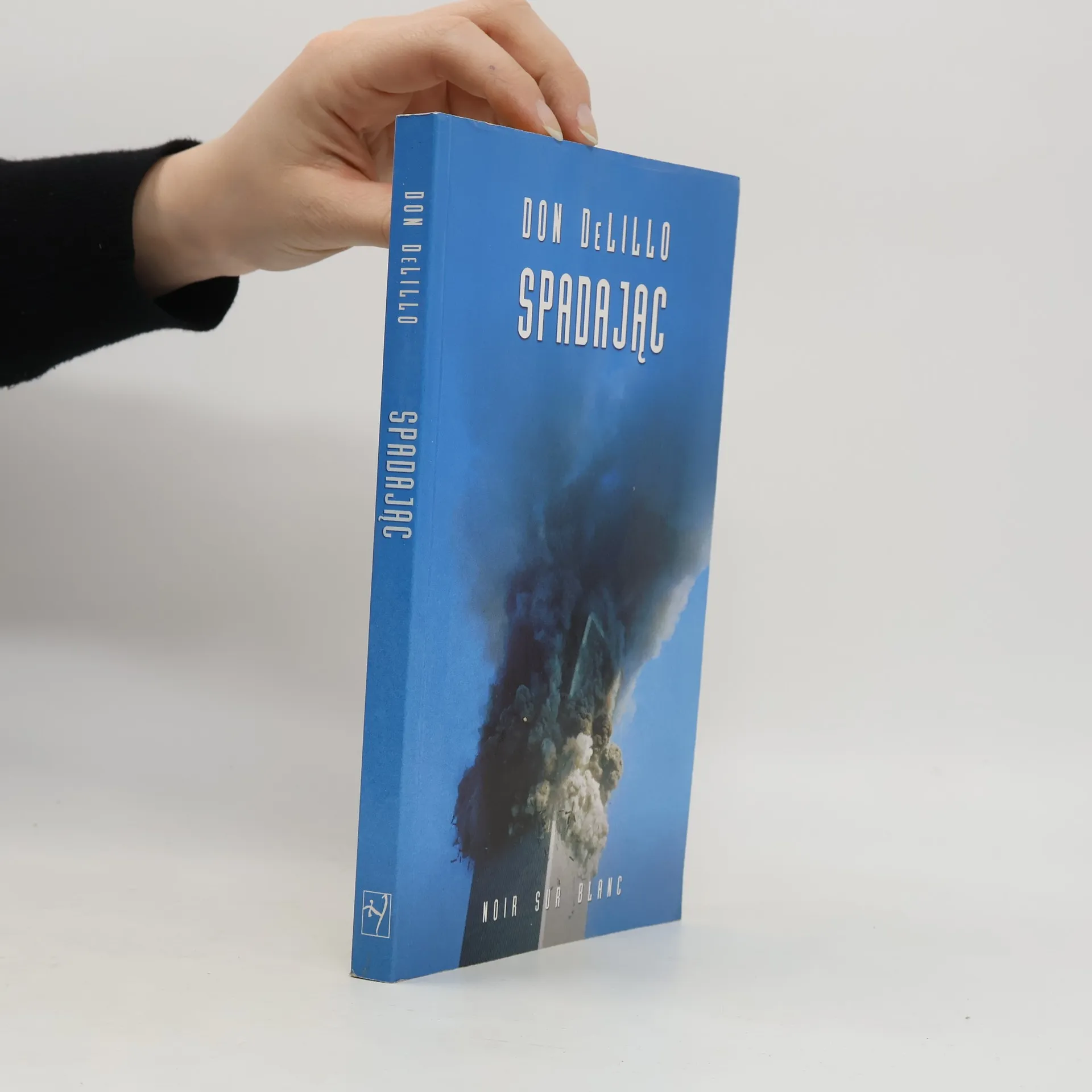
    Spadając
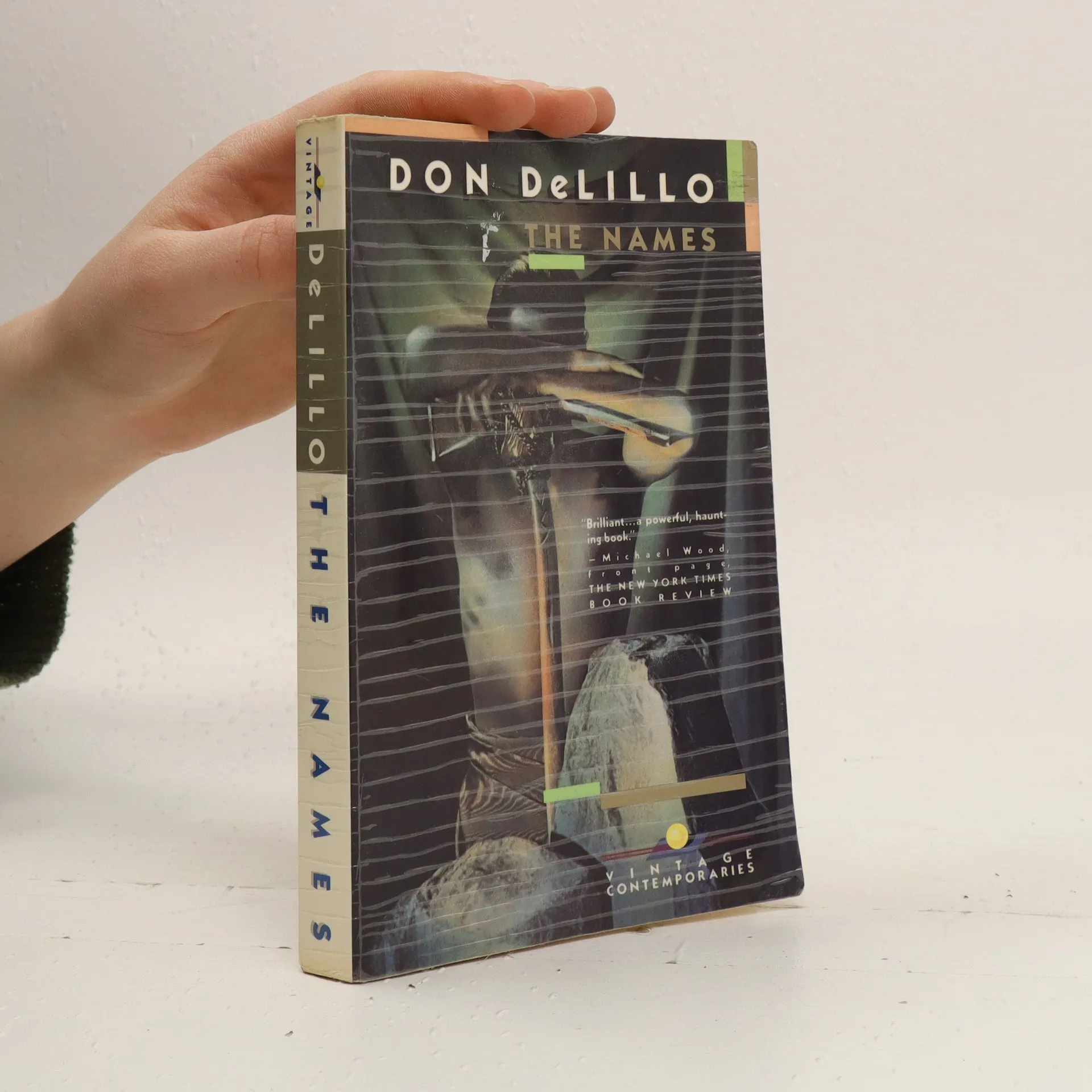
    The names
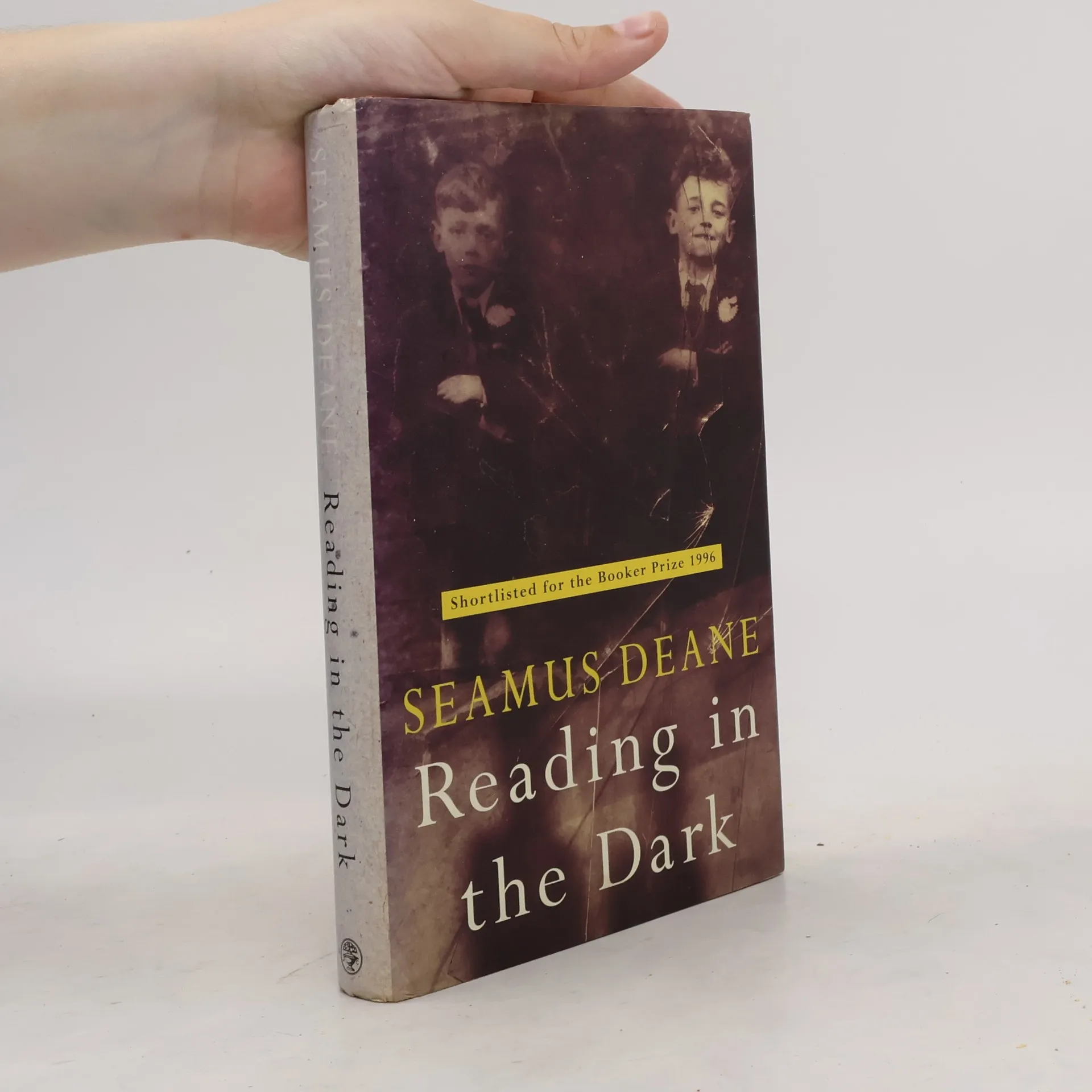
    Reading in the Dark
    • Spadając

      • 208 stron
      • 8 godzin czytania

      Spadając to książka o 11 września i o dniach, a w końcu latach, które nastąpiły potem. W sposób przejmujący i obrazowy, lecz bez patosu, autor opisuje zdarzenie, które wstrząsnęło Ameryką u progu nowego tysiąclecia i zdefiniowało ją na nowo. Ta historia zaczyna się wśród dymu i zgliszcz, które pozostały z płonących wież.Keith, cudem ocalały w jednej z wież, usiłuje poskładać swój świat na nowo. W pierwszym odruchu wraca do żony, Lianne, którą przedtem opuścił, ona zaś wciąż rozpamiętuje przeszłość, nie mogąc odnaleźć w nim bliskiego jej niegdyś mężczyzny. Obok jest ich małomówny synek Justin, który wystaje w oknie, wypatrując na niebie kolejnych samolotów. Nad ich wspólnym życiem ciąży poczucie straty i żalu, a także przemożna siła historii.Don DeLillo pokazuje, jaki wpływ terrorystyczny atak z 11 września wywarł na jego rodaków, przeobrażając ich emocje, pamięć i sposób odbierania świata. To piękna, poruszająca i oczyszczająca książka.

      Spadając2008
      3,3
    • The story is told from the point of view of an unnamed young Irish Catholic boy living in a poor area of Derry. This novel-in-stories is about both the boy's coming of age and the Troubles of Northern Ireland, from the partition of the island in the early 1920s until July 1971, just after the violent Battle of the Bogside took place in Derry. The setting mirrors mid-twentieth century Derry leading into the Troubles. While the narrator is surrounded with violence, chaos, and sectarian division, Derry serves as the place where he grows up, both physically and mentally. Despite the surrounding events, the narrator's tone never slips into complete despair, but maintains a sense of hope and humour throughout.

      Reading in the Dark2005
      3,8
    • The names

      • 339 stron
      • 12 godzin czytania

      Set against the backdrop of a lush and exotic Greece, The Names is considered the book which began to drive "sharply upward the size of his readership" (Los Angeles Times Book Review). Among the cast of DeLillo's bizarre yet fully realized characters in The Names are Kathryn, the narrator's estranged wife; their son, the six-year-old novelist; Owen, the scientist; and the neurotic narrator obsessed with his own neuroses. A thriller, a mystery, and still a moving examination of family, loss, and the amorphous and magical potential of language itself, The Names stands with any of DeLillo's more recent and highly acclaimed works. "The Names not only accurately reflects a portion of our contemporary world but, more importantly, an original world of its own is created."--Chicago Sun-Times"DeLillo sifts experience through simultaneous grids of science and poetry, analysis and clear sight, to make a high-wire prose that is voluptuously stark."--Village Voice Literary Supplement"DeLillo verbally examines every state of consciousness from eroticism to tourism, from the idea of America as conceived by the rest of the world, to the idea of the rest of the world as conceived by America, from mysticism to fanaticism."--New York Times

      The names1993
      3,7