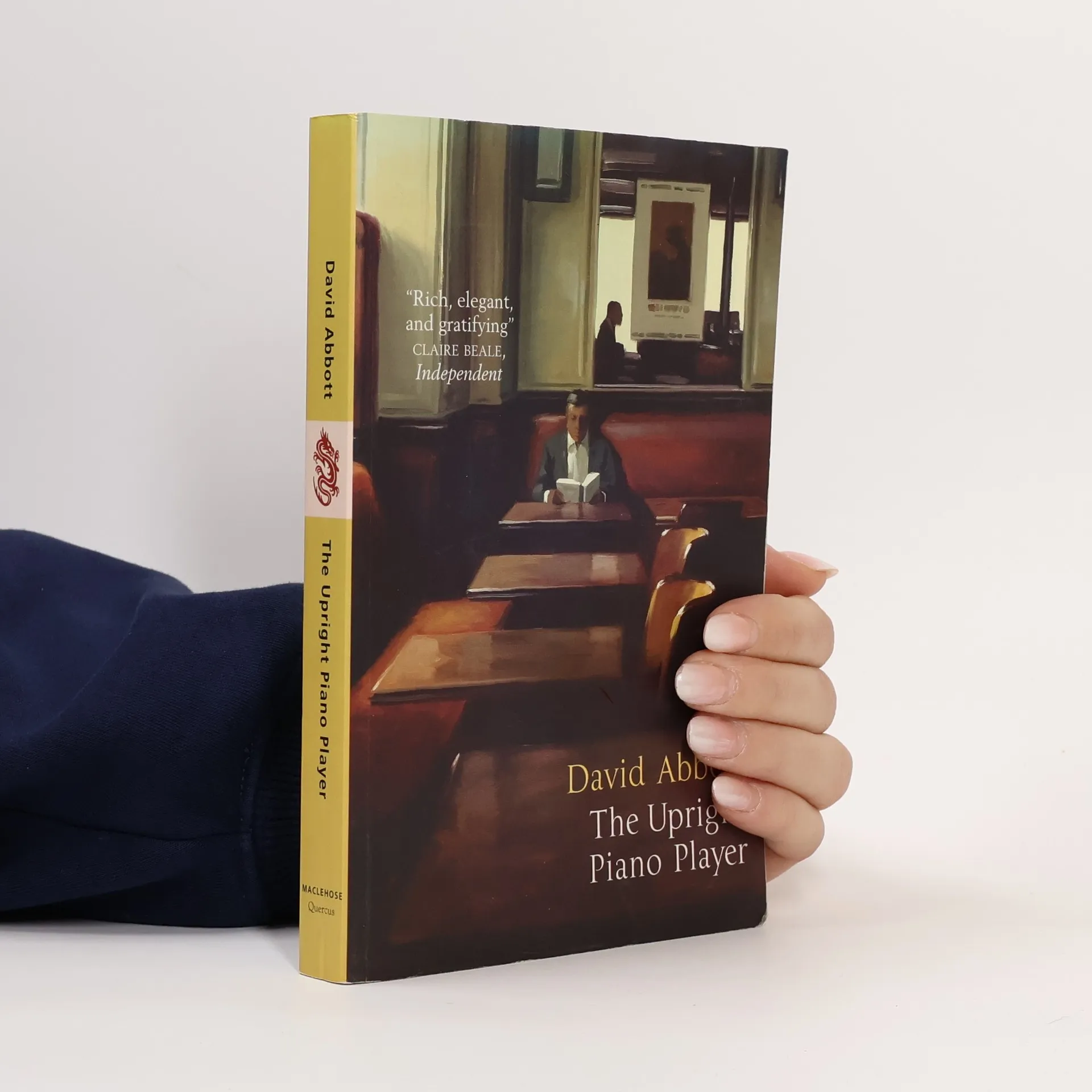
Henry Cage seemed to have it all. A successful business career, considerable wealth, and a reputation for being a just and principled man. But public virtues can conceal private failings, and as Henry faces retirement, his well-ordered life begins to unravel. On the eve of the new millennium he is the victim of a random act of violence which soon escalates into a prolonged persecution, with tragic consequences. Family secrets are revealed, and when his ex-wife Nessa summons Henry to Palm Beach, he realises that there is little time to redress the mistakes of the past. The Upright Piano Player explores with a tender, yet unflinching eye the small but devastating flaws in human nature that can shape our destinies.
The hunter becomes the hunted when an expert consultant in a baffling murder case becomes the prime suspect in Michael Robotham's stunning debut thriller. At forty-two, psychiatrist Joe O'Loughlin seems to have it all: a thriving practice, a beautiful wife, an adoring daughter. But Joe's snug, happy world is crumbling. Recently diagnosed with Parkinson's disease, he's dreading the inevitable and all too palpable deterioration of his body and mind. Then, when the police ask for his help in solving the brutal murder of a woman they assume is a prostitute, he's horrified to recognize the victim as a nurse he once worked with, and with whom he had a bit of a past. As Joe begins to suspect that one of his patients may be responsible, the police zero in on him. Michael Robotham possesses the rare ability to create fully believable characters, fashion terrific dialogue, and generate nonstop suspense. Suspect is a powerhouse first novel, intricately crafted and chillingly authentic.
The year is 1858. Thomas Glover is an eighteen-year-old who grasps the chance of escape to foreign lands and takes a posting as a trader in Japan. Within ten years he amasses a great fortune, learns the ways of the samurai, and, on the other side of the law, brings about the overthrow of the Shogun.
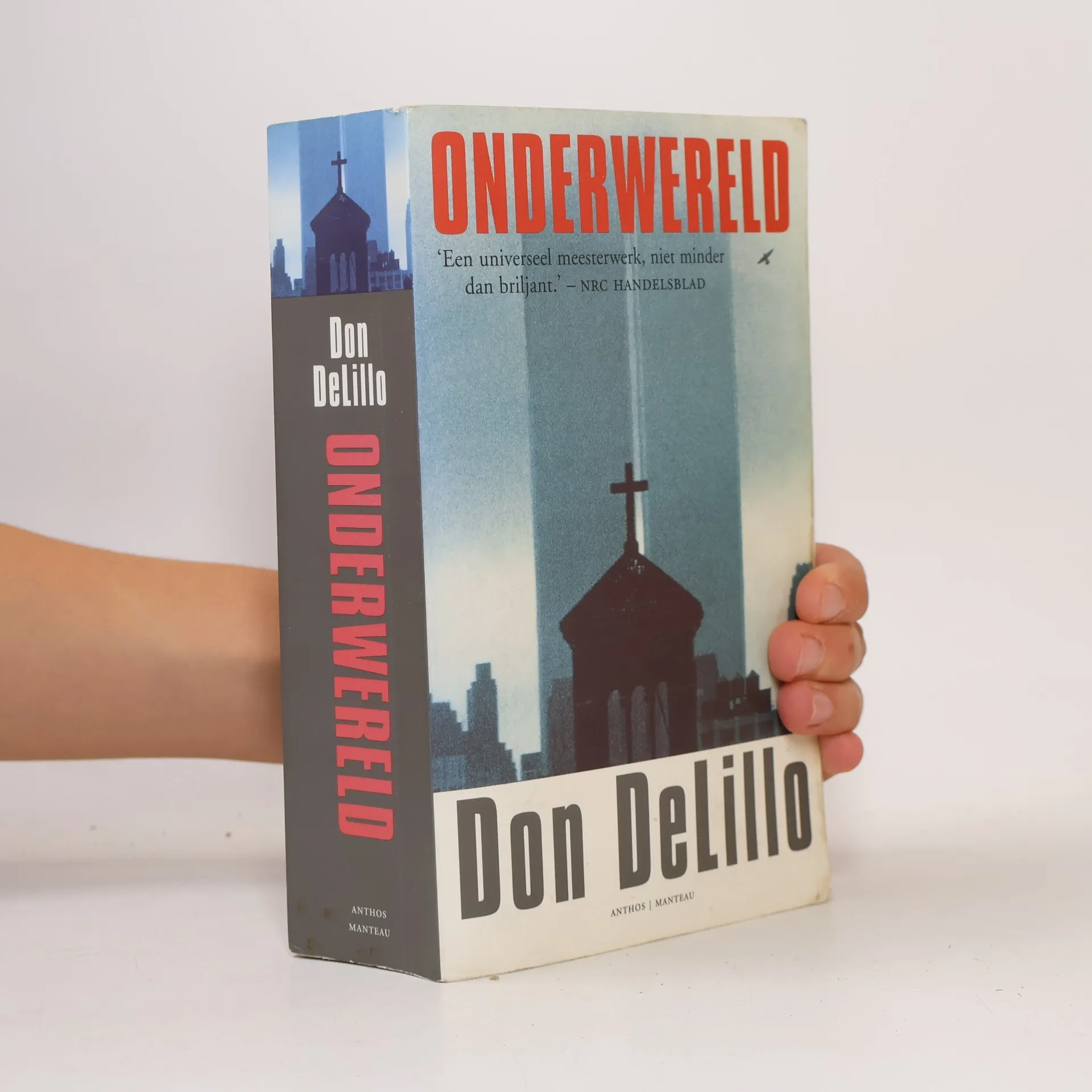
While Eisenstein documented the forces of totalitarianism and Stalinism upon the faces of the Russian peoples, DeLillo offers a stunning, at times overwhelming, document of the twin forces of the cold war and American culture, compelling that "swerve from evenness" in which he finds events and people both wondrous and horrifying. <i>Underworld</i> opens with a breathlessly graceful prologue set during the final game of the Giants-Dodgers pennant race in 1951. Written in what DeLillo calls "super-omniscience" the sentences sweep from young Cotter Martin as he jumps the gate to the press box, soars over the radio waves, runs out to the diamond, slides in on a fast ball, pops into the stands where J. Edgar Hoover is sitting with a drunken Jackie Gleason and a splenetic Frank Sinatra, and learns of the Soviet Union's second detonation of a nuclear bomb. It's an absolutely thrilling literary moment. When Bobby Thomson hits Branca's pitch into the outstretched hand of Cotter--the "shot heard around the world"--and Jackie Gleason pukes on Sinatra's shoes, the events of the next few decades are set in motion, all threaded together by the baseball as it passes from hand to hand. <p> "It's all falling indelibly into the past," writes DeLillo, a past that he carefully recalls and reconstructs with acute grace. Jump from Giants Stadium to the Nevada desert in 1992, where Nick Shay, who now owns the baseball, reunites with the artist Kara Sax. They had been brief and unlikely lovers 40 years before, and it is largely through the events, spinoffs, and coincidental encounters of their pasts that DeLillo filters the Cold War experience. He believes that "global events may alter how we live in the smallest ways," and as the book steps back in time to 1951, over the following 800-odd pages, we see just how those events alter lives. This reverse narrative allows the author to strip away the detritus of history and pop culture until we get to the story's pure elements: the bomb, the baseball, and the Bronx. In an epilogue as breathless and stunning as the prologue, DeLillo fast-forwards to a near future in which ruthless capitalism, the Internet, and a new, hushed faith have replaced the Cold War's blend of dread and euphoria.</p><p> Through fragments and interlaced stories--including those of highway killers, artists, celebrities, conspiracists, gangsters, nuns, and sundry others--DeLillo creates a fragile web of connected experience, a communal Zeitgeist that encompasses the messy whole of five decades of American life, wonderfully distilled.</p>
CRIME & MYSTERY. Moll Robbins is a journalist in a rut. But then she gets wind of a very exciting story: it concerns a small piece of celluloid, a pornographic film purportedly shot in a bunker in the climactic days of Berlin's fall with Hitler as its star. One person claims to have access to this unique piece of Naziana; inevitably, more than one wants it. Unfortunately for Moll, in the black-market world of erotica, the currency is blackmail, torture and corruption; and no price is too high.
„Historię tworzą masowe tęsknoty”. „Podziemia” to monumentalna wielowątkowa
narracja, która jest próbą zmierzenia się Dona DeLillo, uznawanego za Oceanem
za jednego z najciekawszych współczesnych pisarzy, z mitem wielkiej
amerykańskiej powieści. Jej akcja rozpoczyna się w Nowym Jorku w 1951 roku
podczas legendarnego meczu baseballa. Radość ze wspaniałego wyniku New York
Giants mąci wiadomość o próbnym wybuchu bomby atomowej przeprowadzonym w ZSRR.
Symbolicznym przewodnikiem w tej postmodernistycznej odysei jest pamiątkowa
piłka baseballowa z legendarnego finału, przekazywana z rąk do rąk przez
kolejne dekady. W tle prawdziwa esencja Stanów Zjednoczonych drugiej połowy XX
wieku: błysk fleszy i medialny szum, kultowe chevrolety, prezerwatywy
symbolizujące rewolucję seksualną i strony internetowe jako znak drugiej
wielkiej rewolucji – technologicznej – oraz ikoniczne postacie jak J. Edgar
Hoover, Mick Jagger czy Lenny Bruce. Jednak głównym bohaterem pozostaje
amerykańskie społeczeństwo, bacznie obserwowane i punktowane z sarkazmem przez
autora, który bezlitośnie odziera je z patosu i narodowych mitów. DeLillo jest
pisarzem na miarę Steinbecka, a jego przełomowe dzieło ukazujące całą
złożoność amerykańskiego świata drugiej połowy XX wieku dziś nabiera nowych
znaczeń. To, co kilka dekad temu było codziennością Ameryki, dziś jest dniem
powszednim zglobalizowanego świata i może stać się jego trudnym dziedzictwem.
This is the extraordinary first-person account of a young woman's coming of age in Somalia and her struggles against the obligations and strictures of family and society. By the time she is nine, Aman has undergone a ritual circumcision ceremony; at eleven, her innocent romance with a white boy leads to a murder; at thirteen she is given away in an arranged marriage to a stranger. Aman eventually runs away to Mogadishu, where her beauty and rebellious spirit leads her to the decadent demimonde of white colonialists. Hers is a world in which women are both chattel and freewheeling entrepreneurs, subject to the caprices of male relatives, yet keenly aware of the loopholes that lead to freedom. Aman is an astonishing history, opening a window onto traditional Somali life and the universal quest for female self-awareness.