

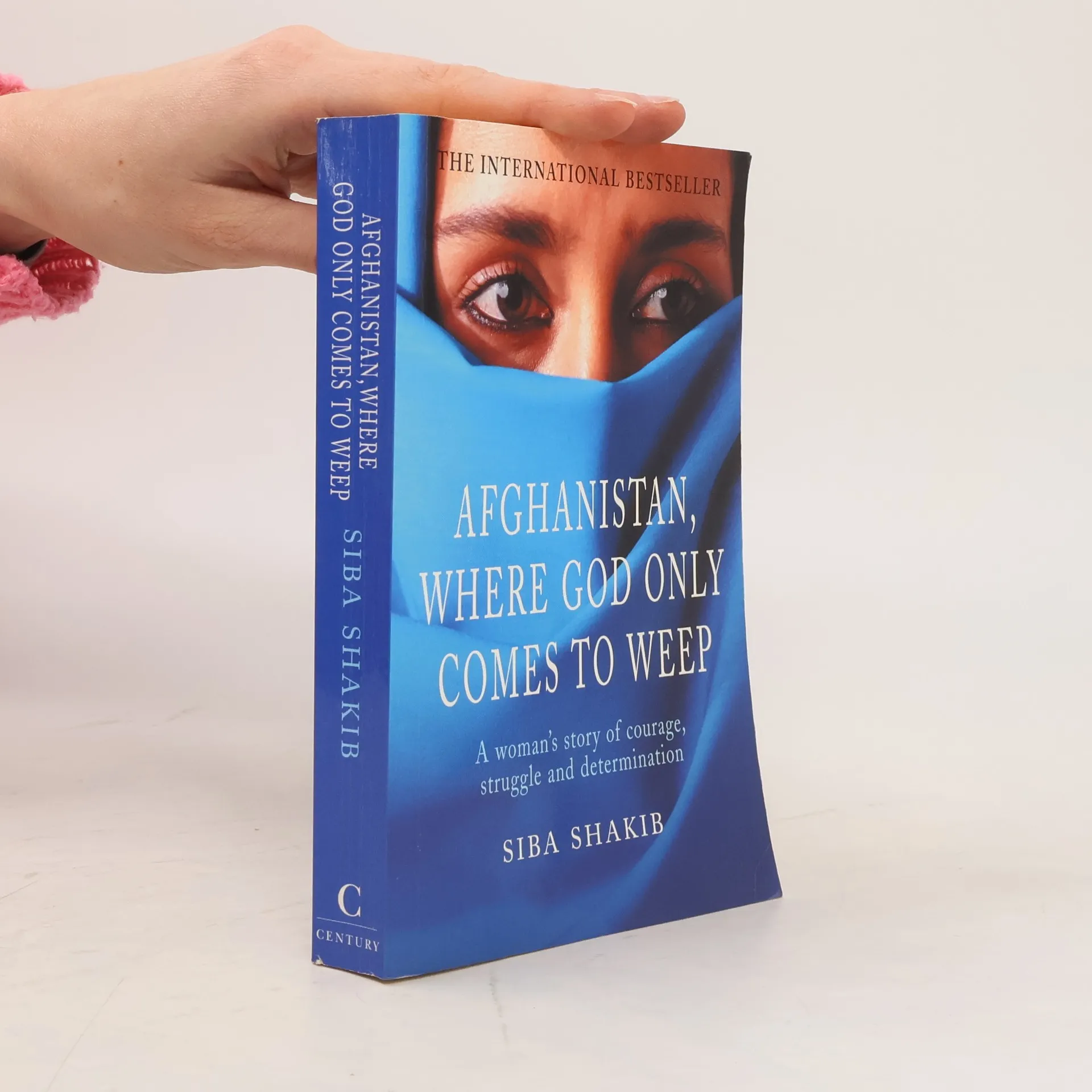
Shirin-Gol was just a young girl when her village was leveled by the Russians' bombs in 1979. After the men in her family joined the resistance, she fled with the women and children to the capital, Kabul, and so began a life of day-to-day struggle in her war-torn country. A life that included a period living in the harsh conditions of a Pakistani refugee camp, being forced into a marriage to pay off her brother's gambling debts, selling her body and begging for the money to feed her growing family, an attempted suicide, and an unsuccessful endeavor to leave Afghanistan for Iran after the Taliban seized control of her country. Told truthfully and with unflinching detail to writer and documentary-maker Siba Shakib, and incorporating some of the shocking experiences of Shirin-Gol's friends and family members, this is the story of the fate of many of the women in Afghanistan. But it is also a story of great courage, the moving story of a proud woman, a woman who did not want to be banished to a life behind the walls of her house or told how to dress, who wanted an education for her children so that they could have a chance at a future without fear and poverty.
Hans van Riemsdijk Książki


Mag z Kremla
- 280 stron
- 10 godzin czytania
„Mag z Kremla” w samej Francji sprzedał się w ponad półmilionowym nakładzie, a prawa do powieści nabyli wydawcy z wielu krajów. Głównym bohaterem jest Wadim Baranow, reżyser teatralny i producent reality show, który przypadkowo staje się kluczowym socjotechnikiem odpowiedzialnym za sukces Putina. Baranow, inspirowany Władysławem Surkowem, zrozumiał, że ludzie potrzebują mitologii, a nie polityki; pragną poczucia wyjątkowości. Dlaczego artysta i poeta staje się konstruktorem społecznej rzeczywistości, w której brakuje miejsca na zniuansowane myśli? W powieści pojawiają się również postacie znane z mediów, takie jak Borys Bierezowski, Eduard Limonow czy Jewgienij Prigożin. Dzieło, napisane przed wojną w Ukrainie, obejmuje okres od wojny w Czeczenii po inwazję na Krym, ukazując rosyjski aparat władzy jako refleksję nad uniwersalnymi mechanizmami władzy, które są aktualne w dobie nacjonalistycznych populizmów i nowych technologii. W 2022 roku powieść zdobyła Nagrodę Akademii Francuskiej i znalazła się w finale Nagrody Goncourtów. „To najlepszy debiut, jaki czytałem, od czasów »Łaskawych« Jonathana Littella” – mówi Frédéric Beigbeder.
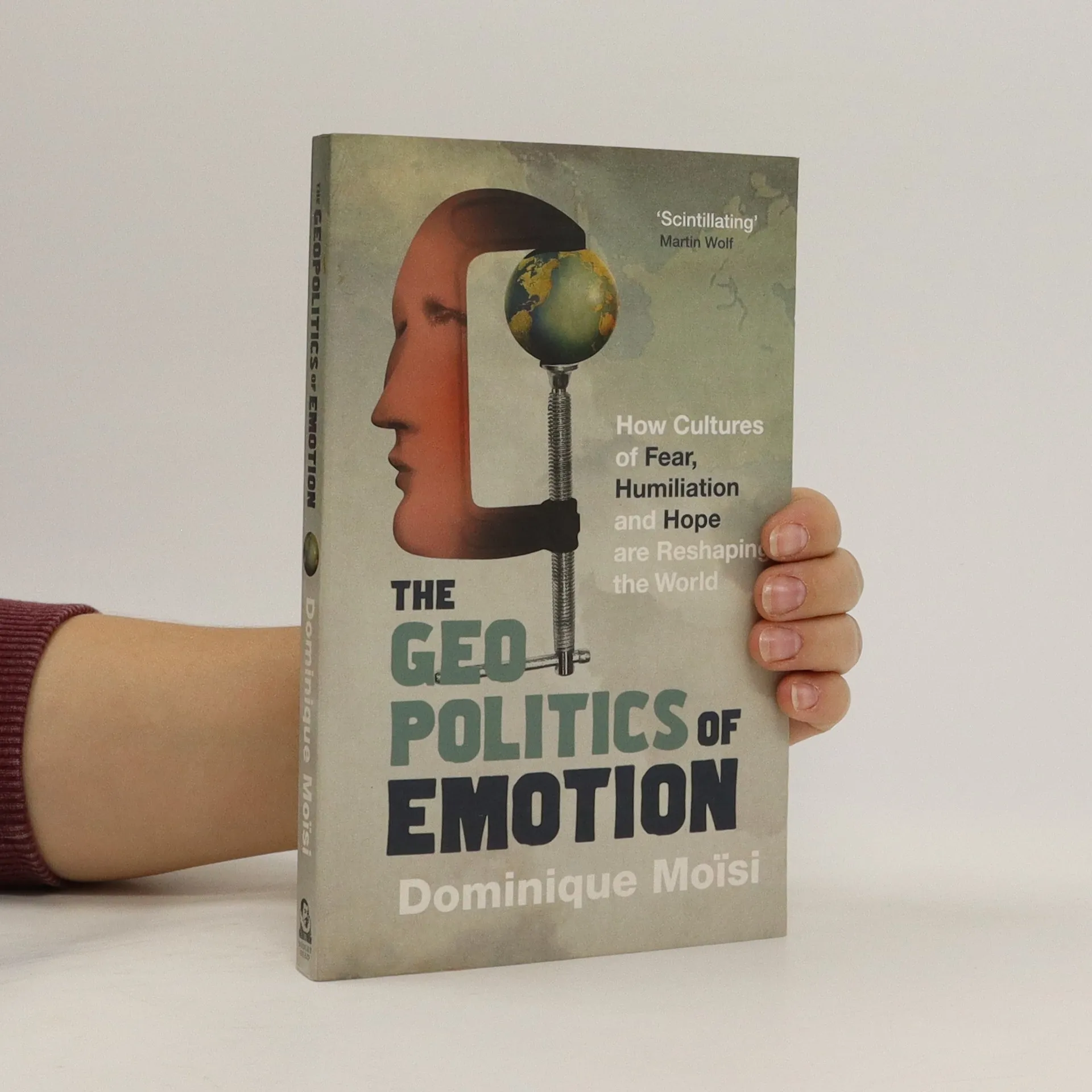
The Geopolitics of Emotion
- 192 strony
- 7 godzin czytania
In 1993 Samuel Huntington's The Clash of Civilizations offered a vision of a world divided by cultural differences, national interests, and political ideologies. In The Geopolitics of Emotion, Dominique Moisi brilliantly demonstrates that we are now in the midst of a 'clash of emotions'.Moisi contends that both Europe and the United States are dominated by a fear of the 'other' and of the loss of their national identity and purpose. For Muslims and Arabs, the combination of historical grievances, exclusion from the economic boon of globalization, and civil and religious warfare extending from their homelands to the Muslim diaspora has created a culture of humiliation that is quickly devolving into a culture of hatred. As the West and the Muslim world lock horns, Asia, able to concentrate on building a better future, has become 'the culture of hope'.By understanding the driving emotions behind our cultural differences, The Geopolitics of Emotion offers a better understanding of the world we live in and perhaps a more peaceful solution to the ignorance and differences that plague us.
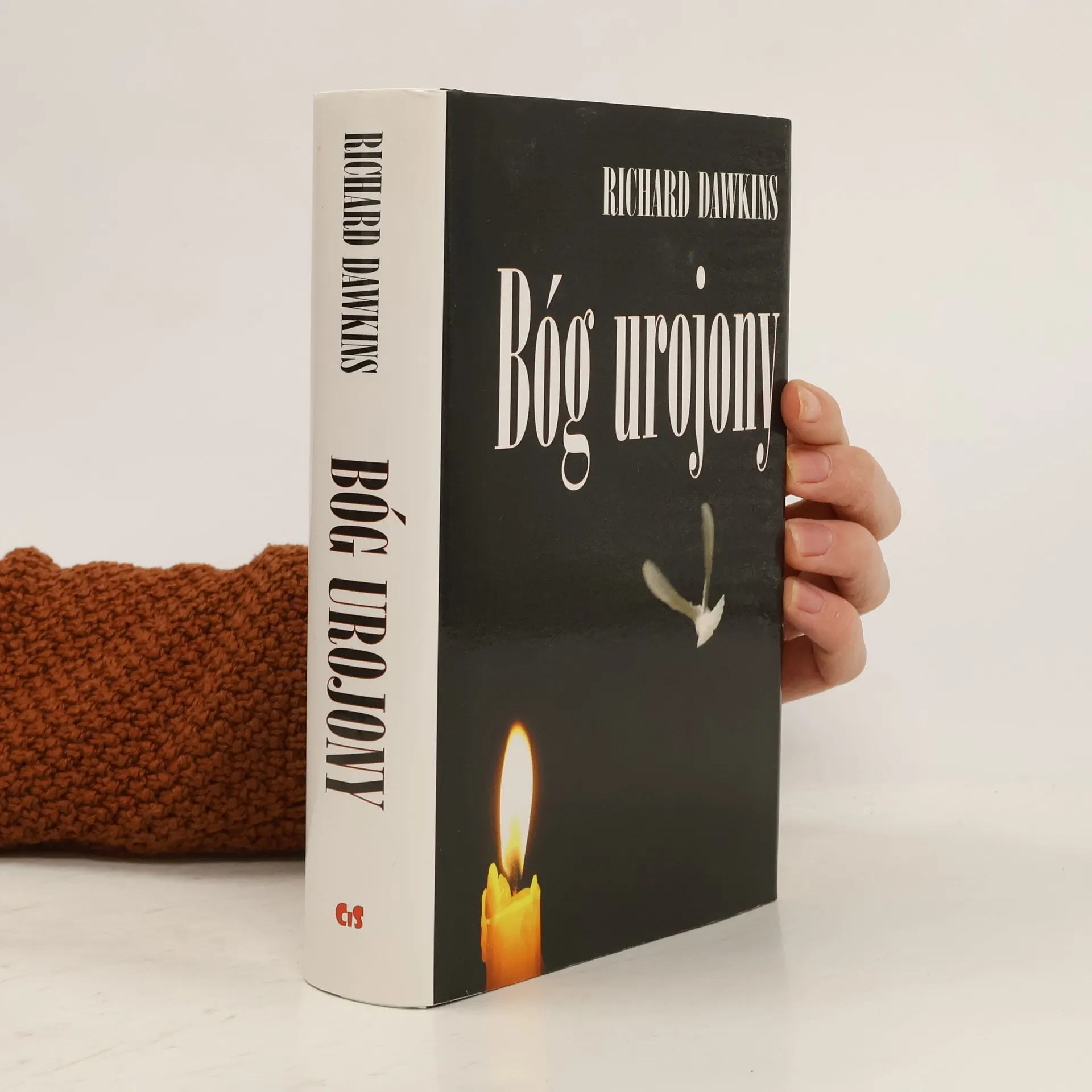
Bóg urojony
- 519 stron
- 19 godzin czytania
"Bóg urojony" wywołał sensację po publikacji w 2006 roku, stając się jednym z najbardziej kontrowersyjnych tematów. Dawkins, przedstawiając swoją pasjonującą krytykę religii, stał się postacią budzącą skrajne emocje. Jego argumenty są niezwykle aktualne. W miarę jak Europa staje się coraz bardziej zsekularyzowana, wzrost fundamentalizmu religijnego, zarówno na Bliskim Wschodzie, jak i w Ameryce Środkowej, dramatycznie dzieli opinie na całym świecie. W Stanach Zjednoczonych oraz w innych krajach toczy się intensywna debata między „inteligentnym projektem” a darwinizmem, co poważnie podważa nauczanie naukowe. W wielu krajach dogmaty religijne z czasów średniowiecza wciąż naruszają podstawowe prawa człowieka, takie jak prawa kobiet i osób LGBTQ+. Dawkins krytykuje Boga we wszystkich jego formach, obnażając główne argumenty na rzecz religii i ukazując niezwykłą nieprawdopodobność istnienia najwyższej istoty. Pokazuje, jak religia napędza wojny, podsyca bigoterię i nadużywa dzieci. "Bóg urojony" to błyskotliwie skonstruowana, fascynująca polemika, która powinna być lekturą obowiązkową dla każdego zainteresowanego tym emocjonalnym i ważnym tematem.
Het geheim van Leonardo da Vinci
- 288 stron
- 11 godzin czytania
Een spannende historische roman over Leonardo da Vinci, een inkijk in de Italiaanse renaissance Milaan, 1495. Leonardo da Vinci werkt aan zijn nieuwste meesterwerk: de muurschildering Het laatste avondmaal. Hij probeert zich op zijn taak te concentreren, maar een reeks verontrustende gebeurtenissen leidt hem af: bij de kathedraal-in-aanbouw, vlak bij Leonardo’s studio in de Corte Vecchia, vindt zijn leerling een afgehakte hand, en niet veel later wordt in een franciscaans klooster een monnik gevonden die duidelijk met geweld om het leven is gekomen. Da Vinci en zijn leerling Gian Giacomo, beter bekend als Salaì, raken steeds verder bij de zaken betrokken. Vooral als het portret van Luca Pacioli, een goede vriend van Leonardo en een beroemde wiskundige en pupil van Piero della Francesca, daarin een rol lijkt te spelen. Het portret lijkt een aantal geheimen te verbergen die onlosmakelijk met de gebeurtenissen in de stad zijn verbonden. Tijdens zijn zoektocht naar de waarheid, kan Leonardo het niet laten tal van aanwijzingen in zijn eigen kunstwerk te verwerken. Daarmee maakt hij van Het laatste avondmaal zijn meest mysterieuze creatie ooit.
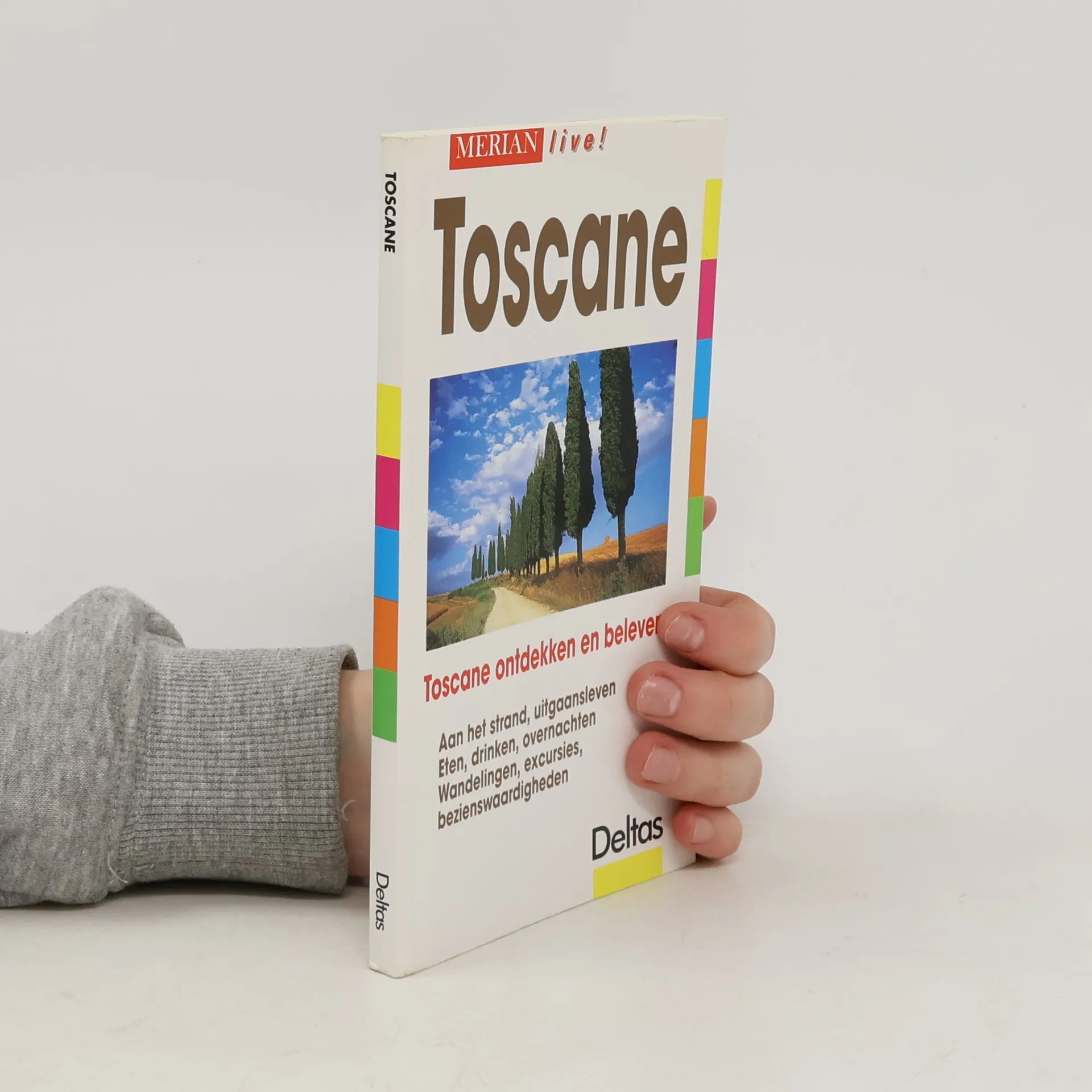
Toscane
- 120 stron
- 5 godzin czytania