
Bookbot

Alzir Hella

    Amok
    Twenty-Four Hours in the Life of a Woman
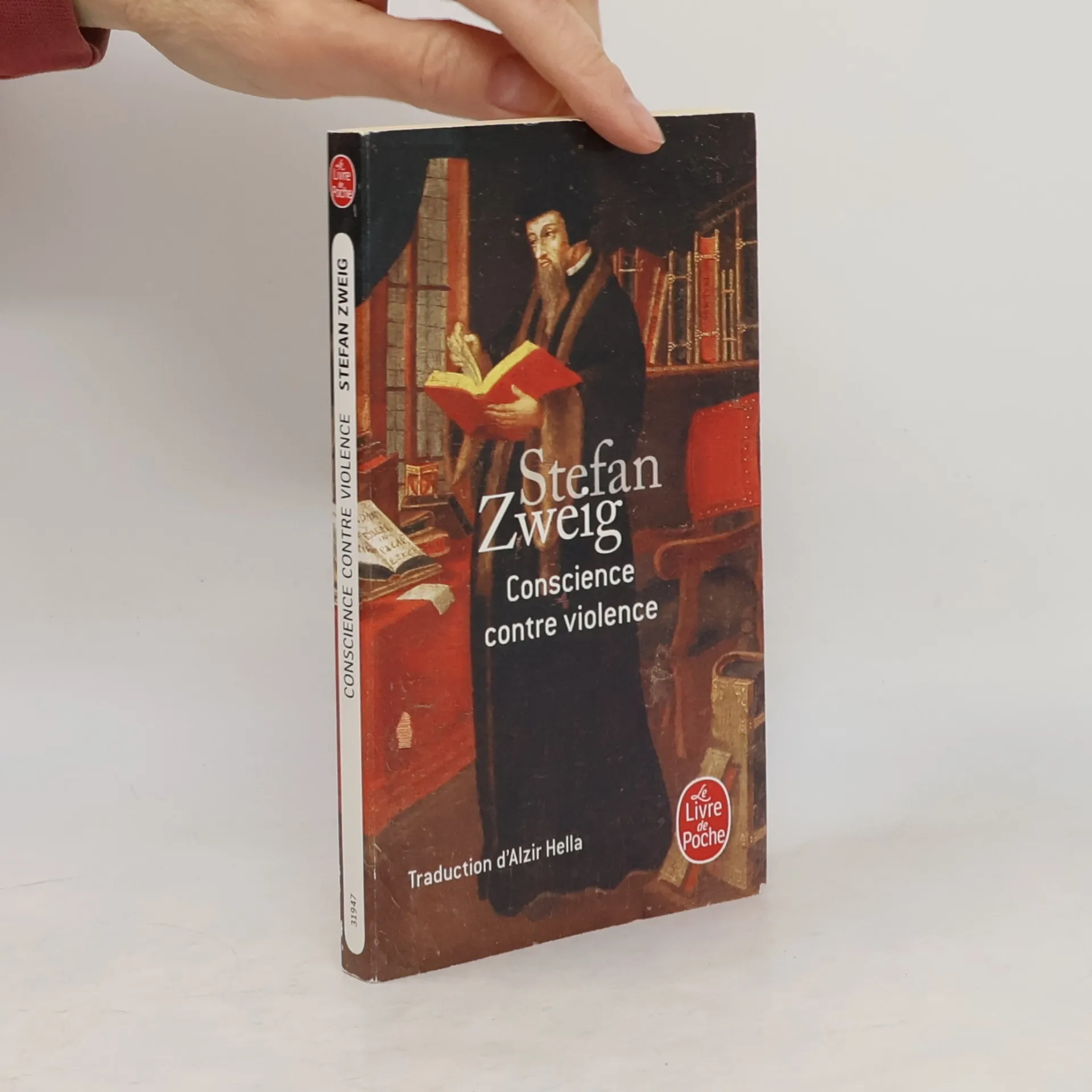
    Le Livre de Poche: Conscience contre violence
    • À partir du conflit exemplaire entre Sébastien Castellion (1515 - 1563) et Calvin, Stefan Zweig nous fait vivre un affrontement qui déborde de beaucoup son cadre historique. Cette cause nous intéresse tous: liberté et tolérance contre intégrisme. Si Stefan Zweig finit de rédiger ce texte prémonitoire en 1936, en pleine montée du fascisme, il faut y voir un sens profond. En effet, comment ne pas faire le rapprochement entre la ville de Genève et l'Allemagne nazie, entre Calvin et Hitler, les sbires de Farel et les hordes hitlériennes? Quelques décennies plus tard, fanatisme religieux et résurgence des extrêmes droites doivent à nouveau nous ouvrir les yeux. Cet écrit polémique devient alors une charge d'une force redoutable.
      Le Livre de Poche: Conscience contre violence
      4,6
    • This classic Austrian novella paints a deeply moving portrait of a woman whose quest for passion and purpose comes at a steep price The less I felt in myself, the more strongly I was drawn to those places where the whirligig of life spins most rapidly. So begins an extraordinary day in the life of Mrs C—recently bereaved and searching for excitement and meaning. Drawn to the bright lights of a casino, and the passion of a desperate stranger, she discovers a purpose once again but at what cost? In this vivid and moving tale of a compassionate woman, and her defining experience, Zweig explores the power of intense love, overwhelming loneliness and regret that can last for a lifetime.

      Twenty-Four Hours in the Life of a Woman
      4,2
    • NIEWIELU UMIAŁO ZGŁĘBIĆ TAJNIKI DUSZY LUDZKIEJ JAK AUTOR „DZIEWCZYNY Z POCZTY” I „NIECIERPLIWOŚCI SERCA”... Historie o namiętnościach - jak sam to określił w podtytule do tych opowieści austriacki pisarz. Dramatyczne i pełne wewnętrznego napięcia, a przy tym napisane tak plastycznym językiem, że weszły do kanonu literatury dwudziestego wieku. Stefan Zweig (1881-1942) to nie tylko autor wybornych nowel czy powieści, ale i literackich biografii Marii Antoniny, Magellana czy Balzaka. A jego utwory - mimo upływu już siedmiu dekad od dramatycznej, samobójczej śmierci pisarza - są ciągle wznawiane i filmowane.

      Amok
      3,9