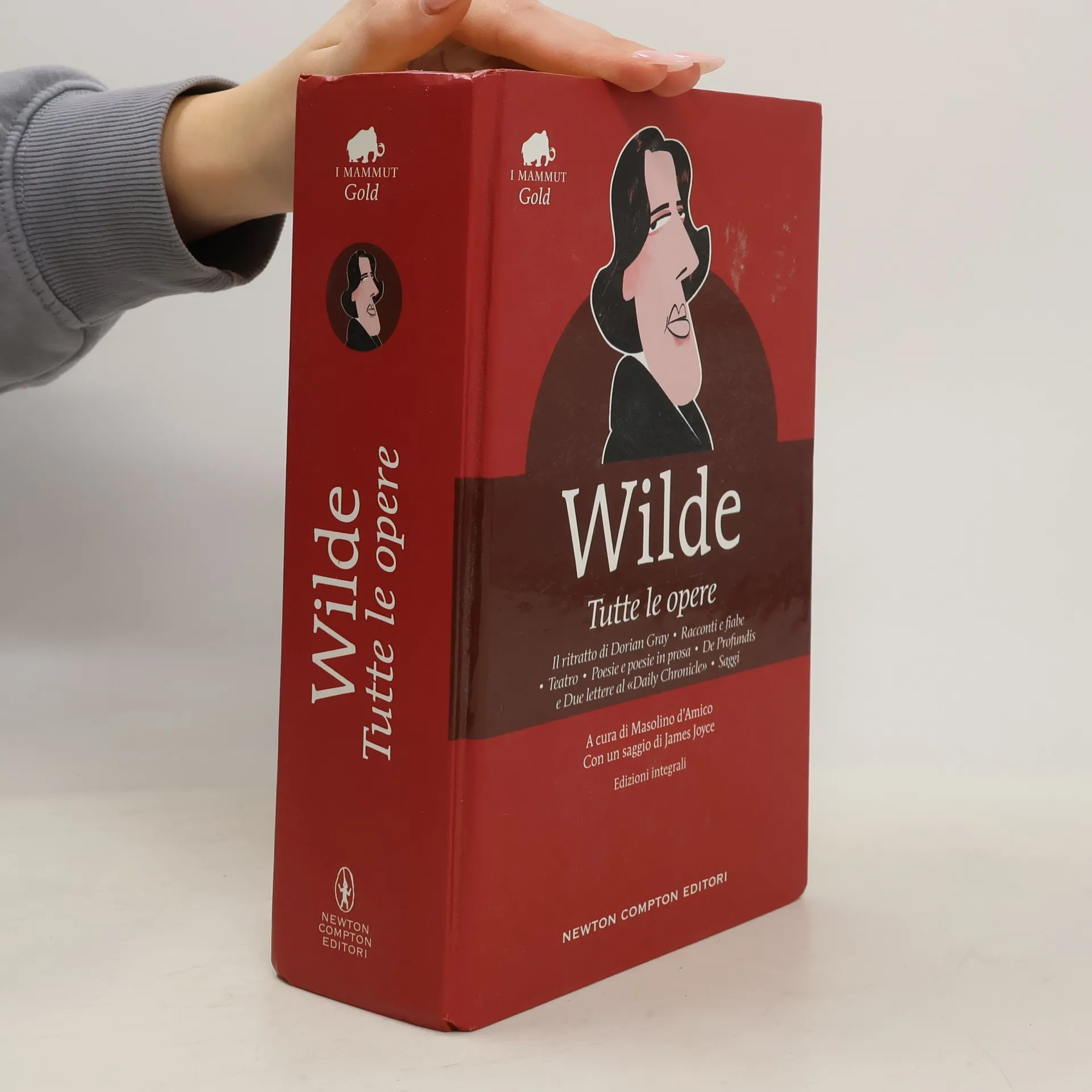
I Mammut Gold - 221: Tutte le opere
Il ritratto di Dorian Gray-Racconti e fiabe-Teatro-Poesie e poesie in prosa-De profundis e due lettere al «Daily Chronicle»-Saggi. Ediz. integrale
- 1152 strony
- 41 godzin czytania



Il ritratto di Dorian Gray-Racconti e fiabe-Teatro-Poesie e poesie in prosa-De profundis e due lettere al «Daily Chronicle»-Saggi. Ediz. integrale
"This text has been published from an untitled manuscript that was among the Conan Doyle papers sold at aution in 2004 and acquired by the British Library."--P. [121].

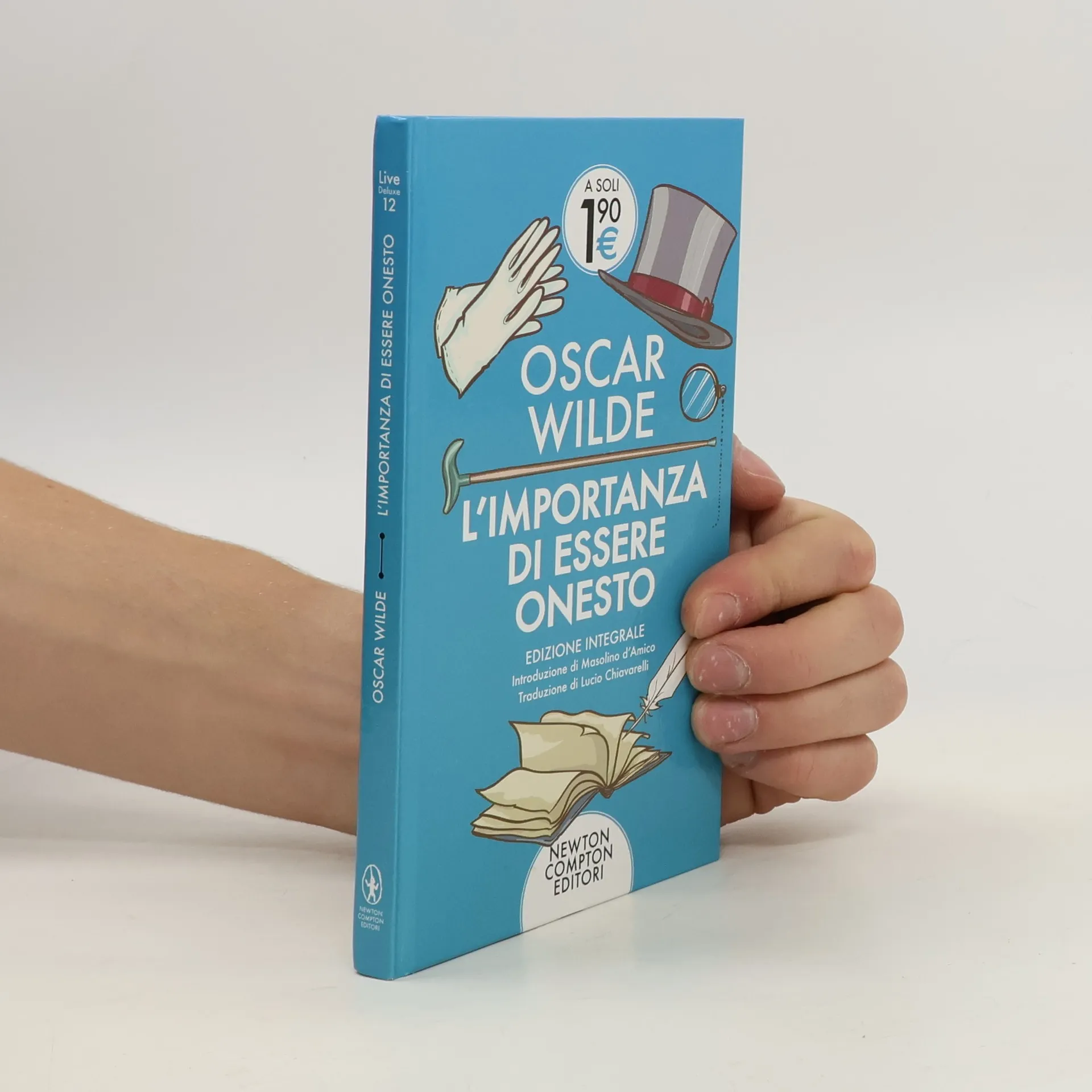
Nell’angusta atmosfera vittoriana, irrompe come un fulmine a ciel sereno L’importanza di essere onesto, considerato da molti il capolavoro teatrale di Wilde. Sin dal giorno del suo debutto, nel 1895, ha ottenuto moltissime repliche in tutto il mondo, fino alle recenti trasposizioni per il cinema. Questa «commedia frivola per persone serie» ritrae un arguto e pungente scorcio dell’aristocrazia inglese, un mondo dove la forza degli individui risiede in quello che dicono e non in quello che fanno, nel blasone e non nelle idee. Ernesto (Onesto) è l’uomo che tutte le dame – e non solo – vorrebbero avere. E per aggiudicarselo sarebbero disposte a tutto. Vanno così in scena, complici inconsapevoli, fiducia e finzione, sincerità e calcolo, onestà e manipolazione, in un’esplosione ininterrotta di battute sferzanti, molte delle quali memorabili come aforismi.
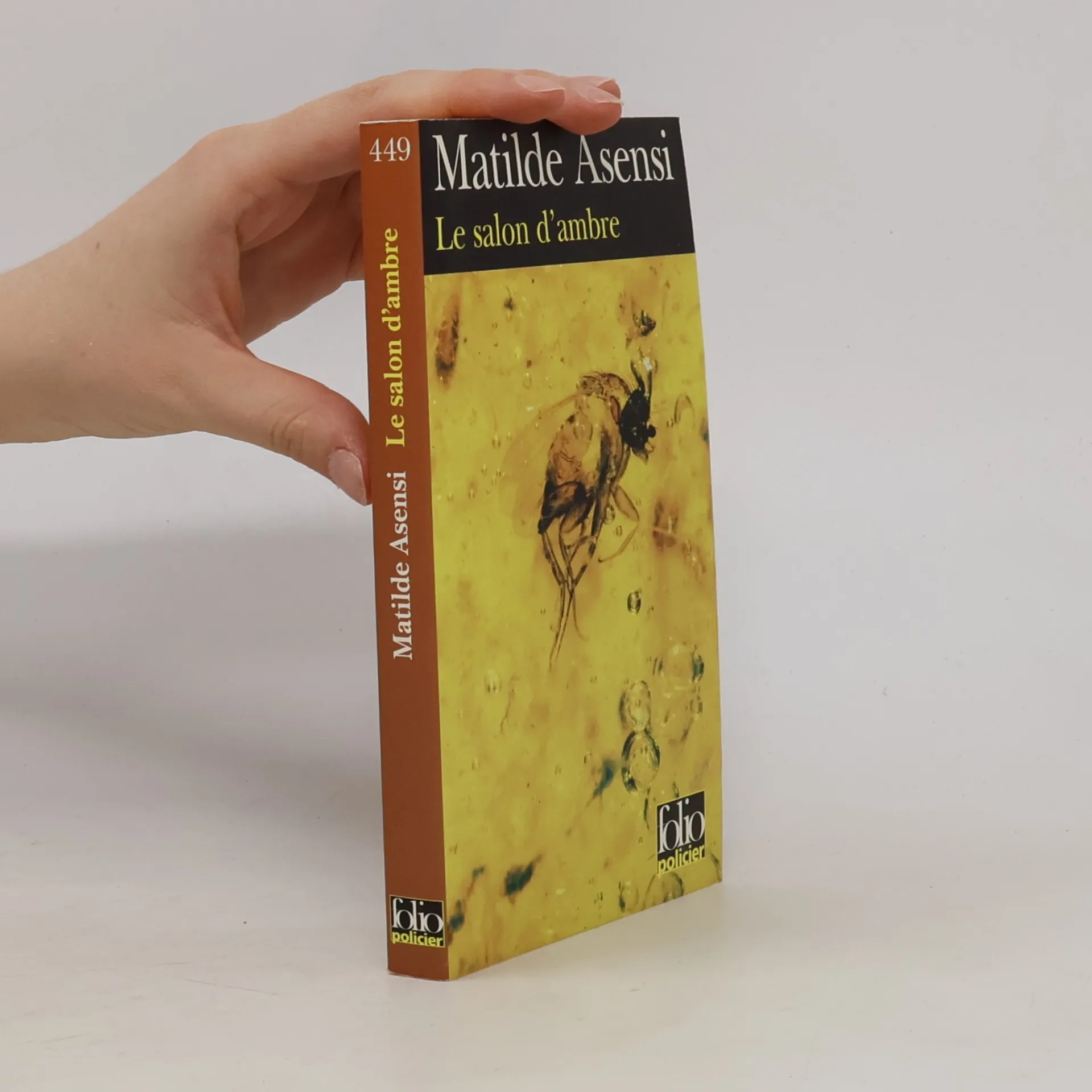
Ana Galdeano, an antique dealer, has her quiet ordinary life disrupted when she becomes involved with the "Group of Chess", a band of art thieves trying to recover a valuable piece of art.
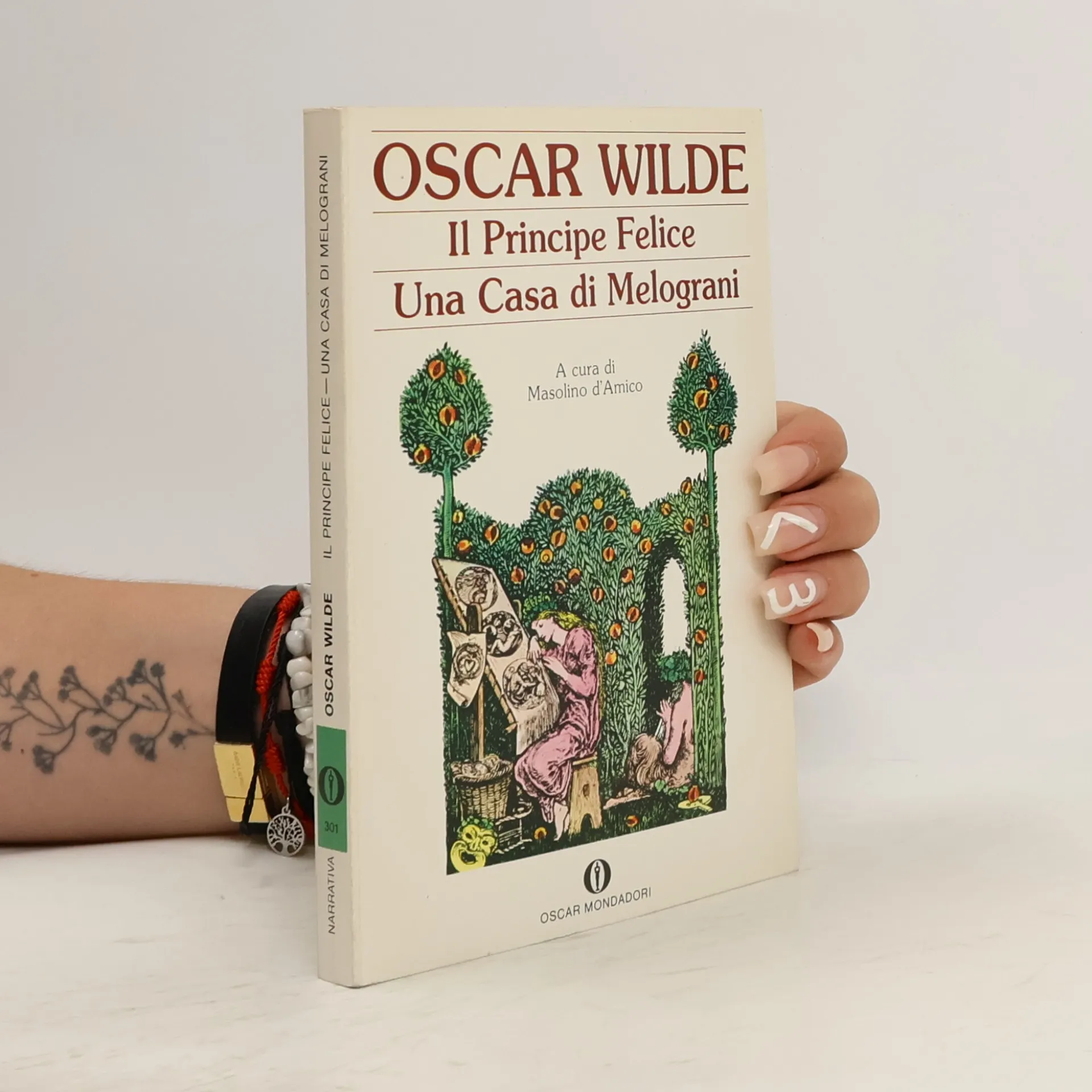
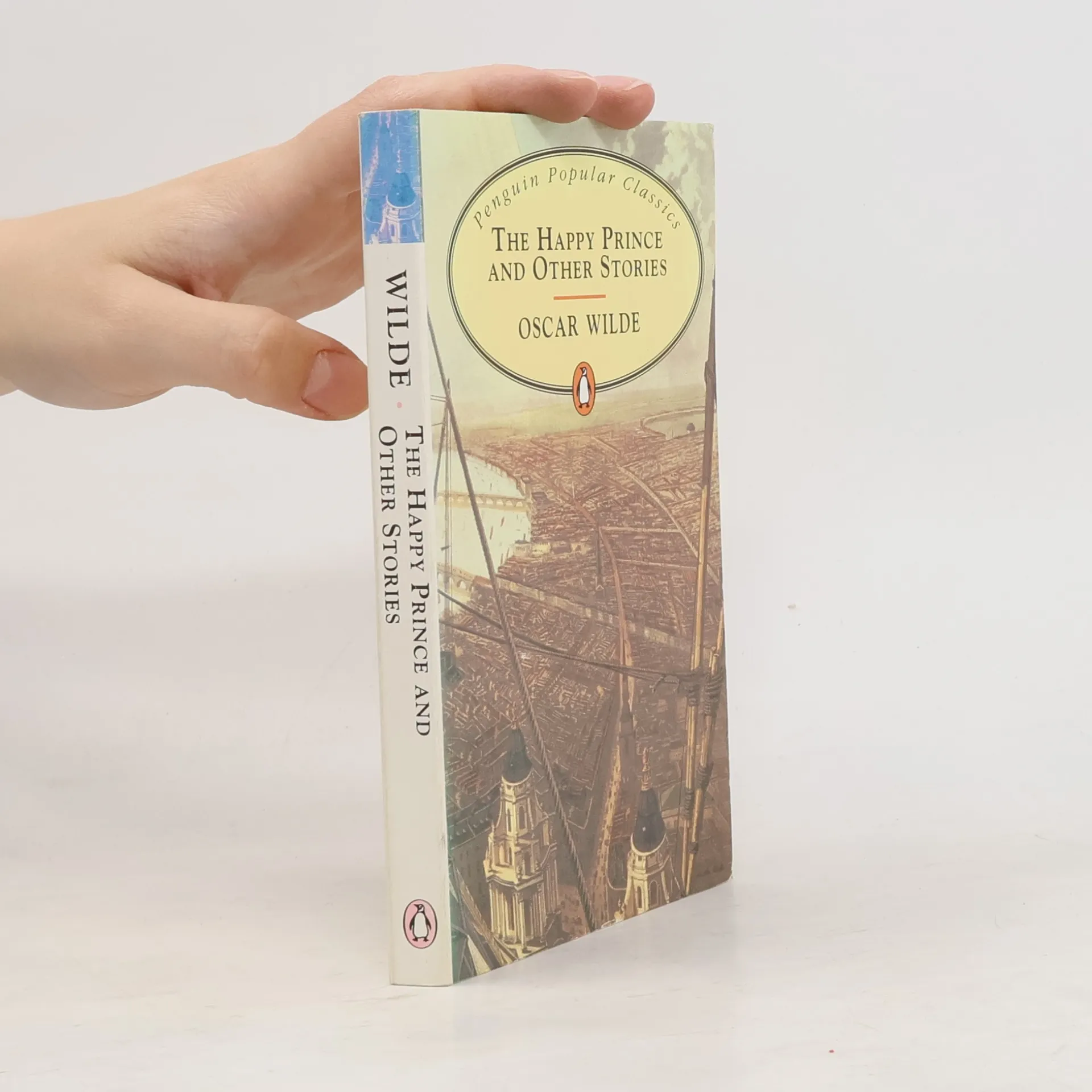
These special fairy tales, which Oscar Wilde made up for his own sons, include 'The Happy Prince', who was not as happy as he seemed; 'The Selfish Giant', who learned to love little children; 'The Star Child', who suffered bitter trials when he rejected his parents. . . . Often whimsical and sometimes sad, they all shine with poetry and magic.
In questo volume sono state raccolte le famose "Tragedie in due battute", scenette teatrali in due battute basate sul nonsense, sul paradosso. Il libro è corredato di una introduzione di Masolino d'Amico che racconta come e quando nacque questo originale genere teatrale frutto della fervida fantasia di Achille Campanile. Un libro che è un monumento alla brevità.

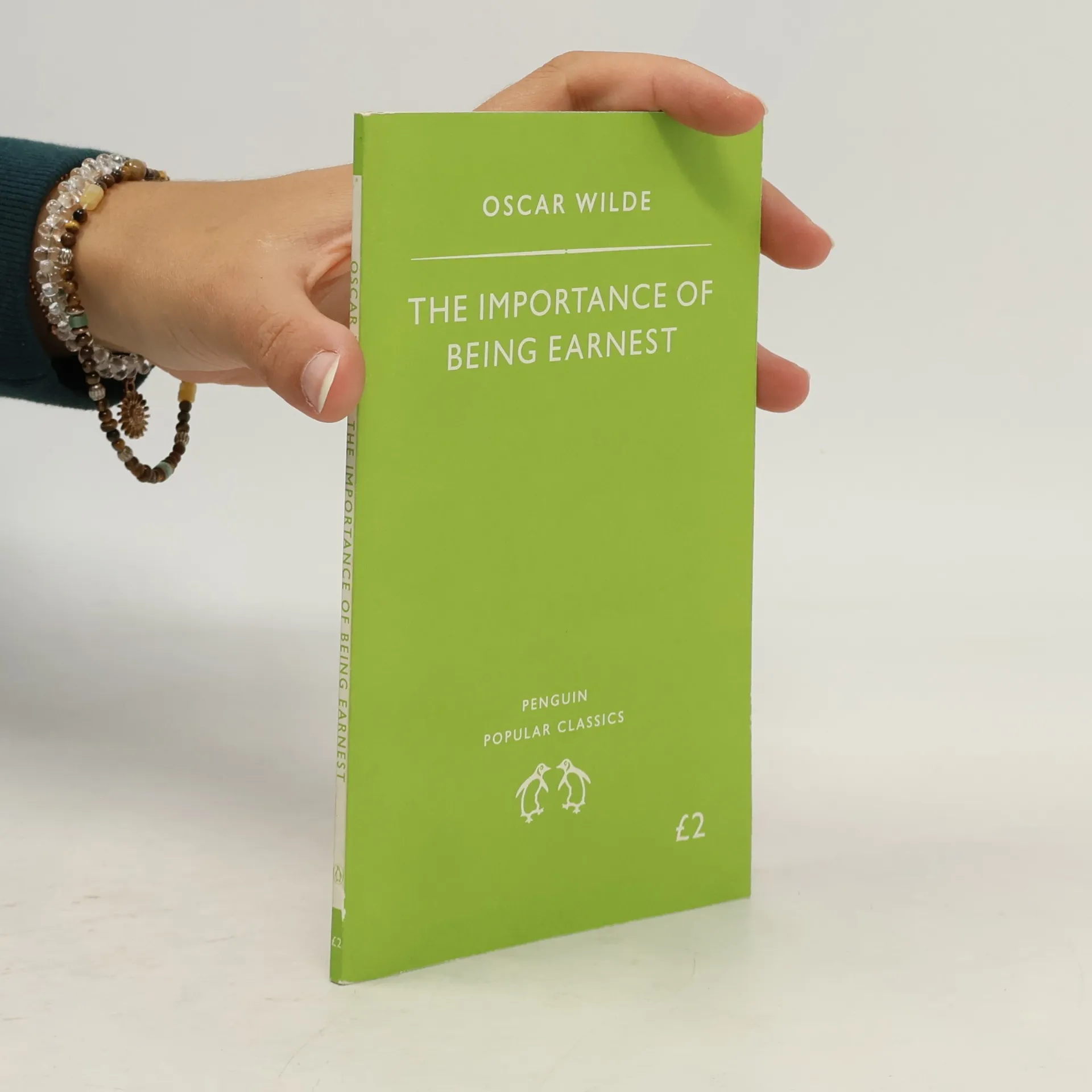
Oscar Wilde's brilliant play makes fun of the English upper classes with light-hearted satire and dazzling humour. It is 1890's England and two young gentlemen are being somewhat limited with the truth. To inject some excitement into their lives, Mr Worthing invents a brother, Earnest, as an excuse to leave his dull country life behind him to pursue the object of his desire, the ravishing Gwendolyn. While across town Algernon Montecrieff decides to take the name Earnest, when visiting Worthing's young ward Cecily. The real fun and confusion begins when the two end up together and their deceptions are in danger of being revealed.
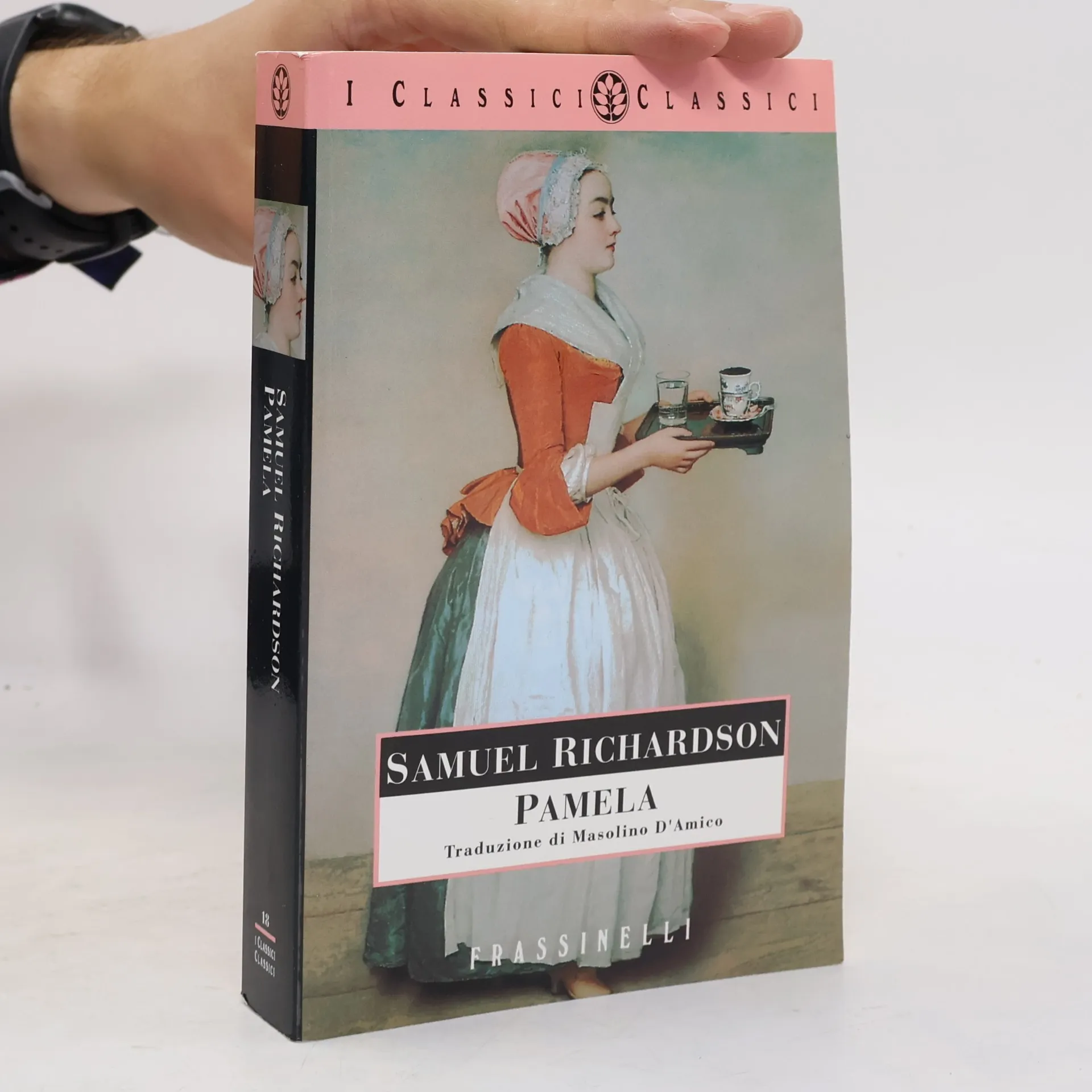
Miei cari Padre e Madre, Ho un gran dispiacere e qualche consolazione da comunicarvi. Il dispiacere è che la mia buona signora è morta della malattia di cui vi avevo detto, e ci ha lasciati tutti molto afflitti per la sua perdita; perché era una signora cara e buona, e umana con tutti noi della servitù. Io temevo molto che avendomi presa per la mia signora per servirla personalmente, mi sarei trovata di nuovo in mezzo a una strada [...] Pamela (1740) è il prototipo del romanzo borghese e del romanzo sentimentale. Avvincente, ricco di suspanse, edificante e lacrimevole, è però straordinariamente audace per la sua epoca, perché ha il coraggio di prendere per eroina una graziosa cameriera di sedici anni che, resistendo a infiniti tenteativi di seduzione, riesce ad accalappiare e sposare il suo ricco padrone. Scritto in forma epistolare e sottotitolato "La virtù premiata", questo romanzo ebbe nel Settecento uno strepitoso successo di pubblico e creò introno a Richardson stuoli di ammiratrici palpitanti e legioni di imitatori del calibro di Goldoni e di Jane Austen.v
Po raz pierwszy w Polsce wszystkie opowiadania G.K. Chestertona o ojcu Brownie zebrane w jednym tomie! Ojciec Brown to skromny, szczery i przesympatyczny ksiądz, który posiada niebywałą zdolność do rozwiązywania nawet najbardziej skomplikowanych zagadek kryminalnych. Tajemnica jego sukcesu leży w nieprzeciętnej inteligencji. Używając wyobraźni i sprytu, stawia się na miejscu przestępcy i próbuje odgadnąć jego kolejny ruch. Czasem wystarczy zaledwie jeden rzut jego uważnego oka na miejsce zbrodni, aby odtworzyć najbardziej nawet nieprawdopodobny scenariusz, aby odkryć motywy kierujące zbrodniarzem i jego tożsamość, aby odsłonić wszystkie tajemnice. W dodatku w swojej chrześcijańskiej wielkoduszności nie wątpi, że zawsze można uzyskać przebaczenie i odkupienie… Niezwykle intrygujące opowiadania pełne charakterystycznego dla Chestertona angielskiego humoru, skomplikowanych spraw kryminalnych, niezwykłych zbiegów okoliczności i zaskakujących zwrotów akcji.
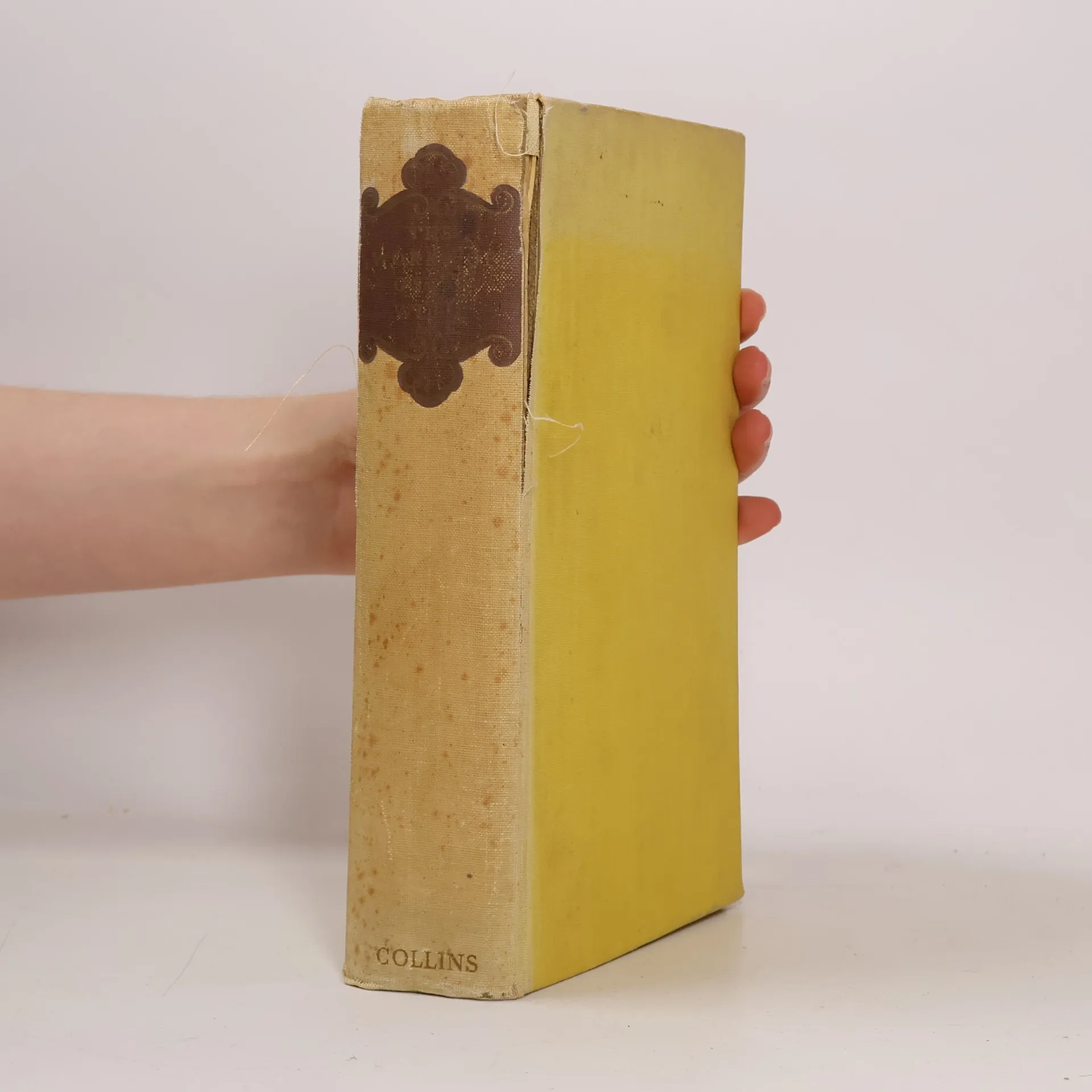
In print since 1948, this is a single-volume collection of Oscar Wilde's texts. It contains his only novel, The Portrait of Dorian Gray as well as his plays, stories, poems, essays and letters. Illustrated with many photographs, the book includes introductions to each section by Wilde's grandon, Merlin Holoand, Owen Dudley Edwards, Declan Kibertd and Terence Brown. A comprehensive bibliography of works by and about Oscar Wilde together with a chronological table of his life and work are also included.

Set in St Basil's, a North London parish, Barbara Pym's novel is full of high comedy. Her depiction of characters begins with Mark the vicar, and his wife Sophia who is quite obsessed with cats, as is Daisy Pettigrew, the vet's sister.
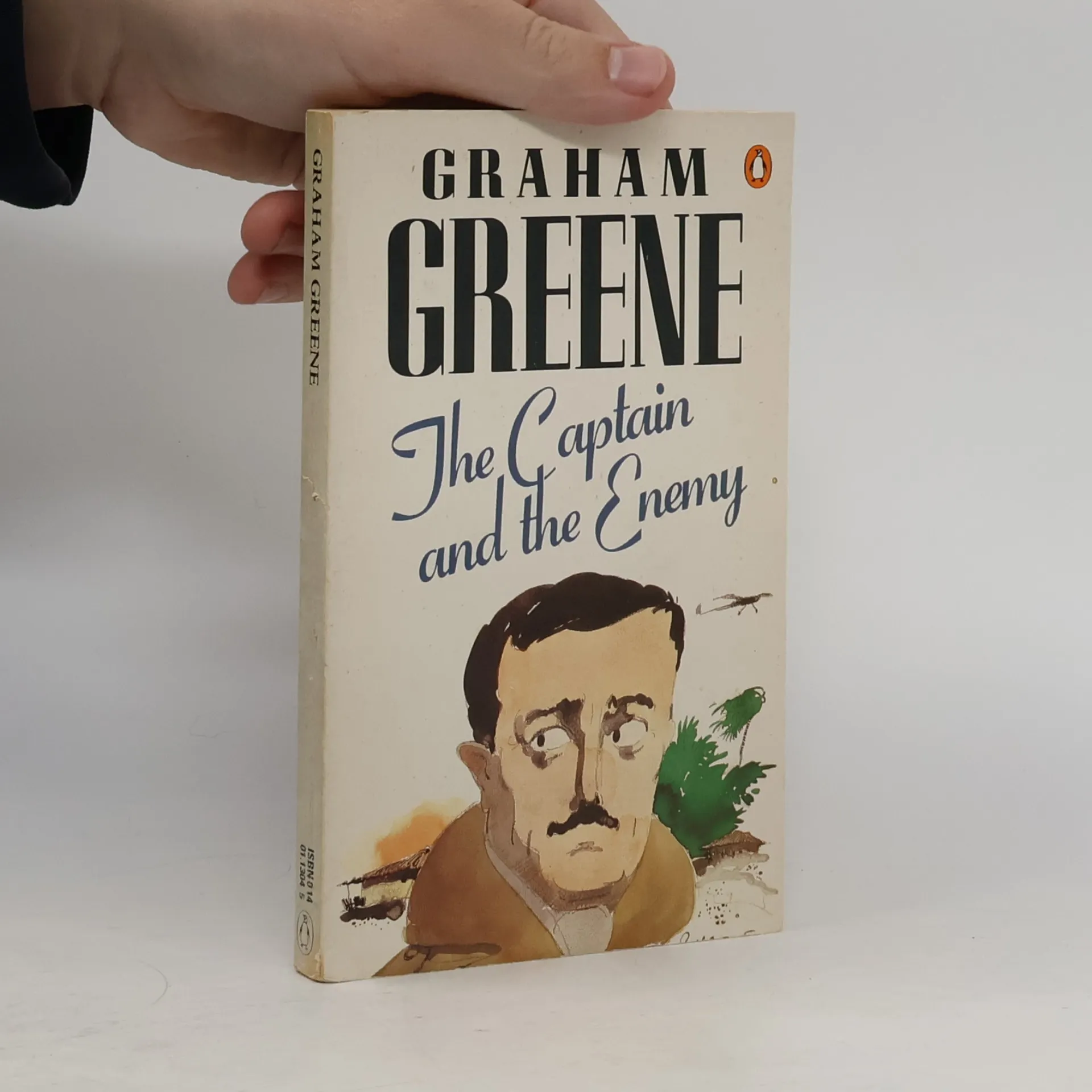
Victor Baxter is a young boy when a secretive stranger known simply as "the Captain" takes him from his boarding school to live in London. Victor becomes the surrogate son and companion of a woman named Liza, who renames him "Jim" and depends on him for any news about the world outside their door. Raised in these odd yet touching circumstances, Jim is never quite sure of Liza's relationship to the Captain, who is often away on mysterious errands. It is not until Jim reaches manhood that he confronts the Captain and learns the shocking truth about the man, his allegiances, and the nature of love. This Penguin Classics edition features an introduction by John Auchard.