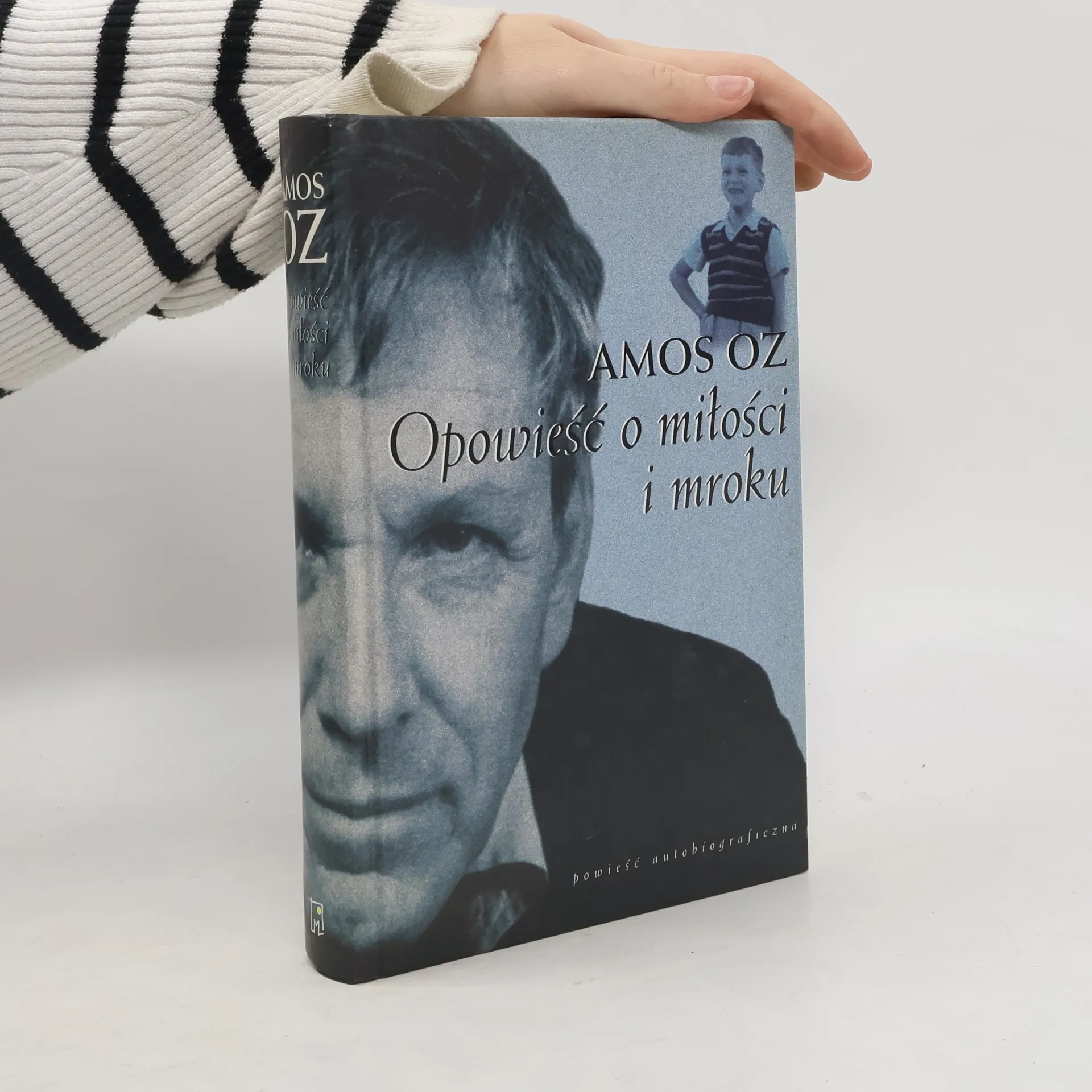
"Opowieść o miłości i mroku" to podróż ku historii życia, miłości i obsesji kilku pokoleń rodziny Oza. To autobiografia, która obok fikcji, przedstawia marzenia Oza, książki, te ulubione, i te, które pisał, życie dziwne, czasem trochę lunatyczne, ludzi zastraszonych, marzycieli i szaleńców czasu Palestyny mandatu brytyjskiego i pierwszych lat nowego państwa.
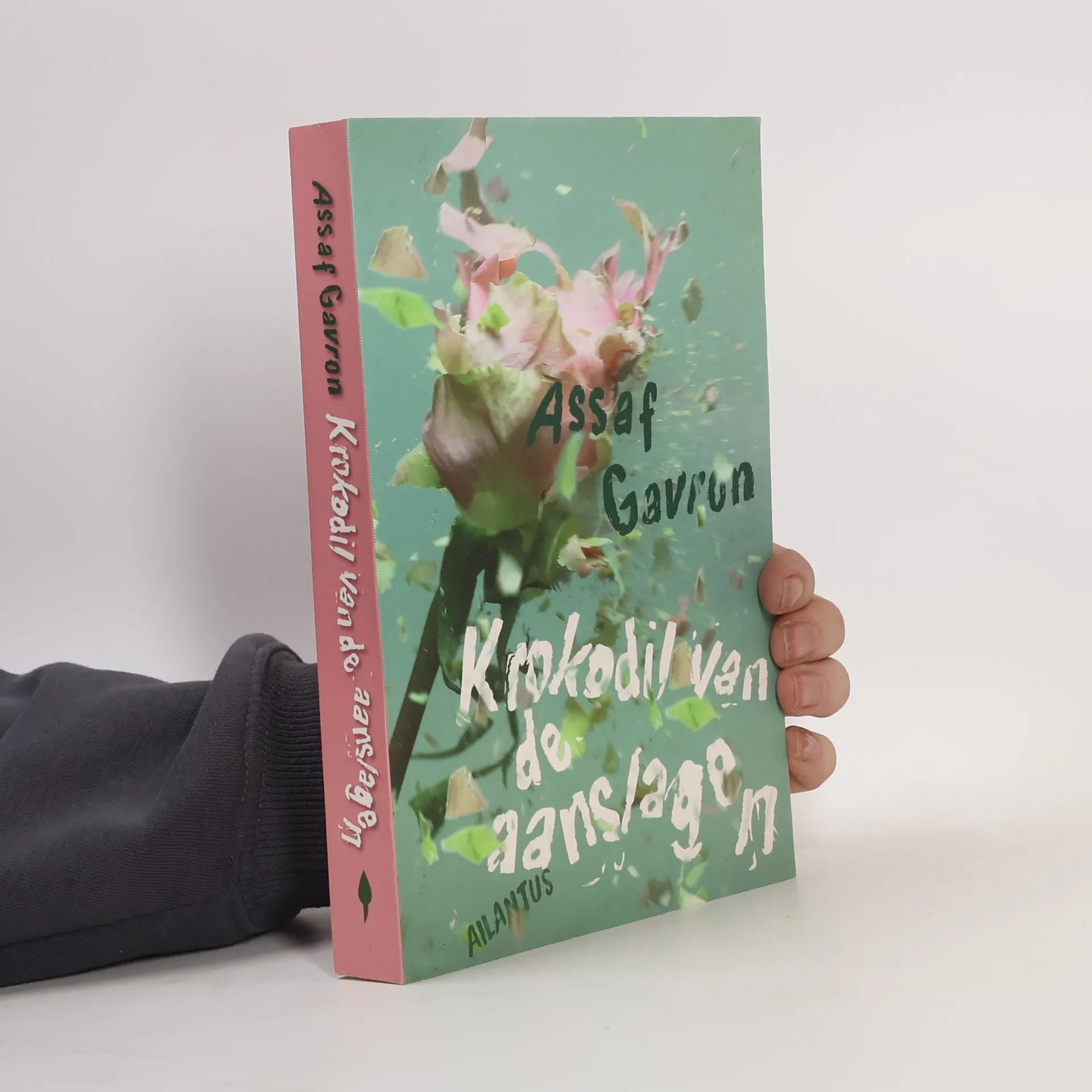
Politically incorrect, provocative, and steeped in wit and irony, a fast-paced tragicomedy about the perfectly ordinary madness in today's Middle East A thirtysomething Tel Aviv businessman, Eitan "Croc" Einoch's life is turned upside down when he narrowly escapes a suicide bombing on the minibus he rides to work. When he lives through a second attack, and then a third, he becomes, reluctantly, a national media celebrity. Naturally, the Palestinian terrorists responsible for the attacks are less than happy. This embarrassing symbol of their failure--this "CrocAttack"--must be neutralized. Meanwhile, Fahmi Sabih lies in a coma, quarrelling with his conscience. The young Palestinian suicide bomber has learned everything he knows about bombs, targets, and revenge from his brother. So why has Einoch survived? As Fahmi's story unfolds, it becomes clear that their paths are destined to cross again--for there is another bombing still to come--and then luck will change drastically for one or both of them. But who, if anyone, has right on his side?
Hurled between childhood and adulthood, between the pure and the profane, he is like a volcano of emotions and impulses. But, like his hero Houdini, Aron still struggles to escape from the trap of growing up.
W swojej kolejnej fascynującej powieści Amos Oz w niezwykły sposób rozprawia
się z motywem zdrady... Zimą 1959 roku Szmuel Asz przerywa studia na
Uniwersytecie Hebrajskim ze względu na osobisty kryzys wywołany pogorszeniem
się sytuacji materialnej, porzuceniem przez dziewczynę oraz poczuciem, że jego
praca magisterska pt. Jezus w oczach Żydów utknęła w martwym punkcie. Szukając
pracy zarobkowej, znajduje anons z ofertą: dotrzymywanie towarzystwa starszemu
niepełnosprawnemu człowiekowi w zamian za zakwaterowanie i skromne
wynagrodzenie. I tak Szmuel spędza zimę w domu pracodawców, zyskując tam
potrzebny czas i spokój i prowadząc ożywione dyskusje z podopiecznym, w
których przewijają się wątki zdrady i wierności, marzycielstwa, obłędu i
racjonalności w dziejach narodu żydowskiego oraz w relacjach pomiędzy
zwaśnionymi narodami i religiami. Ogniskują się one wokół postaci Judasza
Iskarioty, który zdaniem Szmuela odgrywa kluczową rolę we wszystkich
żydowskich polemikach z chrześcijaństwem od starożytności aż po czasy
nowożytne. Ponadto w życiu mieszkańców domu, staruszka i jego tajemniczej,
fascynującej Szmuela synowej, kilka spraw spowija głębokie milczenie...
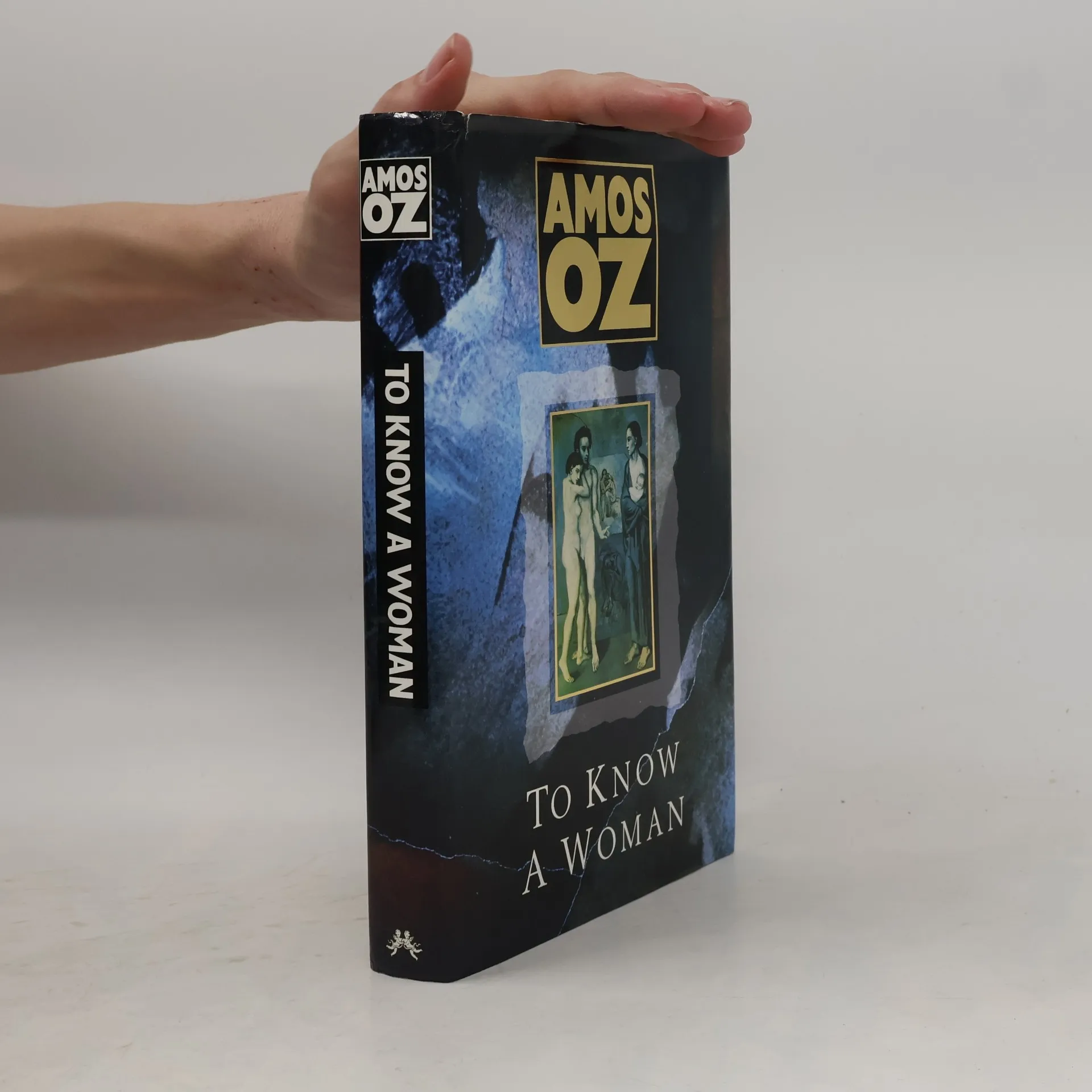
In a psychological and metaphysical study of a man, Yoel Ravid, a retired Israeli secret service agent who lives a simple life at home, questions his life and his relationships with women
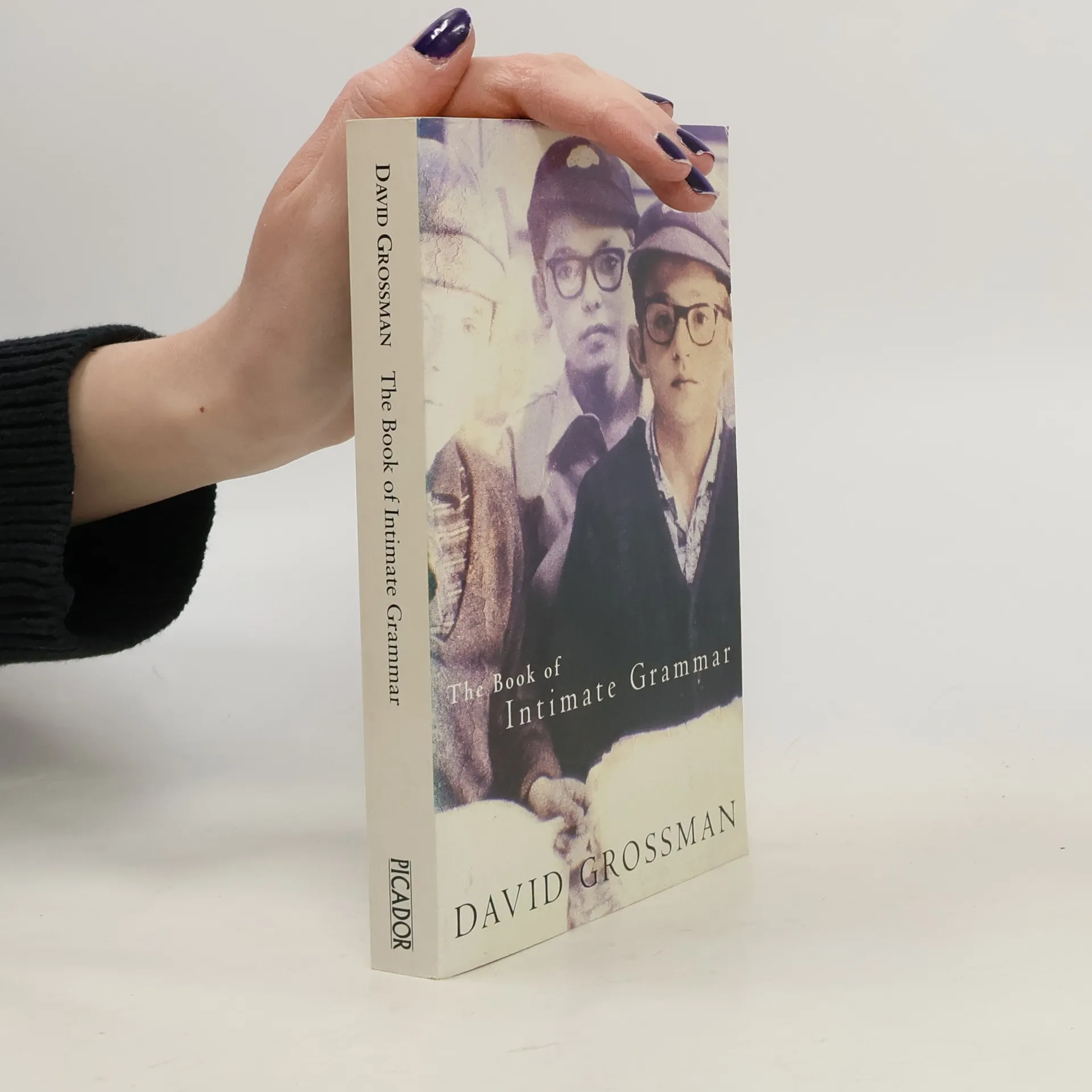
Momik grows up in Israel in the 1950s. One day, his grandfather, who supposedly died during the war, unexpectedly appears in his home. He tells a story from the land "There," which the boy cannot comprehend, and then... disappears. To understand the terrible fate of his family and nation, Momik becomes a writer. Following in the footsteps of his spiritual master, Bruno Schulz, he finds himself in Poland during the Solidarity era. He also writes a camp psychodrama about the torturer and the victim. All this is to understand Evil. What is it? Why does man commit it? Can it be eliminated once and for all? A multi-layered novel that combines humor and tragedy, everyday life and metaphysics, full of surprising images and insights, spans over forty years.
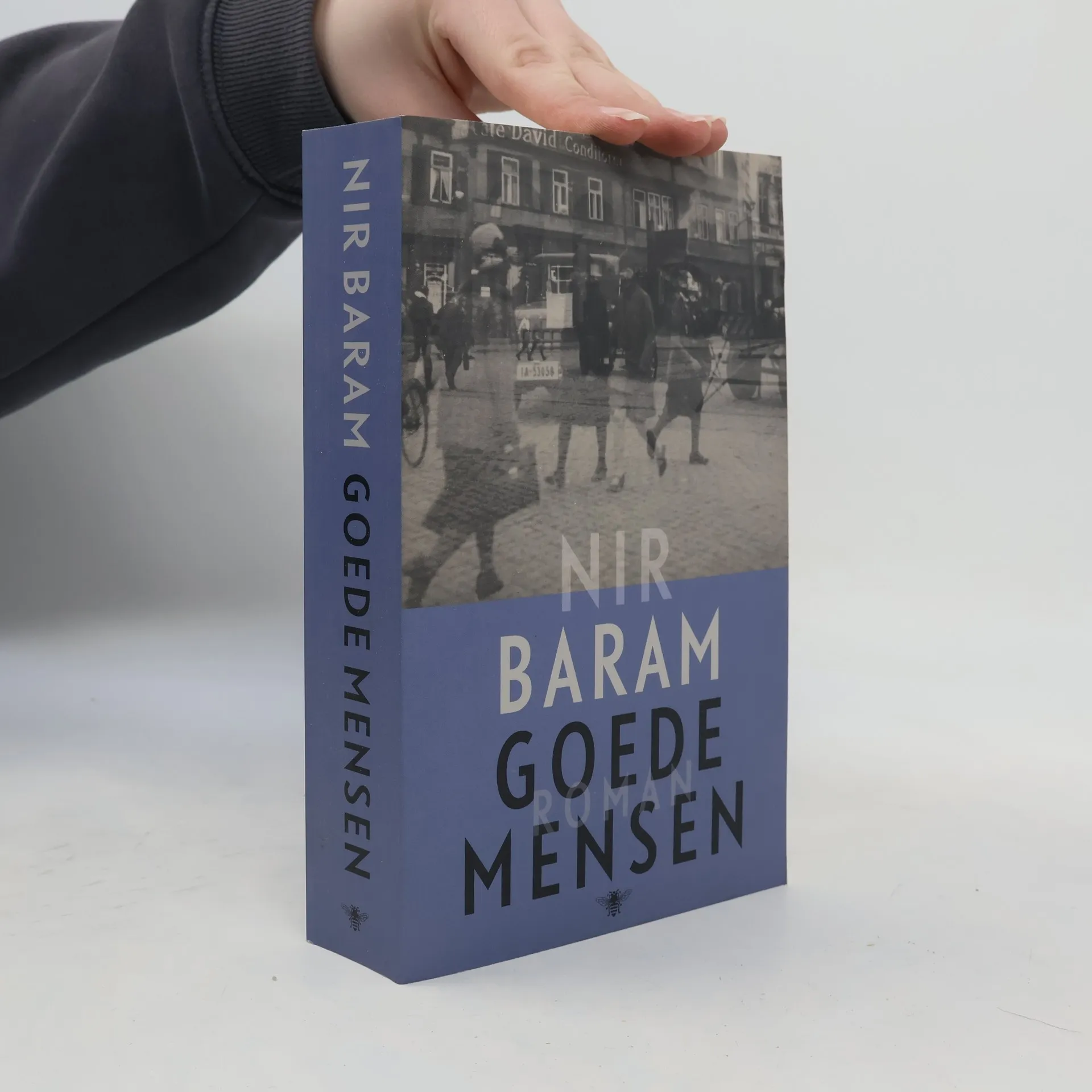
Thomas Heiselberg, een briljante en ambitieuze marktonderzoeker, zet in Berlijn van de jaren dertig alles op het spel om succesvol te worden. Een nieuw bewind is aan de macht in Duitsland en Thomas beseft dat hij zijn specifieke talenten moet inzetten om te overleven in het Derde Rijk. Op datzelfde moment staat in Leningrad de jonge, joodse Aleksandra Vajsberg voor een onmenselijke keuze. Haar ouders zijn door de communistische machthebbers bestempeld als 'vijanden van het volk' en zijn hun leven niet meer zeker. Om haar broertjes dat lot te besparen is Aleksandra gedwongen samen te werken met het regime dat haar familie bedreigt. Aan de vooravond van de oorlog tussen Duitsland en Rusland denken Thomas en Aleksandra allebei dat ze een persoonlijke keuze maken, maar de gevolgen ervan zijn groter dan ze ooit hadden voorzien.