

Bookbot

Hugh B. Price

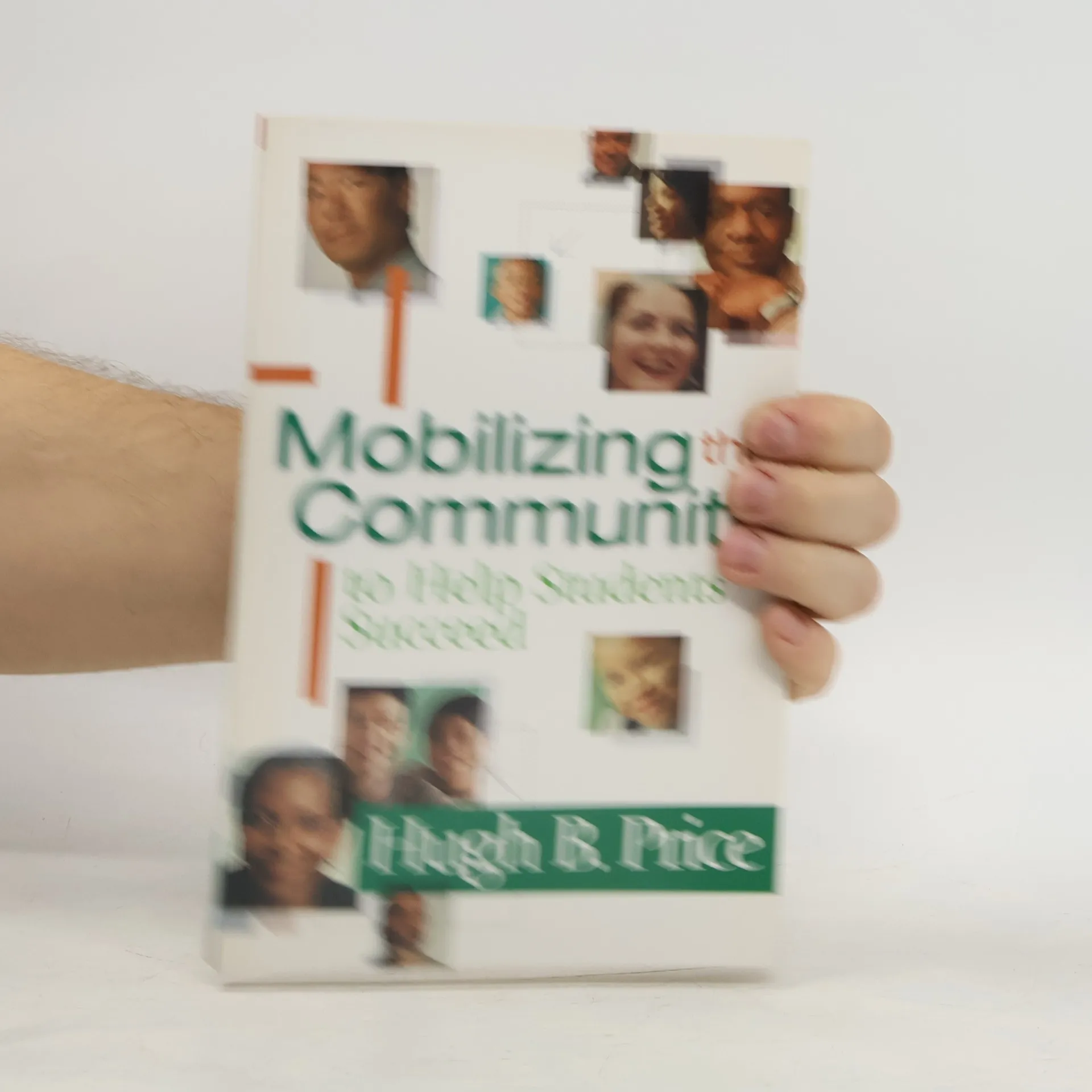
    Mobilizing the Community to Help Students Succeed
    Lectures on Philosophy - Translated by Hugh Price, With an Introduction by Peter Winch
    • Simone Weil's Leçons de Philosophie are derived from a course she taught at the lycée for girls at Roanne in 1933-4. Anne Reynaud-Guérithault was a pupil in the class; her notes are not a verbatim record but are a very full and, as far as one can judge, faithful rendering, often catching the unmistakable tone of Simone Weil's voice as well as the force and the directness of her thought. The lectures form a good general introduction to philosophy, ranging widely over problems about perception, mind, language, reasoning and problems in moral and political philosophy too. Her method of presentation is a characteristic combination of abstract argument, personal experience and literary or historical reference. Peter Winch points out in his introduction to the book some of the more systematic connections in her philosophical work (and between this philosophical work and her other concerns), and makes a number of suggestive comparisons between Simone Weil and Wittgenstein. The translation is by Hugh Price from the Plon edition of 1959. Dr Price has added some notes to explain references in the text that might be unfamiliar to English speaking students beginning philosophy.

      Lectures on Philosophy - Translated by Hugh Price, With an Introduction by Peter Winch
      4,0
    • In Mobilizing the Community to Help Students Succeed , Hugh B. Price shares the lessons learned while helping to do just that during his tenure as president of the National Urban League. Here, find out how educators can apply some of the same tactics to inspire and award academic achievement in even the most challenged school districts. Using real-life examples and shared wisdom from successful educators and community organizers coast to coast, Price describes ways to* Create initiatives such as community-based honor societies, parades, and rallies to motivate students and reward achievement;* Include parents in motivational efforts to rekindle students' natural curiosity and enthusiasm for learning;* Enlist the support of businesses and other community partners for both financial support and volunteer help;* Maximize use of the media to publicize student accomplishments; and* Set up programs that honor student achievement year-round.According to Price, a highly informed and engaged community is essential to closing the achievement gap. This book underscores that community-based efforts to motivate student success can be effective because they have been effective. The message for educators, parents, business and civic leaders, and members of the general public is that their consistent and creative involvement will result in invigorated youngsters, inspired to achieve in school and in life.

      Mobilizing the Community to Help Students Succeed
      3,0