Angkor: Cities and Temples
- 319 stron
- 12 godzin czytania
Features the most significant monuments of Angkor, showing the extraordinary achievements of the Khmer civilization.


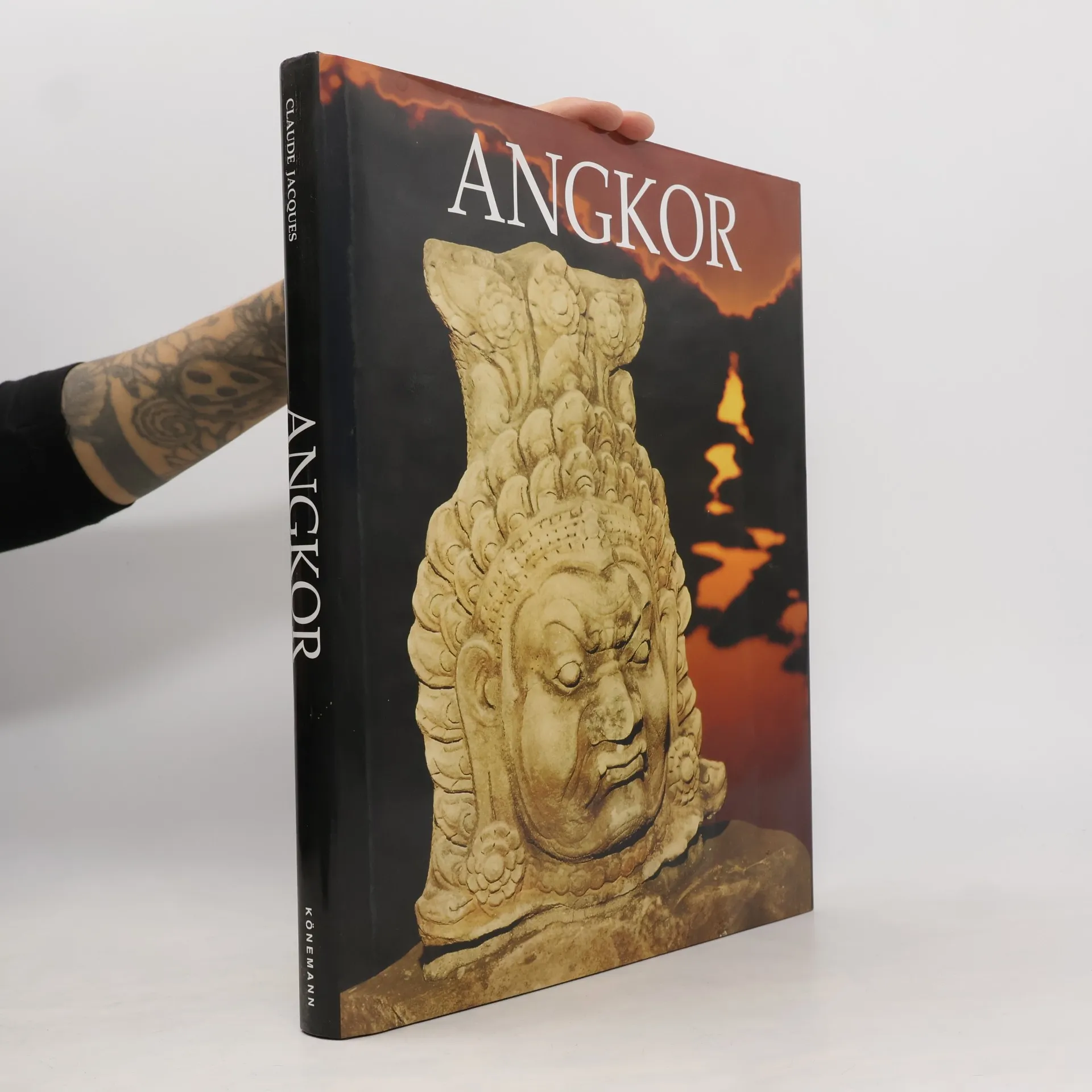
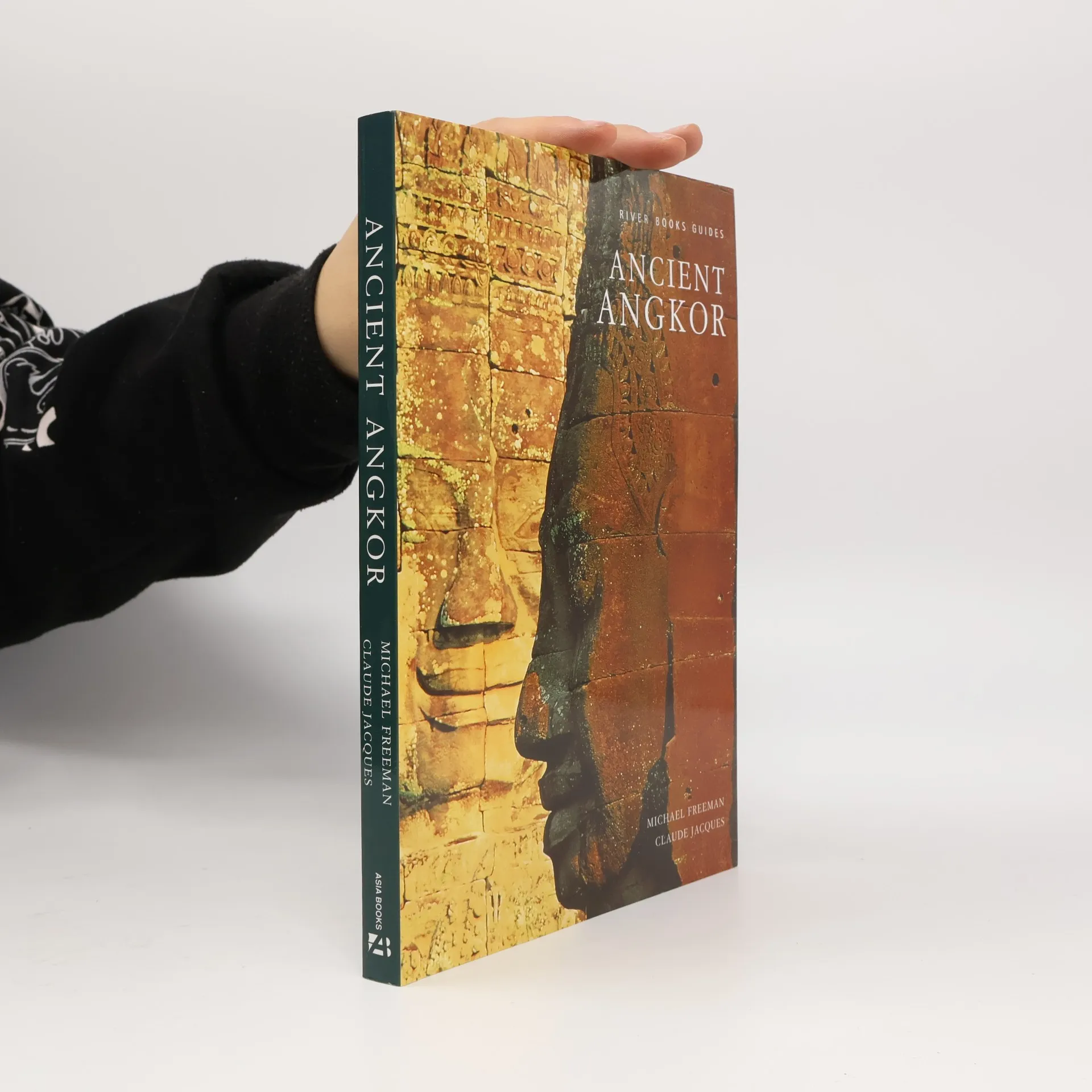
Features the most significant monuments of Angkor, showing the extraordinary achievements of the Khmer civilization.
The Khmer civilization centred on Angkor was one of the most remarkable to flourish in Southeast Asia. Between the 8th and the 13th centuries, a succession of Hindu and Buddhist kings created magnificent temples in stone. Their elaborate carvings and intricate architecture amazed the first Europeans who visited in the 19th century and continue to fascinate today, when after many years of political turmoil, Angkor is once again accessible. The renowned French scholar, Claude Jacques, has studied Angkor and its history for the past 30 years, while Michael Freeman has made many photographic trips there during a 15 year period. Ancient Angkor embodies the fruits of their collaboration and includes the results of new research and discoveries made during recent excavations. Detailed plans and descriptions unravel the complex reliefs of Angkor Wat and the Bayon, while small but interesting temples not covered in other books are also described. Grouping the temples into easy-to-visit itineraries, and with useful hotel and travel information, Ancient Angkor will serve both as a history of the temples in its own right and an invaluable companion guide.
Wer eine Reise nach Angkor scheut, findet hier glänzend fotografierte Exponate. In einem prächtigen Bildband veranschaulichen Claude Jacques und Suzanne Held die faszinierenden Tempelanlagen von Angkor eindrucksvoll in Text und Bild und führen die einstige Pracht des untergegangenen Reichs vor Augen. Angkor, im Norden des Großen Sees in Kambodscha, blickt auf eine glanzvolle Baukunstperiode vom 9. bis 15. Jahrhundert zurück, die einige der schönsten Architektur-Monumente der Menschheit hervorgebracht hat. Grundlage des Khmer-Reichs war eine blühende Landwirtschaft, unterstützt von ausgeklügelten Bewässerungssystemen. Einzigartige sakrale Monumente stehen inmitten oder am Rande großer Wasserbecken, errichtet nach architektonischen Regeln, die von der kosmologischen Ordnung des ursprünglich hinduistischen und später buddhistischen Weltbildes geprägt sind. Mandalaförmige Grundrisse und streng axial ausgerichtete Tempelanlagen mit Terrassen prägen die Landschaft. Die imposanten Bauten und ihre schmückenden Skulpturen aus Tänzerinnen, Torwächtern, Göttern und Kriegern zeugen von der Prachtentfaltung der Gott-Könige. Dieser Prachtband bietet umfassende Daten, Anblicke, Erklärungen und historische Perspektiven, die das kambodschanische Kunst-Monument in voller Fülle präsentieren. Text und Bilder sind sich ebenbürtig.