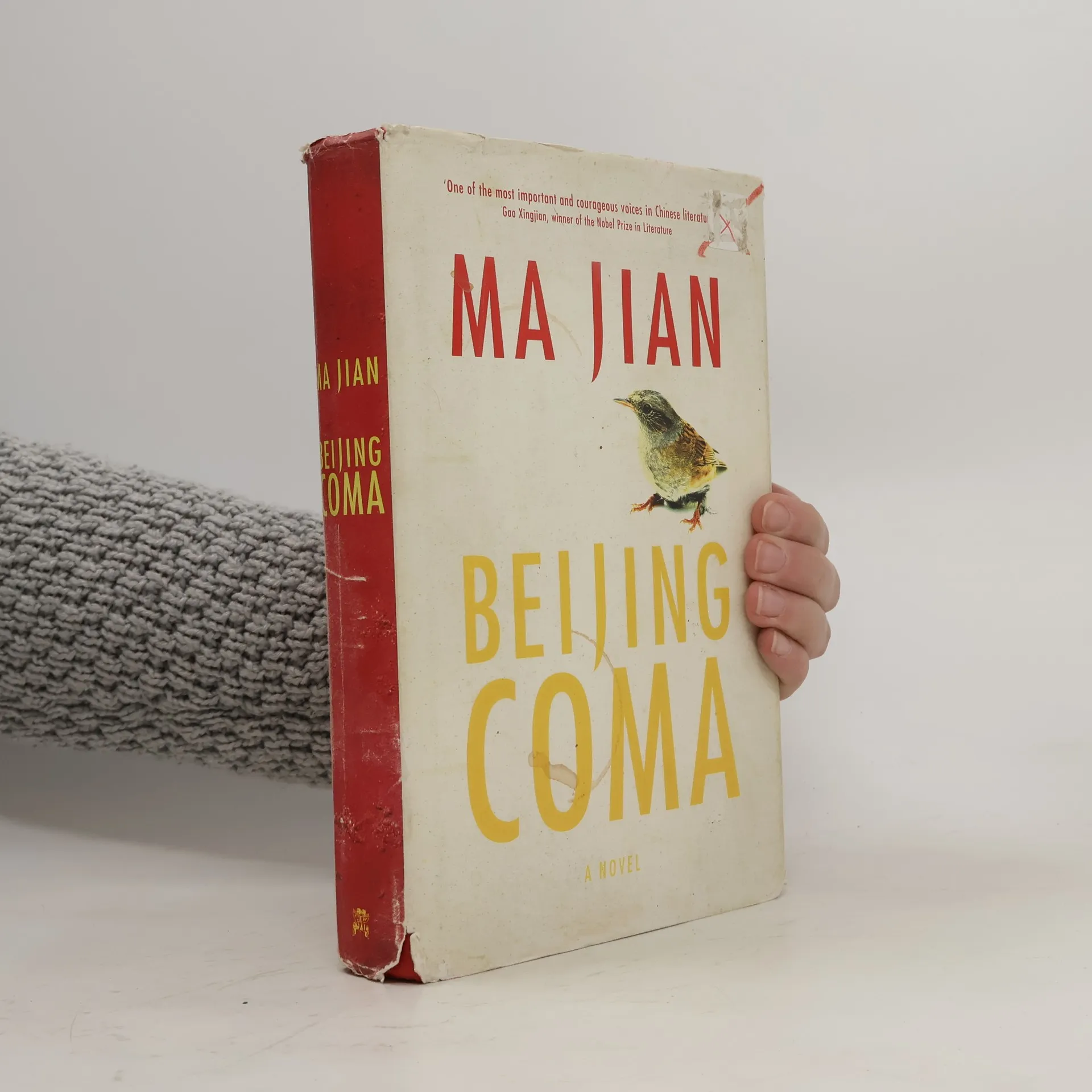
Awakening after a decade of unconsciousness, former Tiananmen Square protester Dai Wei learns that his mother had sold one of his kidneys to finance his care, and that the China he knew has undergone radical change.
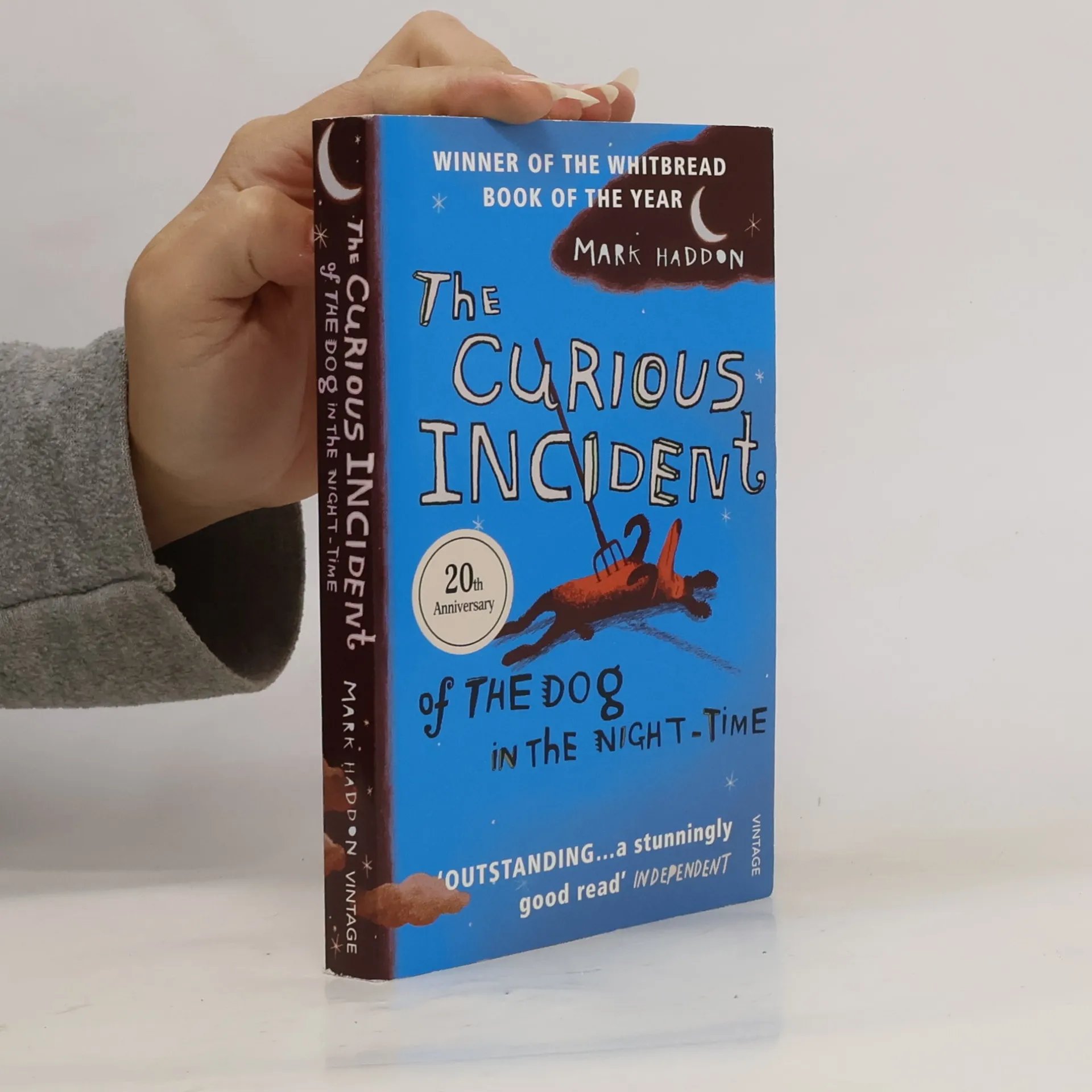
Despite his overwhelming fear of interacting with people, Christopher, a mathematically-gifted, autistic fifteen-year-old boy, decides to investigate the murder of a neighbor's dog and uncovers secret information about his mother.
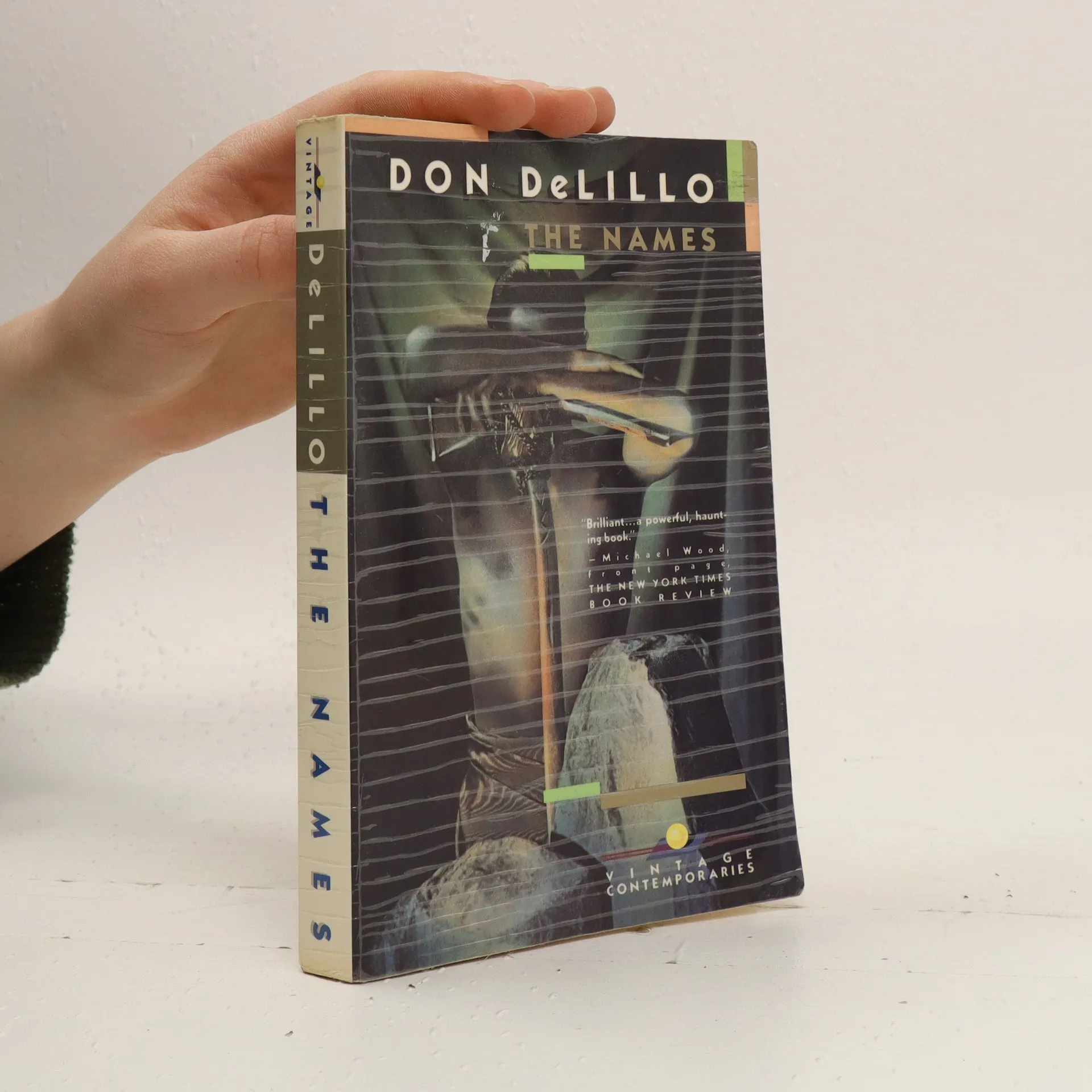
Set against the backdrop of a lush and exotic Greece, The Names is considered the book which began to drive "sharply upward the size of his readership" (Los Angeles Times Book Review). Among the cast of DeLillo's bizarre yet fully realized characters in The Names are Kathryn, the narrator's estranged wife; their son, the six-year-old novelist; Owen, the scientist; and the neurotic narrator obsessed with his own neuroses. A thriller, a mystery, and still a moving examination of family, loss, and the amorphous and magical potential of language itself, The Names stands with any of DeLillo's more recent and highly acclaimed works. "The Names not only accurately reflects a portion of our contemporary world but, more importantly, an original world of its own is created."--Chicago Sun-Times"DeLillo sifts experience through simultaneous grids of science and poetry, analysis and clear sight, to make a high-wire prose that is voluptuously stark."--Village Voice Literary Supplement"DeLillo verbally examines every state of consciousness from eroticism to tourism, from the idea of America as conceived by the rest of the world, to the idea of the rest of the world as conceived by America, from mysticism to fanaticism."--New York Times
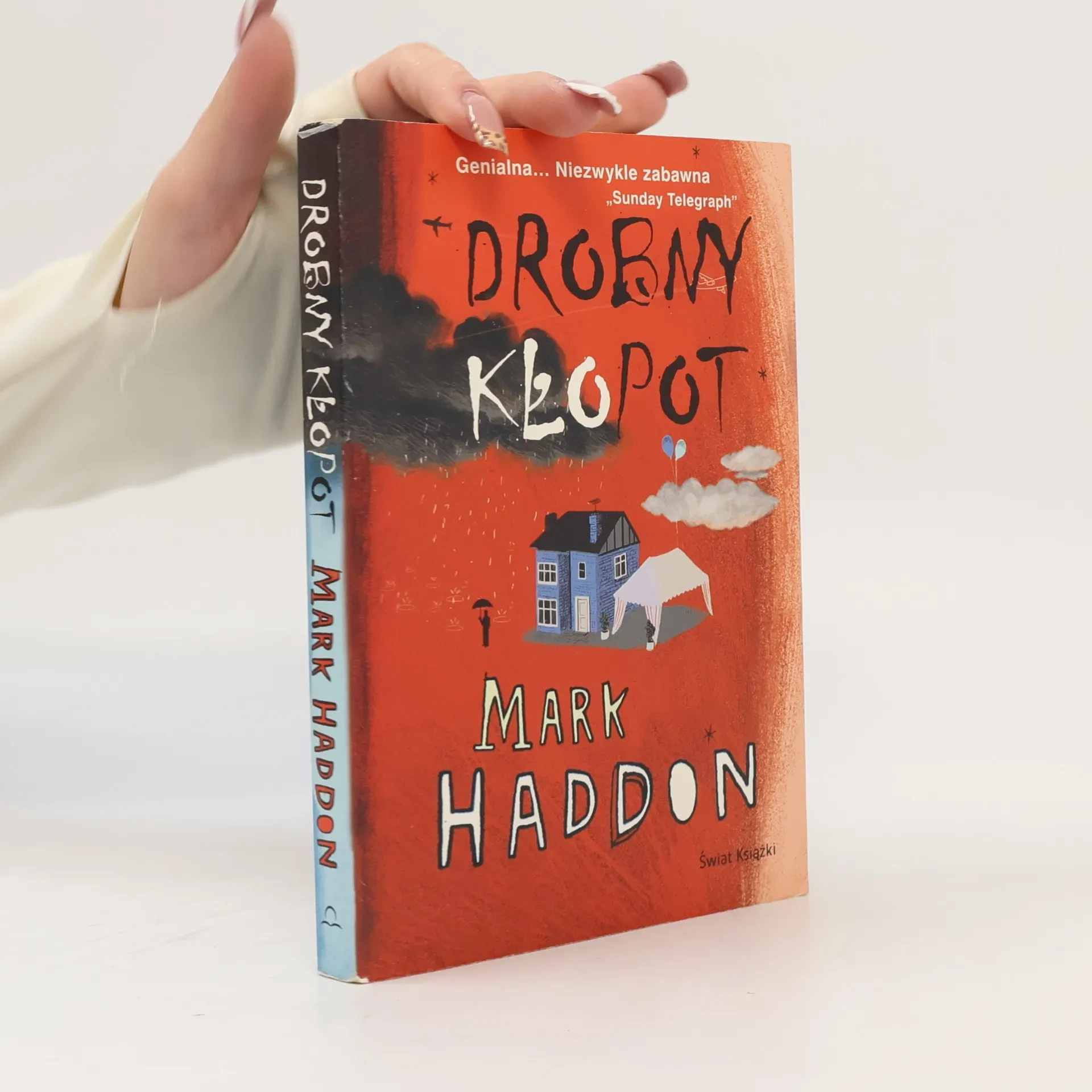
George Hall 57 is ready to retire, enjoy freedom to be alone. But he runs into a spot of bother - a skin lesion - must be cancer. Daughter Katie wants second husband, inappropriate Ray. Wife Jean is too busy carrying on with George's ex-colleague to plan a wedding. Son Jamie fails to invite his lover Tony. Meanwhile George goes quietly mad.
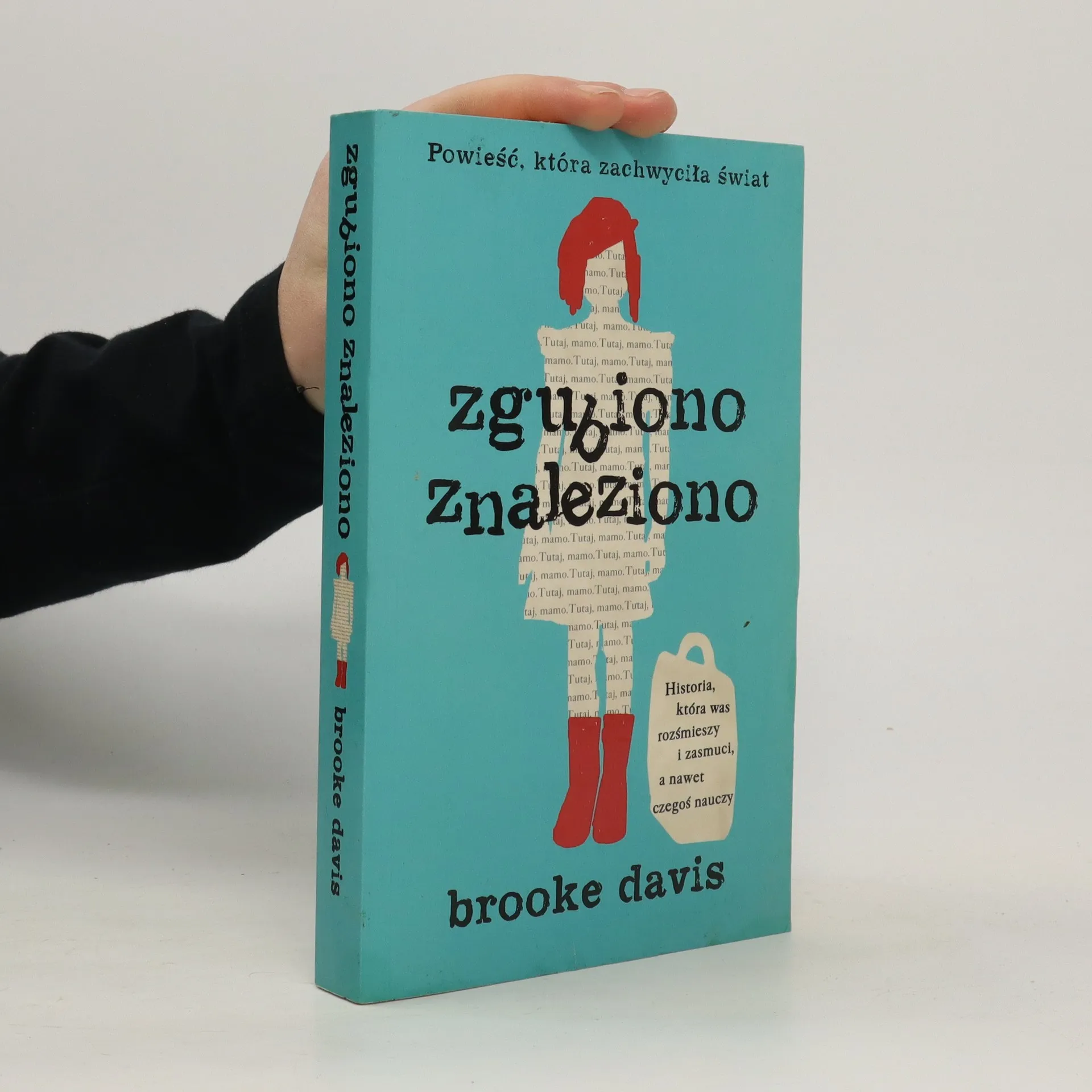
Wzruszająca powieść o tym, czym naprawdę są miłość i życie. Siedmioletnia Millie uświadamia sobie, że wszystko dokoła niej umiera. W swojej Księdze Umarlaków odnotowała już śmierć dwudziestu siedmiu różnych stworzeń. Teraz musi do niej wpisać swojego ojca. Agatha ma osiemdziesiąt dwa lata i od śmierci męża nie wychodzi z domu. Siedzi przy oknie, ukryta za zasłonami i bluszczem, i wrzeszczy na przechodniów, wyładowując swój gniew na obcych ludziach. Aż do dnia, gdy po drugiej stronie ulicy dostrzega dziewczynkę. Karl ma osiemdziesiąt siedem lat, kiedy jego syn przywozi go do domu starców, całuje go w policzek na pożegnanie i znika. Wtedy właśnie Karl przeżywa chwilę umysłowej klarowności. Ucieka z domu starców i wyrusza na poszukiwania czegoś innego. Troje zagubionych ludzi, którzy muszą się odnaleźć. Millie, Agatha i Karl łamią zasady i dzięki temu odkrywają sens życia. Poznaj historię, w której zakochał się świat.
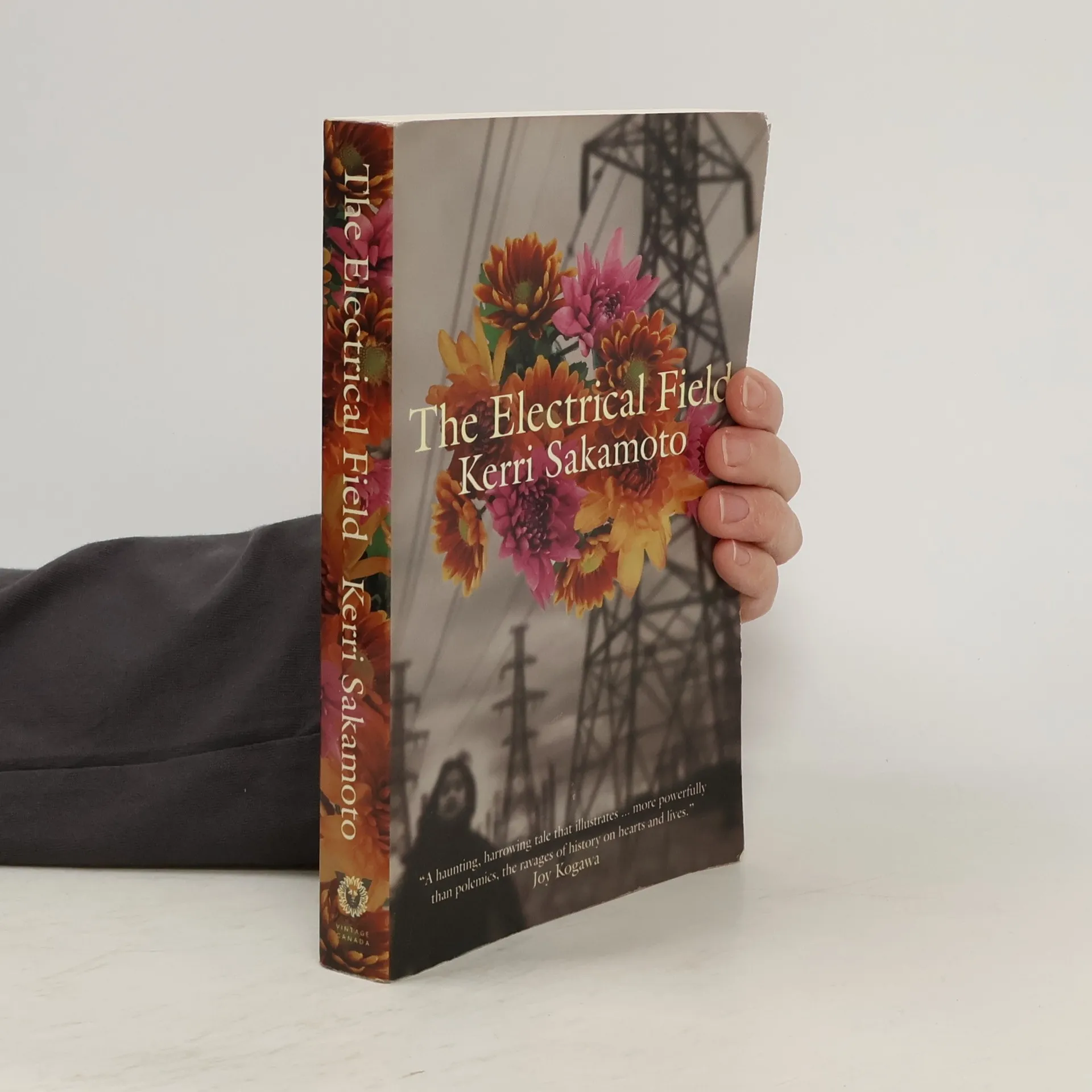
When the beautiful Chisako and her lover are found murdered in a park, members of the small Ontario community must finally acknowledge certain inescapable truths. Set in the 1970s, The Electrical Field reaches deep into the past to explore the dire legacy of the internment of Japanese-Canadians during the war.
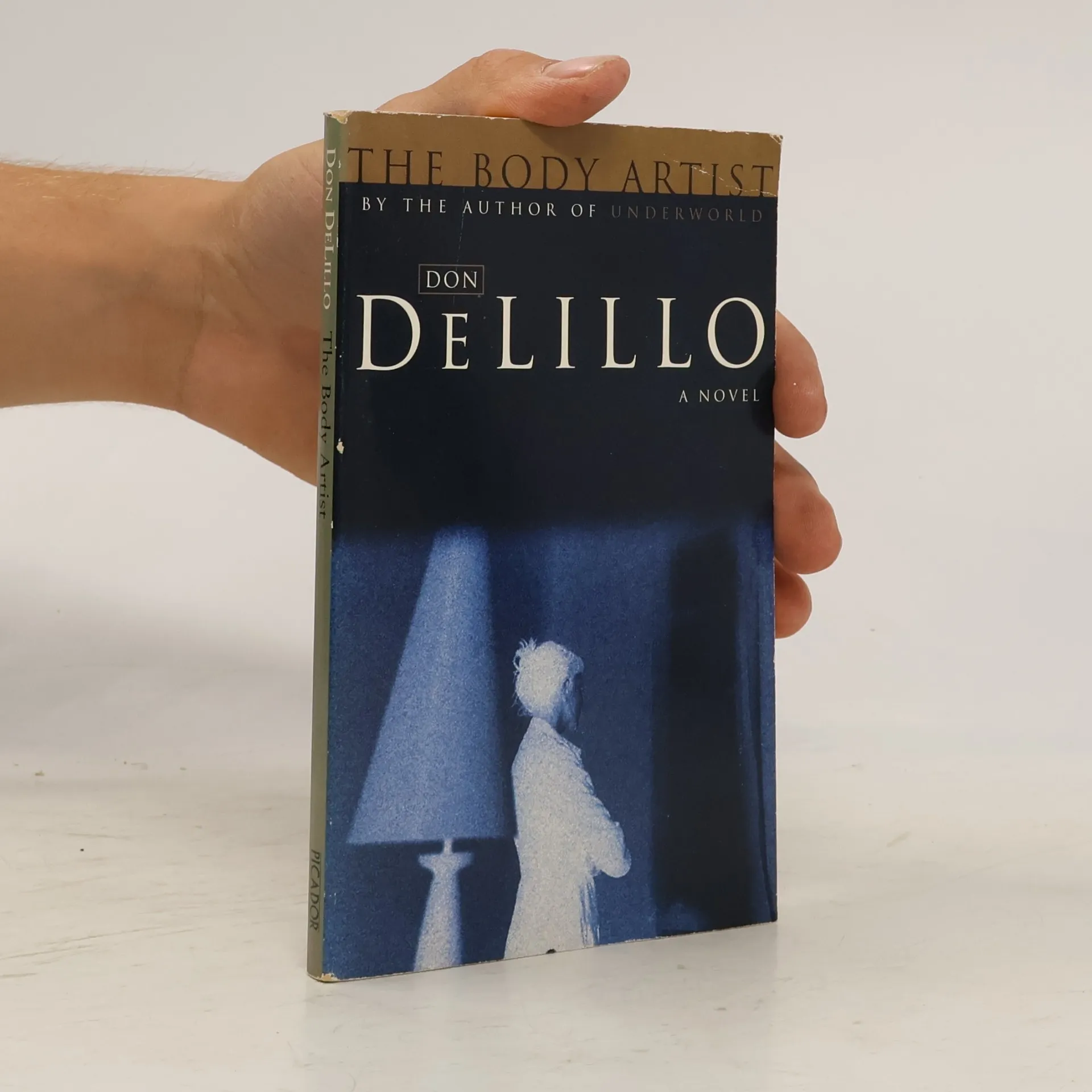
Don DeLillo, known for his expansive novels, shifts focus in this work to explore the depths of a single life and death. The story centers on Lauren Hartke, who shares a seemingly ordinary breakfast with her husband, Rey, before his tragic suicide. This opening sequence intricately captures Lauren's consciousness as she engages in mundane tasks. Following Rey's death, Lauren returns to their summer rental, where she discovers an enigmatic young man living in a spare room. His presence is elusive, and he begins to echo Rey's voice, replaying conversations from before the suicide. This raises questions about whether Rey has been reincarnated or if the young man is merely mimicking what he overheard. DeLillo refrains from providing clear answers, allowing Lauren to navigate her grief and confusion while reflecting on the intersection of life and death. Though some of his rhetoric may stray into abstraction, the emotional core remains poignant. The narrative delves into the complexities of love and loss, revealing how the abrupt absence of a loved one can lead to profound self-reflection. This work, while shorter than his usual fare, demonstrates DeLillo's willingness to explore personal trauma, proving that depth can be just as impactful as breadth.
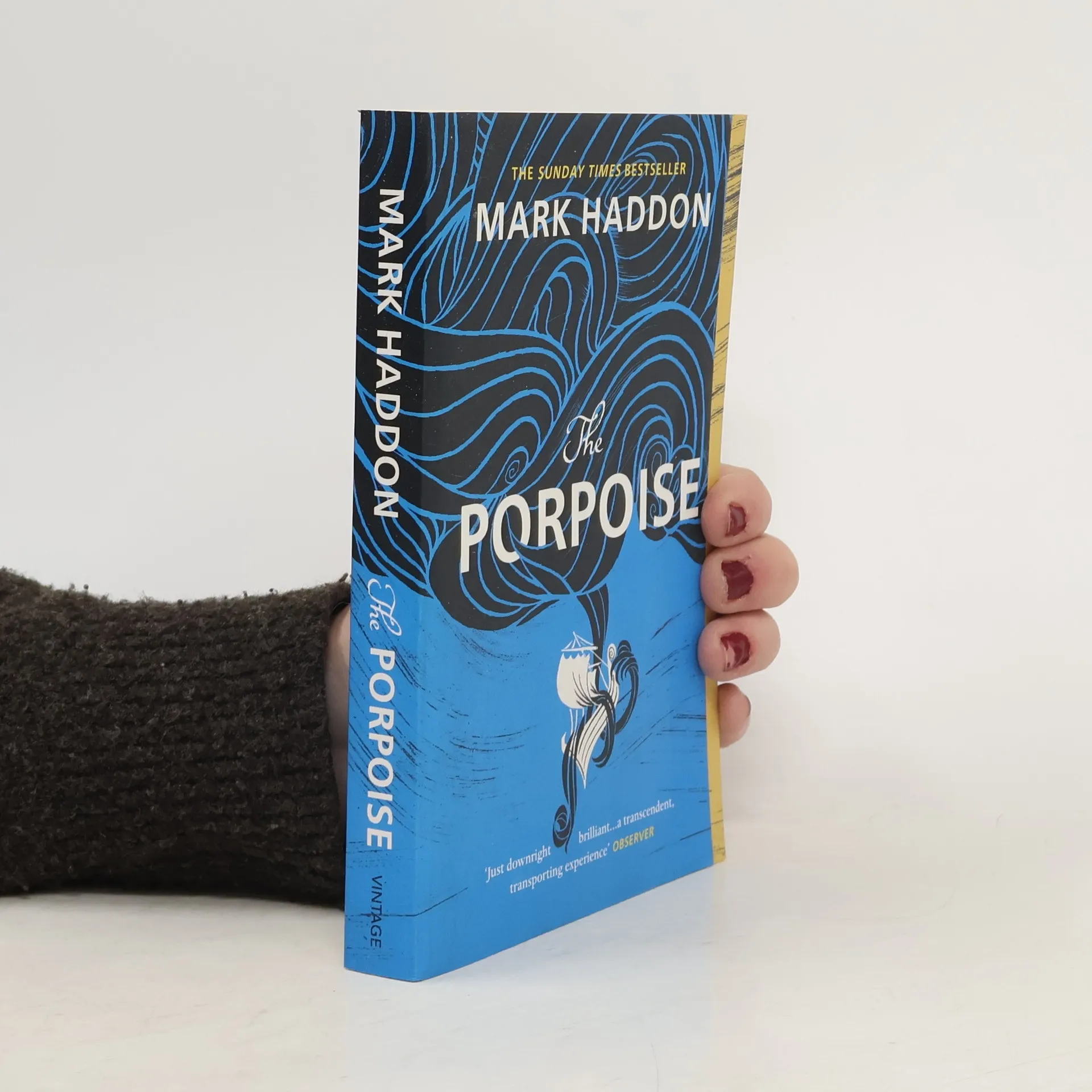
Her favourite tales are those that conjure ancient worlds - of angry gods and
heroic mortals, one of whom will some day come to her rescue.Soon, she will
forget where the page ends and her mind begins. 'A full-throttle blast of
storytelling mastery' Max Porter