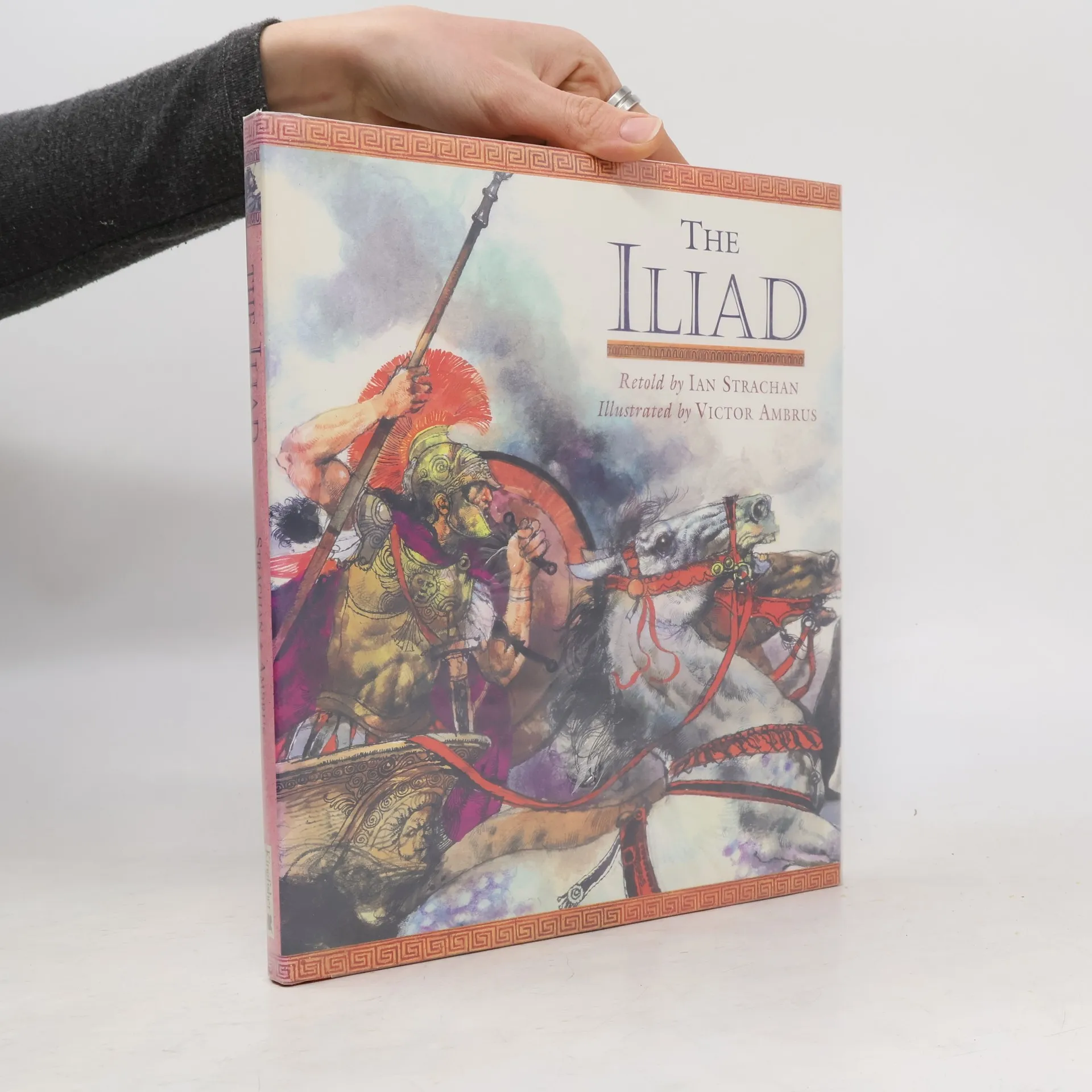
L'armée s'avance à la façon d'un incendie qui se déchaînerait dans toute la contrée... C'est une guerre sans merci que Pâris, en enlevant Hélène, a déclenché entre les Achéens et les Troyens. Tous les héros de Grèce sont face à face et les dieux se sont eux aussi jetés dans la mêlée... Seul le destin pourra peut-être rétablir la paix.
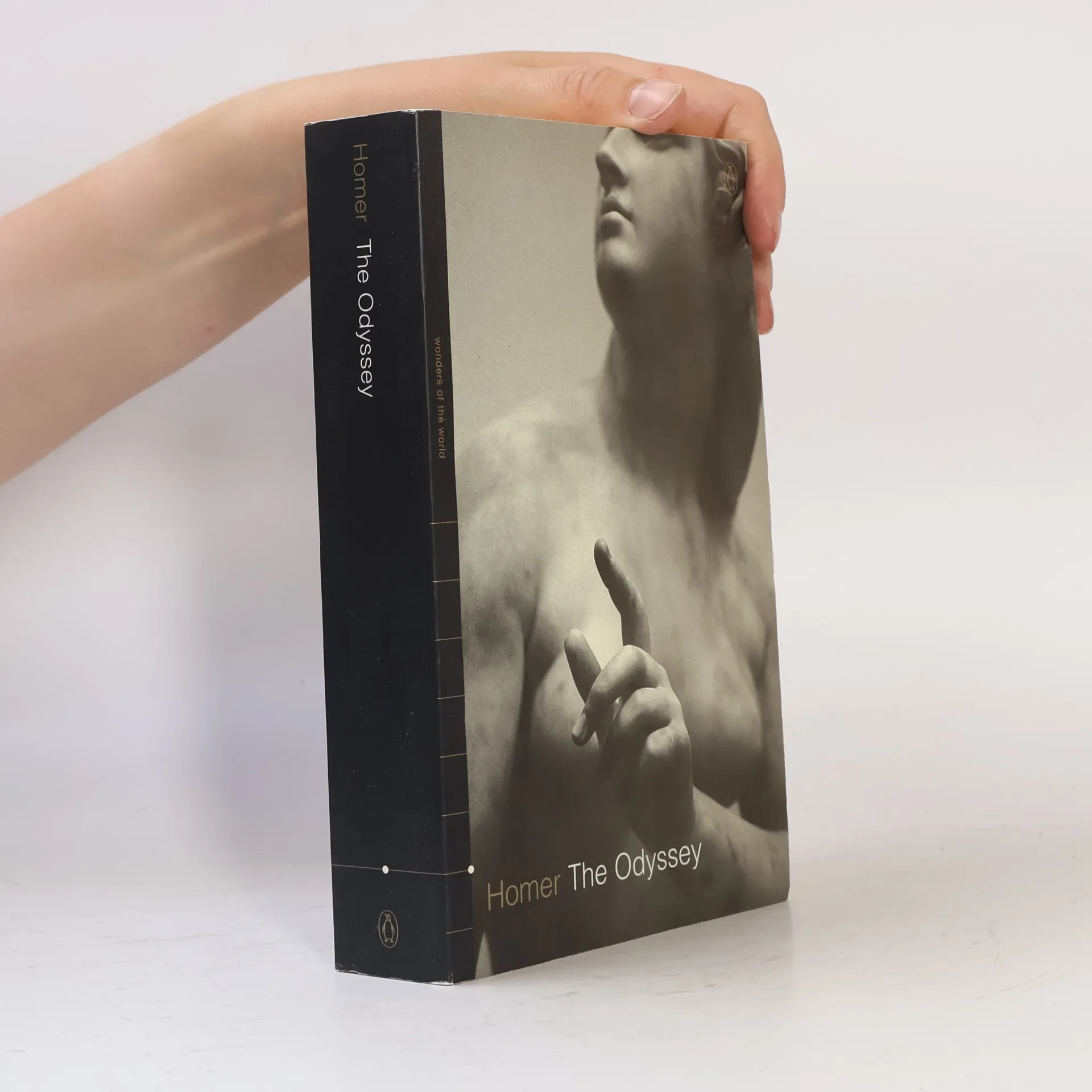
Homer's epic tells of the adventures of Odysseus, the mythological King of Ithaca and leader of the Trojan war, recounting the hero's wanderings and his eventual regaining of his kingdom.
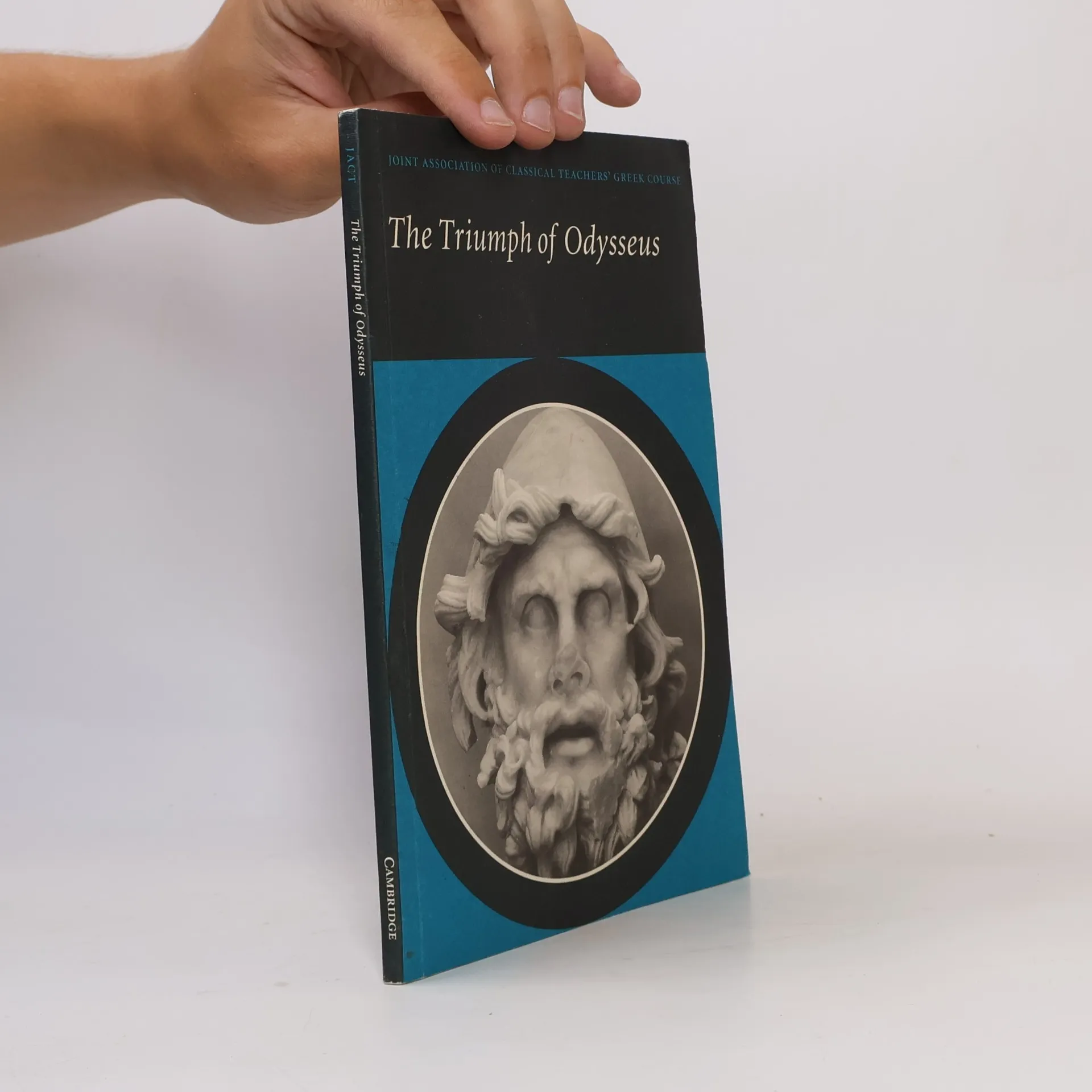
This book is part of the Reading Greek course. It is modeled on the already published A World of Heroes (CUP, 1979) and The Intellectual Revolution (CUP, 1980) and provides an unabridged text of Books 21 and 22 of Homer's Odyssey. The Greek text is faced with a running vocabulary and notes, and followed by a learning vocabulary, and the book is illustrated throughout. It can be used by anyone who has completed Reading Greek or is at an intermediate or advanced stage of ancient Greek.
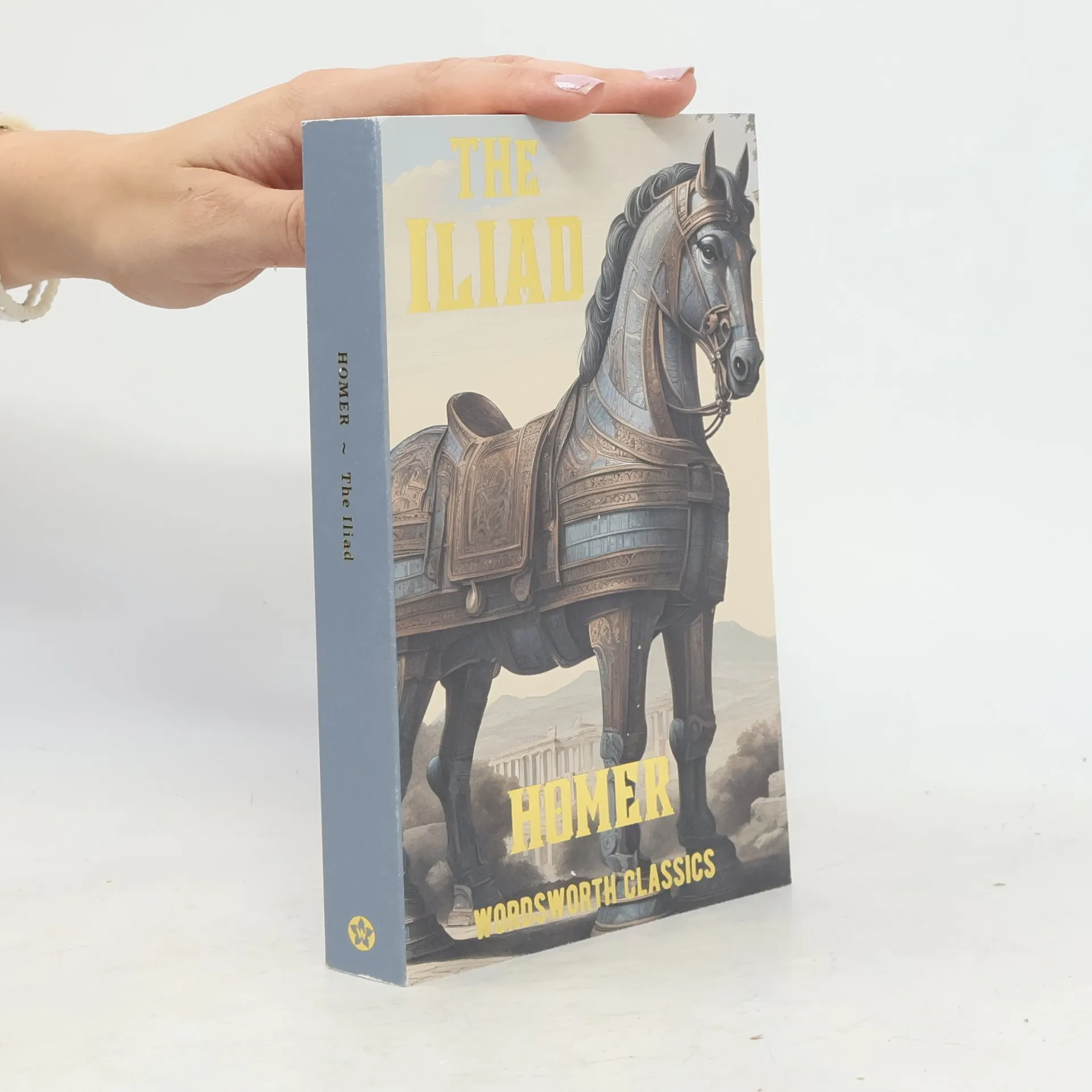
The Iliad tells the story of Greek warrior Achilles' great anger and the tragic death of Hector during the Trojan War, encapsulating the brutality of war. Its epic sweep has gripped generations of readers, and this new translation is elegant and accurate, respecting the original line numbers, and accompanied by authoritative editorial matter.
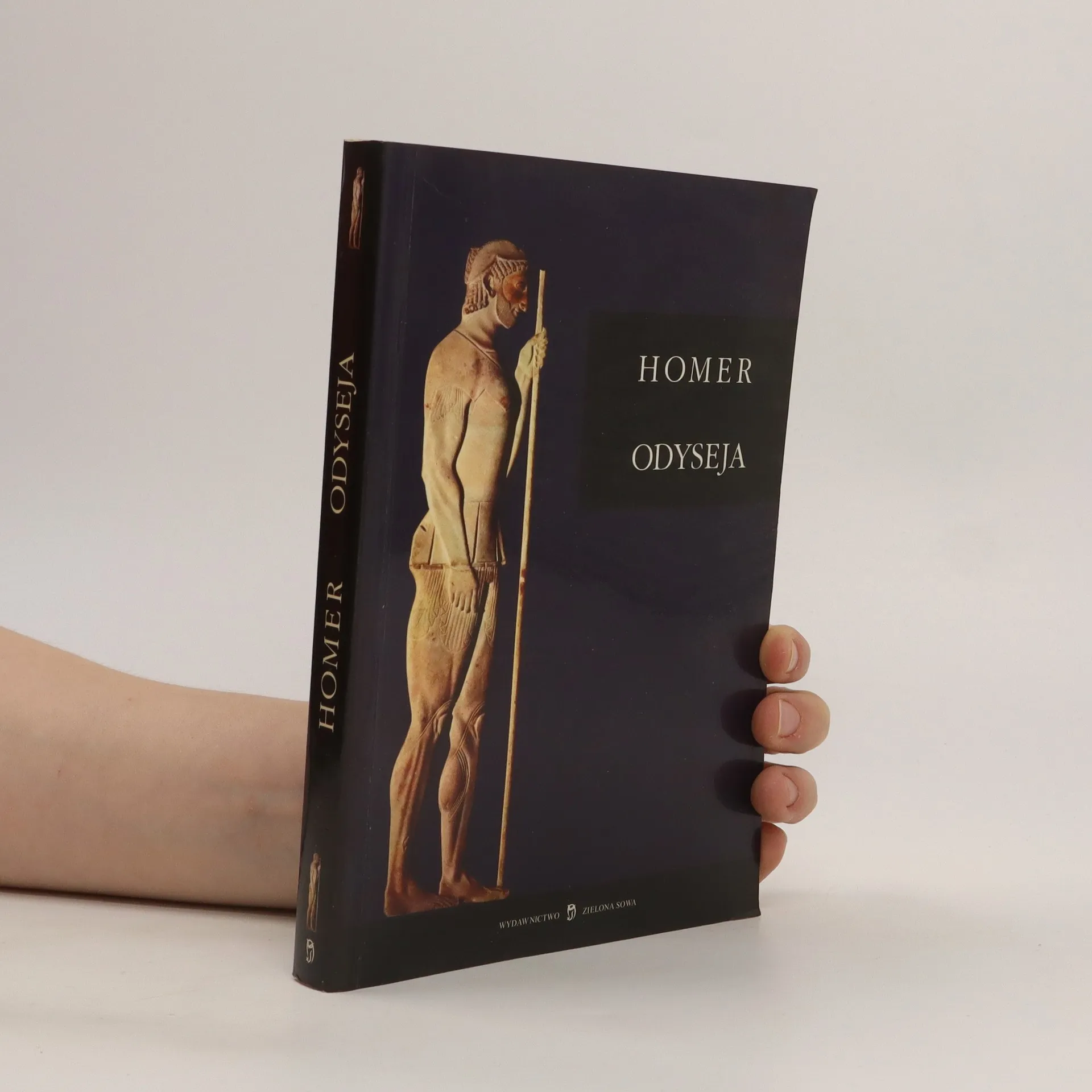
Epos grecki, oparty na antycznej ustnej tradycji epickiej, śpiewany przez
Homera wierszem (tzw. heksametrem). Składa się z 24 pieśni. Pierwsze
poświęcone są wędrówce Telemacha, syna Odyseusza, ojcu z kolei poświęcone są
pozostałe księgi. Odyseja zaczyna się po zakończeniu dziesięcioletniej wojny
trojańskiej. Odyseusz przez lata nie wraca z wojny do domu. Jego syn, 20-letni
Telemach, dzieli dom z matką Penelopą. W ich siedzibie przebywa też 108
natarczywych zalotników, ubiegających się o rękę Penelopy i mających nadzieje
na tron. Opiekunka Odyseusza, Atena, o jego przeznaczeniu rozmawia z
najważniejszym z bogów - Zeusem - w momencie gdy Posejdona (boga niechętnego
Odyseuszowi) nie ma na Olimpie. Atena przekonuje Telemacha, by szukał wieści o
swym ojcu. Późniejsze pieśni to historia Odyseusza. W swojej powrotnej
wędrówce trafia on kolejno na wyspę cyklopa Polifema, wyspę syren, wyspę
zamieszkaną przez nimfę Kalipso. Przez cały ten czas Penelopa trzyma
zalotników z dala od siebie. Obiecała, że wybierze jednego z nich, gdy skończy
tkać sukno pogrzebowe dla Jednakże każdej nocy rozpruwa pracę z poprzedniego
dnia W połowie III w. p.n.e. poemat został przetłumaczony na łacinę przez
Lucjusza Liwiusza Andronika. Był to pierwszy przekład w literaturze
europejskiej.