Tania Bruguera is an interdisciplinary artist who explores exile and survival. Bruguera recently developed a form she calls "Arte de Conducta," or behavior art, in which she constructs situations that compel audience response.



Tania Bruguera is an interdisciplinary artist who explores exile and survival. Bruguera recently developed a form she calls "Arte de Conducta," or behavior art, in which she constructs situations that compel audience response.
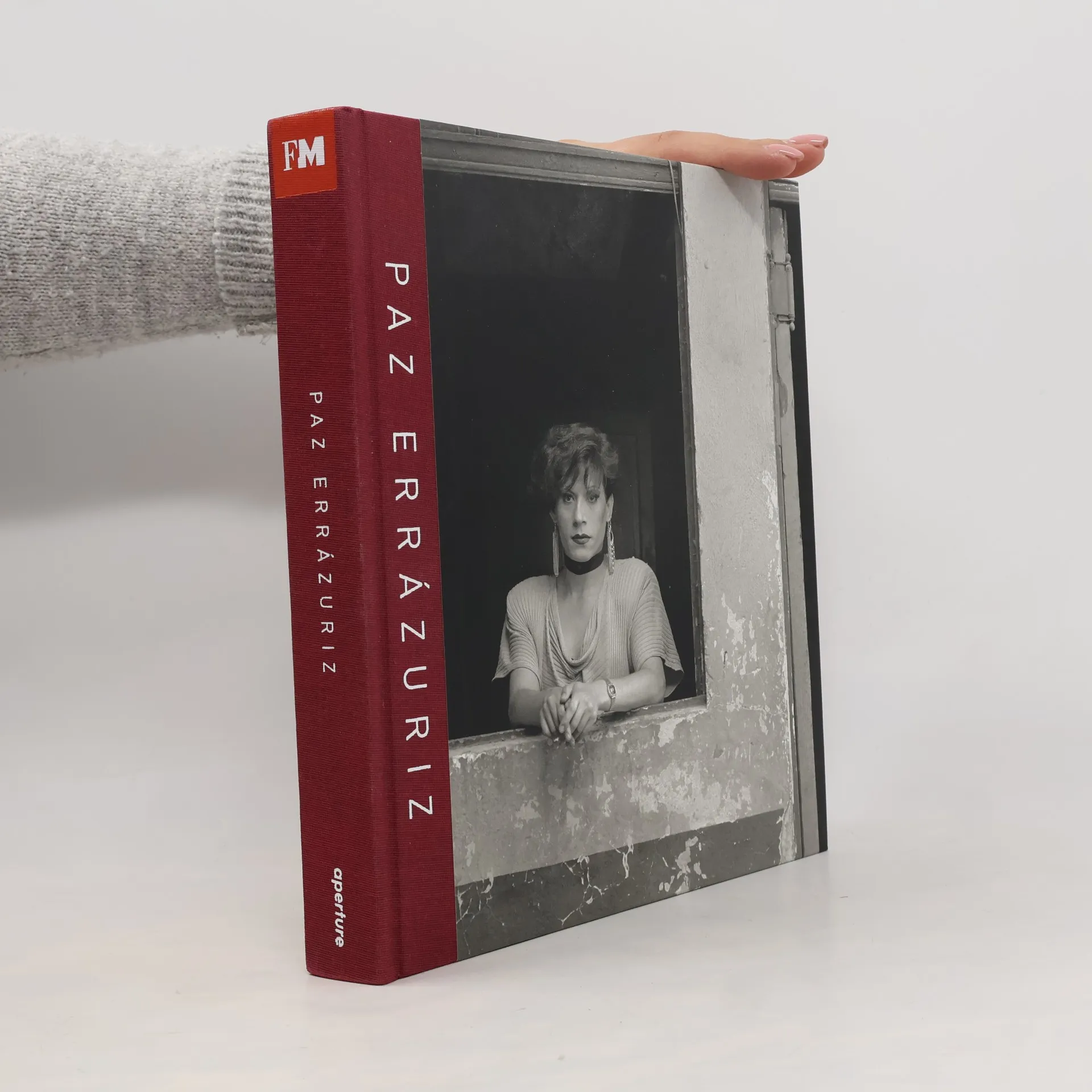
Chilean photographer Paz Errázuriz began taking photographs in the 1970s during the Pinochet dictatorship, and in subsequent decades traveled extensively to document the landscape and people of her native country. During the dictatorship Errázuriz frequently violated the regulations imposed by the military regime, daring to visit underground brothels, shelters, psychiatric wards and boxing clubs—all places where women were not welcome. Throughout her career, Errázuriz became intimately acquainted with not only her home city, Santiago, but also Chile's central valley, Patagonia and Valparaíso, forming long-lasting relationships with her subjects. She became known for spending months or years within a given community, building trust and carefully studying social structures. Paz Errá Survey is a major retrospective of this extraordinary artist's work over more than 40 years, including more than 170 photographs and featuring texts by Juan Vicente Aliaga, Gerardo Mosquera and Paulina Varas.
Copublished with the Institute of International Visual Arts, London. This anthology, edited by Cuban art historian and critic Gerardo Mosquera, offers a wide selection of writings by some of the most important cultural theoreticians of contemporary Latin America. Together they comprise a distinctive corpus of new theoretical discourses, critical of modernity and solidly and pragmatically anti-utopian. The collection balances traditional and popular aesthetic-symbolic production as well as Afro- and Indo-American presences in the visual arts, and covers the whole of the Americans, including the Caribbean and the United States.Contributors : Mó®©£a Amor. Pierre E. Bocquet. Gustavo Buntinx. Luis Camnitzer. Né³´or Garcí¡ Canclini. Ticio Escobar. Andrea Giunta. Guillermo Gó¥º-Peñ¡® Paulo Herkenhoff. Mirko Lauer. Celeste Olalquiaga. Gabriel Peluffo Linari. Carolina Ponce de Leó®® Mari Carmen Ramí²¥z. Nelly Richard. Tomá³ Ybarra-Frausto. George Y?.
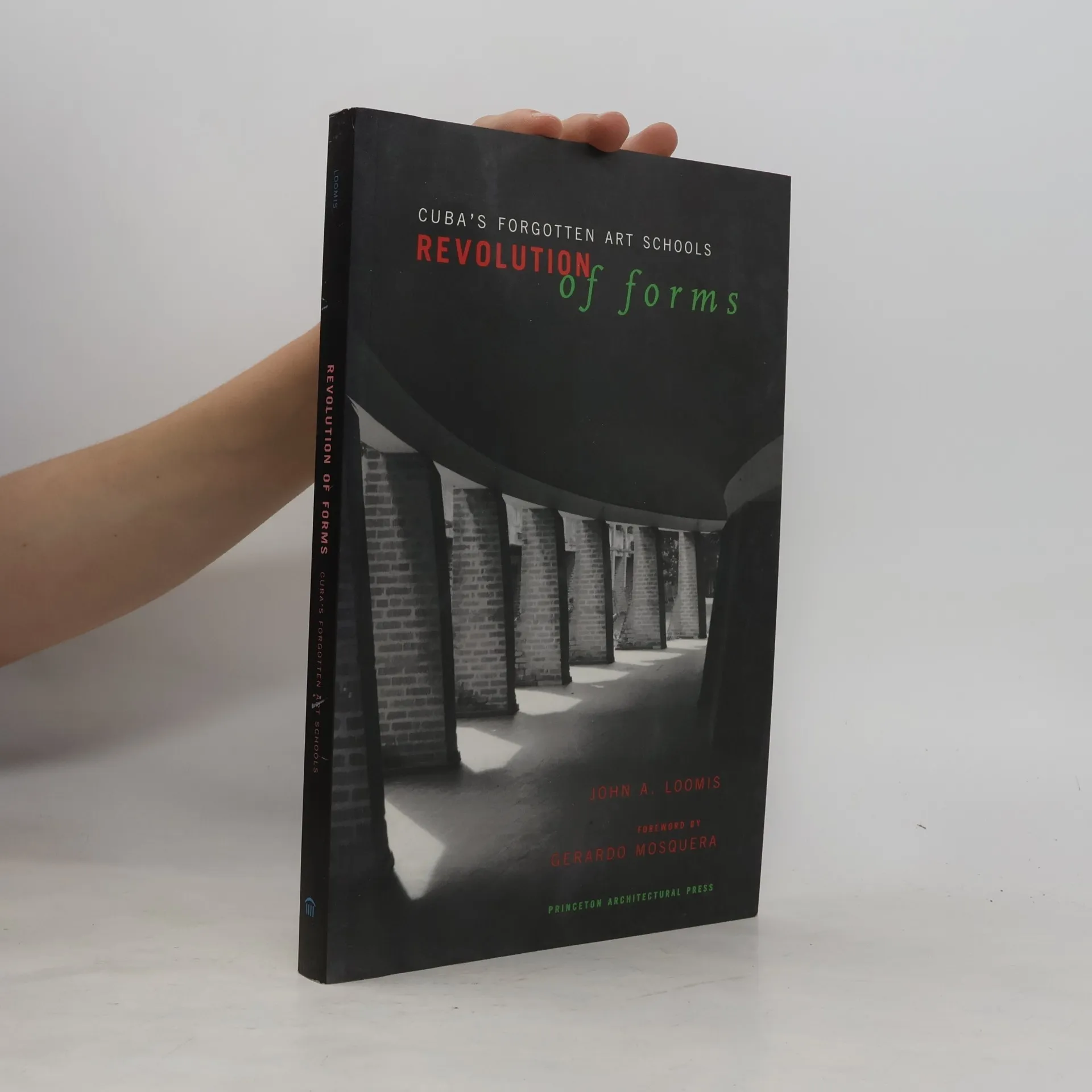
"A revolution of forms is a revolution of essentials." - Jos Mart, Cuban intellectual and independence leader. The current interest in Cuba's architecture often overlooks the remarkable architectural achievement of the Cuban Revolution, the Escuelas Nacionales de Arte (National Art Schools), located just outside Havana. Built between 1961 and 1965, these schools emerged from an educational initiative by Fidel Castro and Che Guevara following the 1959 Revolution. The architects designed an organic complex of brick and terra-cotta structures that embodied the era's optimism. The schools aimed to reinvent architecture alongside the Revolution's goal of societal transformation. However, before completion, they fell out of favor, labeled politically incorrect and a bourgeois luxury, leading to their "disappearance." Abandoned and overgrown by the jungle, these buildings were neglected for decades. Now, nearly 40 years later, Cuba is starting to recognize and reclaim these significant architectural works. Revolution of Forms delves into the history and politics surrounding the creation and abandonment of these structures, featuring archival photographs, plans, and images showcasing their current state.