This book presents a provocative perspective on evolution, questioning established theories and encouraging readers to reconsider commonly accepted ideas. It aims to engage a general audience with accessible language and thought-provoking arguments, inviting them to explore the complexities and controversies surrounding evolutionary science.
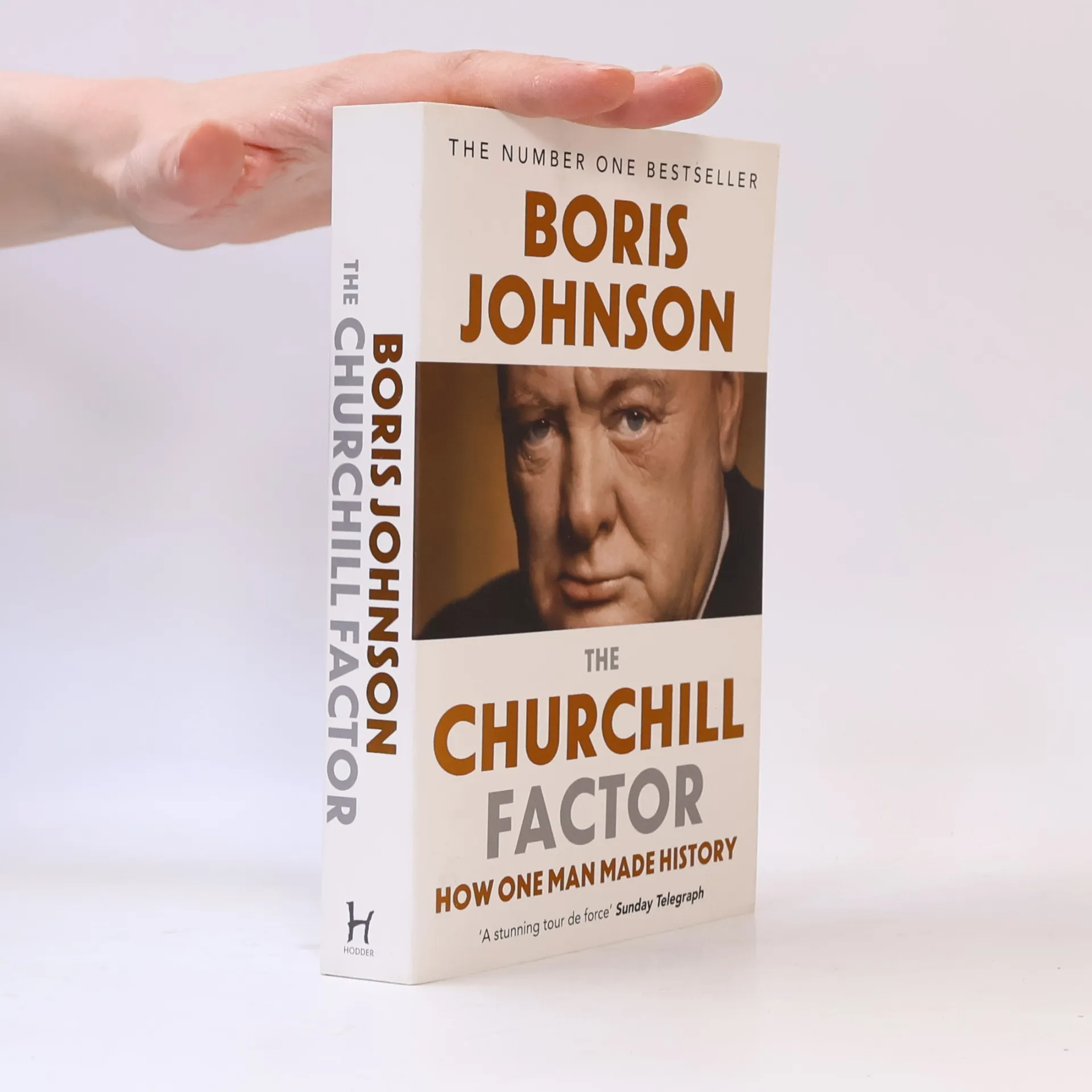
"The point of the Churchill Factor is that one man can make all the difference.' Marking the fiftieth anniversary of Winston Churchill's death, Boris Johnson explores what makes up the 'Churchill Factor"--The singular brilliance of one of the most important leaders of the twentieth century. Taking on the myths and misconceptions along with the outsized reality, he portrays - with characteristic wit and passion-a man of multiple contradictions, contagious bravery, breath-taking eloquence, matchless strategizing, and deep humanity. Fearless on the battlefield, Churchill had to be ordered by the King to stay out of action on D-Day; he pioneered aerial bombing, yet hated the destruction of war and scorned politicians who had not experienced its horrors. He was a celebrated journalist, a great orator and won the Nobel Prize for Literature. He was famous for his ability to combine wining and dining with many late nights of crucial wartime decision-making. His open-mindedness made him a pioneer in health care, education, and social welfare, though he remained incorrigibly politically incorrect. Most of all, as Boris Johnson says, 'Churchill is the resounding human rebuttal to all who think history is the story of vast and impersonal economic forces'. THE CHURCHILL FACTOR is a book to be enjoyed not only by anyone interested in history: it is essential reading for anyone who wants to know what makes a great leader."
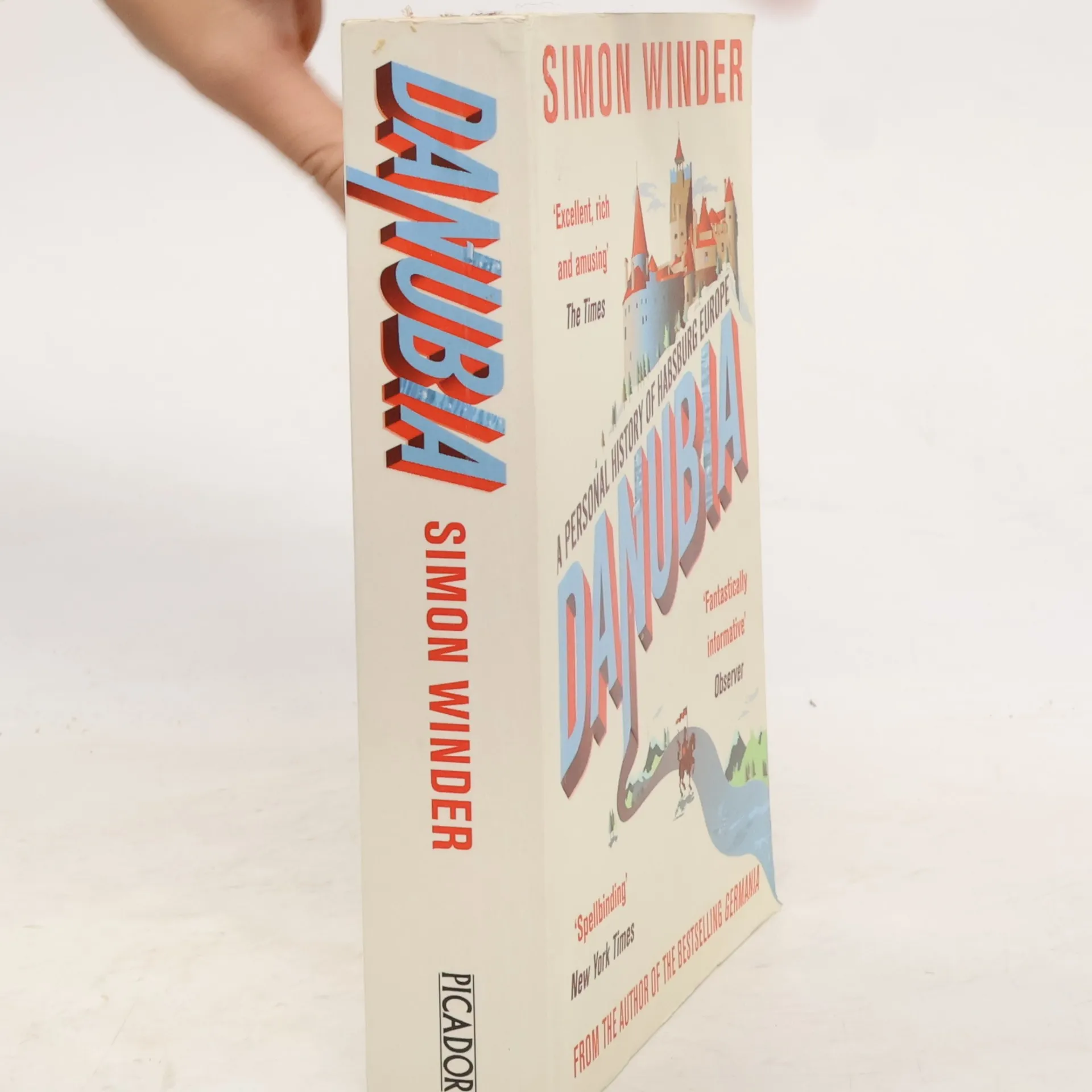
For centuries, much of Europe was in the hands of the peculiar Habsburg family. An unstable mixture of wizards, obsessives, melancholics, bores, musicians and warriors, they saw off a number of rivals until finally packing up in 1918. Simon Winder's account of the rule of the Habsburgs plunges the reader into a maelstrom of alchemy, skeletons, jewels, bear-moats, unfortunate marriages - and even a guinea-pig village.
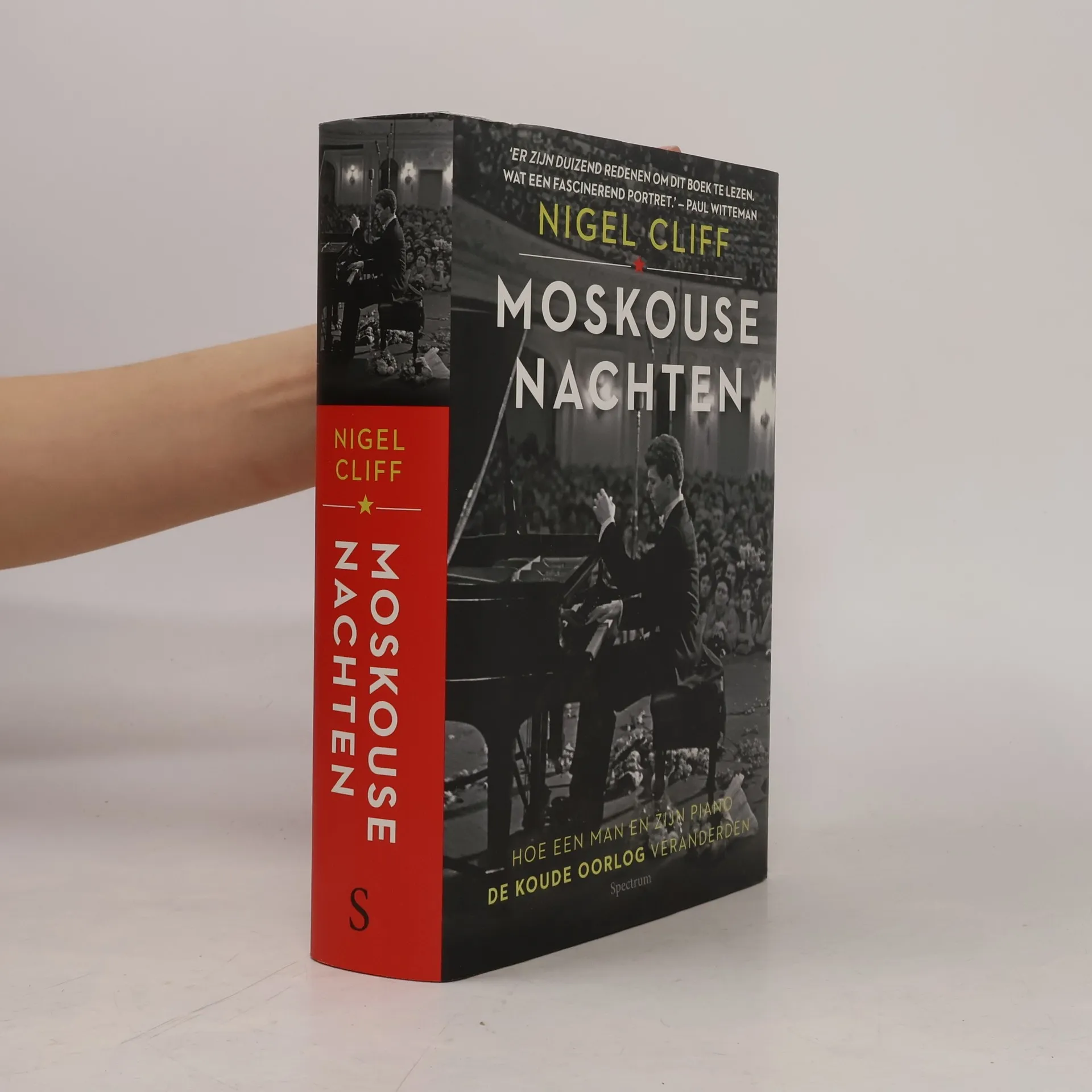
Hoe een man en zijn piano de Koude Oorlog veranderden
542 strony
19 godzin czytania
Met zijn liefde voor de Russische klassieke muziek, stal Van Cliburn de harten van zowel de Amerikanen als de Russen, en zorgde hij voor een onverwachte verlaging van de spanningen tussen de supermachten, terwijl ze op het randje van een nucleaire oorlog stonden. In 1958 reisde de volledig onbekende 23-jarige Cliburn naar Moskou om daar mee te doen aan het eerste ‘Internationale Tsjaikovski Concours’. De Sovjets waren uiteraard niet van plan om die begeerde prijs aan een onbekende Amerikaan toe te kennen, maar toen de slungelige Texaan met zijn verlegen grijns het podium opliep en begon te spelen, had hij het hele land ogenblikkelijk in zijn ban. ‘Is hij de beste?’ vroeg Chroesjtsjov na afloop aan een van de juryleden. ‘In dat geval... geef hem die prijs!’ In dit spannende, onderhoudende en ontroerende verhaal vertelt Nigel Cliff het drama en de spanning van de Koude Oorlog. In deze uitzonderlijke tijd waren een getalenteerde musicus en de tijdloze klassieke muziek tijdelijk de enige brug tussen twee destructieve nucleaire grootmachten.