

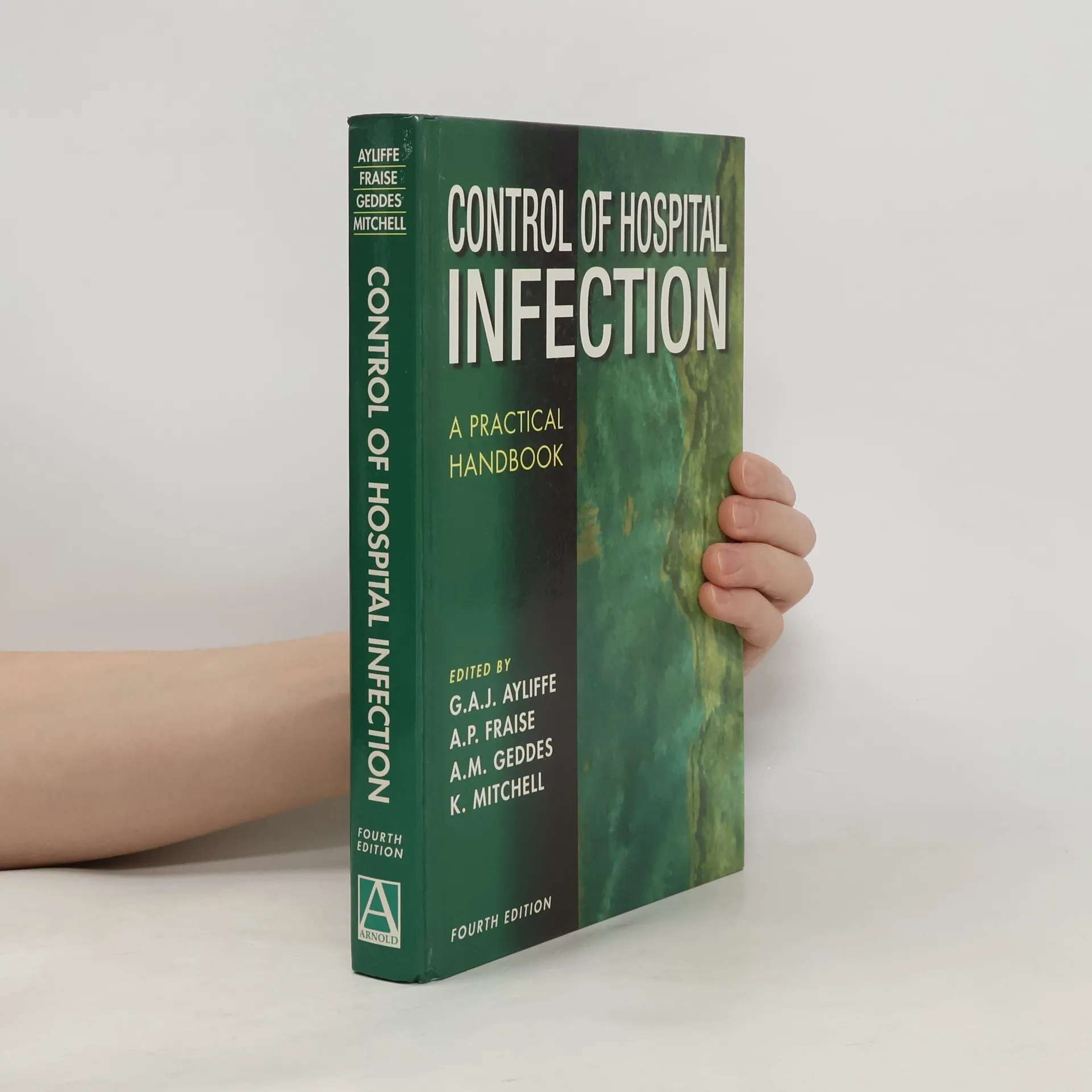
Control of Hospital Infection is the definitive, clinically oriented guide providing comprehensive practical advice for all those who are involved in the control of infection. The fourth edition of this classic title has been thoroughly revised and updated throughout. The book is addressed toinfection control staff, surgeons, doctors, nurses, and other healthcare workers. Control of Hospital Infection 4E includes the following *All chapters have been updated and the book includes new information on surveillance, administration and the control of antibiotic resistant organisms,e.g. MRSA and vancomycin-resistant enterococci, hapatitis B and C, HIV *Guidance given on disinfection and methods of sterilization Reviews decontamination issues associated with new heat-labile equipment, especially endoscopes *Discussion of European and UK legislation related to standards ofmedical device processing and decontamination, and staff safety, as well as audit, risk assessment and medical negligence *Increased emphasis on the immunocompromised patient, in association with HIV infection and post-transplantation immunosupression Tackles the problem of hospital infectionsarising in the community following rapid discharge after minimal access surgery. Includes a review of the latest infection rates and risk factors.
Kathy Mitchell Kolejność książek (chronologicznie)

Dziwne losy Jane Eyre
- 556 stron
- 20 godzin czytania
Dziwne losy Jane Eyre ukazały się po raz pierwszy w październiku 1847 roku i stały się wielkim sukcesem wydawniczym. Powieść, zaliczana do szczytowych osiągnięć literackich epoki wiktoriańskiej, harmonijnie łączy melodramatyczną fabułę z wnikliwą obserwacją psychologiczną oraz nastrojem tajemnicy i grozy. Osierocona dziewczyna podejmuje pracę nauczycielki w posiadłości Edwarda Fairfaxa Rochestera. Zostaje jego narzeczoną, ale Rochester ukrywa przed światem ponury sekret. Charlotte Bront opowiada o wielkim uczuciu, które połączyło ludzi z różnych, tak odległych od siebie sfer w świecie, gdzie konwenanse stanowiły o towarzyskim być albo nie być.