

Bookbot

John Barton

    17 czerwca 1948
    John Barton
    People of the Book?
    The Theology of the Book of Amos
    The Bible: The Basics
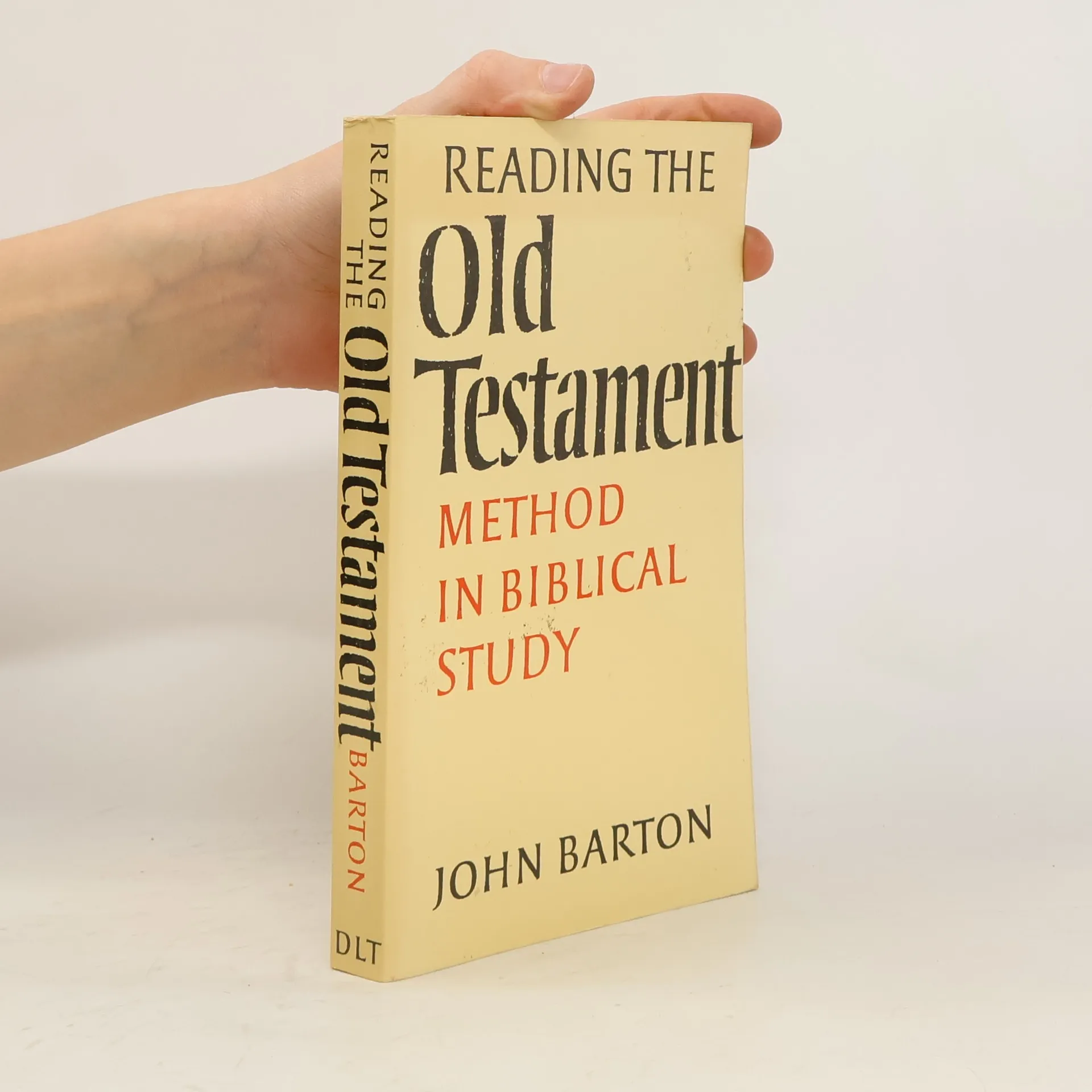
    Reading the Old Testament
    The Word
    Historia Biblii
    • Historia Biblii

      • 664 strony
      • 24 godziny czytania

      John Barton (ur. 1948), anglikański biblista z Oksfordu, podsumował w niniejszej książce długie lata swoich badań nad Biblią, przedstawiając fascynującą opowieść o historii kształtowania się tej Księgi, jaką dziś znamy, o jej recepcji i interpretacji. Oparł się w tym na dwóch założeniach: Po pierwsze, nie ma jednoznacznej relacji między Biblią a zasadami wiary przyjmowanymi przez oparte na niej religie. Nie sposób wyczytać z niej ich konkretnego kształtu, a na dodatek biblijne ekwiwokacje sprawiają im kłopot. Zarazem, wbrew przyjętemu mniemaniu, ani chrześcijaństwo, ani judaizm nie skupiają się w swojej praktyce na Piśmie jako jedynej, świętej księdze. Nie jest ono „konstytucją” dla żadnej z religii, lecz raczej opowieścią założycielską. Po drugie, Biblia nie powstała jednorazowo jako zamknięta całość, lecz ewoluowała, a jej kanon jest wynikiem historycznych negocjacji. Ewolucja Biblii hebrajskiej (Starego Testamentu w nazewnictwie chrześcijańskim) trwała mniej więcej od VIII do II wieku p.n.e. Również kanon Nowego Testamentu kształtował się długo, a odrzucenie apokryfów nie wynika jednoznacznie z ich treści. Kościół akceptował naturalnie tworzący się konsens w tej mierze, przy czym na początku nie było uzgodnionego tekstu. Wszystko to Barton opisuje i komentuje na podstawie najnowszych badań historycznych i filologicznych. Odkrycie ostatnich stuleci – że Biblia ma historię – znajduje przekonujące potwierdzenie.

      Historia Biblii
      4,1
    • The Word

      • 320 stron
      • 12 godzin czytania

      From a distinguished Oxford scholar and the author of A History of the Bible, an examination of how biblical translation works and why it matters. Throughout history, most Jewish and Christian believers have understood scripture not in the languages in which it was first written but rather in their own—in translation. In The Word, acclaimed Bible scholar John Barton explores how saints and scholars have negotiated the profound challenges of translating the Bible while remaining faithful to the original. In addition to considering questions of literal versus free translation, literary style, inclusive language, and more, Barton draws out scriptural translation’s role at critical junctures in religious history. Far from a mere academic exercise, biblical translation has shaped how we answer faith’s most enduring questions about the nature of God, the existence of the soul, and the possibility of salvation

      The Word
      4,3
    • Reading the Old Testament

      Method in Biblical Study

      A new edition of a survey of biblical criticism in which the author clarifies the kinds of questions about the meaning of texts that led scholars to develop the now traditional 'historical-critical' approaches. Also covers the latest developments in biblical study, including deconstruction and postmodernism. First published in 1984.

      Reading the Old Testament
      3,0
    • The Bible: The Basics

      • 194 strony
      • 7 godzin czytania

      The Bible: The Basics is an accessible and engaging introduction to the Bible as both a sacred text, central to the faith of millions, and a classic work of Western literature, containing a tapestry of genres, voices, perspectives and images. The second edition has been updated throughout and includes: maps and detailed suggestions for

      The Bible: The Basics
      3,8
    • This book provides a detailed exploration of the important elements of the theology underlying the book of Amos. It considers Amos as a figure representing social justice, surveys major developments in the critical assessment of the book and examines the history of the book's reception.

      The Theology of the Book of Amos
      2,8
    • People of the Book?

      Authority of the Bible in Christianity

      • 112 stron
      • 4 godziny czytania

      Discusses questions about biblical authority and inspiration, which are as topical and controversial as ever. Major new edition of a modern classic, fully revised and expanded, with a substantial new chapter on 'The Bible in Practice'.

      People of the Book?
    • How did Moses know he was a Hebrew?

      Reading Bible stories from within

      • 256 stron
      • 9 godzin czytania

      Exploring the richness of Biblical narratives reveals their depth beyond childhood interpretations. These stories emerge from a sophisticated literary tradition, articulated in expressive Hebrew and interwoven with diverse writings. The book encourages readers to engage with the narratives using adult perspectives, uncovering often overlooked dimensions, wit, and humor. By doing so, it highlights the universal appeal and contemporary relevance of these tales, inviting a fresh appreciation for their complexity and significance.

      How did Moses know he was a Hebrew?
    • Starý zákon má kořeny v kultuře, která je nám už hodně vzdálená, občas si sám odporuje a někdy užívá myšlenkové kategorie, které současné uvažování o etice nezná. Nakolik může starozákonní etika (a třeba „Desatero“) pomoci při řešení dnešních problémů? Možná víc, nežby se zdálo…

      Etika a Starý zákon
      5,0