


Bookbot

Pierre-Emmanuel Dauzat

    Girl
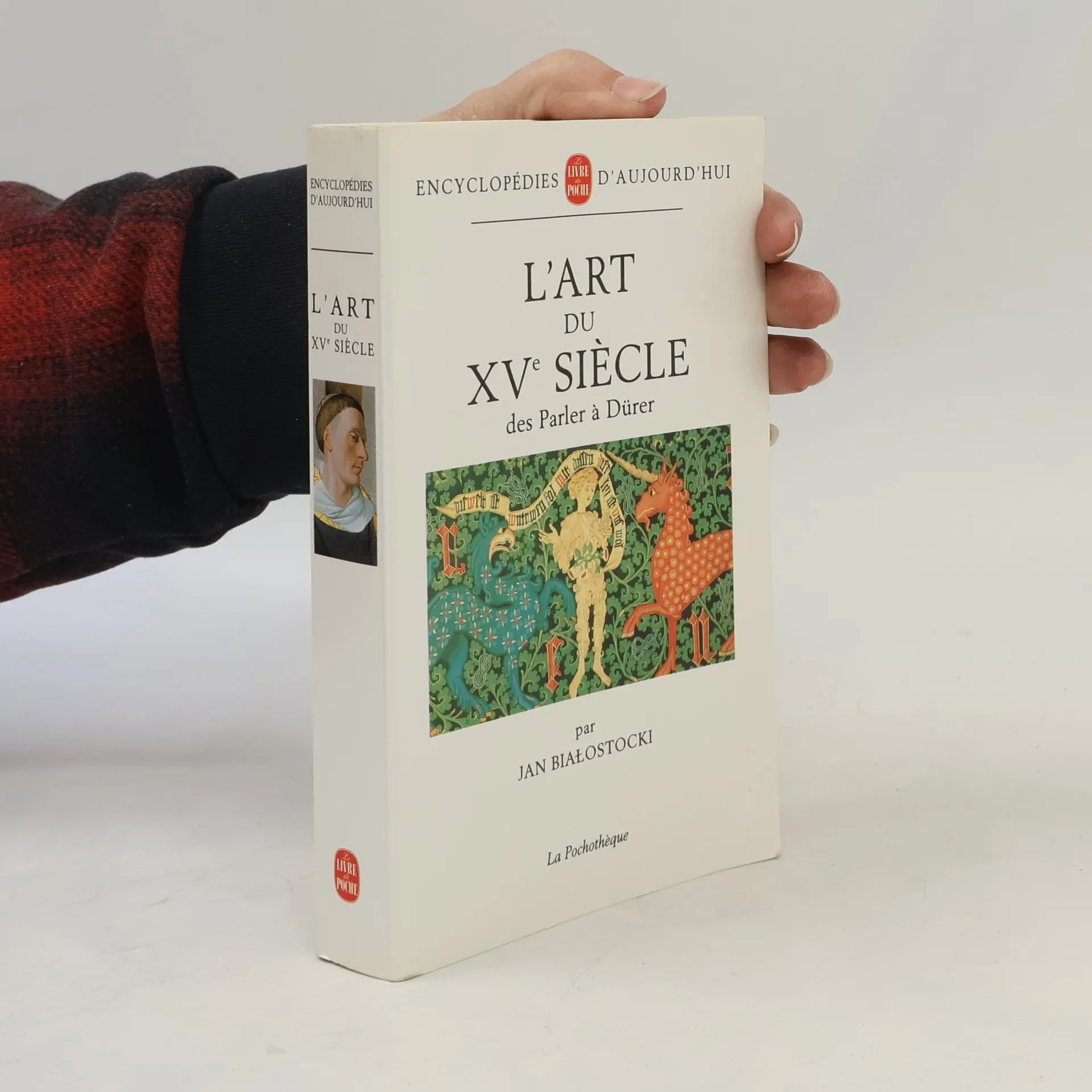
    L'Art du XVe siècle des Parler à Dürer
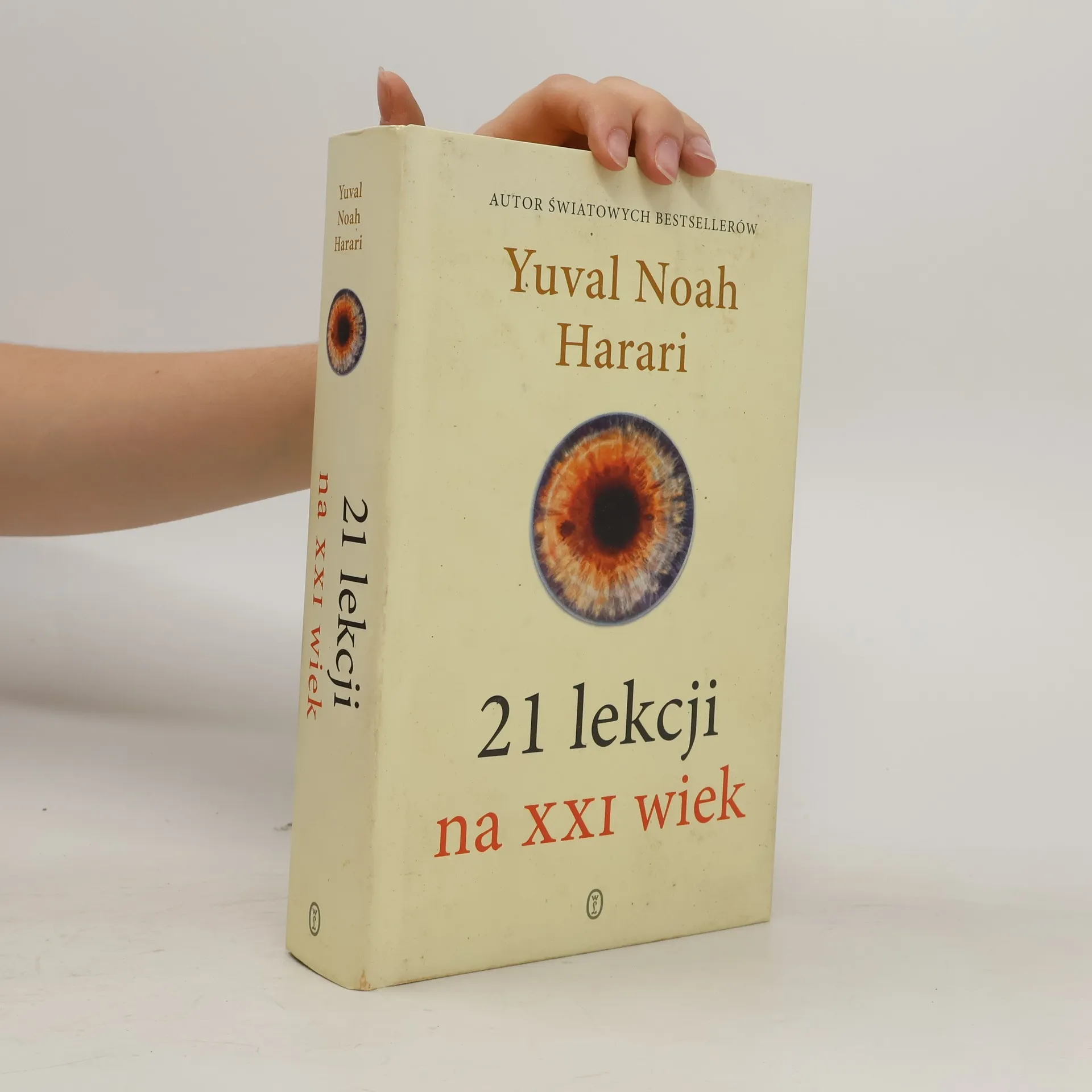
    21 lekcji na XXI wiek
    Homo Deus. A Brief History of Tomorrow
    • Homo Deus. A Brief History of Tomorrow

      • 528 stron
      • 19 godzin czytania

      THE MILLION COPY BESTSELLERSapiensshows us where we came from. Homo Deusshows us where we?re going.Yuval Noah Hararienvisions a near future in which we face a new set of challenges. Homo Deusexplores the projects, dreams and nightmares that will shape the twenty-first century and beyond - from overcoming death to creating artificial life.It asks the fundamental questions- how can we protect this fragile world from our own destructive power? And what does our future hold?'Homo Deuswill shock you. It will entertain you. It will make you think in ways you had not thought before? Daniel Kahneman

      Homo Deus. A Brief History of Tomorrow
      4,2
    • Jakie wyzwania stawia przed ludzkością teraźniejszość? Nowa książka autora światowych bestsellerów Sapiens i Homo deus. Krótka historia jutra. Yuval Noah Harari, słynny izraelski historyk i wizjoner, w swej najnowszej książce skupia się nie na przeszłości ani na możliwej przyszłości gatunku ludzkiego, lecz na problemach, w obliczu których stoimy obecnie. 21 lekcji na XXI wiek to zaproszenie czytelnika do wzięcia udziału w debacie na temat naszych czasów. Harari z właściwą sobie lekkością, w krótkich rozdziałach, omawia i analizuje zjawiska, które dziś definiują cywilizację homo sapiens i wpływają na jej losy. Donald Trump, Brexit, fake newsy, biotechnologia, sztuczna inteligencja, rozszerzona rzeczywistość, dewastacja środowiska naturalnego, kryzys uchodźczy, terroryzm, schyłek liberalizmu. Co te zjawiska naszej codzienności mówią o człowieku i współczesnym świecie? Harari, jak zwykle, stawia prowokacyjne pytania, ale i udziela błyskotliwych odpowiedzi, dzięki którym nasz coraz bardziej rozpędzony XXI wiek wydaje się choć trochę pojmowalny przez ludzki rozum.

      21 lekcji na XXI wiek
      4,2
    • Les triomphes de la Renaissance italienne sont si éclatants qu'ils ont eu tendance à reléguer dans l'ombre des pans entiers de l'art européen au XVe siècle. Dans cette synthèse sans équivalent, Jan Bialostocki, historien de l'art de renommée mondiale, corrige cette perspective et présente un tableau de toute l'activité artistique dans l'ensemble de l'Europe, de l'Espagne à la Russie, de l'Angleterre à la Bohême. Sans jamais diluer dans de vagues généralisations la personnalité de génies tels que Sluter, Fouquet, Van Eyck ou Schongauer, il caractérise les styles et les nouveaux types iconographiques en les reliant constamment aux bouleversements politiques et religieux de ce siècle qu'on a pu surnommer « l'automne du Moyen Âge ».

      L'Art du XVe siècle des Parler à Dürer
      3,7
    • Girl

      • 240 stron
      • 9 godzin czytania

      Longlisted for the 2020 Women's Prize for Fiction Longlisted for the 2020 Orwell Prize for Political Fiction A Times, Evening Standard and Financial Times Book of the Year I was a girl once, but not any more . . . A young woman, barely more than a girl herself, must learn to survive with a child of her own, in a world which seems entirely consumed by madness. As she navigates a landscape of terrors and trials, can she find a place of safety within a society blinkered by mistrust and denial? 'Astonishing.' New Statesman 'Raw and transfixing.' Observer 'Miraculous . . . Extraordinary.' Mail on Sunday 'A masterpiece.' Irish Independent 'Mesmerising.' Sunday Times 'Devastating and moving.' Daily Telegraph

      Girl
      3,5