
Bookbot

Arian Verheij

    Dynasty
    Więźniowie geografii
    • Więźniowie geografii

      • 376 stron
      • 14 godzin czytania

      Świeże i oryginalne spojrzenie na geopolitykę, które wyjaśnia dzisiejsze problemy polityki międzynarodowej. Przywódcy państw są ograniczeni przez geografię, co wpływa na ich wybory. Aby zrozumieć światowe wydarzenia, musimy poznać ludzi, idee i ruchy społeczne, a także geograficzne uwarunkowania. Książka odpowiada na pytania dotyczące obsesji Putina na punkcie Krymu, statusu supermocarstwa USA oraz rosnących wpływów Chin. Autor bada przeszłość, teraźniejszość i przyszłość, podkreślając znaczenie geopolityki. Zwraca uwagę na przedrostek „geo-” i sposób, w jaki geografia kształtuje decyzje światowych liderów. Tim Marshall, jako doświadczony korespondent, przedstawia globalną sytuację polityczną w sposób przystępny i zrozumiały. Jego styl łączy wiedzę z doświadczeniem, co czyni tę książkę praktycznym przewodnikiem po złożonym świecie geopolityki. Marshall nie boi się stawiać trudnych pytań i odpowiada na nie z precyzją, ukazując psychologię narodów oraz moc map, które politycy muszą ujarzmić. To zwięzłe dzieło jest niezbędne dla każdego, kto pragnie zrozumieć, jak geografia wpływa na politykę.

      Więźniowie geografii
      4,2
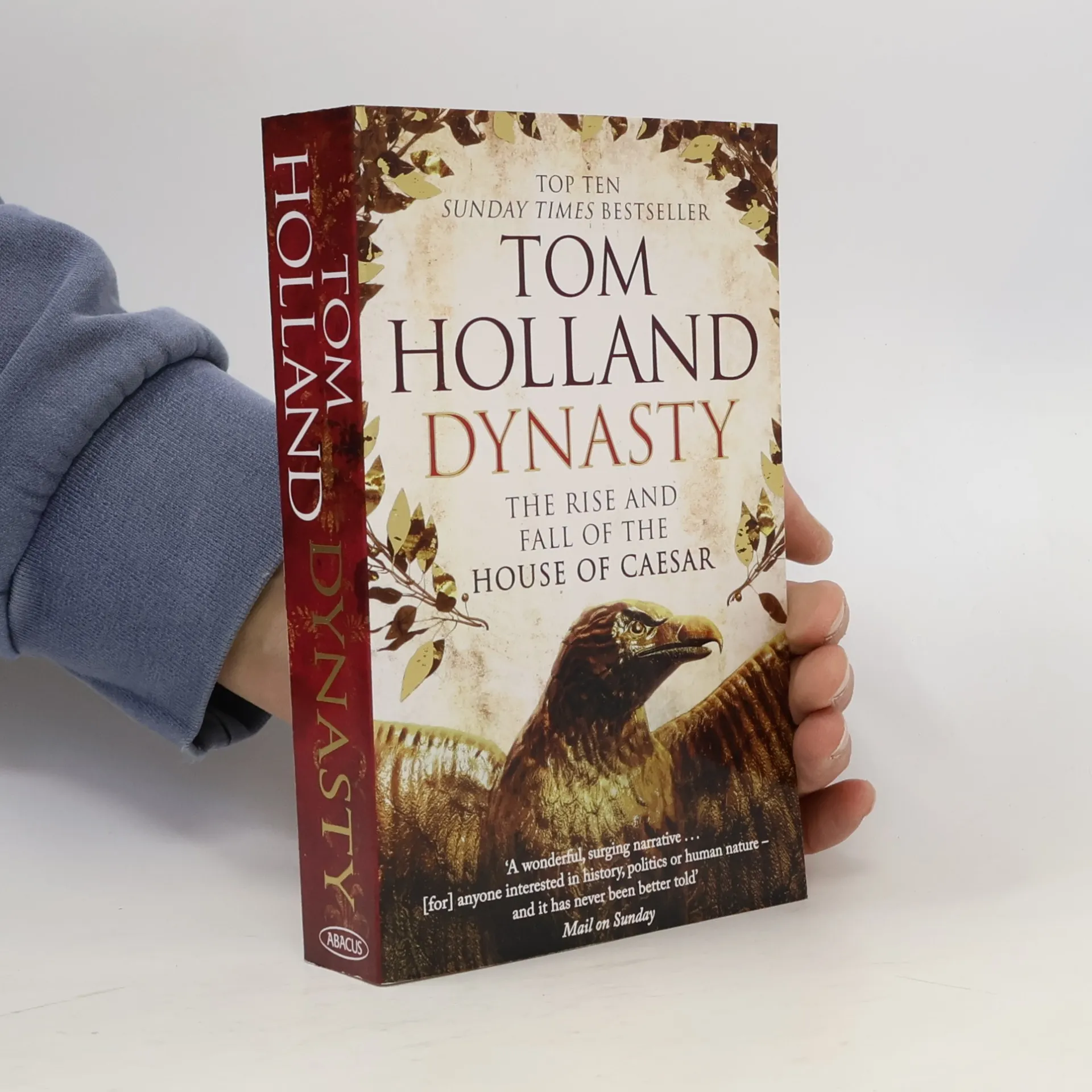
    • Dynasty

      • 544 strony
      • 20 godzin czytania

      This surging narrative offers a brilliant synthesis of ancient sources, making it a must-read for anyone interested in history, politics, or human nature. Rome transitioned from kings to a republic, ultimately collapsing into civil wars so brutal that the populace welcomed an autocrat promising peace. Augustus, the "Divinely Favoured One," established a dynasty that continues to captivate with its unsettling characters. Tiberius, once a celebrated general, became a bitter recluse known for his vices; Caligula, infamous for cruelty, famously rode his chariot across the sea; Agrippina, mother of Nero, schemed to elevate her son who would later have her murdered; and Nero himself, a figure of excess, indulged in the Olympics and constructed a pleasure palace over the ruins of a devastated city. In this sequel to Rubicon, the author presents a dazzling portrait of Rome's first imperial dynasty, capturing both its allure and the dark shadows of its crimes. The narrative spans from the marble grandeur of Augustus's capital to the barbarian-haunted forests of Germany, featuring a spectacular cast of characters: murderers, metrosexuals, adulterers, druids, scheming grandmothers, and reluctant gladiators. It is a vivid portrayal of a family that transformed and stupefied Rome.

      Dynasty
      4,1